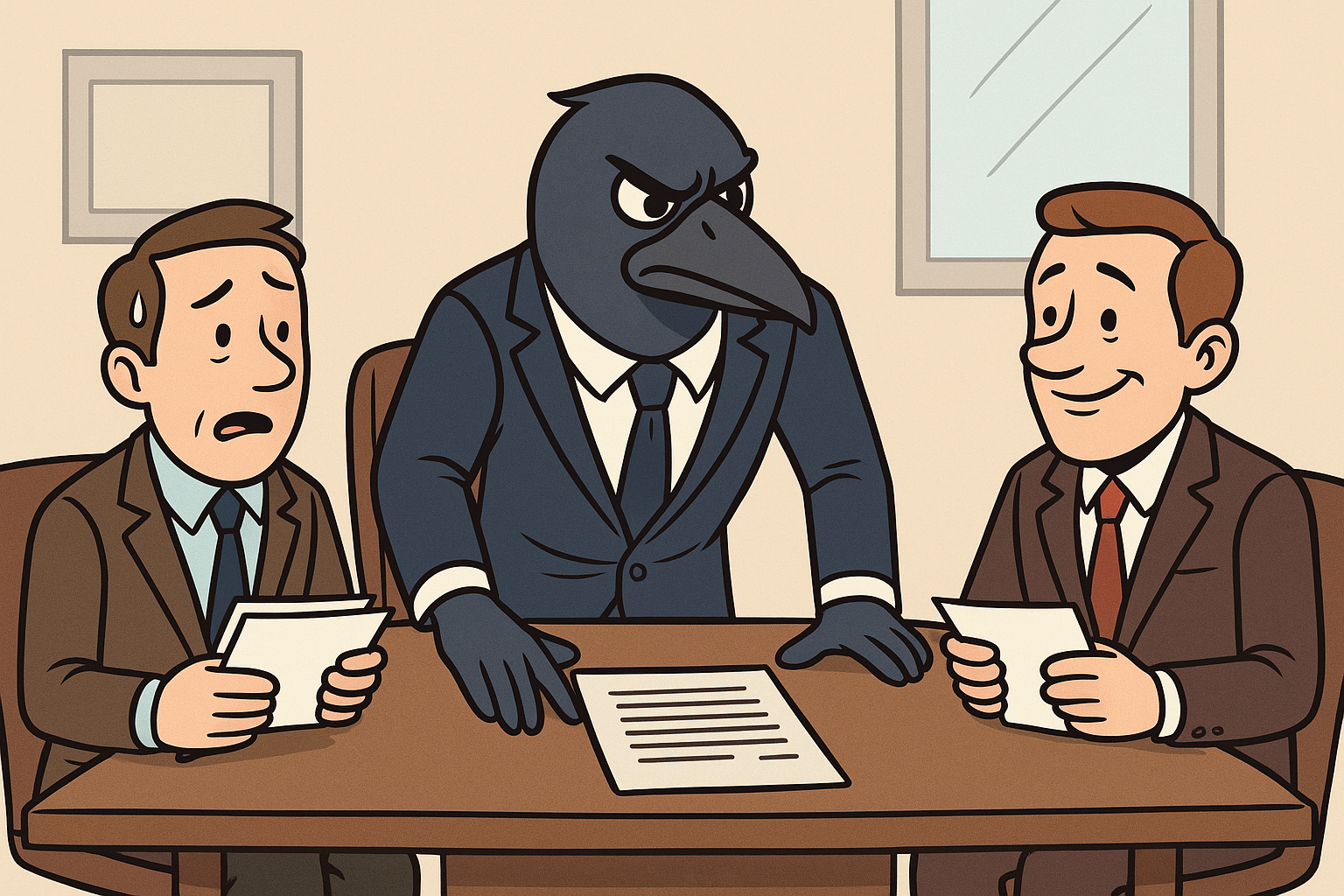
Sure, I want you to like me. But I’d rather be seen as effective first.
There’s a concept in Jim Camp’s Start With No that says:
Never “save the relationship.”
(You can buy the book here if you’re interested)
That doesn’t mean go scorched earth on everyone. Real estate is a relationship business — and honestly, most businesses are. You want to conduct yourself in a way that promotes healthy, long-term relationships.
But there are times when what’s best for one deal doesn’t line up with what might be “best” if you were thinking only about future deals that may or may not ever happen. That’s when you face a choice: do I do what’s best for the client I promised to represent to the best of my ability, or do I cave so the guys on the other side of the table don’t decide they don’t like me anymore?
It’s not fun to make decisions you know will disappoint someone. But deep down, you already know the answer.
This ties into what I was saying yesterday about people pleasing.
Sure, the folks on the other side may get mad for a while. But they’ll get over it. And if they’re the kind of people you actually want to do business with long term, here’s what happens once they cool off:
“I didn’t like the way that whole thing turned out. But after thinking about it, what Mike did was really the only thing he could have done, even though I know it wasn’t easy. And he was honest about it. That’s the kind of guy I want to keep working with in the future.”
Or maybe they stay mad. That’s fine too. If they do, they weren’t the people you needed to work with long term anyway.
This came up for me recently. I represented the owner of a key property in an area that suddenly became ripe for investment and development. The deal’s been in the paper, though I’ll skip the details here. We started getting offers, culminating in one that was so strong it would’ve been unthinkable just two months earlier. So we said, “Sure, write it up.”
Then an even better offer came in, and we had to switch horses. It wasn’t fun telling the first broker he’d lost out, and it was too late to improve his offer (skipping a lot of detail here for confidentiality). He didn’t like it — so much so that he went quiet on me for a couple of days.
But then he called back. He said he realized it wasn’t my fault, and he’d be proud to work with me in the future.
By not “saving the relationship,” I actually saved the relationship. And we made a better deal.
Another way to put it: I’d rather be seen as effective than liked. But here’s the twist — when you focus on being effective, you usually end up being liked anyway. Not by everyone, but by the people who matter.
Maybe I just got lucky, but this one doesn’t even need the pretzel twist to get back to “call me when you’re ready to talk about your property.”
Is it crazy to think that if you’re considering selling it would be smart to have someone willing to have tough conversations on your behalf on your side?
You know what to do…
Got a lot you might want to sell?
Get a FREE, no obligation report on what it could sell for today.
Get Your Lot Valuation
Own land instead?
Get a report for that here:
Get Your Land Value
Just a glutton for punishment?
Sign up now to get more articles like this in your email.
Sign Up Now
Leave a Reply to Why Do They Do It That Way? – Mike BrowningCancel reply