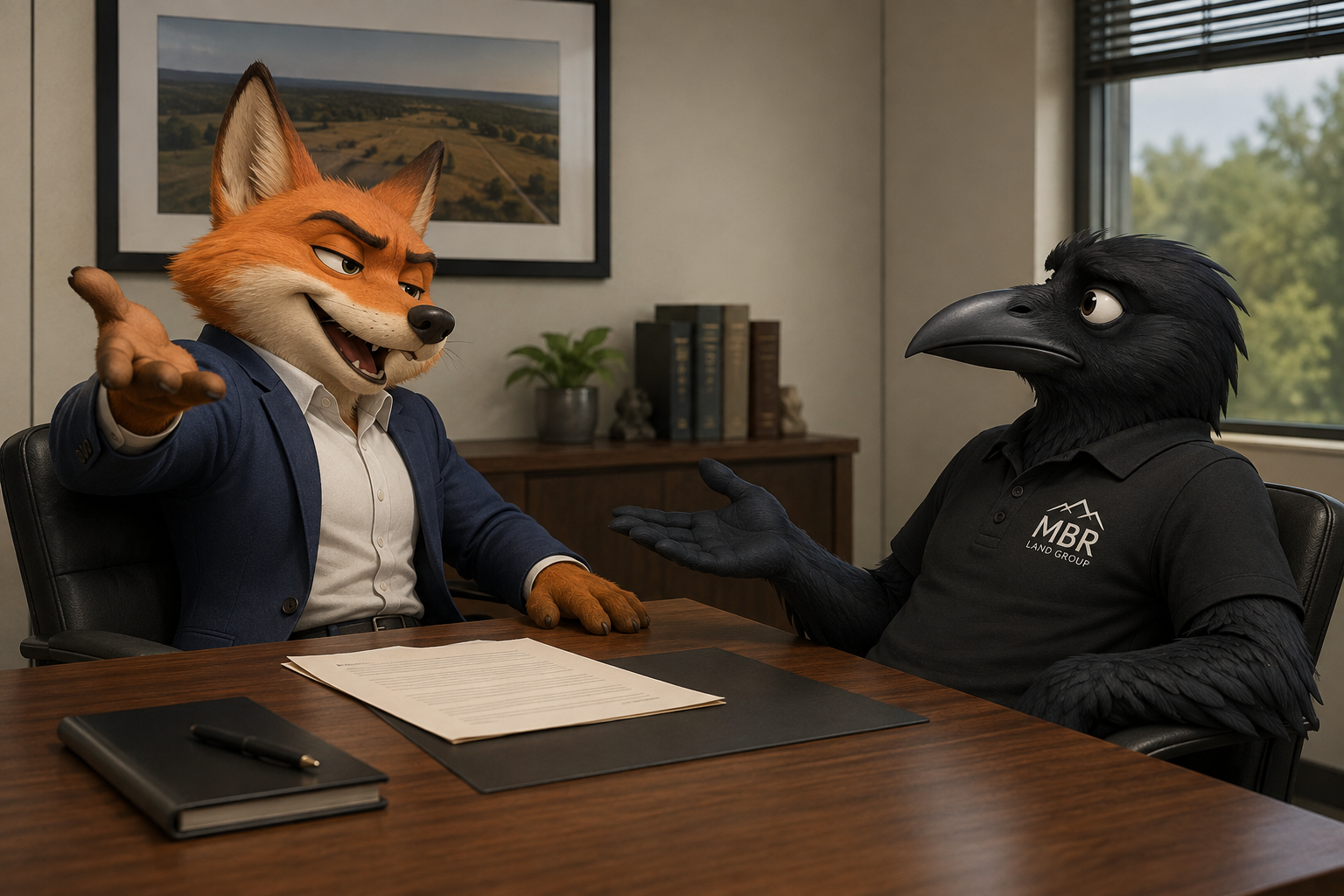
You don’t also have to announce it.
Celina’s city council recently approved some incentives to land a second Walmart. I won’t break it down here, but it could be pretty substantial. And probably a smart move, I’d say. Sales tax is one of the few revenue levers a city actually controls, and a big box store just inside your line pulls shoppers in from both sides while the tax dollars only land on yours. So far, so good.
Then the mayor opened his mouth.
Ryan Tubbs told the room they were going to build the best Walmart they could “so every resident of Pilot Point comes and visits Celina and shops at Walmart… so that we cause sales tax leakage for our lovely neighbors.”
He’s not wrong, that’s exactly what’s going to happen. Pilot Point residents will drive to the closer store, and Celina banks the tax revenue while Pilot Point’s roads absorb the traffic that got them there.
But saying it out loud like that is a low status move. It’s also not smart business.
There’s about a 100% chance Tubbs sits across a table from somebody in Pilot Point again before too long. A road project, a shared utility line, some regional thing nobody can avoid. And now he’s the guy who stood up and gloated about it on the record. Doesn’t matter that he was right. That’s not a great position to negotiate from the next time he needs something from them.
Win the deal. Then keep your mouth shut about it. Be gracious.
If you’re a land investor you know this.
You make your money when you buy, not when you sell. Old idea, still true every time.
When somebody’s willing to sell below market today, there’s almost always a reason behind it. A health scare, a divorce, a job that’s moving them, an estate nobody in the family wants to deal with, a note coming due next month.
You didn’t create the situation. You just showed up with a solution when they needed one, and the price reflected the circumstances.
The deal closes. You’re very happy with the deal. That doesn’t mean you explain to the seller how much you saved, or mention it to their neighbor, or bring it up again down the road when the tract’s worth double.
You say thank you and you mean it.
And that you hope your paths cross again, because in this business they usually do, and you want to still be the guy they’d sell to next time.
Gloating doesn’t get you anything the win didn’t already get you. It just costs you the next deal, or the next referral, or the next seller who was on the fence and heard how you talk about the last one.
Most of the good deals I’ve gotten over the years came from somebody who trusted me enough to call again.
People have long memories when you make them feel like the loser.
PS- If you’d rather hear about a deal before it goes anywhere else, I keep a short list for that. Nothing fancy about it. When something worth a second look clears my screen, the people on the list hear first. No spam, no newsletter, nothing on a schedule.