Tag: Jim Camp Negotiation

  • Don’t Confuse Empathy with Sympathy

    Don’t Confuse Empathy with Sympathy

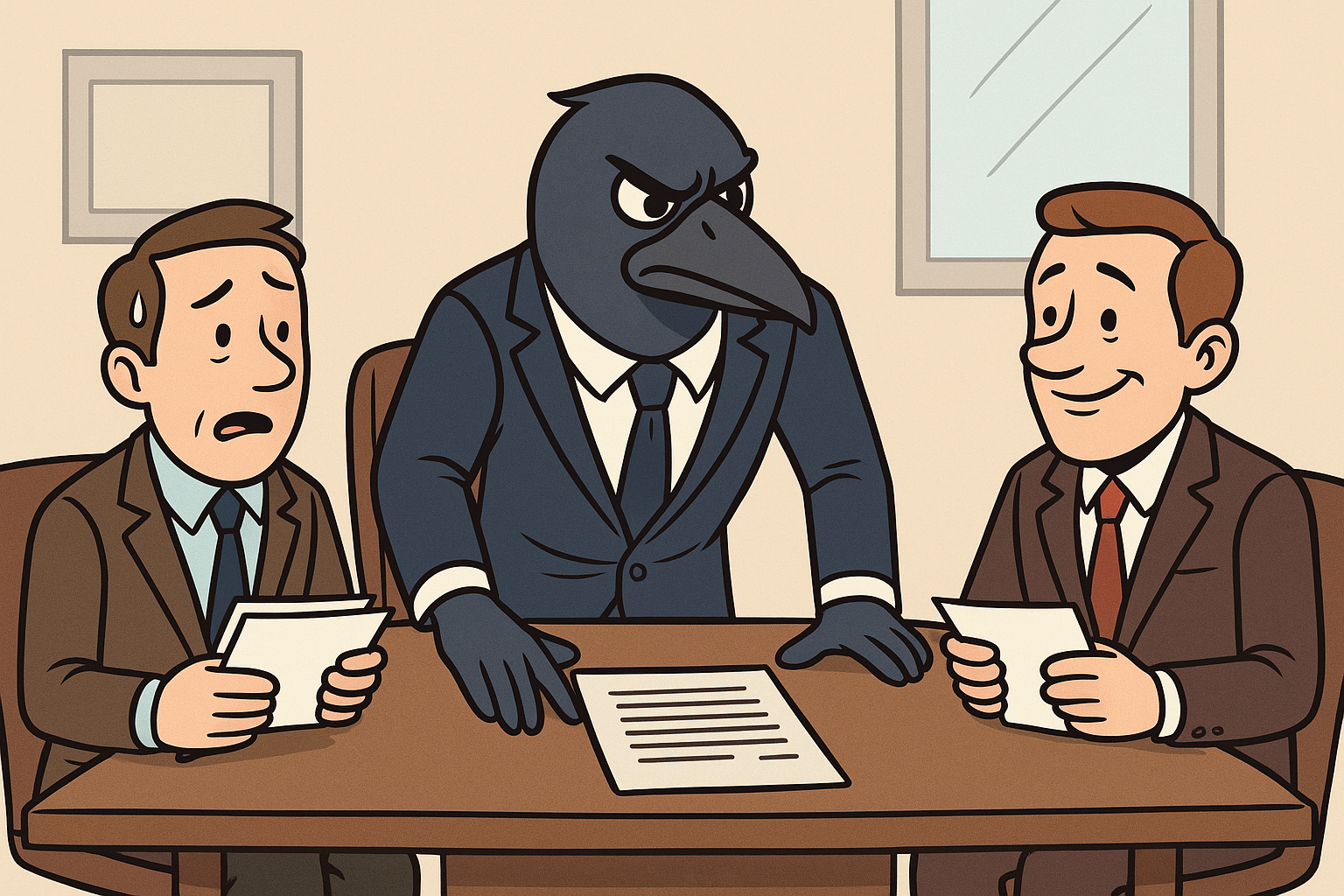
    Most people use the words “empathy” and “sympathy” as if they mean the same thing. They don’t. And getting them mixed up can cost you in a negotiation.

    In Never Split the Difference, Chris Voss, a former FBI hostage negotiator, talks about a concept called tactical empathy.

    It’s not about being nice. It’s about showing the other side you truly understand what’s going on in their head.

    Jim Camp taught the same principle in a different way: before you have any right to your own opinion, you have to earn it by proving you understand the other person’s world.

    Empathy is recognizing and acknowledging someone else’s feelings or point of view. You don’t have to agree with them, and you don’t have to feel the same emotion yourself.

    When you say, “It sounds like you’re frustrated with how long this process has taken,” you’re showing empathy. You’ve named what they’re feeling. That lowers their guard.

    The great part is even if you don’t get it right initially it doesn’t hurt anything. They will continue to explain and give you more insight.

    Sympathy is feeling sorry for someone’s situation. It’s your own emotional reaction to what they’re going through. Saying, “I’m really sorry this is happening to you,” is sympathy. It can be kind in personal life, but in a business discussion it often shifts the focus from their issue to your feelings about it.

    Empathy makes things about the other person. Sympathy makes it about you (while acting like it’s about them).

    In negotiation—whether you’re selling a piece of land, buying a home, or haggling over repairs—empathy opens doors, sympathy closes them.

    Empathy tells the other side, “I get you. I hear you.”

    That makes them feel safe enough to keep talking, which often leads them to reveal their real concerns. That’s when you can find a solution that works.

    Voss says a good sign you’re really in your counterpart’s world is when they respond to your summary of their position with, “That’s right.” It means they feel heard and understood.

    Contrast that with when someone says, “You’re right.” That often means they’re trying to brush you off, end the conversation, or placate you without actually being convinced.

    “That’s right” is a green light. “You’re right” is usually a red light.

    Your job early in a negotiation is not to push your proposal but to draw out their thinking, then summarize it so accurately that they say, “That’s right.” Until you get there, they’re still guarding their position. When they finally say it, they lower their guard and you can start exploring solutions together.

    For example, when a landowner says, “I don’t want to sell for less than my neighbor got,” you might respond, “It sounds like you’re worried you’ll leave money on the table.” If they reply, “That’s right,” you’ve nailed their core concern. From there, you can talk about the real differences between the properties. If they just say, “You’re right,” they probably still feel misunderstood and you’re not ready to move on.

    Empathy isn’t about giving in or feeling sorry for someone. It’s about understanding them well enough that they’ll work with you.

    That’s more valuable than any clever sales pitch. And it’s a skill anyone can practice: listen more, talk less, and aim for the moment when they nod and say, “That’s right.”

    ***Want to dig deeper into the skills that help you earn the “That’s right” moment?

    I highly recommend reading Never Split the Difference by Chris Voss.


    (Yes, if you use this link I earn a small commission, but it doesn’t change your price.)
  • Only the Wrong People Say No

    Only the Wrong People Say No

    Most people hate rejection. It feels personal. Like somebody slammed a door in your face.

    That’s because most people approach rejection with neediness. They think they have to win over this client, or get that deal, or land that one opportunity. When you need a specific outcome, rejection feels like failure.

    But that’s the wrong lens.

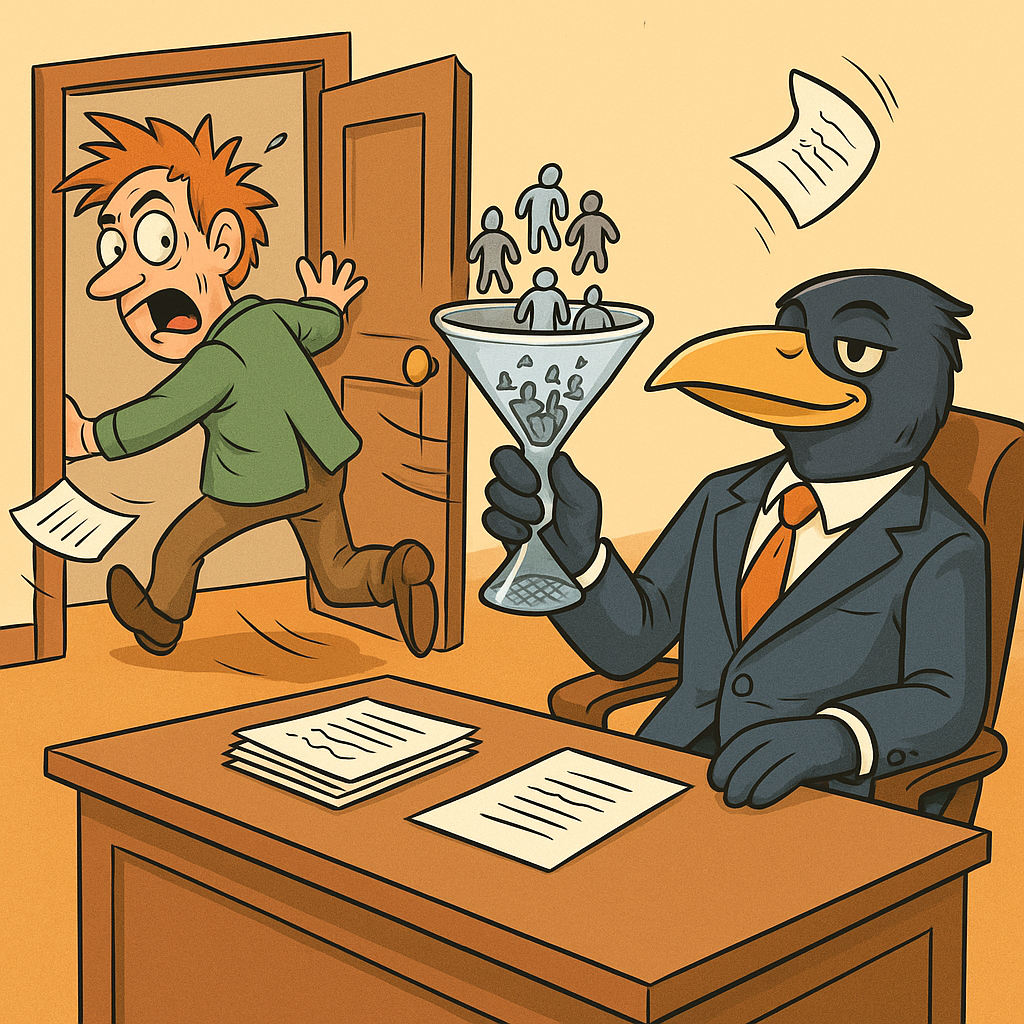
    Rejection is a filter. It’s not an insult or a loss — it’s information. It tells you who’s not a fit so you don’t waste more time.

    An example from just last week. Through my direct mail program, I’d been working with a lady who owned a lot she wanted to sell. We had been in contact for quite awhile — years, actually. The first time she thought she might be ready, she ended up needing to wait. She circled back a few months ago, got tied up again, and was finally ready to move forward.

    I sent her all the documents to review, which is when it went sideways. The documents were too long (same ones everyone uses), costs were too high, price needed to be higher, and so on. Then she texted and said she wasn’t going forward. Maybe it was an attempt to get me to reduce my fee — I don’t know. But my response was simple: “OK! Good luck!”

    She may think she rejected me, but she really just filtered herself out. Truth is, I had basically decided to get away from it anyway before she pulled the plug. My time is valuable, and I only want to work with the best clients — not flakes. So I didn’t lose anything.

    Jim Camp, in Start With No, calls neediness the killer. And he’s right. If you walk into a negotiation thinking “I have to get this person to say yes,” you’ve already surrendered your leverage. Because the other side can smell neediness. They know you’ll bend to keep the deal alive.

    The truth is I need clients and transactions, sure. That’s the business.

    If you say no, you haven’t rejected me — you’ve just put yourself on the “not a fit” side of the filter.

    And that’s a good thing. Every time the wrong person filters out, I have more space for the right person.

    Think about it in everyday terms. When you shop for a truck, you don’t test drive one, decide it doesn’t suit you, and call it a personal failure. You just learned that wasn’t the one. Same with hiring an employee. Or a real estate broker. The whole point is to sort out what doesn’t work so you can find what does.

    And when you do find the right truck (or whatever else), you don’t get needy then either. It’s fine to want it, but you don’t need it. There are other trucks. Odds are you’ll find one you like just as much — if not better — pretty quick.

    That’s what rejection does. It’s not failure. It’s the process working.

    So when someone says no to me, I don’t take it personally.

    I don’t need them. I need the right people.

    And if I’m willing to let the wrong ones pass by, I’ll find the right ones a whole lot faster.

    That’s the filter. And once you see rejection that way, it stops having power over you.

    Maybe you understand why I don’t deal in pressure now. If I’ve done it right and it’s a fit, you’ll come find me when it’s time.

    But how do you know it’s time if you don’t reach out and let me give you current market info?

    Is there ever a bad time to know where things stand regarding your property’s value?

    When you’re ready, click below.


  • Effectiveness > Being Liked

    Effectiveness > Being Liked

    Sure, I want you to like me. But I’d rather be seen as effective first.

    There’s a concept in Jim Camp’s Start With No that says:

    Never “save the relationship.”

    That doesn’t mean go scorched earth on everyone. Real estate is a relationship business — and honestly, most businesses are. You want to conduct yourself in a way that promotes healthy, long-term relationships.

    But there are times when what’s best for one deal doesn’t line up with what might be “best” if you were thinking only about future deals that may or may not ever happen. That’s when you face a choice: do I do what’s best for the client I promised to represent to the best of my ability, or do I cave so the guys on the other side of the table don’t decide they don’t like me anymore?

    It’s not fun to make decisions you know will disappoint someone. But deep down, you already know the answer.

    Sure, the folks on the other side may get mad for a while. But they’ll get over it. And if they’re the kind of people you actually want to do business with long term, here’s what happens once they cool off:

    “I didn’t like the way that whole thing turned out. But after thinking about it, what Mike did was really the only thing he could have done, even though I know it wasn’t easy. And he was honest about it. That’s the kind of guy I want to keep working with in the future.”

    Or maybe they stay mad. That’s fine too. If they do, they weren’t the people you needed to work with long term anyway.

    This came up for me recently. I represented the owner of a key property in an area that suddenly became ripe for investment and development. The deal’s been in the paper, though I’ll skip the details here. We started getting offers, culminating in one that was so strong it would’ve been unthinkable just two months earlier. So we said, “Sure, write it up.”

    Then an even better offer came in, and we had to switch horses. It wasn’t fun telling the first broker he’d lost out, and it was too late to improve his offer (skipping a lot of detail here for confidentiality). He didn’t like it — so much so that he went quiet on me for a couple of days.

    But then he called back. He said he realized it wasn’t my fault, and he’d be proud to work with me in the future.

    By not “saving the relationship,” I actually saved the relationship. And we made a better deal.

    Another way to put it: I’d rather be seen as effective than liked. But here’s the twist — when you focus on being effective, you usually end up being liked anyway. Not by everyone, but by the people who matter.

    Maybe I just got lucky, but this one doesn’t even need the pretzel twist to get back to “call me when you’re ready to talk about your property.”

    Is it crazy to think that if you’re considering selling it would be smart to have someone willing to have tough conversations on your behalf on your side?

    You know what to do…


  • Being the Smartest Person in the Room Is Overrated — Unless You Know How to Hide It

    Being the Smartest Person in the Room Is Overrated — Unless You Know How to Hide It

    Some people would argue I don’t have much experience in this…

    Just after the mortgage crisis, there were vacant lots everywhere and only a handful of buyers. I represented one of the few builders looking to acquire. We met with an investment group that had been buying lots to see if there was a fit.

    Realistically, a deal probably wasn’t going to happen regardless — the timing wasn’t right, and pricing for builders and sellers was miles apart.

    But this one was doomed from the start.

    The leader for the investors was sharp, but couldn’t resist proving it.

    Our builder’s CEO? Same thing.

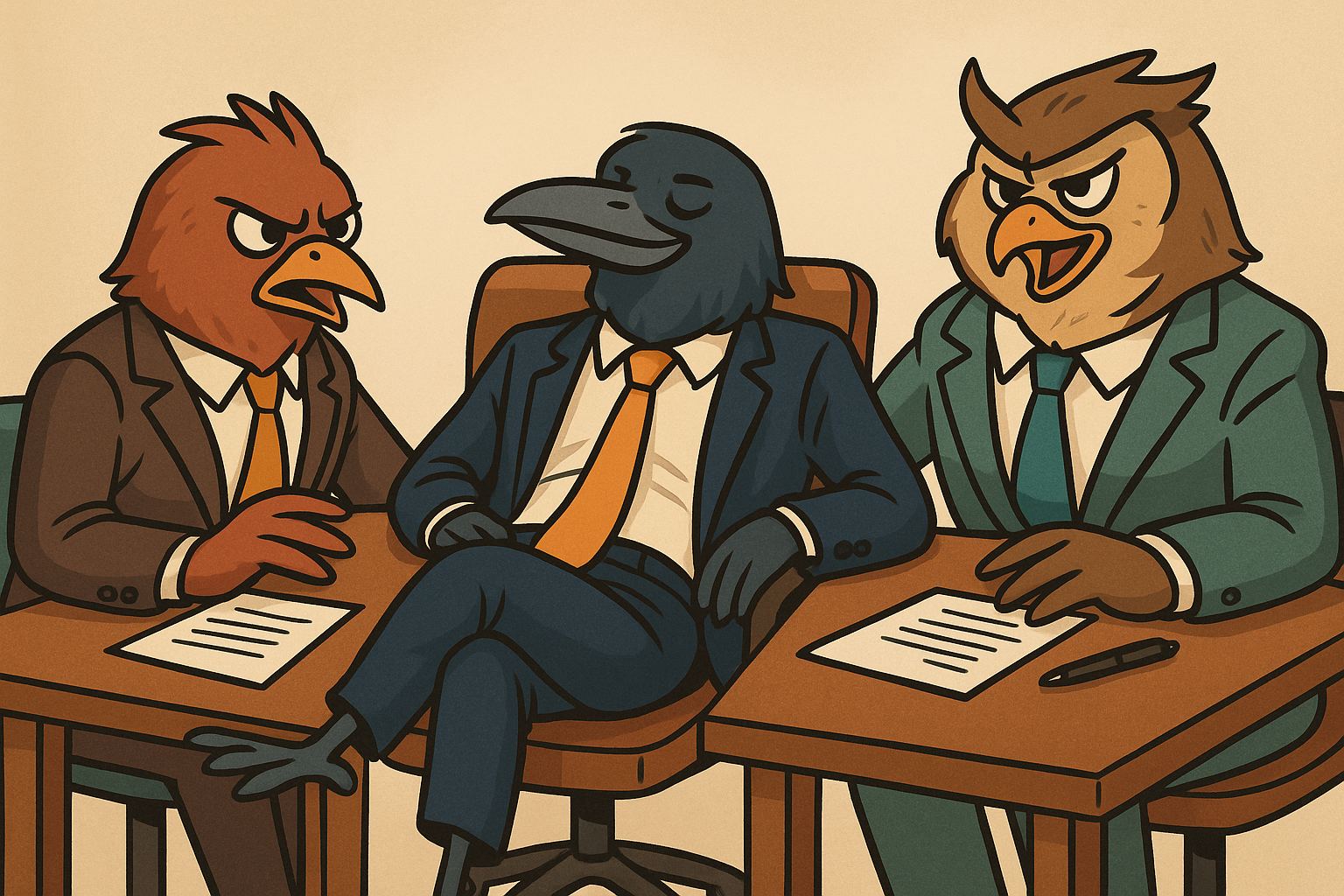
    Two smart guys locked in a measuring contest, and the rest of us just watched it die in real time.

    Not long after, my guy passed acquisitions to someone a little less abrasive and focused on his CEO role. Fifteen years later, that company is publicly traded and one of the largest homebuilders in the country.

    The other guy? Not quite as good. Overconfidence led to overleverage, which led to prison.

    I hear he gets out soon, but I won’t be knocking down doors to deal with him again.

    Jim Camp talks about okayness in Start With No: In any negotiation, only one person can feel totally “okay.” Your job is to make sure it’s them.

    If my guy had just let the other guy show how smart he was, without trying to match him move-for-move it might have been different. Like I said, we probably wouldn’t have made a deal that day, but there would’ve been a better chance of future deals.

    It’s why Columbo solved every case. He looked unprepared and harmless so the criminal let their guard down. Same principle. You don’t have to actually be bumbling; you just have to let them think they’re in control.

    If you walk into a room and everyone immediately knows you’re the smartest person there, you’ve already screwed up. People don’t like a smarty-pants — especially one who makes them feel like the slowest kid in class.

    That doesn’t mean intelligence isn’t valuable. It just means you don’t win by flashing it.

    I’m not recommending clumsiness as a tactic (I’m not big on tactics — I like principles). But just as an experiment, next time you go to a meeting “forget” your pen so you have to borrow one. Or something equally minor.

    Watch how the dynamic changes because you let the other party feel “okay.”

    What’s this got to do with selling real estate? Maybe not much directly. But I think you see the applications — both in how I deal with my clients and with our counterparts on the other side of a deal.

    As for meetings, I try to avoid those as much as I can. And deal strictly in email. I do my best to write clearly — and keep out the tpyos.