You’re almost never 100% right. Or wrong.
Most people in a conflict become very, very good at one thing.
Their version.
I’ve watched it happen enough times to recognize the pattern early. Someone gets into a dispute, and immediately everyone assembles their case. The evidence. The timeline. Getting to others first, so they can get you on their side. They can tell you exactly what happened and exactly why the other person is wrong, and they’ve told it so many times it has the smooth, rehearsed quality of something that stopped being examined a while ago.
What they usually can’t do is explain the other side.
Not a real version of it anyway. Not the version the other person might actually recognize. They can do a kind of highlight-reel caricature where the other person comes off as selfish or unreasonable or oblivious, but that’s not the same thing. That’s just their own story with a different character labeled.
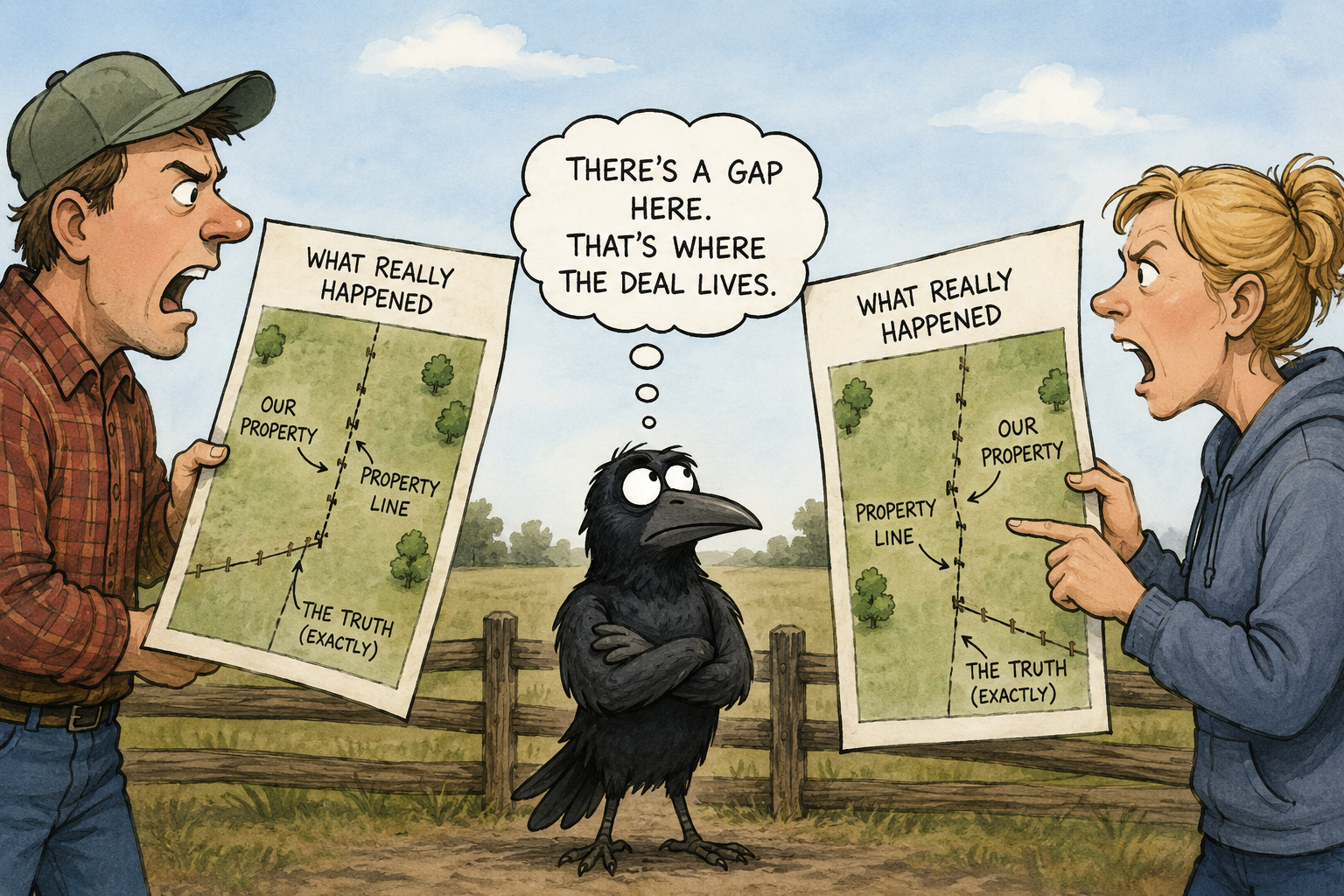
Chris Voss has a line I keep coming back to. There are three sides to every story: my side, your side, and the truth. Most people spend their whole lives defending the first one.
People forget to consider what that costs.
It costs resolution, obviously. But it also costs information. If you can’t articulate the other person’s position in a way they’d agree with, you’re not negotiating with them. You’re negotiating with your idea of them, which is almost always a worse version than the actual person. Easier to dismiss. Easier to be right about.
I’ve seen this play out many times where both sides are so committed to their read on what’s fair that they let something genuinely good fall apart. One side thinks the other is greedy. The other finds the offer insulting. Neither one has sat with the question of what the other person actually needs and why. The gap between the two stories is where the deal lives, but a lot of times nobody goes there.
It shows up everywhere. Families. Business partnerships. Long friendships that quietly go cold.
The test Voss suggests is a good one. Can you make the other person’s case as well as they could? Not a version that secretly makes you look reasonable by comparison. The real one, with their actual concerns and their actual logic and the parts of their position that, if you’re honest, have some merit.
Most people can’t do it. Which means most people are still negotiating with their own story instead of with the situation in front of them.
That’s not a moral failing. It’s just expensive.
PS- Most landowners aren’t planning to sell today.
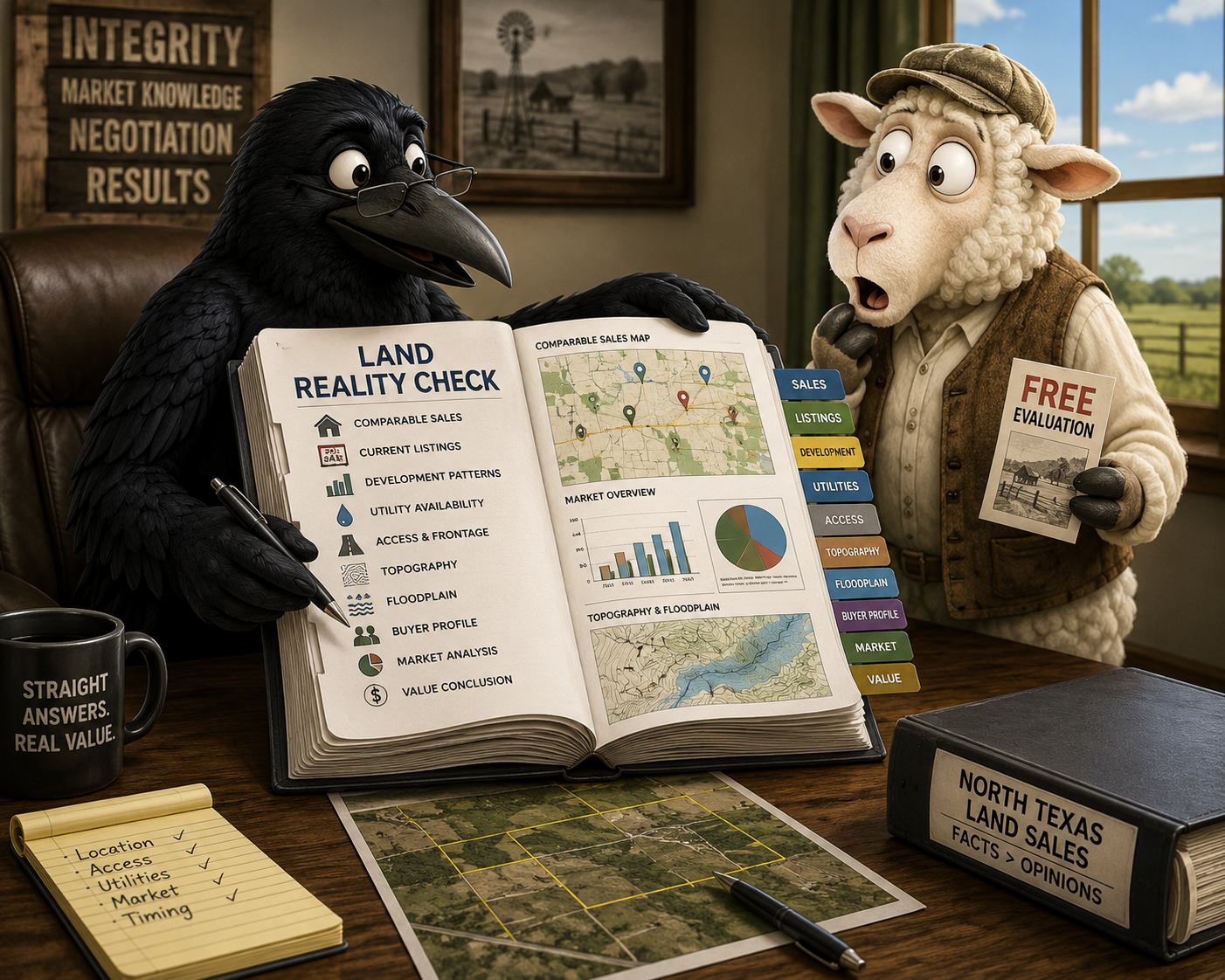
But when the time comes, the people who already have a clear read on the market tend to make better decisions. That’s what the MBR Land Reality Check is for. It looks at nearby sales, current listings, development pressure, and the details affecting value that aren’t obvious from the road.
Is it a bad idea to know where things stand?
PPS -If you’re not ready for a Reality Check but enjoy reading about land, markets, and negotiation, you can sign up below and get these posts in your inbox.