Real Talk About Land (not houses)

  • The Negotiation Nobody Notices

    The Negotiation Nobody Notices

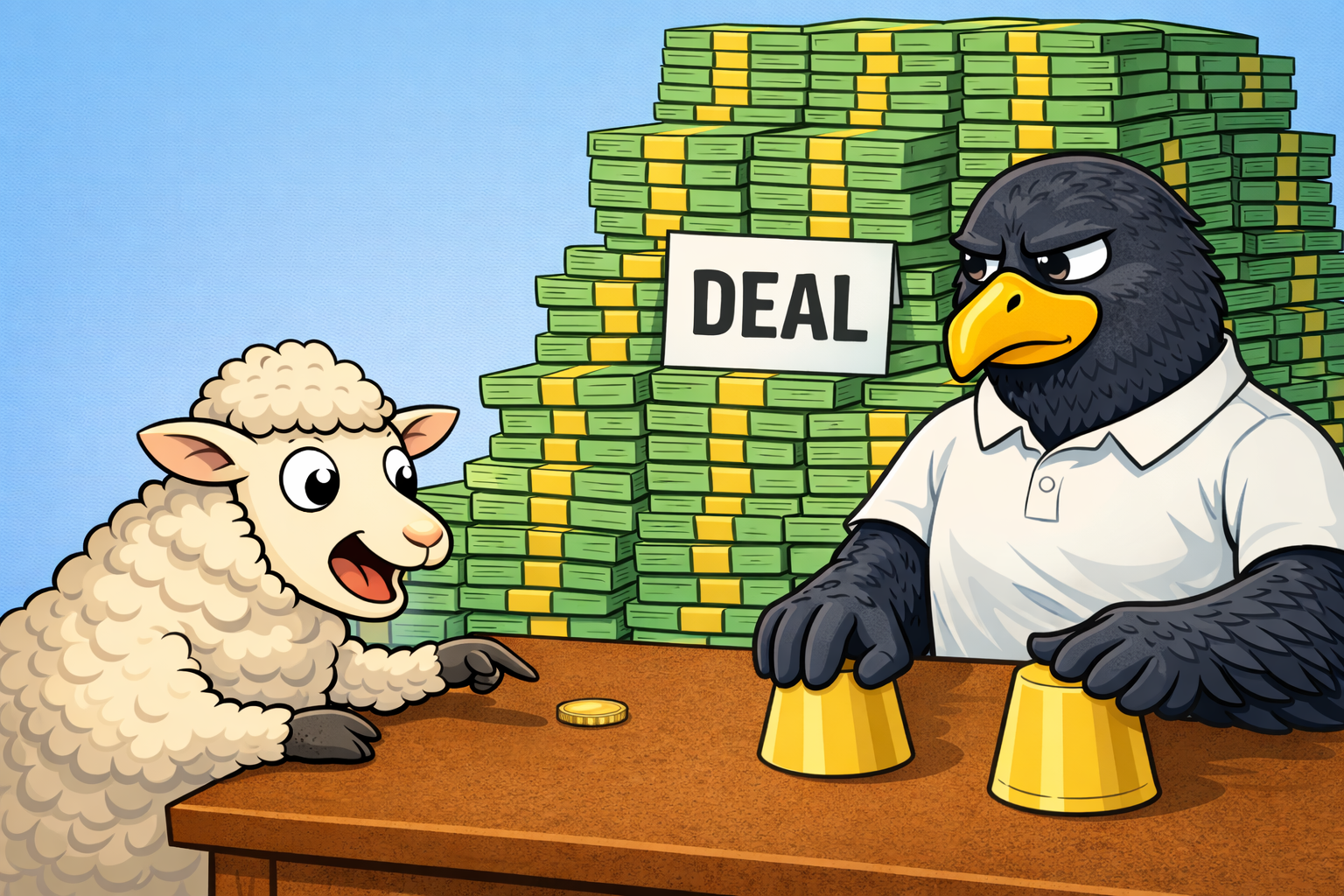
    Buyers sometimes lose deals for a strange reason.

    They win too many small arguments.

    Most people think negotiation means squeezing every last concession out of the other side.

    But small concessions often trigger the same psychology we talked about earlier. People feel losses about twice as strongly as equivalent gains.

    So every small “win” for the buyer can feel like a loss to the seller.

    And losses tend to demand compensation.

    Imagine you’re buying a tract of land.

    The price is close to working.

    But during negotiations you start asking for a list of smaller items:

    Pay for the survey.
    Pay for title.
    Fix the fence.
    Cover some closing costs.

    None of these things are huge by themselves.

    But to the seller, every one of them feels like giving something up.

    Soon the deal starts to feel worse than the original offer.

    And the seller reacts the same way most people do when they feel losses stacking up.

    They push back harder on the price.

    Or they simply decide the deal isn’t worth the trouble.

    Ironically, buyers sometimes end up paying more by trying to win those smaller battles.

    The deals that close smoothly usually look different.

    Both sides focus on the big economics first.

    Once that works, they stop trying to win every small point.

    Because in negotiation, momentum matters.

    If the deal feels good, people want to finish it.

    If it starts to feel like a series of losses, they start looking for a way out.

    And most deals that fall apart don’t fail because of the big numbers.

    They fail because of the little ones.


    P.S. Before negotiating anything, it helps to know where you stand in the market. Even if you’re not looking to do anything today, the time to start paying attention is before you actually need to.

    That’s what the MBR Land Reality Check is for. Real market intelligence from someone with decades in the land business. You’ll know what’s selling, for how much, and what’s happening in terms of development.

    It’s free today. Never any obligation, and never any pressure to list.


    P.P.S. If you’re not ready for a Reality Check but liked reading this, you can get posts like this in your inbox below. Usually daily.

    Register to Receive Posts Via Email!

    By submitting, I understand I will receive marketing emails and blog posts from Mike Browning Realty and/or associated companies. Unsubscribe at any time.

  • The Quiet Compromise

    The Quiet Compromise

    One of the most important things to understand about negotiation has nothing to do with price.

    It has to do with how people experience gains and losses.

    Research by psychologist Daniel Kahneman showed that people feel losses much more strongly than gains. In simple terms, a loss hurts about twice as much as an equivalent gain feels good.

    Lose $100 and it bothers you.

    Gain $100 and it feels nice, but not nearly as strongly.

    To emotionally wipe out the loss of $100, you often need a gain closer to $200.

    This tendency is wired into us. It probably helped our ancestors avoid taking too many risks.

    But it also shows up constantly in negotiations.

    Imagine someone makes an offer on your land. The net number is close to acceptable to you, but not quite.

    Part of the deal is that they want you to pay for a survey that costs about $3,000.

    A lot of sellers immediately push back on that.

    They argue that the buyer should pay for the survey.

    But there’s usually an easier way to handle it.

    If you already plan to counter the price higher anyway, just leave the survey alone and increase your counter by a little more than you otherwise might.

    Maybe $5,000 higher.

    From your perspective, the math still works. In fact, it’s a little better for you than it would have been.

    But from the buyer’s perspective, the deal feels different.

    If you push them to pay for the survey, they experience that as a loss. And losses tend to loom larger than gains.

    They feel like they are giving something up.

    But if the survey stays the same and the price changes slightly, they don’t have the same reference point. They don’t know what your counteroffer would have been otherwise.

    So it doesn’t feel like they lost anything.

    The numbers may be almost identical either way.

    But one structure feels like friction.

    The other often sails right through.

    That’s what I think of as a quiet compromise.

    Same economics, different psychology.

    And in negotiation, psychology often decides which deals actually happen.


    P.S. Before negotiating anything, it helps to know where you stand in the market. Even if you’re not looking to do anything today, the time to start paying attention is before you actually need to.

    That’s what the MBR Land Reality Check is for. Real market intelligence from someone with decades in the land business. You’ll know what’s selling, for how much, and what’s happening in terms of development.

    It’s free today. Never any obligation, and never any pressure to list.


    P.P.S. If you’re not ready for a Reality Check but liked reading this, you can get posts like this in your inbox below. Usually daily.
    Register to Receive Posts Via Email!

    By submitting, I understand I will receive marketing emails and blog posts from Mike Browning Realty and/or associated companies. Unsubscribe at any time.

  • Compromising Positions

    Compromising Positions

    People are taught from childhood that compromise is the fair solution.

    If two people want different things, you split the difference. Everyone gives a little. Everyone walks away happy.

    That sounds reasonable. But sometimes the “fair” compromise is actually ridiculous.

    Some of them I can’t repeat here.

    There’s an old story in the First Book of Kings about two women claiming the same baby. They brought the dispute to King Solomon.

    Solomon proposed a solution, cut the baby in half and give each woman a piece.

    Of course he didn’t really intend for that to happen. The point was to expose the flaw in the idea that every dispute has a reasonable middle. Some problems cannot be solved by compromise.

    One woman immediately begged him to give the child to the other. Which revealed who the real mother was.

    The point was clarity.

    Some things don’t have a middle that works. Negotiation runs into this problem all the time.

    People assume that splitting the difference automatically produces a fair agreement. But compromise often just glues two incompatible ideas together.

    Think about a simple example.

    A landowner wants $1.5 million for a tract.
    A buyer wants to pay $1.3 million.

    Someone suggests the obvious solution.

    Split the difference at $1.4 million.

    On paper that looks fair. Each side moved the same amount.

    But fairness on paper doesn’t mean the deal actually works.

    Maybe the buyer’s financing only supports $1.3 million.
    Maybe the seller needs $1.45 million to justify selling.
    Maybe the timing or tax consequences change the math.

    In those situations, splitting the difference doesn’t solve the problem. It just produces a number that satisfies neither side.

    This is why experienced negotiators spend less time looking for the middle and more time understanding what each side actually values.

    Sometimes the right solution isn’t halfway between two positions.

    Sometimes the right solution is something different entirely.

    And sometimes the right solution is realizing there isn’t a deal at all.


    P.S. To know whether there’s a deal or not, you need the most current market information.

    You’re probably not even considering selling today. But things can change quickly. The best time to start gathering information is well before you actually need it.

    That’s what the MBR Land Reality Check is for. Clear-eyed analysis using actual sales and decades of experience in land brokerage.

    It’s free (for now). No obligation. And never any pressure to list.

    Would it be a bad idea to just see where things stand?


    P.P.S. If you’re not ready for a Reality Check but liked reading this, you can get posts like this in your inbox below. Usually daily.
    Register to Receive Posts Via Email!

    By submitting, I understand I will receive marketing emails and blog posts from Mike Browning Realty and/or associated companies. Unsubscribe at any time.

  • No Is Nothing To Be Afraid Of

    No Is Nothing To Be Afraid Of

    Most people think negotiation is about getting the other side to say yes, or overwhelming objections with pressure and emotional manipulation. If you’ve ever spent time on a car lot, you’ve probably experienced the technique firsthand.

    Good negotiators often do the opposite. They give the other person room to say no. That sounds strange at first, but there’s a simple reason for it.

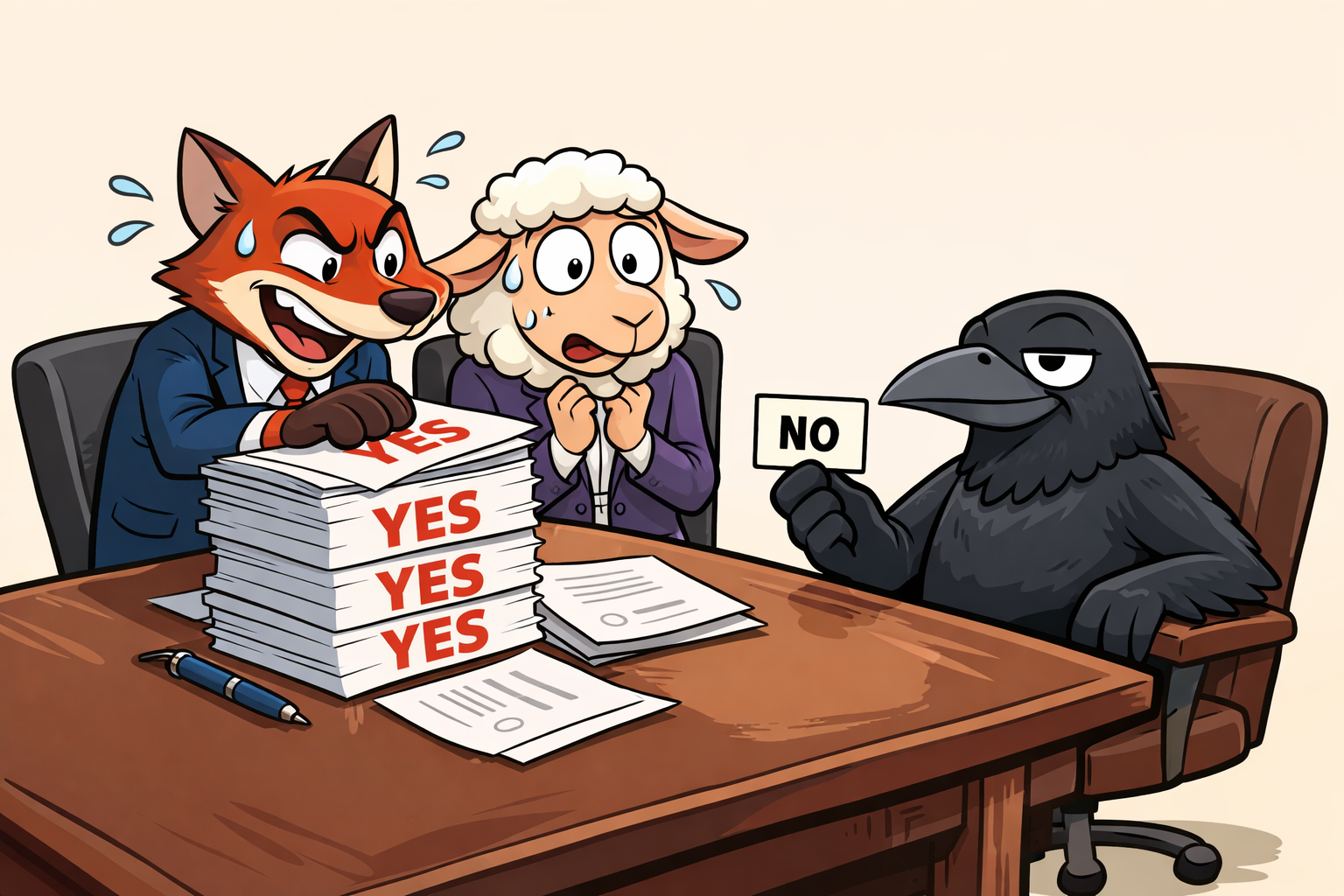
    People don’t experience yes and no the same way.

    Yes feels like commitment. Like stepping onto a track where you don’t know exactly where it goes.

    No feels different.
    No feels safe, or like control.

    When someone senses that you’re pushing for yes, they often become cautious. They slow down, hedge, and sometimes shut the conversation down entirely.

    But when someone knows they can say no, the pressure disappears.

    That’s why experienced negotiators sometimes frame questions in ways that invite a no.

    Instead of asking:

    “Is now a good time to talk?”

    They ask:

    “Is now a bad time to talk?”

    It sounds like a small difference, but psychologically it’s very different. The other person can say no without feeling trapped.

    Once someone knows they can say no, they relax. And when people relax, they start telling you what they actually think.

    You see this in real estate negotiations all the time.

    If you push someone toward yes too early, they often resist, even if the deal might ultimately make sense for them.

    But when someone feels comfortable saying no, they usually explain why. And that explanation is where the real negotiation begins.

    Maybe the issue is price.
    It could be timing.
    Or a concern about utilities, access, or development.

    Once the real concern is on the table, you can actually work with it.

    Negotiation isn’t really about forcing agreement. It’s about creating a conversation where people feel safe enough to tell the truth.

    And oddly enough, that often starts with letting them say no.


    P.S. Even if you’re not actively considering selling, is it crazy to think having current info before you need it might be a good idea?

    That’s what the MBR Land Reality Check is for.

    You get a clear-eyed look at what’s selling near your tract, who’s buying, development activity, utility constraints, and more.

    A real (and realistic) opinion based on real information.

    Free (for now), with no obligation and no pressure to list.

    Is it a bad time to know where you stand?


    P.P.S. If you’re not ready for that but like what you see here, you can always get these posts in your inbox here:

    Register to Receive Posts Via Email!

    By submitting, I understand I will receive marketing emails and blog posts from Mike Browning Realty and/or associated companies. Unsubscribe at any time.

  • Why Do We Keep Asking?

    Why Do We Keep Asking?

    We like to act like if God would just tell us clearly what to do, it would be easy.

    That’s what makes the story of Balaam so uncomfortable.

    Balak wants Israel cursed.
    So he hires Balaam, a man who actually hears from God.

    God tells Balaam the first time:

    Do not go.
    Do not curse them.
    They are blessed.

    Seems pretty straightforward, right?

    Then Balak comes back with more money and more honor.

    Balaam says the right words.
    “I can only do what God tells me.”

    And then he asks again.

    He already knew the answer. He just wanted a different one.

    God tells him to go ahead, but only say what He says.

    So Balaam goes.

    God’s anger burns against him on the way.

    Because even while his feet were moving in “obedience,” his heart was chasing money and honor.

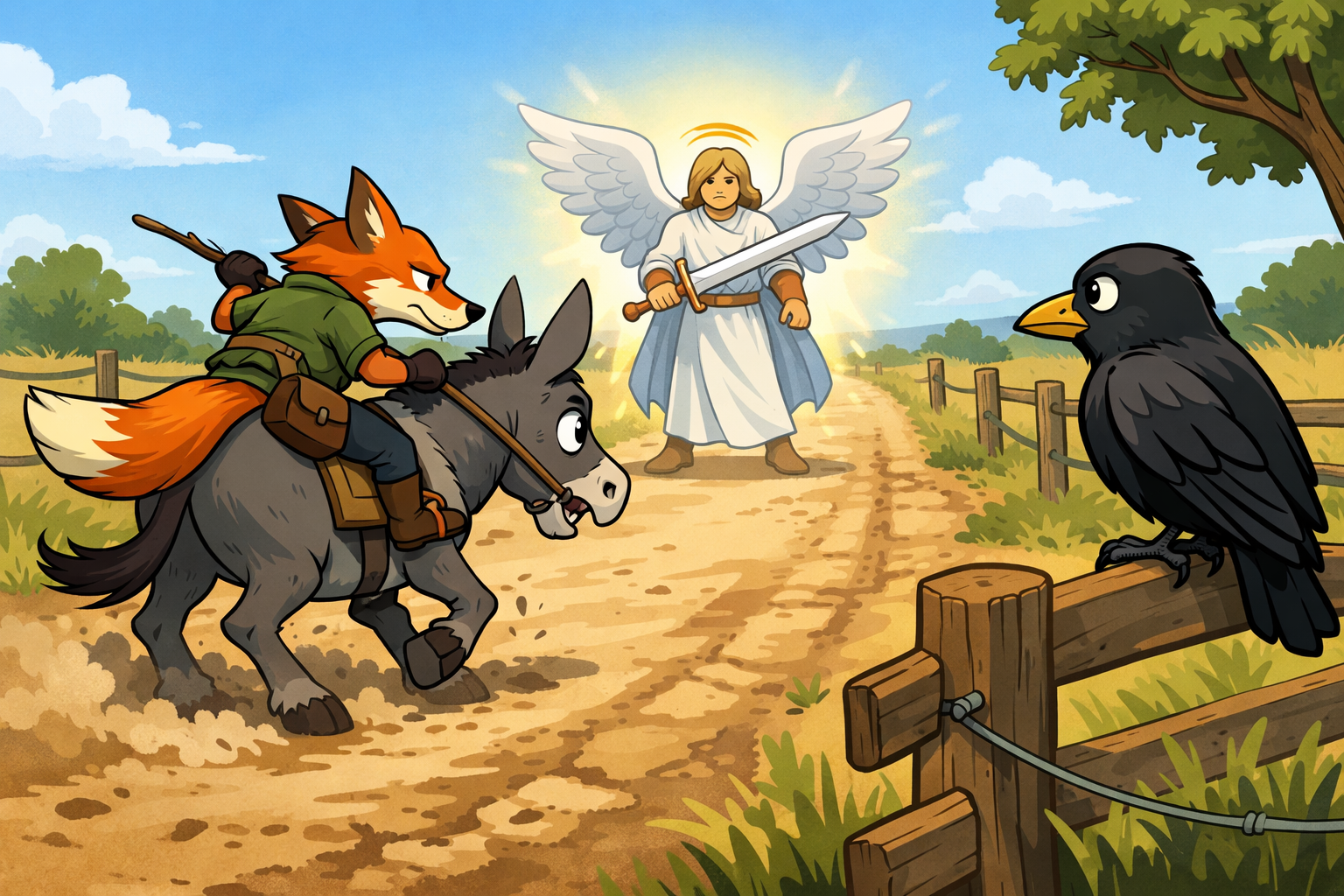
    So God stands in the road against him.

    Balaam doesn’t see it.
    His donkey does.

    Three times the donkey turns aside to avoid the angel with a drawn sword.
    Three times Balaam beats the donkey.

    The only thing keeping him alive is the thing he’s angry at.

    God opens Balaam’s eyes and he finally sees what was right in front of him.

    He was on a road God had already warned him not to go down.

    But he kept asking until he got permission to go anyway.

    And even then, God opposed him on that road.

    That’s the lesson.

    We like to think our problem is that we don’t know what God wants.

    Most of the time, we do. (By most of the time, I mean pretty much all the time.)

    We just don’t like the answer.

    So we ask again.
    We look for a loophole.
    A technicality we can stand on.

    We want God to bless what we’ve already decided to do.

    Sometimes He gives us what we insisted on.

    That is not a blessing.
    That is judgment.

    We get our way.
    We get what we wanted.
    And it costs more than we thought.

    So what do you do with that?

    You don’t need one more conversation.
    You don’t need to “pray about it” again if God has already spoken clearly in His Word.

    You need to decide whether you are going to obey what you already know.

    Turn around while it’s still just a nudge.

    It’s a lot better than having to be stopped by force later.


    P.S. If you’d like to read through the Bible with us this year, you can join at His Word Together.

    No commentary, no telling you what to think.

    Nothing to pay for, nothing to buy.

    Nothing fancy. Just steady time in the Word.

  • Good Enough Beats Perfect in the Real World

    Good Enough Beats Perfect in the Real World

    A lot of people think the goal is to get things perfect.

    Perfect pricing. Perfect marketing. Perfect timing.

    So they wait.

    They revise copy. Adjust the marketing plan. Debate the price another week. It feels responsible. Like they’re doing the work required to get the outcome right.

    Meanwhile the market is moving.

    A buyer who studies listings for six months learns almost nothing. A buyer who makes five offers learns the market very quickly.

    A seller who debates pricing for months gets zero feedback. A seller who lists the property gets reactions immediately.

    Action produces information. Thinking usually doesn’t.

    The market is the only place where learning happens.

    Until something is live, it’s all theory.

    Theory feels safe because it hasn’t been tested yet. A draft can still be perfect. Once the market sees it, that illusion disappears pretty quickly.

    Most deals that actually happen don’t start perfect. They start good enough.

    Then the feedback starts.

    Buyers react. Sellers react. The numbers tighten up. Reality replaces the guesses.

    People who wait for perfect usually watch someone else close the deal.

    Good enough goes to market.

    Perfect stays in a draft folder.


    P.P.S. If you like thinking about land, negotiation, and how these deals really work, you can keep reading here or get the posts by email so they show up automatically.

  • Success Shouldn’t Surprise You

    Success Shouldn’t Surprise You

    I talked awhile back about why brokers aren’t paid by the hour.

    I told a story about spotting a land sale opportunity. A buyer was quietly blocking up acreage in an area I watch. I noticed it, called a friend who owned a tract on the other side, and asked if he would mind if I ran his property up the flagpole.

    A couple calls and a few texts later, there was a closing.

    A good one.

    Of course I was happy about it. Maybe I should even celebrate those moments a little more than I do. Sometimes I think it might be healthy to stop and enjoy them.

    But there’s something about celebrating too much that bothers me.

    If I get too excited and throw out my shoulder patting my own back, what I’m really telling myself is that the success was unexpected.

    And in a narrow sense it was.

    But in a broader sense, it wasn’t unexpected at all.

    The way I operate is designed so that things occasionally “just fall into place.” I spend a lot of time watching land sales, tracking who is buying what, and paying attention to how different players are expanding their positions.

    Because of that, sometimes the right situation shows up.

    I can’t tell you exactly when it will happen, or where it will happen. But I can absolutely tell you that I expect it to happen from time to time.

    That’s the whole point of operating this way.

    So sure, maybe I’ll take my wife out to dinner when a deal like that closes and enjoy the moment. But the next day I’m back at it doing the same things that make the next one possible.

    Reminds me of something I heard about Nick Saban.

    During his run of championships with the Alabama Crimson Tide football, someone asked him how long he allowed himself to enjoy winning a national title.

    His answer was something like, “about a day.”

    Then he went back to work doing the same things he does every year.

    A lot of people hear that and think it sounds miserable. They think he should celebrate longer.

    You’ll also notice that most of those people aren’t as successful as Saban.

    Maybe they’re right and maybe they aren’t. But the reason Saban operates that way is simple: the success didn’t surprise him.

    He expected it.

    And when you expect something, there’s no reason to act like it was a miracle.

    You just go back to doing the things that made it possible.

    You might not think that’s the best way to live a happy life. I think you’d be wrong, but we can disagree about that.

    But when you’re making a decision as consequential as selling your land, there’s a more practical question.

    Who do you want working for you?

    The guy who is so surprised by success that he shuts down for a week?

    Or the guy for whom it’s just another day at the office?


    P.S. If you own land, chances are you’re not planning to sell it today. That’s perfectly fine. But having current information about where the market stands is never a bad idea.

    That’s exactly what the MBR Land Reality Check is designed for.

    It’s a straightforward Broker Opinion of Value based on current listings, real sales, development activity, and the buyers who are actually active in North Texas land right now.

    And it’s free (at least for the time being). No obligation and no pressure to list.


    P.P.S. If you don’t need the Reality Check today but enjoy this kind of thinking, you can get posts like this in your inbox whenever I publish them (usually daily).

  • Your Favorite Self-Help Guru Won’t Like This One

    Your Favorite Self-Help Guru Won’t Like This One

    Anyone who has spent time around personal development books has heard of How to Win Friends and Influence People by Dale Carnegie.

    The advice is pretty simple. Be pleasant to be around. Smile. Show interest in other people. Most people’s favorite subject is themselves, so if you let them talk about it you can make a friend fairly quickly.

    That’s not bad advice as far as it goes.

    Another major figure in that world is Norman Vincent Peale, who wrote The Power of Positive Thinking. His argument was that if you focus on what you can do instead of constantly worrying about what might go wrong, your results tend to improve. People who expect good outcomes generally perform better than people who assume everything will fail.

    There’s truth in that too.

    But somewhere along the line a lot of people took the wrong lesson from it. They started believing that thinking positive is the work. If they visualize success, say the right affirmations, or keep a good attitude long enough, things will somehow fall into place.

    That’s not really how it works.

    I remember hearing Donald Trump say years ago that Peale had a big influence on him. This was around 2017. At the time, you could hardly find anyone willing to say a good word about Trump publicly. Even people who quietly supported him usually kept it to themselves to avoid the argument.

    Yet here was someone who had built a massive real estate empire and had just been elected President of the United States.

    My thought at the time was simple: there is probably something to the mindset he learned.

    And there is.

    But smiling and thinking positive by itself doesn’t get you all the way there. You have to be smiling and thinking positive for good reason.

    Those reasons usually come from work that was done long before the moment arrives.

    Over the years I’ve built systems around land brokerage. I spend a lot of time studying land values, watching who is buying what, and paying attention to what kinds of properties different builders and investors actually want. When a landowner calls to talk about selling, I can usually tell them what to expect before the process even starts.

    If a tract shows up that’s a good investment, I can often recognize it quickly and know who it might fit.

    If waiting is the better move, I can tell someone that too.

    When you have that kind of experience and preparation behind you, it’s a lot easier to be friendly and positive. Not because you’re forcing yourself to think happy thoughts, but because there are good reasons to believe things will work out.

    Positive thinking works best when it’s supported by preparation. Confidence is a lot easier when you’ve already done the work that makes confidence reasonable.


    P.S. If you own land, you’re probably not ready to sell today. And that’s great. But being prepared with current info is smart. Is it a bad idea to know where things stand?

    That’s what the MBR Land Reality Check is for.

    It’s a straightforward Broker Opinion of Value based on current listings, real sales, development activity and the buyers actually active in North Texas land today.

    And it’s free (for now). No obligation, no pressure to sell.


    P.P.S. If you don’t want or need the Reality Check today but enjoy this kind of thinking, you can get posts like this in your inbox whenever I publish them (usually daily).

  • You May “Know,” But Do You Know?

    You May “Know,” But Do You Know?

    Understanding something in theory is useful.

    But theory isn’t the same as knowing what to do.

    Understanding what’s happening in the market around your land is theoretical knowledge. Sales. Listings. Prices. Buyer activity. Development pressure. All of that is information.

    Knowing what it means, and what to do with it, is applied skill.

    And like most applied skills, it’s better to develop it before you actually need it.

    Or find a trusted advisor who will be on your side when that time comes.

    Because life changes quickly. What you expect the next six months to look like today might look very different tomorrow. Health changes. Jobs change. Kids move. Opportunities appear. Problems appear.

    We all know this. We just prefer not to think about it too much because it reminds us how little control we actually have.

    Most landowners aren’t planning to sell. That’s normal. In fact that’s the default.

    Sometimes people even call me after getting one of my letters just to tell me they would never sell their land. Thank you very much. Like I asked them to sell a kidney.

    And then six months later the property is on the market.

    Sometimes listed by me.

    You don’t have to decide anything today. You may never have to make that decision. But if the day ever comes, it helps to already understand the terrain.

    Is there any downside to learning?


    P.S.- For landowners who would like to get the most current info on things affecting their land and its value, I’ve created the MBR Land Reality Check.

    It’s a professional Broker Opinion of Value based on current listings, recent sales, and what buyers are actually doing in your area. And more.

    It’s free today (tho it may not always be). And never any pressure to list.


    P.P.S. If you don’t need the Reality Check today but enjoyed reading this, you can get these in your inbox whenever I publish them (usually daily).

  • You Can Want It to Happen. You Can’t Make It Happen.

    You Can Want It to Happen. You Can’t Make It Happen.

    You can want a deal to close.

    You can need it to close.

    You can structure it cleanly, communicate clearly, respond quickly, keep everybody calm, solve problems before they become problems.

    And it still may not happen.

    That’s the part people don’t like.

    All you really control is your side of the table.

    You can approach it honestly. You can do the homework. You can try to structure it in a way that works for everyone involved.

    Sometimes that’s enough, sometimes it isn’t.

    Sometimes the other side just won’t move.

    Sometimes they want to — but they can’t.

    Financing changes. A partner gets nervous. A spouse has doubts. A lender tightens up. Numbers stop penciling.

    Sometimes it just dies.

    We tend to equate results with success.

    If it closed, you were right.
    If it didn’t, you failed.

    That’s too simple.

    You can handle something poorly and still get lucky.

    You can handle it well and still watch it fall apart.

    Years ago, Earl Nightingale defined success as the progressive realization of a worthy ideal.

    Not the trophy.

    The pursuit.

    In brokerage, if you conduct yourself with discipline, competence, and integrity, you’ve done your job.

    The result is influenced by too many variables you don’t control.

    That doesn’t make losing easier.

    But it does keep you sane.

    If you tie your identity to every closing, this business will grind on you.

    Focus on the process.

    Do your part well.

    Let the rest land where it lands.

    Over time, the math works.


    P.S. If you own land, you might not be ready to sell today.
    But clarity should come before urgency.

    That’s what the MBR Land Reality Check is for. A grounded look at where you actually stand, based on real sales and real demand.

    No cost. No obligation. Just clarity before decisions.


    P.P.S. Not ready for that?

    You can still enter the circle.

    I write about how land really trades, how deals come together, and sometimes how they don’t. If you want those notes in your inbox,