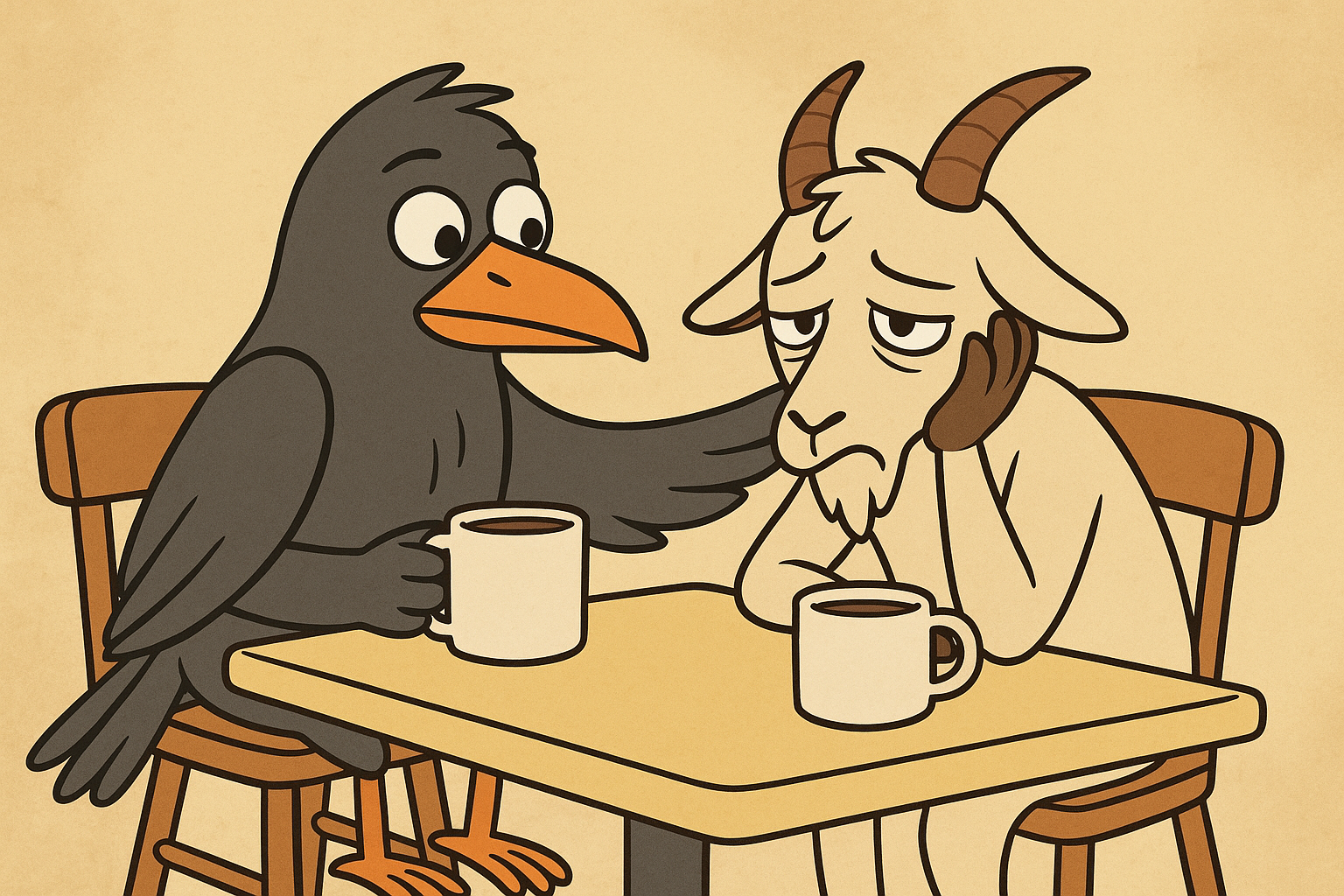
Grace covers sin — it doesn’t excuse it (lucky for you).
Christians say “all have sinned and fall short of the glory of God,” but we don’t really mean it.
What we usually mean is something closer to:
“All fall short… but some fall way, way shorter than me.”
It’s amazing how consistent we are about this.
If I don’t struggle with some particular sin, then that sin magically becomes the “big one.”
The one that ruins people. The one that’s absolutely unacceptable.
But the stuff I struggle with?
Well, that’s different, you see.
That’s “human weakness,” or “a tough season,” or “something I’m working on.”
We treat sin like a menu:
- The sins I’m not tempted by → “terrible, awful, society-destroying”
- The sins I fall into → “relatable, understandable, complicated”
It’s convenient. It’s comfortable. It keeps us feeling righteous without actually being righteous.
The Bible doesn’t draw those lines.
Jesus didn’t tell the Pharisees, “You’re doing great — at least your sins don’t look like theirs.”
Paul didn’t write, “Here are the respectable sins that don’t really count.”
Sin is not measured by how socially acceptable it is or how well it lines up with our own strengths.
Sin is measured by the holiness of God — which means every one of us is on the wrong side of the line.
The gospel levels the field.
We don’t get saved by avoiding the sins that never tempted us.
We don’t get points for being naturally moral in areas where someone else is naturally weak.
We need grace for all of it — including the sins we pretend are small and including the judgment we pass on sins we simply don’t prefer.
After you were saved, you didn’t magically stop sinning but you don’t lose your salvation.
It works that way for people who struggle with things that you see as way worse than your minor sins too.
Humility starts with remembering this:
All sins fall short of the glory of God.
And grace is the only reason any of us stand at all.
Leave a Reply