We get used to it a lot faster than we should.
During the week I often write things on here about how getting off your phone can be a positive in your life. So while I was scrolling YouTube videos recently I landed on an old R.C. Sproul clip. Story from early in his teaching career.
First day of the semester, 250 freshmen, three term papers due over the course of the year. He laid it out. Papers are due on these dates. Miss one and you get an F, no exceptions except a hospital stay or a death in the family. Everybody nodded along.
First deadline came and most of the class had their papers. About 25 didn’t. They came in trembling, explaining they hadn’t made the adjustment from high school yet, could they just have a few more days.
He gave them three days. They thanked him like he’d saved their lives.
Second deadline. This time 50 didn’t have it. Midterms, homecoming, the usual excuses. He reminded them what he’d said the last time. They knew. They asked anyway. He gave them three more days, a little more reluctantly, and the class actually sang to him. He was the most popular professor on campus.
Third deadline. 150 out of 250 walked in with nothing, cool as you like, figuring here we go again. One of them, a Marine veteran, strolled up and said something like happy days, don’t worry about it prof, I’ll have it in a couple days.
Sproul pulled out his gradebook and started going down the list. No paper. F. No paper. F. No paper. F.
Somebody in the back yelled that it wasn’t fair.
He asked who said that. A kid named Fitzgerald owned up to it. Sproul asked if he remembered being late the first time around, the one Sproul had let slide. Fitzgerald said yeah. Sproul said, if it’s justice you want, it’s justice you’ll get, and changed that grade to an F too.
The room went dead quiet.
Nobody else wanted justice after that.
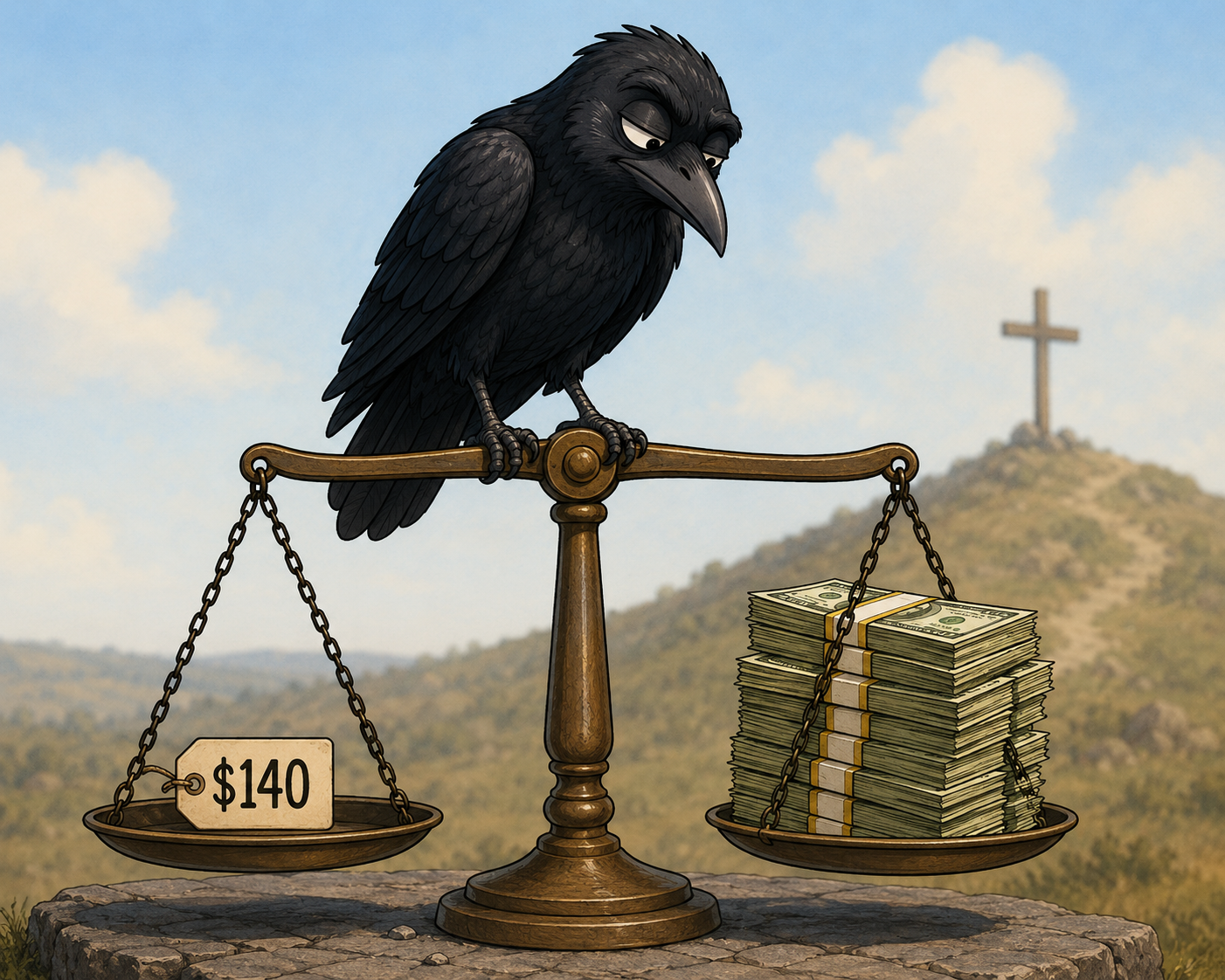
The first time around, they were amazed by the grace. The second time, they expected it. By the third, they’d talked themselves into believing they were owed it.
That’s not a college freshman problem. That’s just what happens to a person given room to keep failing without a bill coming due.
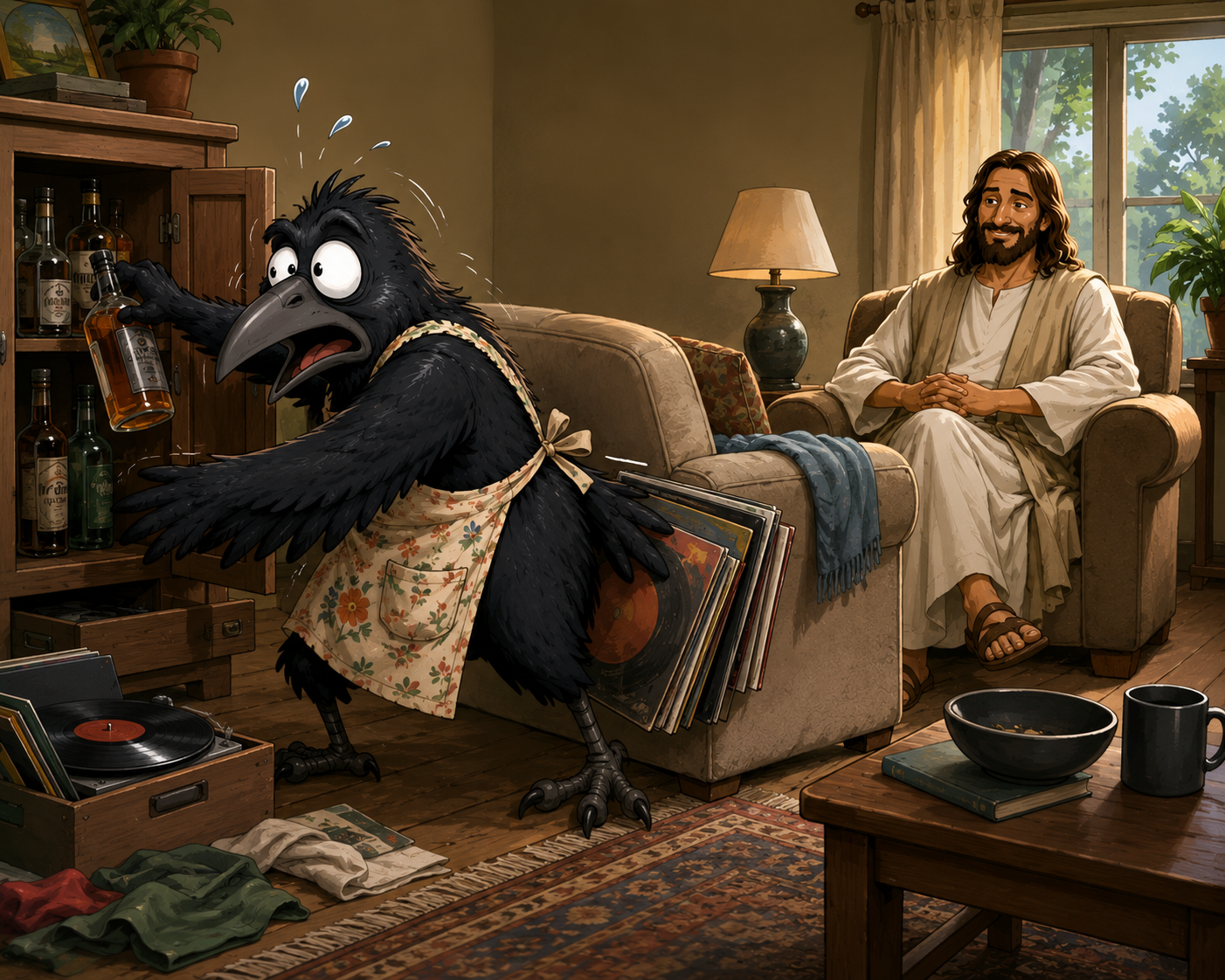
I know exactly how the gradebook would read if it were kept on me. Not because I’m out here doing anything dramatic or terrible by our standards. Just the regular stuff: things I already know I shouldn’t do and do anyway, or having a little too short a fuse at times. I’ve been forgiven for the same handful of things enough times that part of me doesn’t treat it like a big deal anymore.
Because if it’s already covered, it’s already covered. Why does it matter then?
None of this means we’re going to stop sinning. We won’t. That’s the whole reason we need grace in the first place.
But there’s a difference between failing at something you’re trying to resist and deciding it doesn’t matter much because the debt’s already handled.
One is a reason to be grateful for grace. The other is Fitzgerald, standing up in the back of the room, forgetting there was ever a first paper.
Grace is a miracle that we don’t deserve. We shouldn’t stop noticing.
P.S.
If you’d like to read through the Bible this year, you can join us at His Word Together.
No commentary. No telling you what to think. Nothing to buy. Nothing fancy.
Just steady time in the Word.