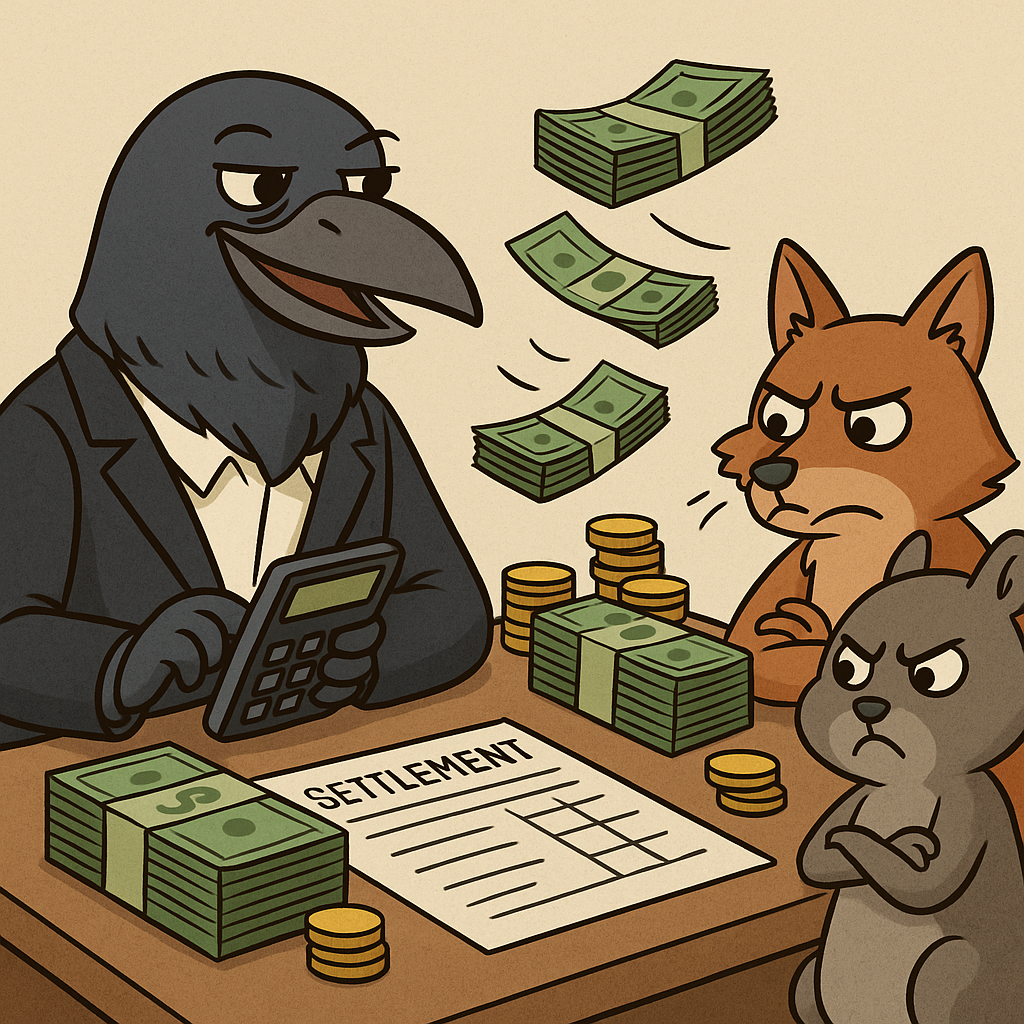
You lose if you make them feel like they lost
People tend to be loss averse. Losing money hurts about twice as much as gaining the same amount feels good.
If you lose $1,000 in the stock market, you’d need to make $2,000 back just to “feel even.”
It sounds irrational, but it’s probably by design. If we treated gains and losses the same, we’d take way more risks — and a lot fewer of us would live long enough to regret them.
Rational or not, it pays to understand loss aversion when buying or selling real estate.
The more we think about this stuff beforehand, the better our chances of making smart decisions instead of letting our lizard brains run the show.
One thing to remember: the idea of who pays what in transaction costs is mostly semantic.
If you order a survey or an HOA certificate during escrow, someone’s on the hook for it even if the deal doesn’t close, so we want to be clear about that upfront. But if the deal does close, it doesn’t matter nearly as much.
The buyer brings money to the table, costs get paid, and the seller walks away with what’s left. From a legal perspective, it matters whether the money comes off the top before it reaches the seller or after.
From a bottom-line perspective? Same result.
You can frame it however you want mentally.
You can say the buyer pays everything because it’s their funds, or you can say the seller pays and picture it carved out of their pile before they walk out the door.
Picture it so the other guy is paying if it makes you feel better.
But remember this, the other side probably isn’t thinking this way. While you’re focused on the bottom line, they’re keeping score — and not in a rational way. Every transaction cost you try to push on them, they’ll subconsciously need to “get back” double somewhere else to feel okay about the deal. And if you try to stick them with a $2,000 expense, it typically bothers them more than if you just negotiated the price $2,000 higher.
This is why those “land acquisition” outfits always brag about paying all closing costs in their letters. It removes one more source of resistance and makes their lowball offers easier to swallow.
So what do we do?
First, focus on your bottom line. Don’t get distracted by line items above it.
Second, use this psychology to your advantage. Adjusting price usually carries the least resistance. If you’re selling, buyers expect you to counter higher anyway. If the bottom line’s too low, bump the price and let them “win” on some expenses instead.
They’ll feel like they’re getting something, even if the math says otherwise.
From a rational perspective, it’s all the same. But people aren’t rational.
I know I’m giving away part of the playbook here — and that’s intentional. Most agents don’t understand these psychological levers, and if yours doesn’t, you’re the one leaving money on the table.
And no, I didn’t tell you everything. To see the rest, you’ve got to see it in action — no extra charge for the negotiating knowledge.
Just don’t skip the most important part: knowing your numbers ahead of time. That’s what puts you in control and tells you when to move.
Is it a bad time to start finding out?
Got a lot you might want to sell?
Get a FREE, no obligation report on what it could sell for today.
Get Your Lot Valuation
Own land instead?
Get a report for that here:
Get Your Land Value
Just a glutton for punishment?
Sign up now to get more articles like this in your email.
Sign Up Now
Leave a Reply