Tag: Honest Realtor

  • “Yes” Isn’t Our Friend

    “Yes” Isn’t Our Friend

    The quickest way to clear the air is when someone feels OK saying “NO!”

    Would you be opposed to me sharing a story?

    Assuming you said “no” and you’re still reading—thanks.

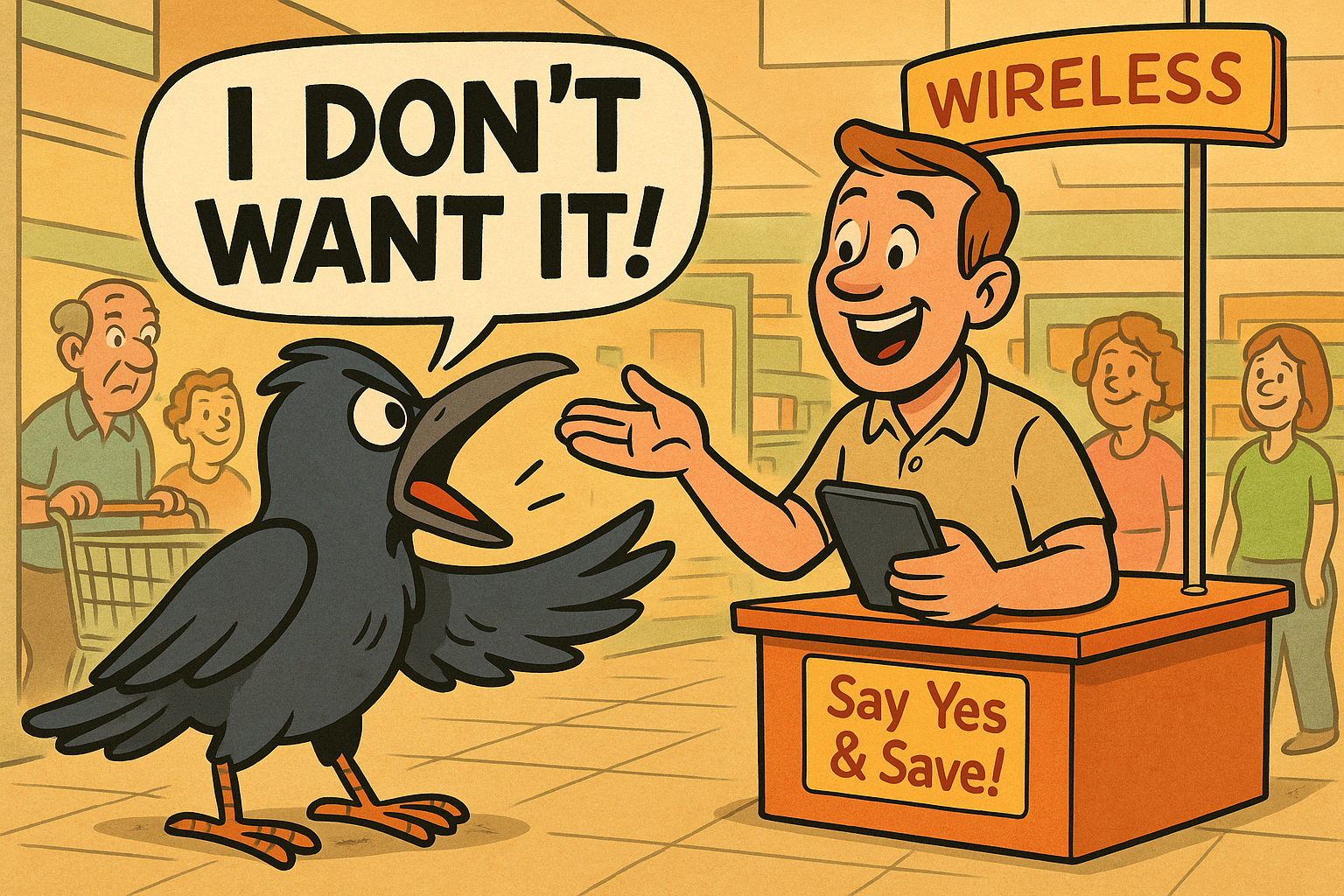
    I was in a store just now, minding my business. There he was strategically posted near the checkout:

    Wireless Guy.

    Standing at a kiosk, holding a tablet, ready to pounce. He locks eyes with me and is about to hit me with:

    “Who’s your wireless provider?”

    I already know where it’s going.

    If I answer that, the next question will be:

    “Would you like to save money?”

    Who wouldn’t?

    Being an honest guy, I’m not going to lie. So if he asks, I pretty much have to say yes.

    Which is exactly what he’s counting on. Because then comes:

    “Let me show you something…”

    And just like that, I’m trapped.

    Of course we all want to save money. But nobody wants to make quick decisions about confusing cell phone plans while their head’s in the grocery list. Yet they keep dragging people down that road—one we all hate.

    Even the salesman, I bet.

    I’ve found a enertaining way to deal with it. Assuming I can’t avoid the guy entirely, when he locks eyes with me and starts to speak, I smile, look him in the eye, and say loudly:

    “I DON’T WANT IT!”

    Aggressive, but kind of joking. But not really.

    They usually laugh. I think they appreciate the honesty.

    And if not? Well… one for the people.

    Customers nearby seem to enjoy it too.

    Here’s the thing: That exact same tactic gets used in real estate.

    Only difference is, the agent’s usually wearing a nicer shirt.

    It’s called momentum selling, or “getting to yes.”

    The idea sounds clever:

    If someone says “yes” three or more times, they’re more likely to say it again—even to a bigger ask.

    Here’s how it plays out in real estate:

    • “Are you thinking about selling?” (yes)
    • “Would you like to get the most money possible?” (yes)
    • “Do you want a strong negotiator working for you?” (yes)
    • “Then I’d love to handle the sale for you.”

    It works on paper. But in real life?

    It makes people feel cornered.

    We’ve all been in high-pressure situations like that. Even when you say yes, something inside you resists.

    It doesn’t feel like a real conversation. It feels like a trick.

    And tricks don’t build trust.

    Are you opposed to hearing how I’m different?

    • I don’t use scripts.
    • I don’t run you through yes-traps.
    • I’m not trying to lead you into a “yes” just because you said it three times already.

    I actually want you to feel safe saying no.

    Why?

    Because this isn’t about getting you to agree with me.

    It’s about giving you the space to make a clear, confident decision that’s right for you.

    You’re in charge. I’m just here to offer honest info, real perspective, and zero pressure.

    If we end up working together, it’ll be because you wanted to—not because I worked some script on you.

    Is now a bad time to hear what the market’s doing and what your land might be worth today?

    If not, see the links below.

    Or if you’d rather, yell “I DON’T WANT IT!”


  • Not Urgent (Still Important)

    Not Urgent (Still Important)

    This might be the biggest difference between the land and housing markets.

    I talk a lot about how lots and land are different than houses.

    It ain’t rocket science—maybe more like metric vs. imperial.

    Most people are fluent in one and just kind of get by with the other. You can use converters if needed, but when it matters, you want someone who knows their stuff.

    One of the biggest differences has nothing to do with the property itself.

    It’s urgency.

    With houses, there’s usually some kind of pressure.

    Job transfer. New baby. Empty nest. Divorce.

    You have to make a move—maybe not today, but soon. That’s why residential agents get away with using so much pressure. Sign here. Commit now. Don’t talk to anyone else.

    You don’t love that. But what are you going to do? The next agent’s the same. And honestly, you do need to get things moving. Just grin and get it over with. (If you’re from Texas and old enough to remember Clayton Williams, raise your hand).

    Land’s not like that.

    If you own a piece of land, you probably don’t need to sell it. You’re not living on it. There’s no deadline.

    Maybe it makes sense to sell under the right conditions. But if the market isn’t right, or the offers aren’t there, you can wait.

    And in North Texas, waiting has usually been the smart play.

    Same goes for buyers. They may like your property, but after driving past 20 miles of open fields and for-sale signs, they’re not exactly feeling a sense of scarcity. There’s (almost) always another option.

    So land is lower urgency. Not lower stakes, but definitely slower pace.

    That means you don’t want a high-pressure, glad-handing agent who treats every lead like it’s the last one on earth. Those types make the experience worse—even if they don’t screw up the outcome.

    You need someone who knows land. Someone used to the long game. Someone who doesn’t try to force every deal.

    (Hi.)

    Ideally, someone who does enough business that they’re not relying on your deal to buy grocieries.

    (Still here.)

    The tradeoff? I won’t text you back at midnight. I’m not glued to my phone. But I’ll respond. Just be patient.

    I know that’s not what you hear from most agents. But ask yourself—do you really want to work with someone so desperate for business they do respond at all hours?

    Didn’t think so.

    And just like I don’t want clients who act like they own me 24/7, you probably don’t want a broker who acts like a lapdog.

    The best brokers can afford to work with the best clients—people who treat others right.

    If that’s you, let me know when you’re ready.


  • Make the Right Decision. Or the Wrong One. Up to You.

    Make the Right Decision. Or the Wrong One. Up to You.

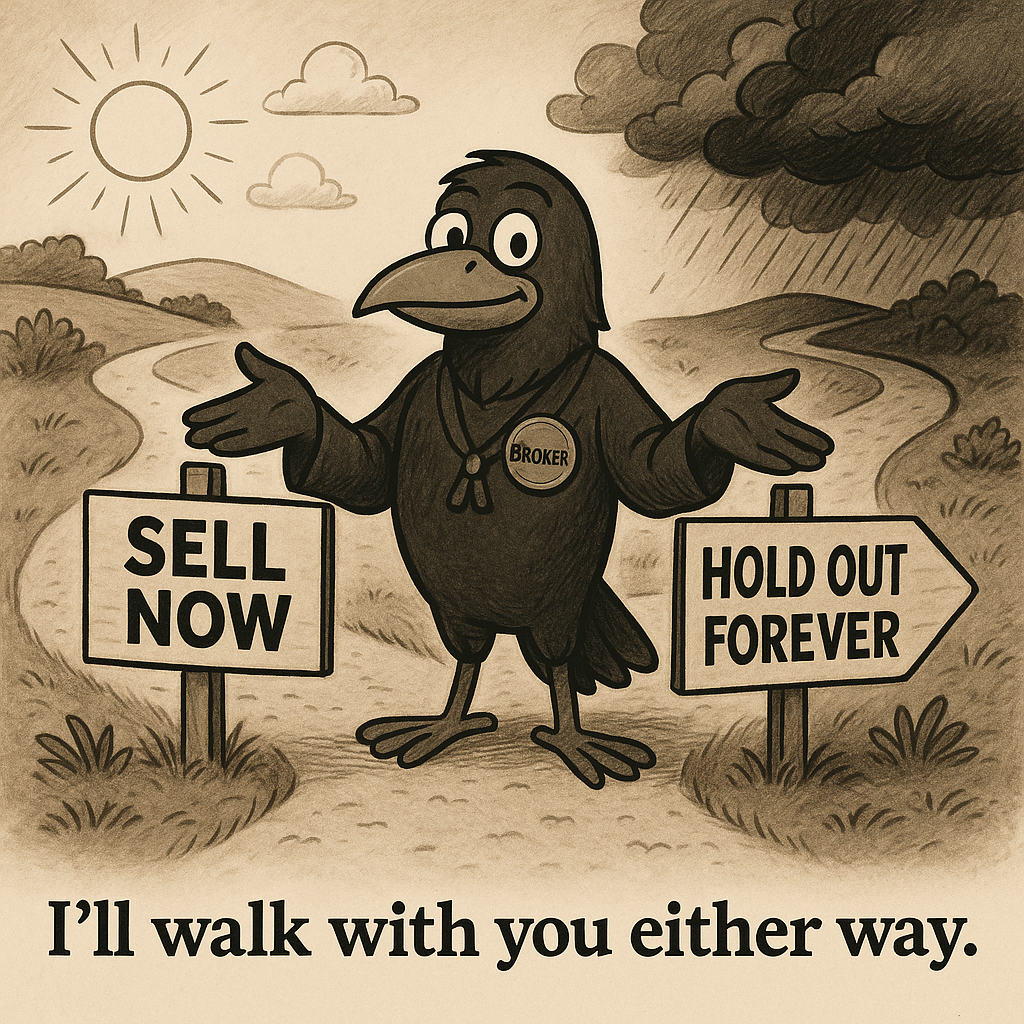
    At the end of the day I’m here to do what you want.

    You ever try to take responsibility for someone else’s decision?

    I have. Never again.

    There’s a trap we fall into in real estate—especially when we care. We want to fix everything. We think if we just push hard enough, if we carry the stress, if we nudge the client toward the “right” call, they’ll thank us in the end.

    They won’t.

    Push too much, and they’ll resent it. Even if you’re right.

    Take the client from yesterday’s post—older guy, smart, tough, and mad as hell at the way the city had treated him. His land, right next to a growing airport, had been undervalued, boxed in, and slow-played for years. The city had basically tried to wait him out.

    Sickening, if you ask me.

    Then the plans shifted. His land got valuable again. But years of being jerked around left him in one mindset: get every penny, no matter how long it takes.

    Problem was, the clock was ticking. He was 84. Health wasn’t great. Selling now meant walking away with millions—money he could enjoy today. Holding out might get him more, if everything lined up.

    But his desire to not leave a penny on the table was on track to leave him with no pennies at all.

    He was trying to get back at the city—but in doing so, he was probably only hurting himself. The folks he was mad at didn’t even know who he was anymore. The people who’d jerked him around the worst? Long gone.

    Instead of doing what was best for him, he was trying to stick it to someone who wasn’t even paying attention.

    We’ve all done this. And if you’re honest, it never works out for you.

    So what did I do?

    I gave him the numbers. The roadmap. My honest take.

    And then I stepped back.

    Did he come around immediately? No. But after awhile he realized he should change directions.

    I’ve learned the hard way—if I make the decision for you and it goes wrong, you’ll blame me. And if it goes right, you still might resent me.

    That’s a lose-lose.

    So here’s how I work: I advise. I explain. I might push you to look at the thing you’re avoiding.

    But the decision? That’s yours.


    And I’ll support you either way—because it’s yours.

    It lets me sleep at night. I don’t carry guilt for things outside my control. I can’t rewrite a zoning rule or force a faster buyer. But I can bring the facts, show you the data, be honest, and fight for you when it’s time to negotiate.

    You’re the one who has to live with the outcome. You’re the one who cashes the check—or doesn’t.

    And if you feel like I made the call, you’ll question every part of it later.

    Neither of us needs that.

    I don’t promise outcomes. I promise effort. And honesty. And no B.S.

    If you want someone who respects your right to make your own decisions—and treats you like a grown adult the whole time—let’s talk.

    Otherwise, there are plenty of folks who’ll just tell you what you want to hear.

    Avoid the tough stuff.

    Hope it “works out.”

    Until it goes sideways.

    Then all bets are off.


  • You Gotta Make Your Own Decisions

    You Gotta Make Your Own Decisions

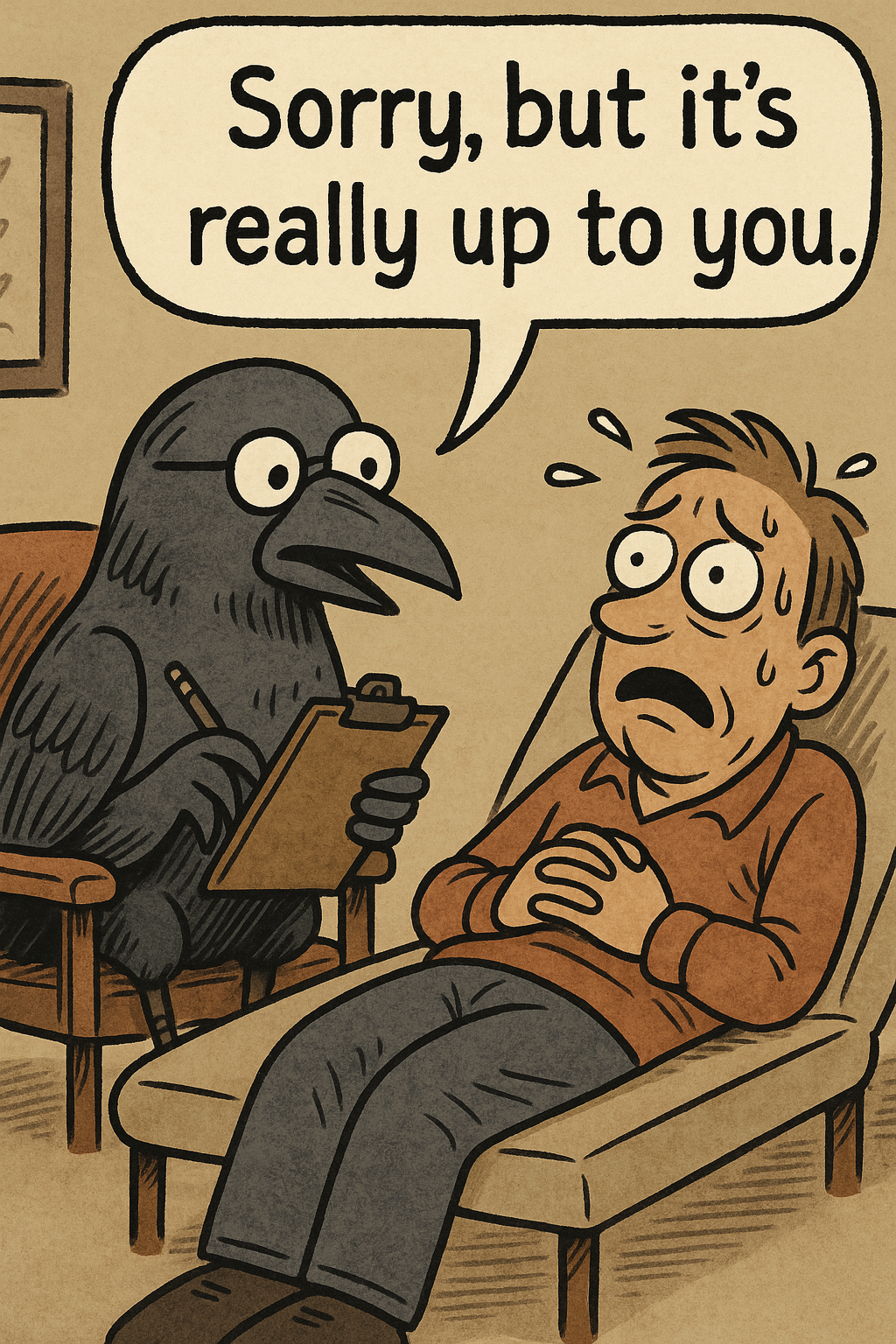
    I’ll advise (and even hold your hand), but it’s really up to you

    I had a client once who’d been steamrolled by his city for years. His land sat near a growing airport, and when they built a new runway, it pointed right at his house. You could practically read the name tag on the pilot’s chest as planes buzzed overhead.

    Wasn’t great, but it was manageable—at first.

    Then the city exploded in population. From 40,000 to over 200,000.

    That runway got busier and louder. And worse? They decided to extend it. The initial plan would’ve made his land undevelopable. Worthless, basically.

    The city would technically need to buy it—but since no one else was going to, they had zero urgency.

    They dragged their feet. Lowballed him. Treated him like dirt.

    Eventually, the plan changed, and his land regained value. But by then, he was fed up. Wanted every last penny out of it when he sold. Couldn’t blame him. He was gonna get his.

    Except—more delays. Roads, utilities, more city slowdowns. The land had potential, but was still a little green. Meanwhile, the guy was 84, not in great health, using a walker, not very mobile. From where I sat, it made more sense to take really good money now—$7+ million with no contingencies—than hold out 2–3 years hoping for maybe $8.5 million that he might not live to see or enjoy. And that would involve the stress and anxiety of waiting for a developer to get their approvals.

    That was a tough conversation. But it was his decision. I laid out the facts. I showed him the options. I gave my honest take. And then I backed off.

    Eventually, he came around. And he was glad he did.

    Here’s the point: I don’t make decisions for my clients. I can’t. And I shouldn’t. That’s your job.

    I work for you, not the other way around.

    I’m here to give you the real picture, not promises. I don’t control the market, or the city, or the weather. I can’t force anyone’s hand—not yours, not a buyer’s. But I can give you solid advice, grounded in experience and facts, and help you make the best decision for your situation.

    Not only that, but let you make the decision, and support you.

    I’ve learned this the hard way. Early on, I tried to solve everything, carry the burden, push people toward the “right” move.

    Disaster.

    Even if the outcome was good, they resented me for pushing. And if it went sideways? That’s on me now.

    No thanks.

    I’m not responsible for the outcome. I’m accountable for doing what I said I would—professionally, diligently, and honestly. If you want someone to make decisions for you, hire a guardian. If you want someone to shoot straight and help you weigh your options like an adult, that’s me.

    So when we work together, know this: I’m not selling you certainty. I’m offering clarity.

    And the decision? That’s yours.


  • Telling You Everything You Don’t Want to Hear

    Telling You Everything You Don’t Want to Hear

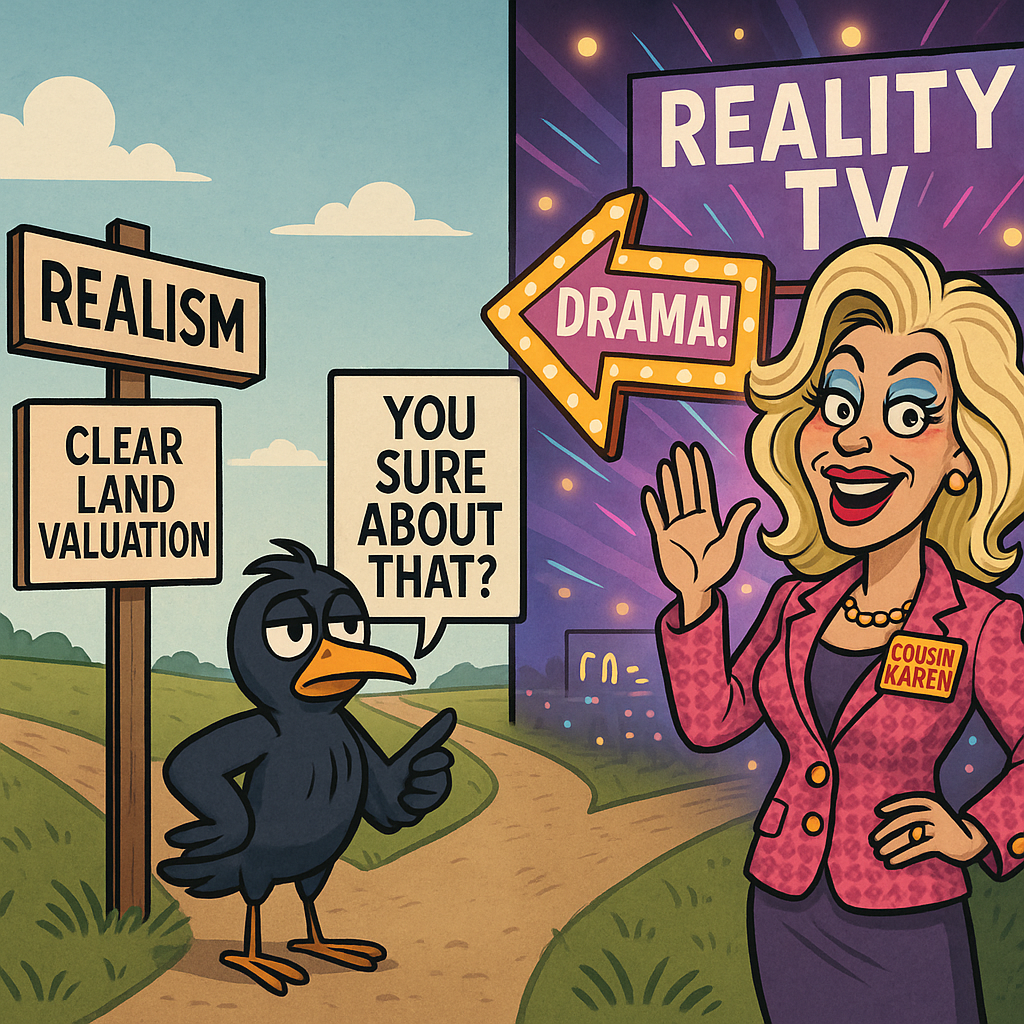
    Do you want realism—or reality TV drama—from your agent?

    Whenever you meet a real estate agent, or a salesman of any type for that matter, you’re probably going to get a long spiel about all the reasons that person thinks you should work with them.

    It can be a little off-putting, having someone tell you how great they are when you didn’t really ask.

    Especially when, let’s be honest, if you’re even seriously looking for an agent, you’ve probably already just about made up your mind who you’re going to use.

    Sure, you want to cover your bases and talk to more than one person or company. But in all honesty, you’re really just doing what you think you ought to—what a book might say to do.

    To me, the reasons someone might not want to work with me are even more important.

    Because here’s the deal: if we’re not a good fit, let’s figure that out early—before anyone wastes time, money, or patience.

    I charge full commission.

    I’m responsive, but I don’t live on-call.

    I’m not afraid of hard conversations. I’m not going to coddle you, and I’m not going to lie to you—not by commission, and not by omission.

    That means sometimes I’ll tell you things you don’t want to hear. But I know (even if you don’t yet) what you really don’t want is to be blindsided.

    When something goes sideways—and in real estate, something almost always does—you want to know that at least we were prepared for the possibility.

    Because if I don’t mention a potential issue, and it pops up later, you’ll start wondering:

    • Did I not know it could happen? (Not a good look.)
    • Or: Did I know, and just not tell you? (Even worse.)

    Either way, your trust in me takes a hit. And once trust erodes, the rest of the deal gets real rocky real fast.

    This isn’t “brutal honesty.” This is transparency.

    I’ve found that the kind of people I like working with appreciate it. They’re grown-ups. They’d rather hear the full story upfront and get mentally ready for a few bumps than get lured in with sunshine and unicorns and then get sucker-punched by reality.

    If that level of real talk turns someone off? Good. They probably weren’t ready to make a move anyway.

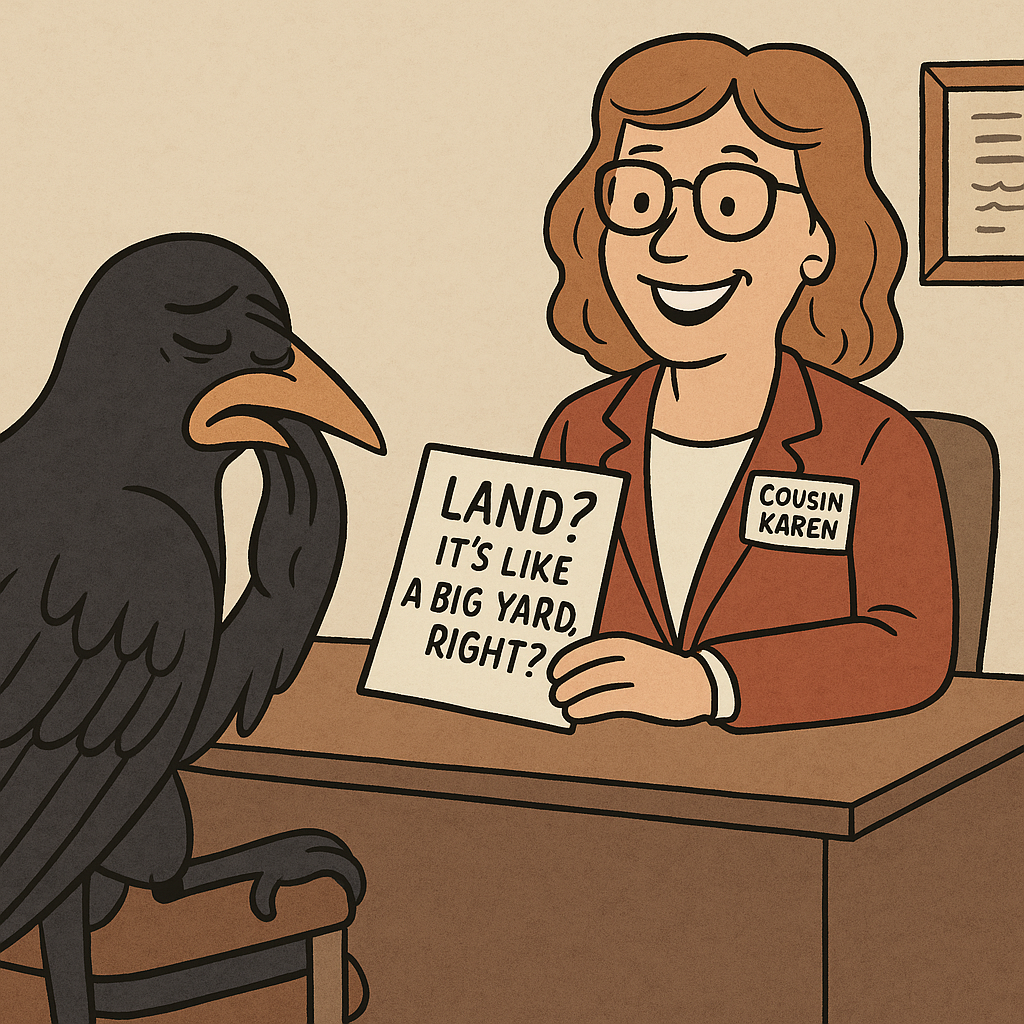
    Or they have already decided to use Cousin Karen, and that’s ok too. These transactions are major events in someone’s life, and you need to be working with people you trust. And if you can’t trust family, who can you trust?

    I would say me, but of course I would.

    Real estate isn’t smooth sailing from listing to closing. It’s a process that can go well—if we plan, communicate, and stay grounded in reality. But there are unknowns, slowdowns, appraiser opinions, weather, buyers with cold feet, boundary quirks, lender red tape… you name it.

    My job is to help you navigate all that with your eyes wide open. No flinching, no sugarcoating, no surprises.

    And if something comes up I’ve never seen before? I’ll let you know what’s coming—or what might come—as soon as I see it.

    If you want someone who’ll tell you what you want to hear, I’m not your guy.

    But if you want someone who’ll tell you the truth—even when it’s uncomfortable—then let’s talk.


  • Focus On What Matters

    Focus On What Matters

    Is the Seller Really “Paying” for Anything?

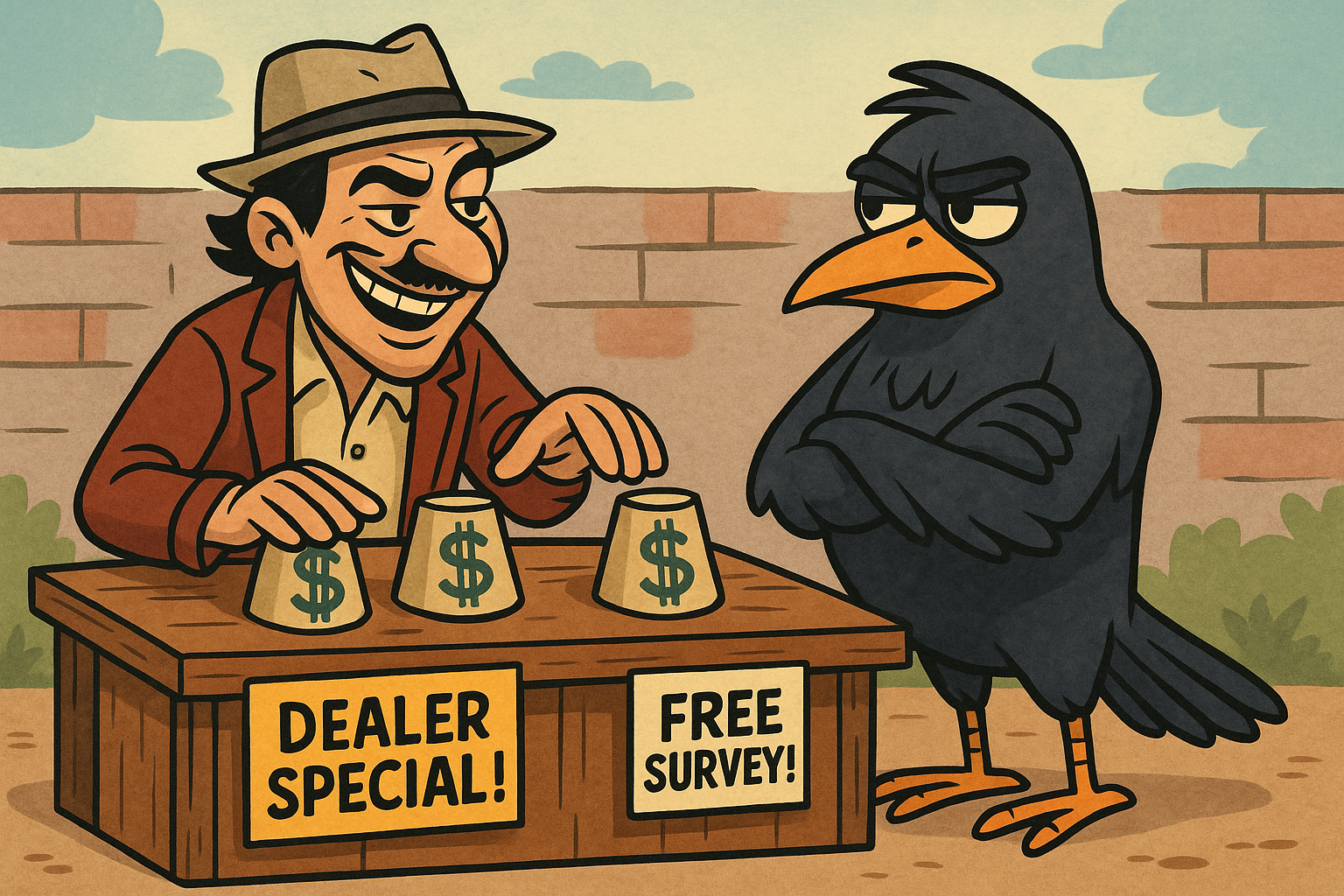
    I know I compare real estate negotiations to car lot deals a lot—but there’s a reason. Most people go through more car purchases than home sales in their lives. And while they aren’t identical, the dynamics can be surprisingly similar. Especially when fast talk and fuzzy math make it feel like the only people winning are the salespeople or agents.

    We’ve all had that moment on a car lot where the salesperson hypes up the amazing price you’re getting, or how much they’re giving you for your trade. They talk in circles, and by the end of it, you’re not sure what just happened.

    Here’s a simple way to cut through the noise:

    The only number that matters is the difference between the price of the new car and the value of your trade.

    That’s your bottom line—the amount you’re actually coming out of pocket (cash or financed). Forget how they slice and dice it. That one number tells you if it’s a good deal or not.

    A few years ago, I went to CarMax before visiting a dealership. They offered me $10K for my trade. I figured if I could get the new vehicle for $40K, I’d be financing $30K.

    At the dealership, I negotiated and got the deal I wanted—$30K difference. But when I looked at the paperwork, they had listed my trade at $14K and the truck at $44K.

    Did I care? Not a bit. The bottom line was still $30K, which is what I’d set out to spend. They got to show a higher sale price; I got the deal I wanted. Everybody wins.

    Same thing in real estate.

    Deals often go sideways because people start bickering over who’s “paying” for the survey, the HOA fee, or some other line item. But here’s how it actually works (not always in this order):

    1. Buyer (and/or their lender) wires money to the title company and signs paperwork
    2. Seller signs paperwork
    3. Expenses are paid
    4. Seller gets what’s left

    “Who pays what” is mostly just semantics. In reality, the buyer is the only one bringing in new money. All closing costs are paid from that pool. The seller might “pay” some costs, but only with funds they received from the buyer’s money.

    So what does that mean?

    Focus on your bottom line.

    If you’re the seller and the amount you’re taking home is what you expected—or better—don’t get bogged down in the minor stuff.

    Sometimes it helps the deal move forward if the seller “pays” certain buyer costs—like a survey or title policy. That’s fine. Just build it into the price upfront. Then pay those costs at closing. (And where it makes sense, write the contract so the buyer covers those costs if they back out.)

    Do it right, and the buyer feels like they’re getting something extra—while you still walk away with everything you wanted.

    All because you focused on the number that actually matters: your bottom line. Not the noise above it.


  • It’s Not Final Til It’s Funded

    It’s Not Final Til It’s Funded

    Until the money is in your account, it’s not a sure thing

    One thing I always try to impress upon seller clients: don’t start thinking about the money hitting your bank account until it actually does.

    Easier said than done, I know—but at the very least, don’t start planning for it.

    I’ve had to learn that myself as a broker. Until a commission actually lands in your account, anything can happen.

    Here are three examples—just from the past year:


    • McKinney Tract to a Developer

    I helped a family contract a small tract near the McKinney Airport to a developer. The price was strong—but he needed time for city approvals. I warned the seller: the city might make it too expensive and kill the deal.

    The offer was good enough that even a 50/50 shot seemed worth it. But the seller started daydreaming about the money and talking like it might close early. I told him to pump the brakes.

    Sure enough, the city came in with unreasonable demands, and the buyer walked.

    We eventually sold it to an investor at a lower price. I think the seller learned something—but maybe not quite enough.


    • Sherman Lot Development

    I brokered a lot development deal in Sherman. This one was further along—both sides had signed closing docs, and all we were waiting on was the equity partner to wire funds.

    Then… radio silence.

    They didn’t even call to say they changed their minds. We had just spent a couple of hours the day before cleaning up docs to their liking—they gave no hint of hesitation.

    No wire. No closing.

    We eventually salvaged the deal with another group a few weeks later. But that was the closest I’ve come to a deal dying after signing. I even caught myself mentally cashing the check—rookie move.


    • Central Texas Ranch – Buyer Side

    I was representing the buyer on a beautiful ranch in Central Texas. The sellers signed their docs early. Everything looked good—until our buyer’s attorney flagged a problem with the deed.

    It looked fine to me (and to the title company), but instead of calmly working it out, the attorneys got into a spat—as attorneys will.

    That spooked the buyer, and he nearly backed out.

    We managed to save the deal the next day, but it was a stressful 24 hours. Attorneys (God bless ’em) have a way of doing that.


    And again—these are the deals that actually worked out.

    I’m not saying this to scare you. If you’re selling a simple lot, there are usually fewer moving parts. But even then, banks can bail, buyers get cold feet, or life just gets in the way.

    Until the deal closes and the money hits your account, assume it might not.

    It doesn’t mean the deal is bad—or that anyone’s being dishonest. It just means you’re working in the real world.

    For your own peace of mind, it’s better to be pleasantly surprised than bitterly disappointed.


  • Want to Bet Against Growth? Not Here.

    Want to Bet Against Growth? Not Here.

    It’s going to be hard to miss with this one

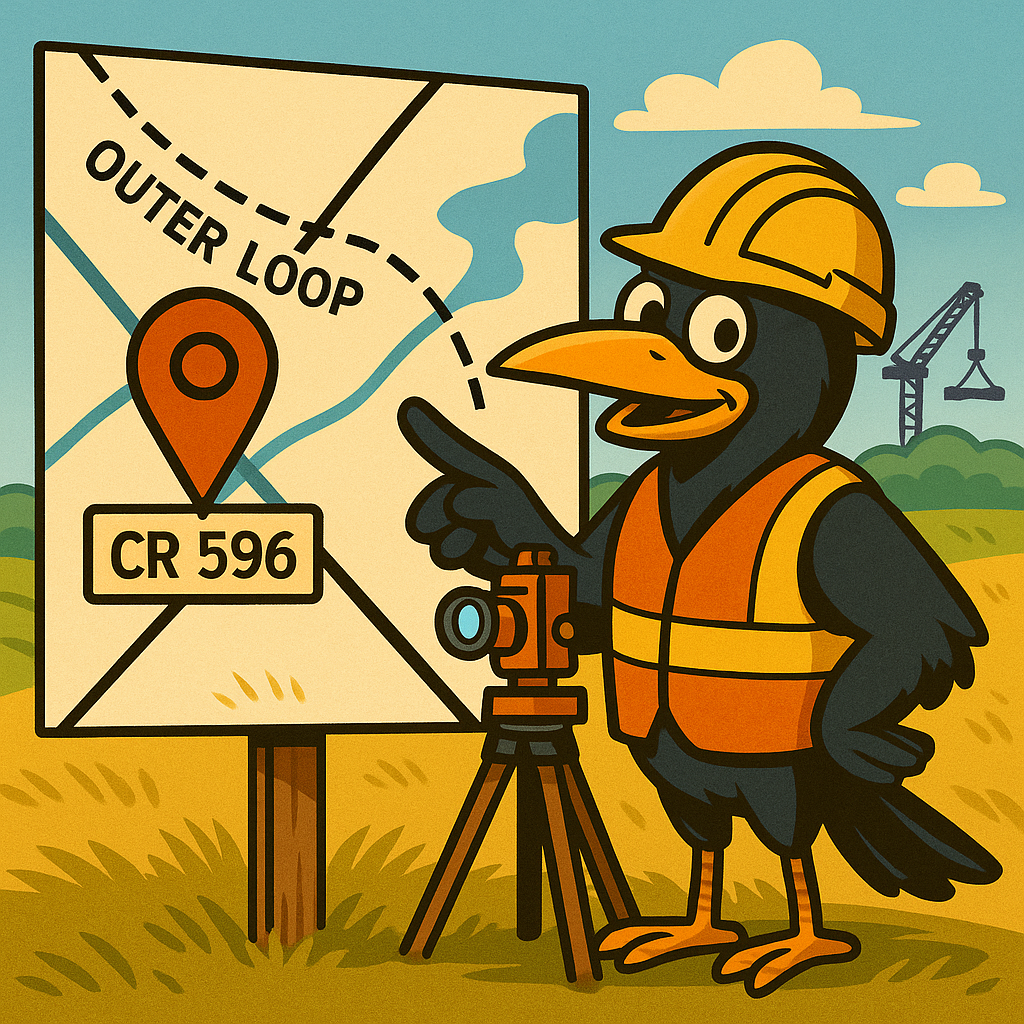
    ±25 Acres | $2.5M | CR 596, Nevada, TX

    You could buy land out where nothing’s happening.

    Or… you could grab ±25 acres right in the path of the Collin County Outer Loop, at a future major intersection, with 425 feet of road frontage.

    This tract sits between booming Josephine and the Community ISD schools (with nearly 2,700 kids already enrolled). Utilities are nearby. The land is gently rolling and ready to work. And this part of the county? It’s not “on the rise”—it’s already moving.

    By the numbers:

    • 2028 population within 5 miles? Over 20,000
    • Average HH income nearby? North of $117K
    • Location? On the radar and in the way of progress

    Whether you’re land banking, building, or just smart enough to know where Collin County’s growth is headed, this one deserves a closer look.

  • He Was Thrilled to Write a Check at Closing (you sure about that)?

    He Was Thrilled to Write a Check at Closing (you sure about that)?

    Look at the big picture

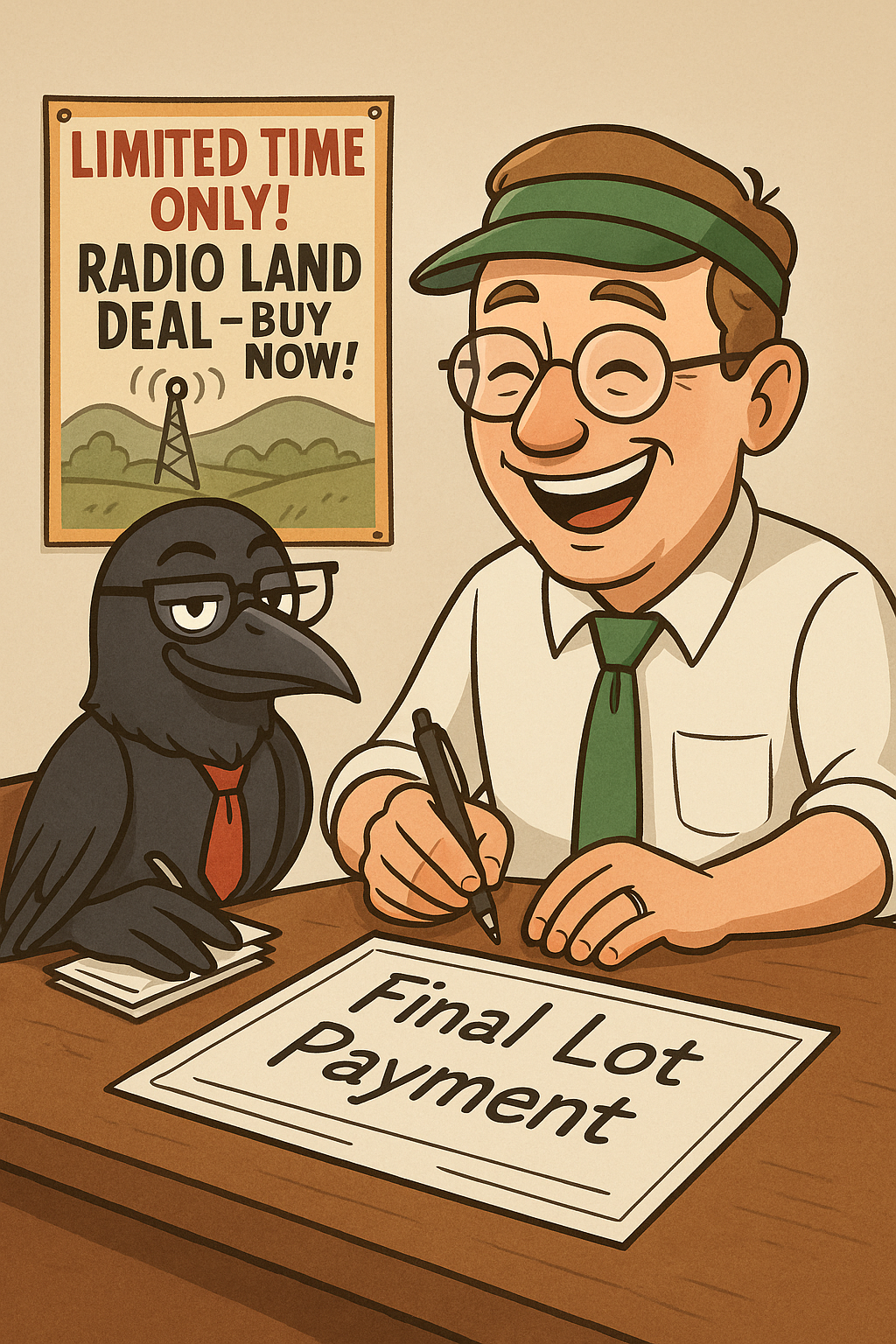
    Years ago, a CPA bought a lot from a developer—one of those flashy radio deals with big promises and limited-time offers. He figured it might be a smart long-term move. But like a lot of buyers in those subdivisions, plans changed—and the lot just sat.

    Then the market softened. Badly.

    He stopped watching. Stopped hoping. But the loan payment? Still there. Month after month, quietly draining his wallet and his patience.

    Fast forward a few years, and he gets a letter from me:

    The market’s back. Lots are moving. Prices are up.

    That got his attention. He reached out right away:

    “If I can finally get out from under this, let’s do it.”

    We listed it. Showed it. And just three weeks later—it was under done.

    Here’s what he had to say:

    “Mike contacted us about a lot we owned, which we thought might never sell. We listed with Mike, and the property SOLD in just three weeks! We could not be happier!”

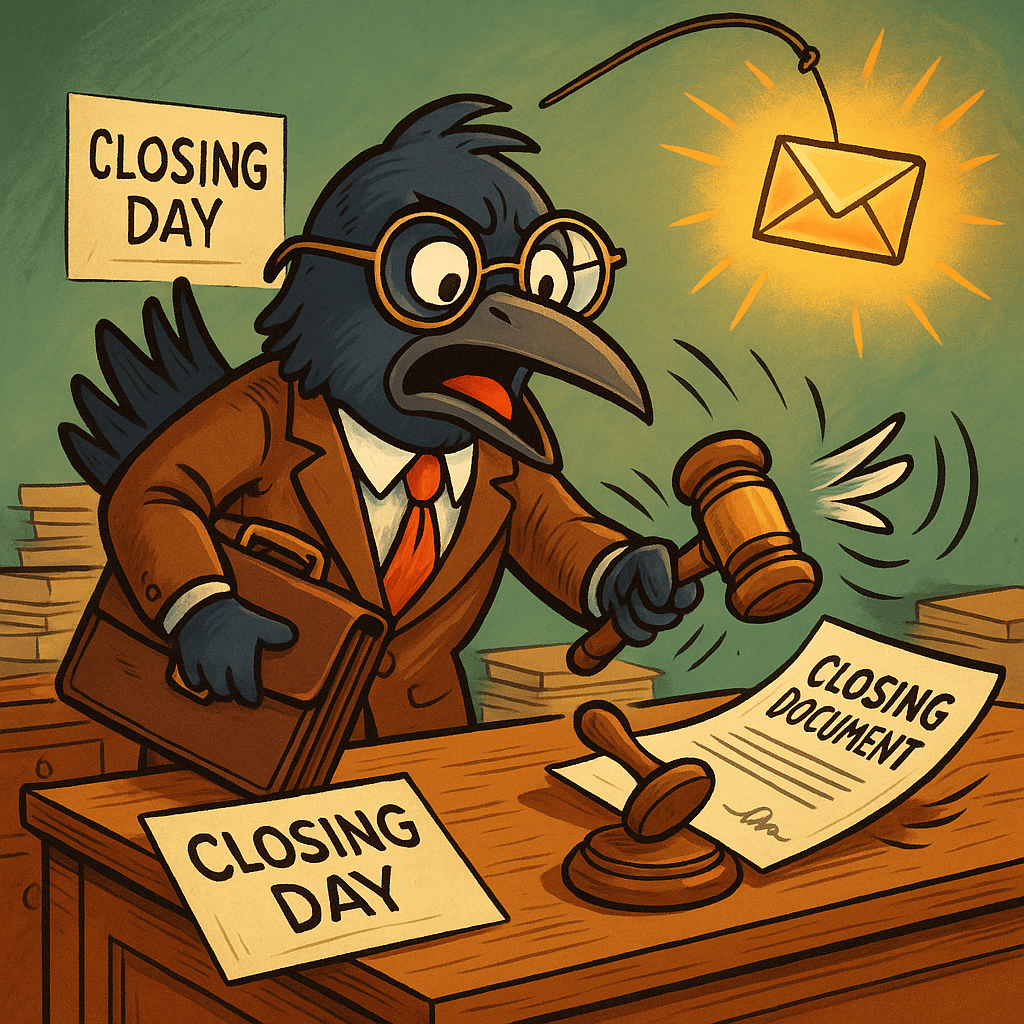
    Now, he did have to bring a little money to closing—the sale price didn’t quite cover the loan balance. I’ll admit, I was a little nervous when I heard that. But he wasn’t. He was thrilled.

    “That was the last check I’ll ever write for that lot.”

    To him, it was a win.

    And if anyone understands how money works, it’s a CPA. Here’s the deal: if you’re spending money on interest every month and you make that expense go away, you free up that cash for something productive. Other investments. Paying down debt. Just breathing easier.

    The less debt you carry, the more peace of mind you tend to have.

    The good news?

    If you’ve owned your lot for more than a couple of years, odds are good you won’t have to write a check. Values in many of the subdivisions I market have gone up—sometimes by a lot.

    If you’re sitting on land you’re tired of carrying, now might be the time to finally sell on your terms.


  • You Have to Have Trust—But You Need More Than That

    You Have to Have Trust—But You Need More Than That

    Cousin Karen means well. That doesn’t make her a land expert.

    People love getting a new car—or at least one that’s new to them. But just about everyone hates the process of buying one. It’s a beating. Even if you drive off in something you love, there’s a good chance you feel like you got worked over somewhere along the way. Dealers don’t make it easy.

    You might find something that fits your price range, but that’s just the beginning. We all know how your trade gets low-balled. Then most dealerships tack on a bunch of overpriced add-ons you didn’t ask for, ballooning the price by thousands. After that, you sit down with the finance manager—who might as well be called the high-pressure warranty sales guy.

    Even if you make it through the maze, it’s rarely fun. That’s why some dealerships now offer “no-haggle” pricing. The irony? Those lots usually end up making more per sale. People are so burned out on the process, they’ll gladly pay more just to avoid the back-and-forth. But buyers still go through the same options and warranty game—which is the most aggravating part, in my opinion. The stress doesn’t go away; you just think it has.

    Until it hasn’t.

    Part of the problem is that most people only buy a car every few years, so they’re not experienced. That makes it easy to fall victim to pressure and double talk.

    Real estate can be the same way—maybe even worse. I’ve owned 12 cars in the last 30 years. I’ve owned 3 houses. Most people are like me. And if we’re talking about land, there’s even less experience for the vast majority of people.

    The good news is, in real estate, you can hire someone to represent your interests. Even better, lots of the time you don’t have to pay anything up front.

    The bad news? Everyone has a real estate agent horror story. And not paying up front creates a built-in conflict of interest.

    I was licensed when I resold our first house, but since I’m not a “house guy,” I used an agent. I thought I’d be better than most at finding the right one. It was a nightmare. She gave me a price range to expect, then pushed me to take the first offer—which came in at 80% of that. Did she suggest we counter? Nope. Just started listing reasons to accept. She gave other advice I knew was wrong—but only because of my business background. So who knows what happens to people without that experience?

    If you’re buying, of course I recommend using an agent. But again, same issue: they don’t get paid until you buy. So it’s easy for them to push you faster than they should.

    In an old Simpsons episode, Marge becomes a real estate agent. The brokerage slogan was “The Right House for the Right Person.” But when she wasn’t closing deals, her boss explained: “The right house is the one that’s for sale. The right person is anyone.”

    And when it comes to land? 90% of agents simply aren’t qualified to handle it—though they’ll swear they are. A lot of people feel pressure to use a cousin or neighbor who’s an agent. That might ease the conflict of interest, but it creates an even bigger problem: they don’t understand land. That opens up a whole new can of worms.

    Buying or selling lots and land can be tough—like buying a car. You need someone who knows what they’re doing, and someone you can trust.

    I know someone like that. And so do you, if you’ve been around here a while. Just let me know when you need help. I’m here.