Tag: Honest Realtor

  • Leverage Isn’t Just for Car Dealers

    Leverage Isn’t Just for Car Dealers

    Listing while the leverage is on your side makes sense

    One of the reasons car dealerships are so frustrating is simple: they understand leverage.

    If you’re on a car lot, odds are you need a car more than you just want one. Maybe you’re not desperate enough to drive off today, but you’re on a clock.

    They know it. They use it.

    The best time to buy a car is when you don’t need one. You could walk away from anything less than a great deal. But then, it often doesn’t make financial sense to make a big purchase before you have to—even if it’s technically a screaming deal.

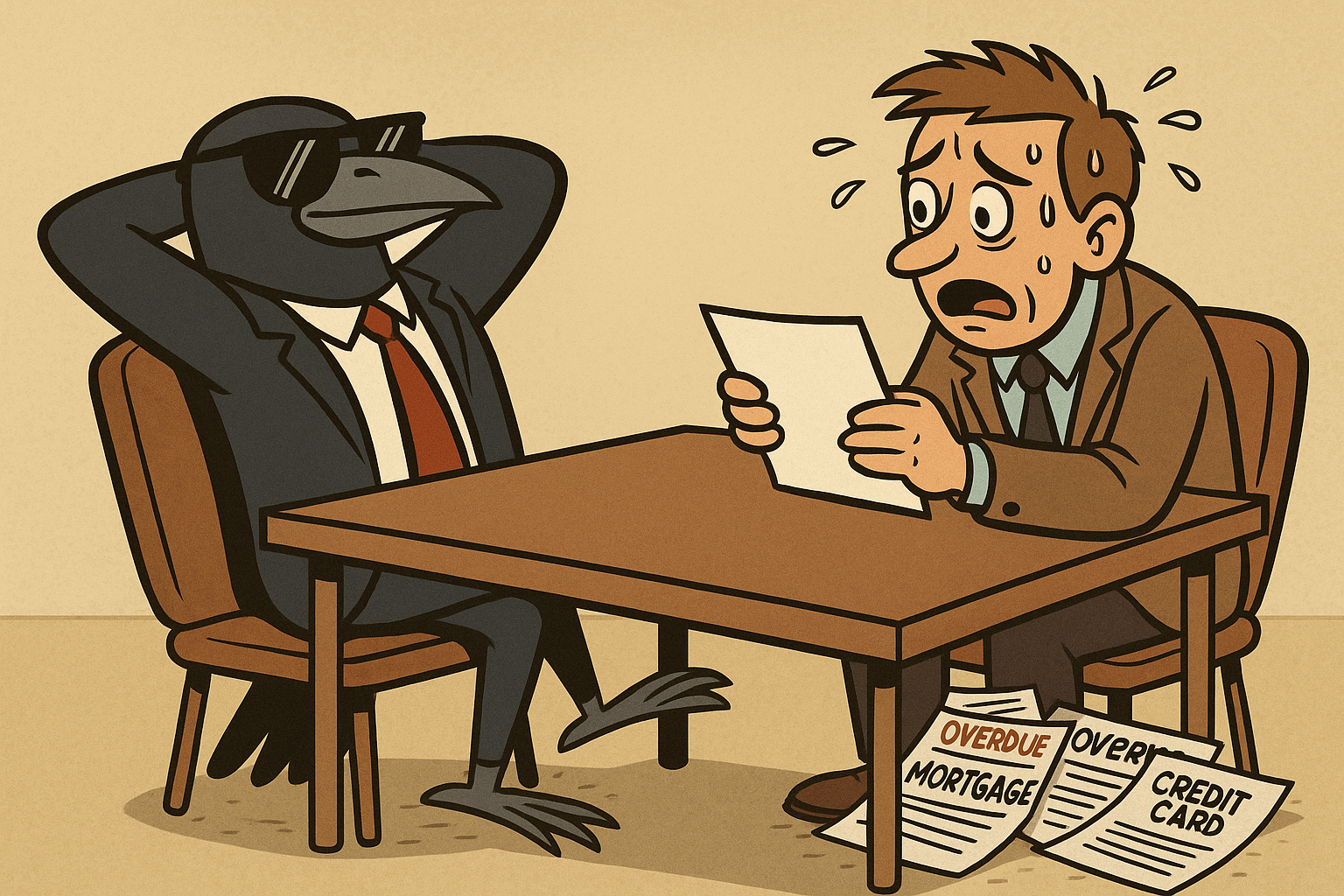
    The job market works the same way. Most people don’t start looking until they’re unemployed. That’s the worst time—because you have no leverage.

    My take? Your “real job” is always finding your next, better job. Even while you’re working. That way you only move when the deal is clearly in your favor. If it’s not better, stick where you are.

    Spare me the “loyalty” speeches from employers. If it makes good business sense to cut you loose, it would happen yesterday. You know it, I know it, and they know it. Beat them to the punch.

    Residential real estate? More like cars. When people sell a house, they usually have to do it now—because they’ve been transferred, are building, or have already bought something else. They take what the market gives them.

    Could they make better deals by selling when they didn’t need to? Sometimes. But moving costs, timing, and logistics usually mean they’re stuck navigating the pressure game.

    Land is different. It’s more like the job market—if you approach it right. If you own property you’re not living on, there’s usually no deadline. You don’t have to sell—but that doesn’t mean a deal can’t come along that makes sense.

    And land values swing more than most people notice. Sometimes a property just checks the boxes for a buyer, and they surprise you with what they’ll pay.

    In the residential market, pricing too high almost always backfires. It won’t appraise, loans won’t work, and you either get offers at market—or nothing.

    With land, a price above market might still work. You’re under no pressure, so it doesn’t hurt to put it out there and wait.

    Not stupid high—if it’s worth around $1M, I’m not putting it out there at $5M.

    But 25–30% above recent comps? That might be worth a shot.

    Because you never know.

    With low holding costs, most people think waiting to sell land doesn’t cost anything. But missing the perfect buyer because your hook wasn’t in the water could cost plenty.

    The only real way to miss out is to not try at all.


  • Subtract the Stupid

    Subtract the Stupid

    Remove the dumb stuff. What’s left usually works fine

    Back in my college days, I ran into a little issue with parking.

    Being broke, I didn’t want to pay for a parking pass. So I parked at meters — which cost more over time but less up front. (There’s a lesson in that, too.)

    The problem? The meters only sold one hour at a time. Classes were an hour long. If you parked 10 minutes before class, and left 10–15 minutes after, you were pushing it with just an hour on the meter.

    Could I have just bought two hours? Sure. But I was broke… and stubborn.

    At a big-city campus, maybe this wouldn’t matter. At mine? Parking enforcement made hawks look lazy. And the tickets started piling up.

    So did I fix it by putting more money in the meters? Or paying for a pass?

    No. I just quit driving and started walking.

    I lived about a mile from campus. Not a great walk in bad weather, but usually fine. And it had a lot of benefits:

    • I quit getting parking tickets.
    • I got some exercise.
    • I stayed on campus between classes and actually studied instead of driving home.

    In other words, I got a lot of benefit just by not doing something instead of adding more.

    In his Incerto series, Nassim Taleb calls this idea Via NegativaThe Negative Way.

    Translation: You usually get better results by removing what’s harmful instead of adding what might help.

    In health:

    • Persistent heartburn? Stop eating the garbage that causes it instead of carrying around a pharmacy.
    • Headache every morning? Cut the booze before you double your Advil budget.

    In finance:

    • Before hustling harder, cancel the subscriptions you forgot you had. Free money in three clicks.

    In life:

    • Turn off the phone notifications. Way cheaper than the next productivity fad.

    In my business:

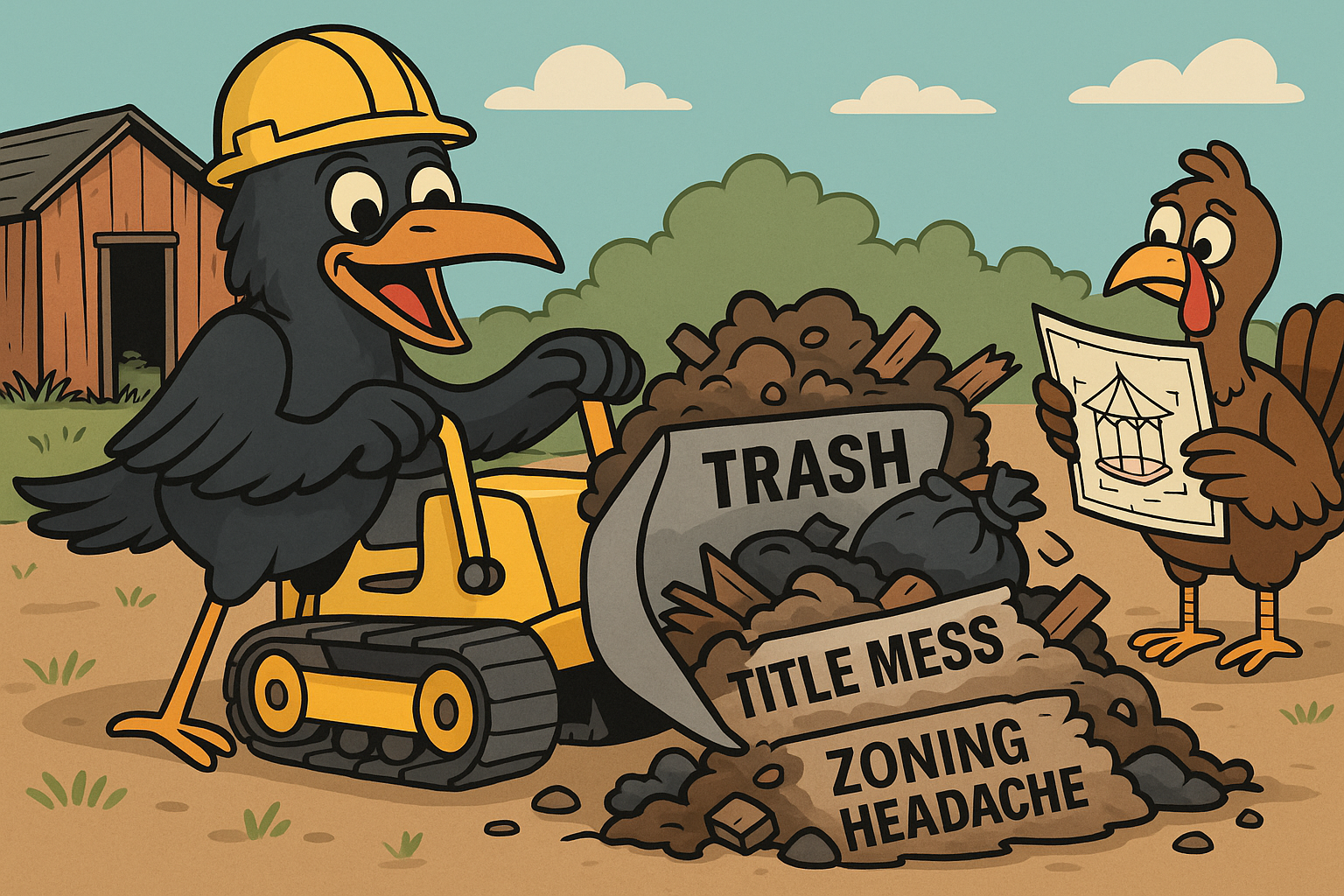
    • I’m listing a property for a widow whose husband’s name is still on the title. Can’t sell it until we fix that. Easy fix. Big result.
    • Another property? Great spot for a convenience store… except the zoning requires an SUP, and the city says “no thanks.” Knowing that early lets us focus marketing elsewhere instead of wasting time — ours or theirs.

    Bottom line: Remove the roadblocks. Cut the noise. Subtract the problems.

    That’s Via Negativa — and it usually works a lot better than duct-taping “improvements” on top of a mess.

    Stop spraying perfume, just get rid of whatever stinks.

    If you want to find the problems before your buyers do, just reach out when you’re ready.


  • To Stand Out, You Have to Be Different

    To Stand Out, You Have to Be Different

    Not just say I’m different—actually do things different.

    Most agents will tell you the greatest compliment they can get is a referral. If not in person, then in their direct mail pieces or—definitely—in the PS of every email they send.

    I disagree.

    Referrals are great, of course. One of the biggest challenges new agents face is simply finding clients.

    Marketing ain’t cheap. Referrals are like free money. If you get enough of them, it starts to feel like clients are chasing you. That’s when you’re winning the game.

    But the compliment I like best?

    When someone says I do things different—and how much they appreciate it.

    I was recently talking to one of my clients, Craig C. He heads up an investment firm that includes some pretty heavy hitters. I won’t name them, but if you live in North Texas and drive around at all, you see their name all the time.

    They don’t buy everything—but when something checks the boxes, they can move fast and close big deals.

    The kind of client you love to work with—if you can get them to work with you.

    We were talking about a deal I’d brought him, and some of the issues involved. He said:

    “I know you like to sell things just like everyone else, but I really appreciate how you point out the potential hair up front. Not every broker does that, and it’s really a big help to us.”

    Loved hearing it.

    But here’s the truth—I’m helping myself just as much (if not more) than I’m helping him.

    These are sophisticated investors. All the issues I pointed out were going to come up anyway—along with some we probably don’t even know about yet. By flagging them early, I help them decide if it’s worth digging in.

    Saves them time. Saves me time.

    We’ve all got the same 24 hours, and nobody likes to waste ‘em.

    But more than that—it builds trust.

    When I send something over, they actually look at it. Because they know I’ve already done some filtering.

    And if they need help with something else, they may not call me every time—they work with a lot of good brokers.

    But I’m on the short list.

    Which is kind of like a referral on steroids.

    It also leads to traditional referrals. In this segment, you tend to deal with the same people again and again. Word gets around fast on the ones who cut corners. On the flip side, just being on good terms with a group like this is often enough for other large operators to take you seriously.

    It just keeps on giving—if you do it right.

    The best part?

    You don’t have to be a big shot to benefit from all this.

    If you want the same kind of straight-up advice and top-tier brokerage—just call.

    Or just go with the same old same old, and miss out.


  • Question from the Peanut Gallery

    Question from the Peanut Gallery

    If you’re asking this, you’ve missed the point

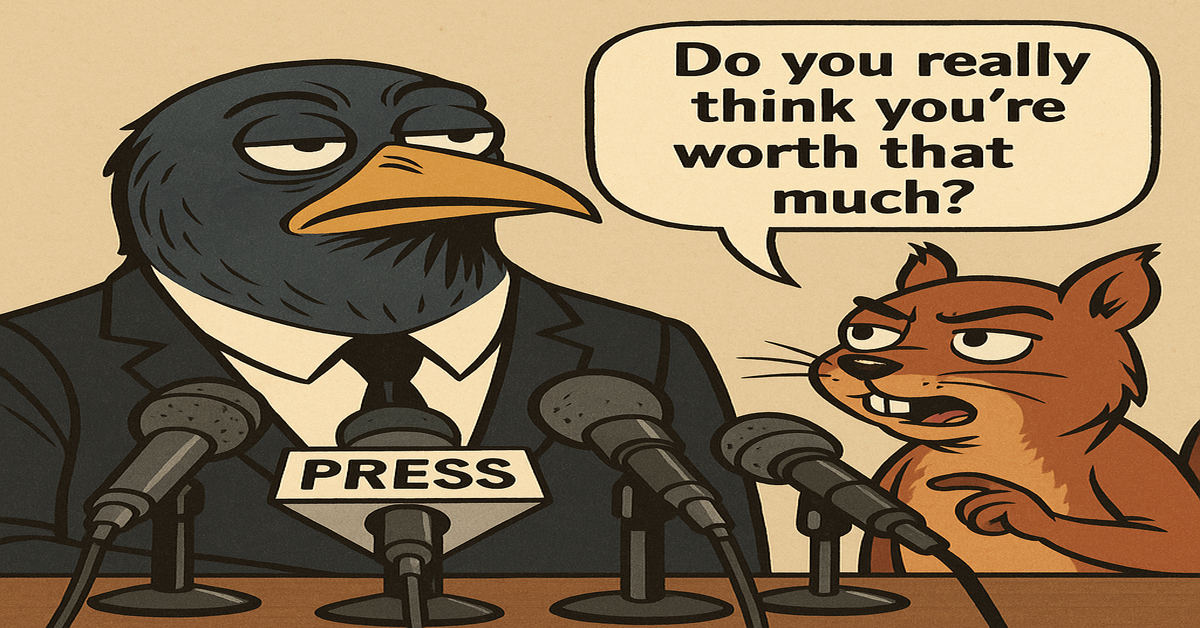
    In response to my recent post about meeting the standard—and why I don’t work for any rate below my standard fee—someone asked:

    “Do you really think you’re worth that much?”

    Yes, I do.

    Probably more, if I’m being honest.

    But here’s the better question:

    If you’re looking for someone to help you negotiate what might be one of the biggest transactions of your life, how smart is it to hire the person who can’t even stick up for their own fee?

    Obviously, you have to make your own decisions.

    But during the process, you need a pro in your corner. Someone who’s going to stick up for you. Someone who knows when to push and when to wait—and who’s not going to nudge you into a mediocre offer just to wrap things up and move on.

    So, who do you want?

    The guy who curled up in a ball and said “OK” the moment you asked him to cut his fee—then quietly resents you for asking, and himself for giving in?

    Or the guy who held firm, grateful for a client willing to pay what he asked for—so he’s all-in on getting you the best deal possible?

    You might think this is about greed. Or ego.

    It’s not.

    It’s about credibility. And about how I operate.

    Here’s the math:

    When someone asks me for a discount, they’re usually talking about 1% of the total deal. Maybe 2%, if we are talking about a true miser.

    So on a $1M transaction, we’re talking $10,000 to $20,000.

    Not chump change. But also not massive in the context of the whole thing.

    And if you’ve got the right people on your side, how likely is it that we could negotiate that much—or more—right back into the deal? Just by being patient, strategic, and having someone on your side who knows what they’re doing?

    Pretty likely I’d say, even if something like that can’t be promised (or really even measured)

    Meanwhile, the agent on the other side (who hopefully is working at a discount) might be more interested in closing than maximizing. They’re already underwater. They need the deal done. And they might just push their client to give a little extra to make it happen.

    Every deal is different. But the principle’s the same.

    When you hire someone who’s talented and pay them what they’re worth, a few things happen:

    You feel represented.

    You stop wondering if you’re being worked.

    And hopefully you’ll walk away with a better result—and a better experience.

    If you’ve only got one property to sell, does it make sense to jeopardize the whole thing over what amounts to peanuts?

    Didn’t think so.

    So don’t miss out when it matters.


  • It’s Not the Mistake. It’s the Refusal to Own It.

    It’s Not the Mistake. It’s the Refusal to Own It.

    Saying “I screwed up” actually increases your power.

    In all these posts, I present myself as a highly competent individual with the skills and power to help you have a great real estate experience.

    And that’s exactly what I am.

    But that doesn’t mean I don’t screw up.

    Just this week, I was helping renegotiate a deal. It was all agreed to verbally, and I sent an email summarizing everything to the seller. He gave it a thumbs-up. I forwarded it to the buyer—who caught the typo.

    I had mistyped the price. Off by $45,000. In the wrong direction (for him).

    I had already caught the mistake and was confirming it with the seller when the buyer called.

    I know the seller, and I was confident he’d honor what we agreed to. But still—it was my mistake.

    I got it sorted. Everyone’s happy.

    Because I was upfront about it, everyone involved walked away with more respect for how I do business.

    I didn’t pretend it didn’t happen. I didn’t try to fix it quietly later if it didn’t just slide by. I owned it.

    Now look at the world outside real estate.

    During Covid, we were told to wear masks and take vaccines that were “safe and effective.” It turned out the masks didn’t work, and the shots weren’t exactly either safe or effective (to put it very charitably). But that didn’t stop people from trying to ruin your life if you didn’t comply.

    Before that, there was the story about how a Certain Guy conspired with a Certain Country to rig a Certain Election. That turned out not to be true—and now it’s looking like the opposite might be closer to reality. But if you didn’t agree, or you expressed support for the Wrong Side, some people were ready to torch your life.

    Were there bad actors behind both? Of course.

    But on a personal level, it was mostly just people who trusted the wrong people and repeated what they were told. And maybe were a bit too self-righteous.

    If they had just said,

    “You know what? I was wrong. I believed the wrong people. I’m sorry,”

    Most of us would’ve moved on.

    But that’s not what they do.

    They gaslight: “I never said that.” Or they double down: “I wasn’t wrong!”

    Does that earn your respect?

    Nope. It just makes you never want to rely on them again.

    All it takes is a little ownership.

    I mess up all the time. But I always own it. And I always fix it if I can.

    Usually, that ends in great results—or at the very least, a decent experience.

    When you’re ready for me to screw things up for you, I’m here.


  • To Be My Client, You Gotta Meet the Standard

    To Be My Client, You Gotta Meet the Standard

    Smart people know what not to negotiate.

    Let’s get this out of the way right up front: In Texas, real estate commissions are negotiable, and there’s no “standard” percentage.

    So I’m not going to throw out a number and act like it’s an industry rule, or that everyone charges the same, or anything like that. But most people who’ve been through a few transactions know there’s a customary rate — the one most agents would like to charge unless they get talked out of it.

    That’s the rate I’m willing to work for.

    It’s negotiable, of course. That just means we both have to agree. So I’ll put it this way: if you want to pay me more, I’m open to it. Ask me to take less? No deal.

    At my customary rate, I’m one of the biggest bargains on the planet.

    In most industries, a finder’s fee is 10%. If I were locating a rare piece of equipment or recruiting executives, nobody would question it. But in real estate? People act like they’re supposed to ask for a discount.

    The answer is no. And not because I’m being difficult or trying to squeeze anyone.

    When I talk to someone about listing a property, I’m not thinking, “What do I need to give up to get this listing?” I’m asking, “Is this a good fit?”

    That question has kept me from wasting time on the wrong deals and the wrong people. It’s also helped me stay focused and available for the people who trust me to do what I do.

    Some folks won’t like how I work, and that’s fine. I think we’d both rather figure that out early.

    So here are the top ten reasons you won’t want to work with me:

    Actually, there are only three:

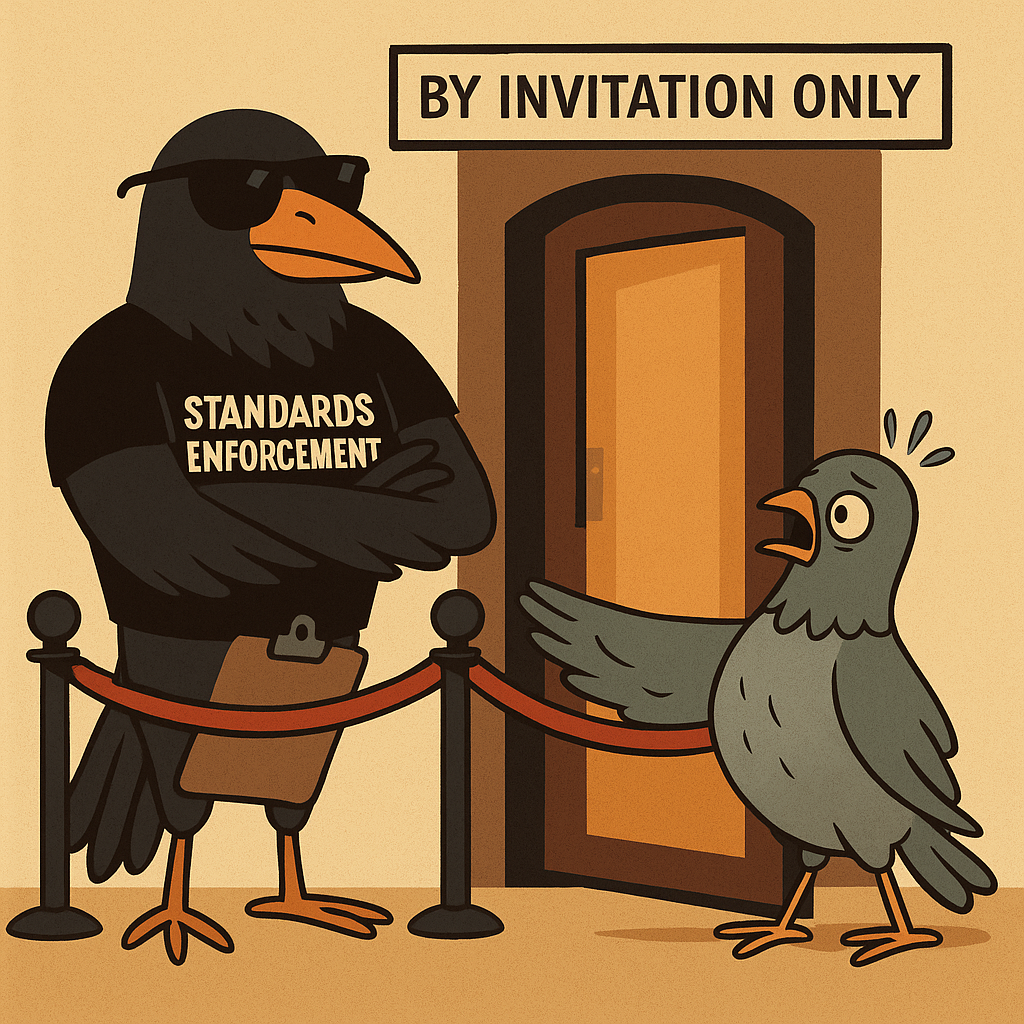
    1. I charge full price.
    2. I recommend realistic pricing — and I don’t take listings that are a waste of my time.
    3. I’m not on my phone 24/7. I’m responsive, but if you call or text late at night, you’ll probably hear back the next day. Saturday or Sunday? I don’t rule out weekend calls, but if I’m busy, I’m busy.

    Does that cost me some clients? Maybe.

    But the ones it weeds out are usually the ones I wouldn’t want anyway. The ones who burn too much time, drain too much energy, and expect me to chase fantasies instead of giving honest answers. The kind of people who waste everyone’s time.

    Every hour I spend dealing with that kind of client is an hour I can’t spend helping someone who actually trusts me.

    We all get the same 24 hours in a day — how we use them matters.

    Cutting commission might sound like no big deal, but it changes the whole dynamic. If I reduce my fee by 1%, I may need to do 50% more business just to make up the difference. That means more clients, more noise, more nonsense — and less time for the people I actually enjoy working with.

    No thanks.

    And here’s a question worth asking: why would you want to start a relationship by trying to get someone to work for less than they believe they’re worth? Wouldn’t you rather work with someone who’s all in — someone with judgment, backbone, and enough clarity to stand by their own standards?

    I’m not a commodity. I don’t compete on price. I work with people who want someone steady in their corner, who tells the truth and doesn’t flinch when things get complicated. That kind of person doesn’t chase discounts — they recognize fair value, and expect the same in return.

    Paying my full fee is the litmus test. Not because I need the money more than anyone else — but because it tells me we’re on the same page. That we both take this seriously.

    And if we’re not? That’s fine too. I’d rather know now.

    I might even help you find someone who’ll work for less. But it isn’t going to be me.


  • Be On Time

    Be On Time

    It’s Not Just Polite—It’s Powerful.

    I’ve been talking recently about how poisonous neediness is in negotiation. That desperate energy repels people. Drop it, and your conversations immediately shift. You become more credible, more in control, more likely to get what you want.

    And since just about everything in life involves some kind of negotiation—business, relationships, money, everyday decisions—any improvement there multiplies fast.

    But there’s another habit that’s even simpler. One that doesn’t get talked about much, but quietly moves the needle in just about every part of life:

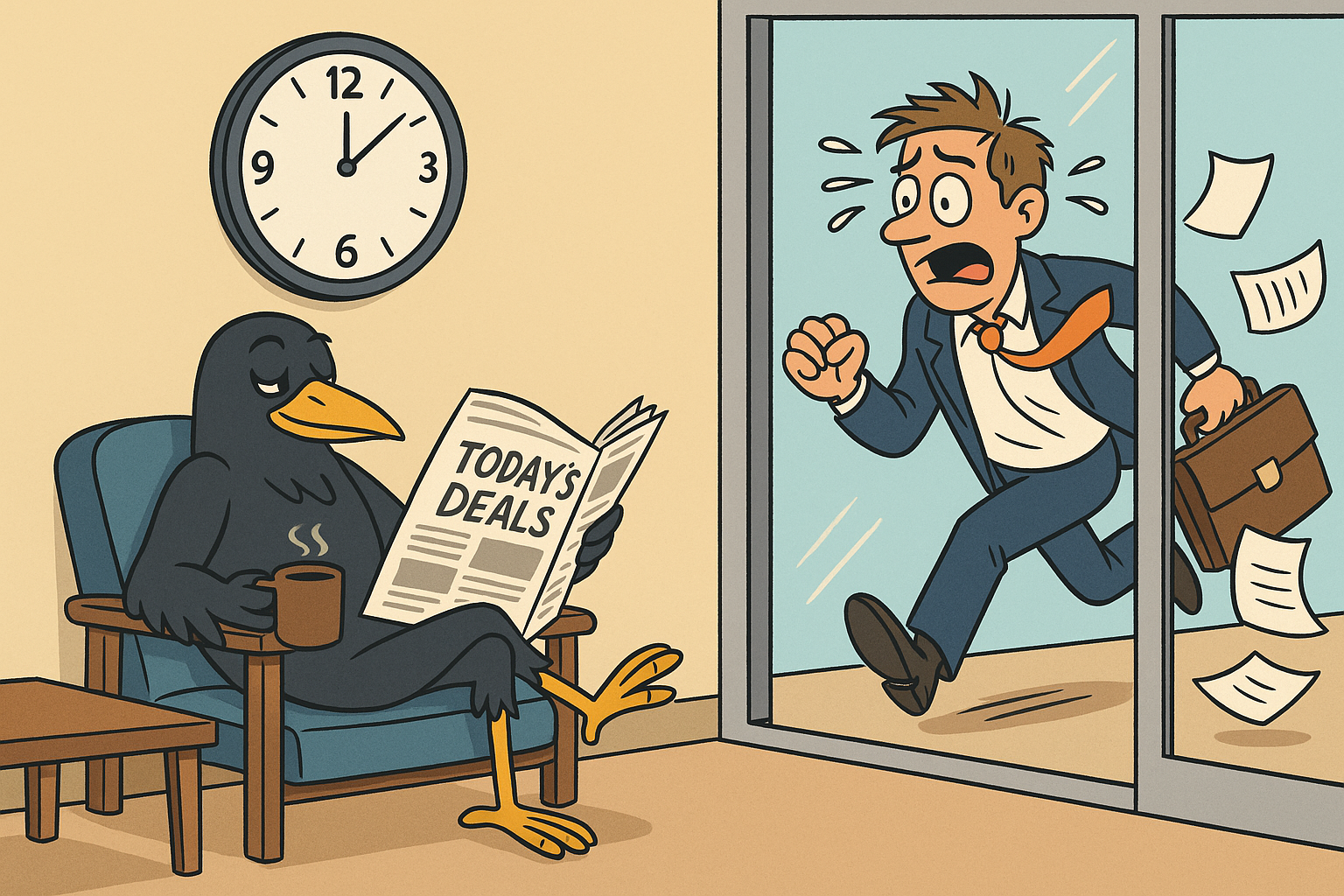
    Punctuality.

    Being on time.

    Being on time seems minor. It’s not. In fact, it’s one of the clearest tells about how you operate.

    Most people won’t call you out for being a few minutes late. Especially if you shoot them a text or call ahead. But don’t kid yourself—they’re still taking mental notes the second you show up behind schedule. Maybe not actively, but they notice.

    Even if they don’t say it, they’re wondering:

    • Does this person respect my time?
    • Do they follow through on commitments?
    • Can they manage themselves?

    Showing up late—even just a few minutes—starts chipping away at those answers. And if the story they tell themselves is that you’re careless or unprepared, it sticks. That impression is tough to shake, especially when you’re trying to sell something, pitch a deal, or get someone on your side.

    And make no mistake—you’re always selling, pitching, or persuading. Whether you know it or not.

    Now flip that around. Arrive five minutes early, and the message is completely different. You’re signaling reliability. Discipline. Respect. It puts the other person at ease. And when they feel calm and unpressured, they’re more open, more generous, more willing to say yes.

    And that’s just the external benefit.

    Internally, punctuality gives you space. You’re not flustered. You’re not catching your breath or mentally scrambling to recover. You’re clear-headed. Grounded. Focused. That gives you an edge in whatever happens next—conversation, negotiation, decision-making, or execution.

    To get punctual, you’ve got to manage the stuff before the appointment better. Time buffers, traffic, prep, saying no to the extra thing you don’t really have time for. That’s where the discipline kicks in. But the results are worth it.

    There’s no downside to being on time. None.

    But there’s plenty of upside. Some of it instant, some of it long-term. Eventually, people will start trusting you more, choosing you more, looping you into better opportunities. You’ll be surprised how often it leads to doors opening.

    And by the time that starts happening, you might not even realize where it’s coming from.

    Unless you remember this.

    Want a win that compounds over time and takes zero talent?

    Be on time. Every time.


  • Do You Need it Right Now? Then Wait ‘til Tomorrow

    Do You Need it Right Now? Then Wait ‘til Tomorrow

    One step to never being taken advantage of at the negotiating table again

    I talked about the danger of neediness yesterday, but it’s so important I’m going to stay with it.

    Negotiation is a fundamental skill in life and business—but most people aren’t great at it. Mainly because they just don’t get a lot of practice.

    In the U.S., we’ve standardized just about everything. Prices are fixed. Products are labeled. You go to the store, you pay what it says. No haggling. No dance. So when it is time to negotiate—whether it’s for a house, land, or a job offer—most people get uncomfortable fast.

    And it’s immediately obvious to the salesperson. They negotiate every day. Even if they’re not a pro, the repetition alone makes them better than most. And they’re more comfortable by default—they’ve got nowhere else to be. This is their job.

    Here’s the part most folks miss: negotiation is not about intimidation. It’s not about being slick. It’s about posture.

    Neediness is what kills your position.

    If you have to buy it today, you probably shouldn’t.

    Make yourself wait until tomorrow.

    If the salesperson says you have to buy today or the deal is off, call the bluff a few times and see what happens.

    If they can sell you a car (or anything else) for a certain number today, is there really any reason they couldn’t do it tomorrow?

    Maybe there is, but I doubt it. And if they won’t do it—so what?

    Start over somewhere else.

    Simple things like this will shake the desperation right out of your system. The clearer your mind, the better your decisions.

    Get rid of neediness, and you’ll almost never experience buyer’s remorse. Because you weren’t chasing—you were choosing.

    Salespeople—real ones, trained negotiators—can smell neediness a mile away. They don’t always use it against you, but make no mistake: they see it.

    Don’t set deadlines.

    They’re usually fake, and all they do is stir up neediness.

    On the rare occasion there is a real deadline, don’t let the other side know what it is.

    Just these basic ideas can improve your negotiation results almost immediately. All it takes is a little practice.

    Use it a few times and it’ll work so well, you’ll never go back to the old way.

    Even if the results don’t change right away, you’ll feel a lot better about how you handled it.

    If someone says you have to act now or lose the deal—call their bluff. You’ll either learn that you didn’t lose the deal, or that you didn’t need it so bad to begin with.

    If you’re a people pleaser and feel pushed into things, tell the next three people “no,” no matter what they ask.

    Even if you’re afraid they’ll get mad.

    Most won’t. But even if they do—they’ll live.

    And you’ll learn that you’ll live without their approval. That makes life easier to steer from then on.

    Am I worried that by sharing these secrets you won’t need my services as an agent?

    Not at all.

    I think once you see the value of being a clear-headed negotiator, you’ll want a pro in your corner when it really counts.

    And if not, that’s great too.

    I ain’t needy—I’ll just help someone else.


  • The Root of All Losing

    The Root of All Losing

    If it’s obvious you’ve got to have it, it’s harder to get.

    If there’s one thing that’ll cost you in a negotiation—whether you’re buying, selling, or settling on where to go for dinner—it’s neediness.

    The moment you need the deal to happen, you’ve already lost. The other side can smell it. They might not know exactly what it is, but they’ll feel it. And if they’re any good at what they do, they’ll use it against you.

    Take car shopping, for example. You roll onto a lot, poke around a few rows, and come across what you’ve been looking for. It’s clean, it fits your budget, and you can already see yourself pulling into your driveway in it.

    Then the salesperson swoops in.

    They’ve done this dance a hundred times. They can tell you’re into it. And they lean into that: “These don’t last long… I’ve already had someone else looking at it earlier today… If you want it, you better act now.”

    And you’re tempted. Because it feels like this is your one shot at getting what you want.

    But take a step back.

    You passed ten car lots on your way in. Every one of them had dozens of vehicles. Hundreds. You saw thousands of cars on the road just getting to the dealership. They’re mass-produced. There’s another one out there that’ll work just fine. Maybe even better.

    The key isn’t to stop wanting things. It’s fine to want a deal to come together. It’s fine to like something. What’s not fine is crossing that line into thinking you have to have it. That it’s this or nothing.

    That’s when you stop negotiating and start begging—whether you realize it or not.

    Now land and lots are a little different. No two properties are the same. So technically, yes—this particular piece of dirt might be one-of-a-kind. But that doesn’t mean it’s the only one that’ll work for you.

    If you miss out, the sun will still come up tomorrow. You’ll still have a roof over your head. You’ll still eat dinner.

    You’ll find something else that checks the right boxes.

    Wanting is fine. Needing is a trap.

    This applies far beyond real estate and car lots. It shows up in business, relationships, sales, and parenting. The second someone sees that you’ve made your happiness dependent on a specific outcome, they’ve got leverage. Even if they’re not trying to be manipulative, the dynamic shifts.

    Letting go of neediness is freeing. It puts you back in control. You might decide to stretch a little to get it done, but you’re doing it consciously.

    You can still chase the deal—but with clear eyes and a level head.

    Because once you stop needing it, that’s when you’re most likely to get it.


  • Never Make Your Initial Offer at Full Price

    Never Make Your Initial Offer at Full Price

    Even when you’re willing to pay it

    In a hot housing market, paying full price—or even more—can be necessary. Some sellers use pricing strategies where they list below market value to spark a bidding war. That’s normal in residential.

    When it comes to land, though? Different ballgame.

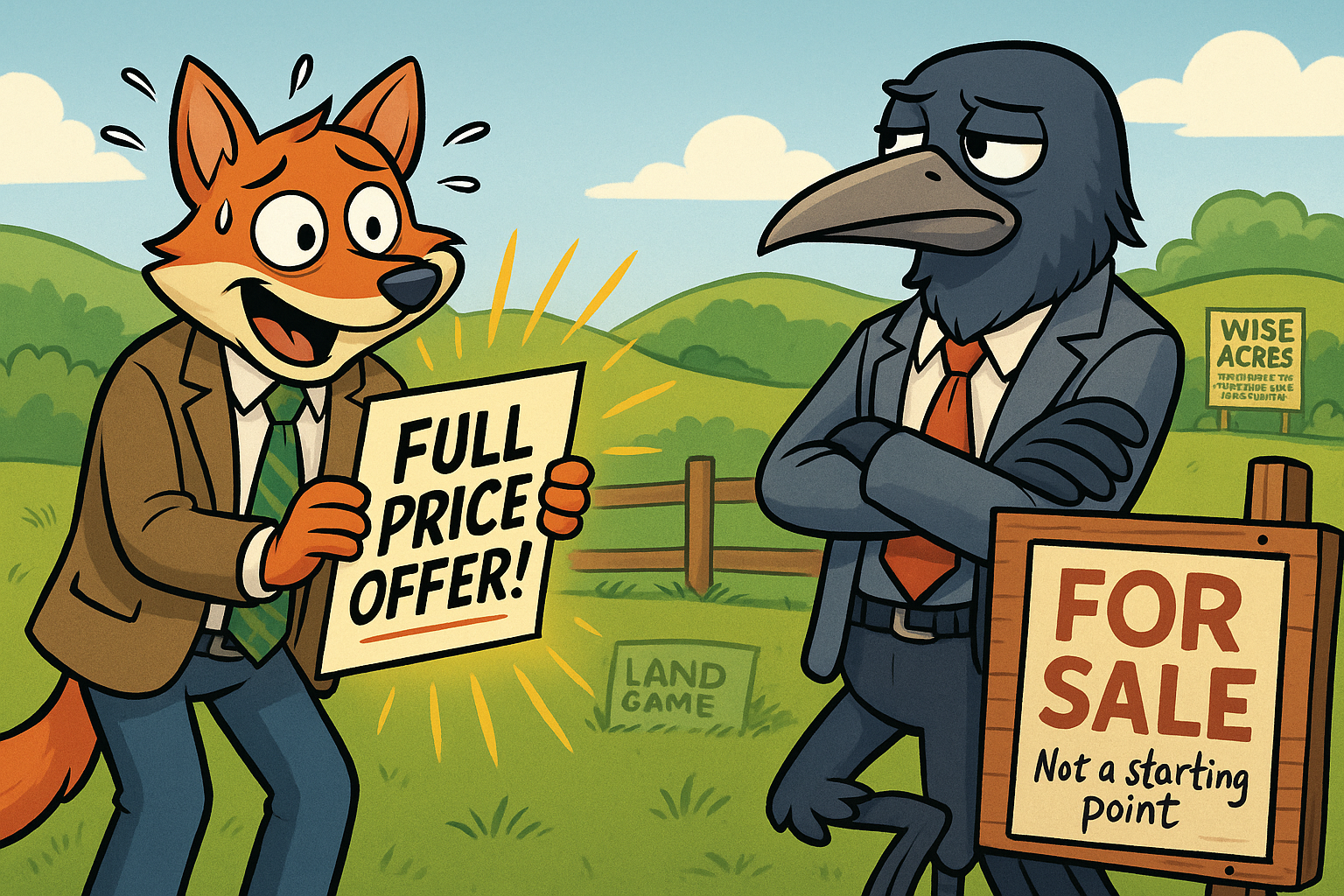
    Unless you’re dealing with a rare exception, your first offer on land should never be full price.

    When I bought my truck, I made an offer I thought was a lowball—and they accepted immediately. Instead of being happy, I wanted a do-over. The funny thing is, it was a mistake on their part not to ask for at least a little more. I was fully expecting a counter, and if they’d asked for a bit more, I would’ve jumped on it.

    They left money on the table.

    Same thing happens in land deals.

    Years ago, I was brokering a tract to a developer—part of what’s now Waterstone Estates, where many of my lot clients first met me. I asked the owner what he’d take, and he gave me a number. The developer wrote a contract for that exact price.

    Instead of being thrilled, the seller started second-guessing. Maybe he wanted more. Wanted a do-over—just like I did with the truck.

    A little well-placed shaming and a reminder that your word matters in this business got us through it. He honored the deal, the sale closed, and we’ve done multiple deals since. But I’ve never again started with a full-price offer—on his land or anyone else’s.

    Here’s why:

    Especially today, in the land market, you run into the same buyers, sellers, and brokers over and over again. And a lot of sellers try to squeeze every last drop out of a deal—moving the goalposts, making things difficult, trying to chisel brokers on their fee.

    That last one might be the worst strategy of all.

    Want to make money in land? You need deal flow. Where do deals come from? Brokers. And after 25 years, I’ve got a long list of people I might send a deal to first.

    Who goes to the top of that list?

    • The guy who does what he says and pays me with a smile?
    • Or the guy who made everything difficult and asked me to cut my fee in half?

    Self-fulfilling prophecy.

    So what’s the takeaway?

    If you’re selling, be willing to take yes for an answer. If you say you’ll take $1M, take it when someone offers it (assuming the terms are reasonable). Be a person of your word.

    If you’re buying, don’t offer 100% of what you’re willing to do on the first pass. Even if you’re okay paying full ask, offer a little less. Let them counter. Don’t take away their chance to feel like they “won” something.

    And if you’re dealing with a goalpost-mover? We’ve developed a pretty effective strategy for that. I won’t say it here—it’s a secret—but if you’ve been around the block, you might guess what it is.