Tag: North Texas real estate

  • (Much) Harder Than I Make it Look

    (Much) Harder Than I Make it Look

    It just looks easy because of everything I did before we met

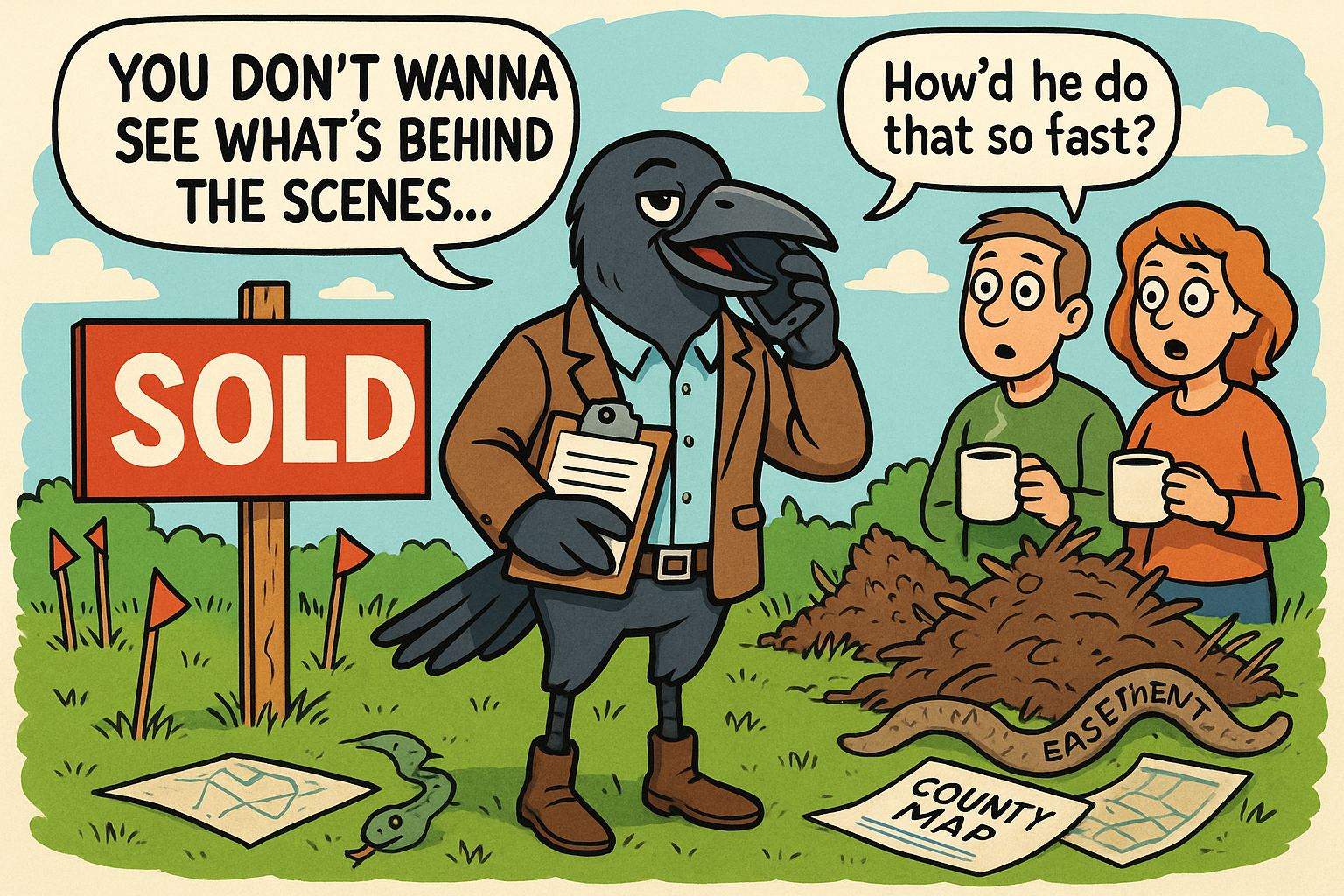
    It doesn’t happen every time, but it’s not unheard of for properties I list to move really fast. It can look like we sign a few documents, I put some info into MLS, and take a few pictures. Then boom, it’s under contract before your coffee gets cold.

    It’s not luck, and it’s not magic.

    OK, sometimes there is a little luck involved. Although some people say you make your own luck.

    But it is a lot harder than I make it look.

    Selling land isn’t like selling a house. You can’t just guess based on what the neighbor’s asking and hope it sticks. Every property has its own quirks—some of them obvious, some hiding in the fine print or buried under a brush pile.

    You’ve got to know how to price it, how to position it, and what questions to ask before someone else finds the problem during their inspection period. That’s the kind of stuff that kills deals, or keeps a property sitting on the market for months longer than it should.

    Most of the work I do happens before it ever hits MLS. That’s where the value is—figuring out the real story of the land, not the made-up one. That means calling the county, checking surveys, reviewing restrictions, walking the property, and putting the right comps together. It’s not glamorous, but it works.

    The goal is to make it look simple when it hits the market. Good info, clean photos, a fair price based on real data—and a plan to back it all up.

    So no, it’s not easy. But I don’t mind doing the hard part.

    If you want to know what your lot or land is really worth—or why it hasn’t sold—just email me here.

    I’ll shoot you straight. No pressure, no pitch. Just the truth, even if it’s not what you were hoping to hear.


  • Doing What Everyone Else Is Doing Ain’t Enough

    Doing What Everyone Else Is Doing Ain’t Enough

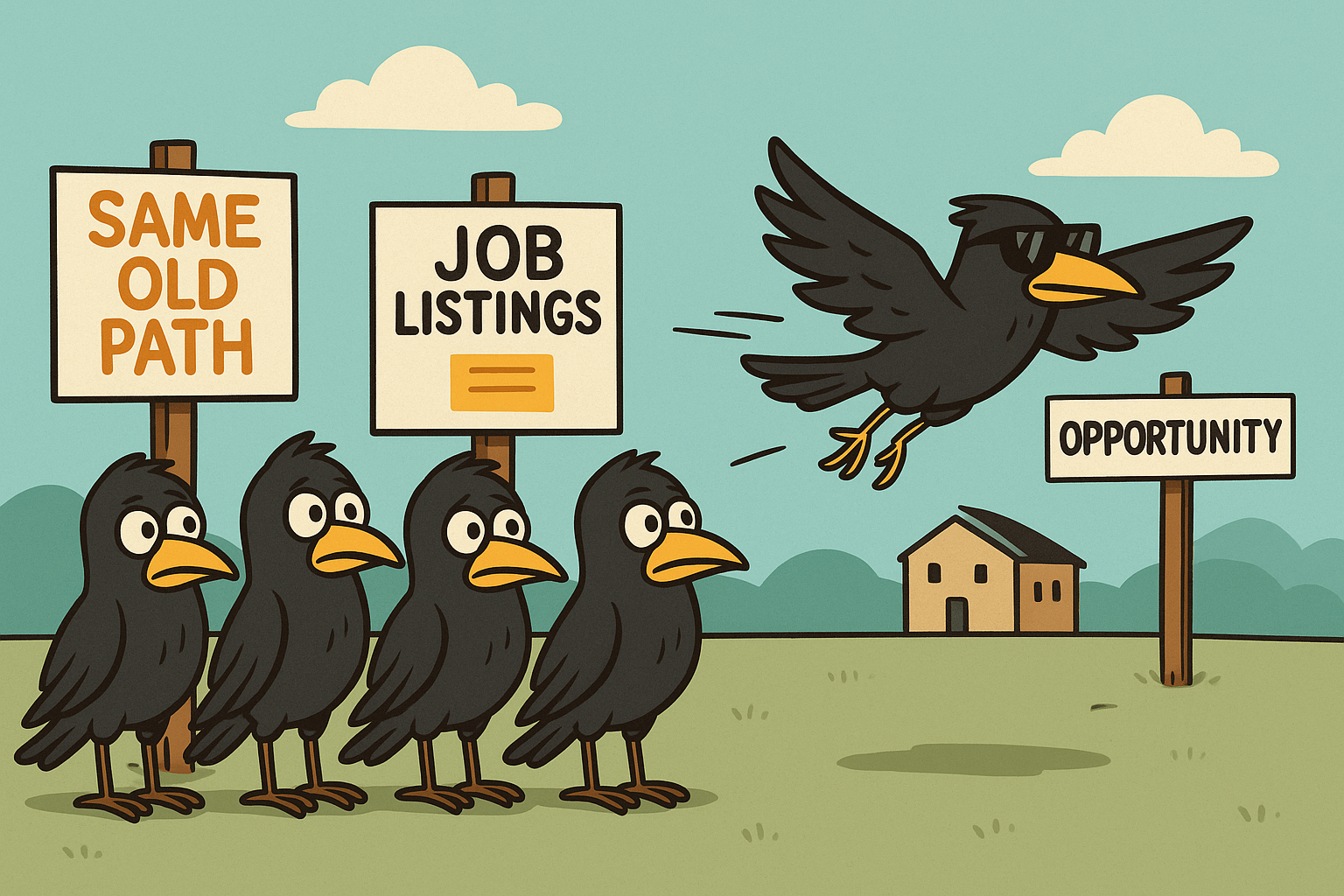
    Scroll less. Do more. Whether it’s land or a job

    I’ve been helping my daughter look for a job lately. Like a lot of people, she’s been combing through Indeed and ZipRecruiter. Good places to start, but it’s only a start.

    We talked about how most job seekers stop there. They wait for something to pop up on a listing site. Then they apply—usually only if it feels like the perfect fit—and wait. And then they sit around wondering why nothing’s happening.

    If you really want to stand out, you’ve got to go further. Apply to jobs even if they’re slightly outside what you’re looking for, as long as you’re qualified. Not every opportunity gets posted. There might be a better role that isn’t public yet, or one that could be shaped around the right person.

    Check company websites directly. Reach out to businesses even if they don’t have anything listed. Tell them what you’re looking for. Get on their radar before they realize they need someone.

    Sometimes the payoff isn’t immediate. But showing initiative, doing what others won’t, leaves a mark. A hiring manager might not respond today, but when something opens up next month, they may remember the person who reached out. That kind of effort stands out.

    And don’t forget—your next job almost certainly isn’t your last, especially early in your career. The best time to find a job is like the best time to find a car: when you don’t need one.

    So when you do land something, you don’t stop looking. You just get more selective. And because you’ve already gotten yourself in front of more employers than most people, you’re ahead of the game. Your network keeps growing, and opportunities start to build on each other.

    It’s the same in real estate.

    I talk to a lot of people—buyers, sellers, curious neighbors, folks who aren’t quite ready. Most of those conversations don’t turn into a deal that day. But they all matter. The compound effect of those touchpoints builds relationships, credibility, and trust. You never know which one will circle back into something real.

    The market rewards consistency and integrity. Not every action has a dollar sign attached. But if you keep showing up and doing what others skip, you build momentum. That momentum turns into opportunity.

    If I’m running comps every day, I know a good deal when I see it—or when someone mentions wanting to sell fast. If I’m regularly talking to buyers, I know exactly who’s looking for what. When those pieces line up, it can look like an overnight success. One or two phone calls, and suddenly it’s a five or six-figure deal.

    It might sound like a lucky break. But in reality, I’ve been working on that deal for years without knowing it. And when the timing is right, it pays off.

    But I don’t stop there. I keep having conversations, sharing what I know, and doing the kinds of things that help people and add value. Working on the next opportunity—before I even realize it’s an opportunity.

    Whether you’re job hunting or buying land, the people who get ahead are the ones who do what others won’t. And they do it consistently.

    The funny thing is, all of this looks obvious in writing. But it takes years to make it work the way it really can. So if you’re thinking about buying or selling real estate, doesn’t it make sense to work with someone who’s already been doing the work that will pay off for you?


  • Why I Don’t Nickel-and-Dime People in Business (Except for Car Dealers)

    Why I Don’t Nickel-and-Dime People in Business (Except for Car Dealers)

    I’ll squeeze a car dealer like a lemon—but I won’t lowball a pro.

    I was buying a car for my wife recently and negotiated with several dealerships at once—exclusively by email. In my opinion, that’s the only way to get the best result (more on that another time).

    I wrung every nickel out of the deal and ended up with a better price than I expected. More importantly, my wife’s happy.

    Whenever I’m buying a car, jewelry, real estate—anything like that—I approach it the same way. I work the numbers hard, and if I don’t like the deal, I walk. No hard feelings.

    But when it comes to professional services? I don’t negotiate rates. Not one bit.

    Now, a fee might be more than I’m willing to pay for my situation, and I may decide to go elsewhere. But I’ll never ask a real estate broker, attorney, accountant, or consultant to “do it for less.”

    These folks have the same 24 hours in a day as anyone else. The best in their field bring real value, and they expect to be paid for it. They deserve to be.

    Top professionals are usually in high demand. Their schedules are packed. Every hour they give me is an hour they can’t spend with someone else. If I ask them to cut their rate, I’m not just negotiating—I’m taking money out of their pocket. That’s not right.

    At best, they’ll turn me down. At worst, they’ll take the job and resent it. Either way, I lose. And I definitely don’t want someone working for me half-heartedly because I pressured them on price.

    If I hire someone, I want them all-in. Focused. Energized. I want them glad they’re working with me—not counting the minutes.

    Now look—I get how this could come across as self-serving. I’m in real estate. But I think you know where I’m coming from. If you’re hiring someone to help sell your property and you want the best, why shoot yourself in the foot by asking for a discount?

    That’s not negotiating—that’s working against your own interest.

    Now, it’s totally possible that what you need can be handled by a discount broker. If so, I’ll tell you. I might even help you find one.

    But if you’re looking for a seasoned pro with a track record of strong results, it just makes sense to pay what they’re worth.

    If you’re ready to sell your property, just respond here.


  • Getting In the Way of My Own Success

    Getting In the Way of My Own Success

    Some people say you make your own luck

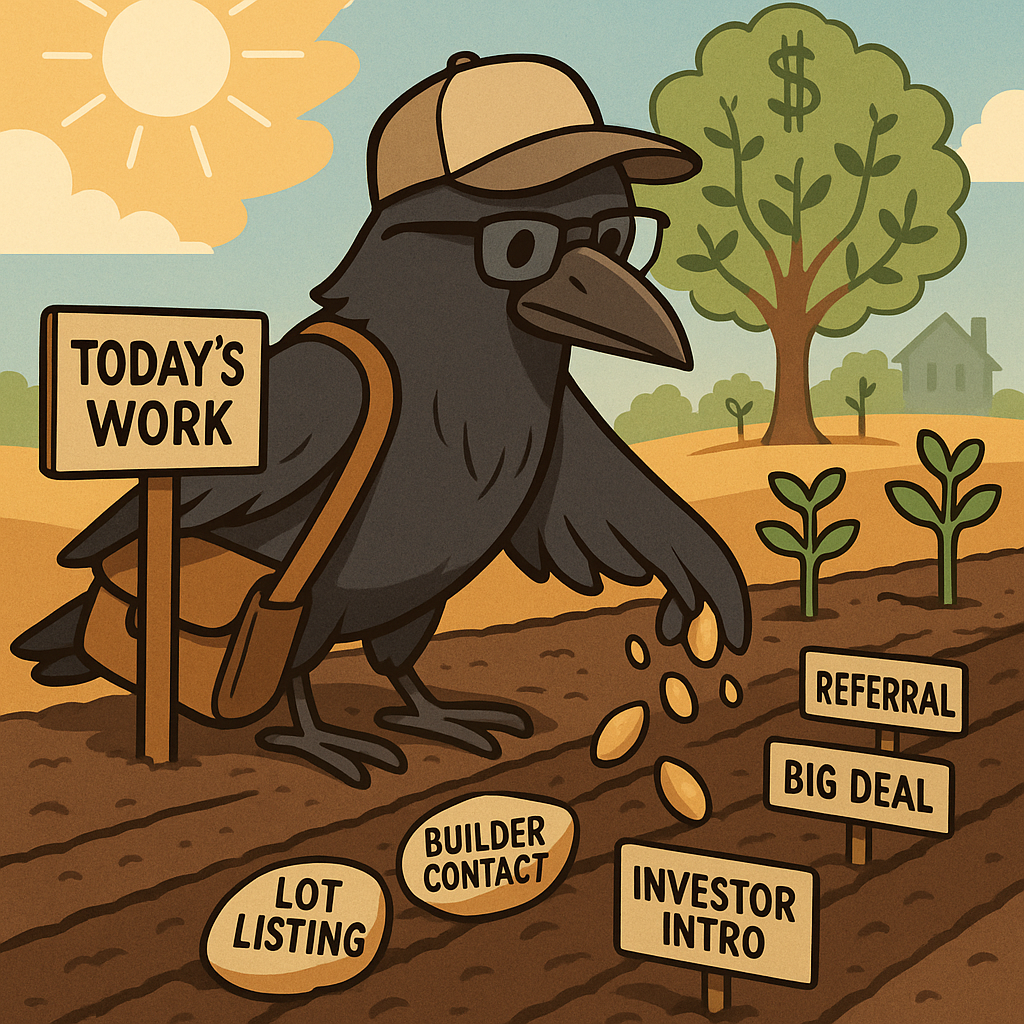
    “Sow your seed in the morning, and at evening let your hands not be idle, for you do not know which will succeed, whether this or that, or whether both will do equally well.”
    — Ecclesiastes 11:6

    When people say someone’s “getting in the way of their own success,” it’s usually a dig—like they’re sabotaging themselves. Looking in the mirror and seeing their own worst enemy.

    But I mean it differently.

    I mean setting things up so that small wins today create bigger wins tomorrow. Succeeding now, while positioning myself for even greater success later.

    Colleagues sometimes ask why I bother listing and selling custom home lots. I’ve spent years building the relationships and knowledge to work on larger land and development deals. My time is limited. So why “waste” it on smaller transactions, when I could be chasing deals that might pay 10x—or more?

    I usually say two things:

    1. I like helping people.
    2. These smaller deals tend to move faster and help smooth out my income.

    And that’s true.

    But the real reason?

    My long-term success depends on staying connected to investors, developers, and builders. Who owns custom home lots? Often, those same people.

    Here’s an example:

    A few years ago, I listed a lot for a guy who had shifted from homebuilding to commercial and multifamily work. I sold it, did my job well, charged my standard fee—and moved on.

    A few months later, I got a call from someone looking to invest in the same area. He’d been referred by the construction guy.

    It’s been nearly four years since that intro. The commissions I’ve earned from helping this new client buy and sell land? Over 150 times what I made on the original lot.

    And that’s not counting the deal we’re working on right now (had to stop while writing this to discuss)—which could be substantial as well.

    That’s just one story. It’s not the only one. The point isn’t to brag—it’s to show this was intentional. I don’t know in advance who’s going to refer me, but I know they’re out there. Every listing creates that chance.

    Worst case? I help someone sell something they don’t need, put the money to better use—and maybe make a friend.

    Best case? The upside is enormous.

    And you know who else might benefit from this network I’ve built?

    Maybe you.