Tag: Lot Sales

  • Maybe They Do, Maybe They Don’t

    Maybe They Do, Maybe They Don’t

    There’s a funny thing that happens in real estate whenever the market heats up — or whenever someone wants you to think it’s heating up.

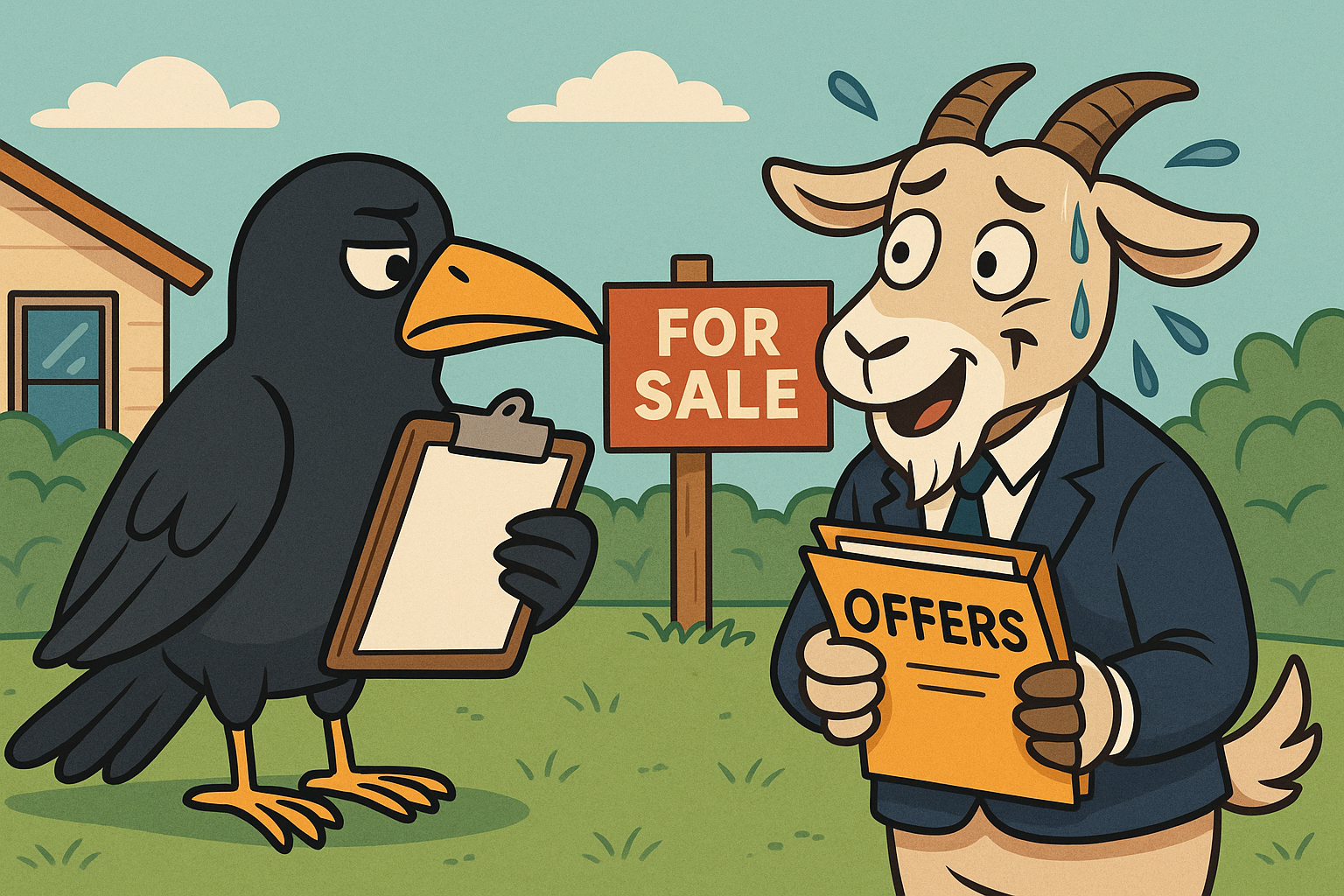
    Suddenly every listing has “tons of offers.”

    If you’ve tried buying a house recently, you’ve heard it.

    And if you’re an agent with more than six months of experience, you’ve watched it happen enough times to know the truth:

    Sometimes they do.
    And sometimes… they really don’t.

    “Multiple offers” can mean actual competition.

    Or it can mean one lowball offer the agent never countered, but is counting anyway “for negotiation purposes.”

    It can mean thirty showings and legitimate interest.

    Or it can mean two neighbors stopped by because they were curious and the agent wants to sound busy.

    It can mean the seller is in a strong position. Or it can mean the agent is manufacturing pressure because they don’t know what else to do.

    Here’s the reality nobody likes to say out loud:

    A lot of agents inflate their position because they think it helps them negotiate. It doesn’t.

    When an agent calls me and asks if I’m working anything, I tell them the truth.

    Every time.

    Doesn’t seem like something that’s to my advantage. But because of that, they know I’m telling the truth.

    And you know what happens? They remember it.

    They realize I’m one of the few who isn’t trying to run a tactic on them.

    And that means the next time I tell them something, they believe me. That kind of credibility compounds.

    On the rare occasion I’m working with a buyer and the listing agent hits me with the classic,
    “We’ve got SO many offers…”

    I just tell them:

    “No problem. Call me if you don’t get a deal done.”

    Two things happen:

    1. My client wins by not wasting time in a bidding war they wouldn’t win anyway.
      Opportunistic buyers don’t chase. They wait.
    2. The listing agent gets an easy way to save face when their “multiple offers” evaporate.
      And they usually do.

    Most agents are so busy trying to look strong that they forget you can’t negotiate your way past reality.

    And you definitely can’t negotiate past your own credibility.

    When the truth eventually shows up — and it always does — people remember who inflated and who didn’t.

    And the next time they have to choose which agent to believe…

    they choose the one who didn’t play games.

    PS- You’re probably not looking to sell today, but remember it’s always best to start preparing ahead of time.

    If you have anything you might be in the market for soon (buy or sell), I offer free analysis on any non-residential property.

    Is it ever a bad idea to deal with someone who isn’t afraid of the truth?

    Click Below:


  • You Should Follow the FBI Handbook (Better Than They Appear To)

    You Should Follow the FBI Handbook (Better Than They Appear To)

    People love to talk about negotiation like it’s some slick performance.

    Say the magic line. Use the magic trick.

    “Frame it this way.”

    “Promise them something you’ll figure out later.”

    That’s not negotiation. That’s drama club.

    One of the best negotiation lessons I ever picked up comes straight out of the FBI playbook:

    You don’t lie. Ever.

    In a hostage situation, someone might say, “If you promise I won’t do jail time, I’ll come out.”

    A negotiator can’t promise that. It’s not their call.

    And if they fake it, even for a moment, the entire situation collapses — not just that conversation, but every future one.

    Same thing happens in business. In real estate. In life.

    Credibility is your currency. Once it cracks, you don’t get it back.

    You can patch it, glue it, tape it — but everyone can still see the fracture.

    And that’s where most people get themselves sideways:

    They think lying buys them time.
    They think exaggerating buys them leverage.
    They think “avoiding the truth” keeps people calm.

    No — what it buys is suspicion.

    And once people are suspicious of you, nothing you say ever lands clean again.

    If I tell a seller I have a buyer “ready to write,” I’d better mean it.

    If I tell a buyer “you’re competing with ten offers,” It better be true.

    If I tell someone “you’ll have an update tomorrow,” I’d better deliver one.

    Not because I’m noble. Because I want to keep negotiating tomorrow.

    Trust is a renewable resource only when you don’t drain it.

    If you’ve ever been tempted to stretch the truth “just a little” to move a deal along, here’s the simple fix:

    Say what you can do. Be honest about what you can’t.

    You don’t lose deals by telling the truth.

    You lose deals by being the person people can’t trust when the truth matters. (And the truth always matters)

    The long-term advantage is always on the side of the person whose word actually means something.

    Protect your credibility — your future depends on it.

    PS- If you think negotiation is just for business, you’re missing most of the picture.

    Negotiation shows up everywhere — with your kids, your spouse, contractors, strangers at the store, people who try to take advantage of you.

    Maybe even the cops if you ever find yourself explaining why you were “only going five over.”

    If you get better at negotiation, you don’t just get better deals.

    You get a calmer life. Better conversations. Fewer blow-ups.

    More clarity. Less stress.

    One of the best books I’ve ever read on negotiation is Never Split the Difference by Chris Voss.

    I read it once a year.

    It’s that good.
    And if you read it — and actually apply what it teaches — it will help you in every part of your life.

    I have it listed on my Recommended Reading page here:

    (As an Amazon Associate, I earn from qualifying purchases.)

  • Jesus Died For the Person You Don’t Like, Too

    Jesus Died For the Person You Don’t Like, Too

    Christians say “all have sinned and fall short of the glory of God,” but we don’t really mean it.

    What we usually mean is something closer to:

    “All fall short… but some fall way, way shorter than me.”

    It’s amazing how consistent we are about this.

    If I don’t struggle with some particular sin, then that sin magically becomes the “big one.”

    The one that ruins people. The one that’s absolutely unacceptable.

    But the stuff I struggle with?

    Well, that’s different, you see.

    That’s “human weakness,” or “a tough season,” or “something I’m working on.”

    We treat sin like a menu:

    • The sins I’m not tempted by → “terrible, awful, society-destroying”
    • The sins I fall into → “relatable, understandable, complicated”

    It’s convenient. It’s comfortable. It keeps us feeling righteous without actually being righteous.

    The Bible doesn’t draw those lines.

    Jesus didn’t tell the Pharisees, “You’re doing great — at least your sins don’t look like theirs.”

    Paul didn’t write, “Here are the respectable sins that don’t really count.”

    Sin is not measured by how socially acceptable it is or how well it lines up with our own strengths.

    Sin is measured by the holiness of God — which means every one of us is on the wrong side of the line.

    The gospel levels the field.

    We don’t get saved by avoiding the sins that never tempted us.

    We don’t get points for being naturally moral in areas where someone else is naturally weak.

    We need grace for all of it — including the sins we pretend are small and including the judgment we pass on sins we simply don’t prefer.

    After you were saved, you didn’t magically stop sinning but you don’t lose your salvation.

    It works that way for people who struggle with things that you see as way worse than your minor sins too.

    Humility starts with remembering this:

    All sins fall short of the glory of God.

    And grace is the only reason any of us stand at all.

  • You Don’t Bring a Knife To A Gunfight

    You Don’t Bring a Knife To A Gunfight

    Online (so-called) gurus love arguing about tactics.

    Which method is “most effective,” which approach has the “highest conversion rate,” which strategy is “objectively superior.”

    You see it in every area of life.

    But here’s the truth nobody likes to admit:

    The best tactic for you isn’t the one with the highest power on paper.

    It’s the one you’ll actually use when it counts.

    Take firearms, for example.

    Online, people argue endlessly about caliber, velocity, stopping power, muzzle energy — all the internet-expert stuff. But then I saw a guy boil it down perfectly:

    “The most important thing about a handgun is that you’ll actually carry it.”

    That hit me.

    Because the truth is simple:

    A smaller, less powerful gun that’s on you is far more effective than the “perfect” gun in your safe at home.

    If it’s bulky, uncomfortable, or doesn’t fit your hand, you’ll leave it behind.

    And when you need it, the one sitting in the safe has exactly zero stopping power.

    A weaker tool you carry beats a stronger tool you avoid.

    Same principle applies everywhere else.

    People say, “In-person meetings are best.”

    Probably true overall. I like to think I make a great impression when I’m face-to-face. The problem? I’m shy enough that I’ll find a reason not to schedule that meeting unless I absolutely have to. So even if it’s the “best” method, I won’t execute it consistently.

    Phone calls? I can do those well also.

    But my hearing isn’t perfect, so phone conversations take a lot of effort. And anything that takes extra effort is something your brain tries to avoid. Which means I’ll put them off.

    Electronic communication, though?

    Email, text, long-form written explanations — that’s my thing. I’m good at it, it fits my personality, and I can do it every single day without resistance.

    And a decent tactic used consistently will outperform a “better” tactic that sits on the shelf.

    Plus, a slice of the market prefers electronic communication anyway. So even my “less optimal” approach has a natural audience where it becomes the most optimal.

    That’s the point:

    The tactic that fits your structure becomes the best tactic — for you.

    Business works the same way.

    Some people crush it with cold calls.
    Some win in person.
    Some do well with video.
    Some win by being loud.

    I win by being steady and understated, but consistent.

    The mistake people make is trying to force themselves into a tactic that doesn’t fit who they are. They burn out, avoid it, or execute it half-heartedly.

    A tactic you’ll use daily beats a tactic you’ll use “when you get around to it” — every time.

    Find the method you’ll actually execute. Make it part of your structure. Then build everything else on top of that.

    That’s how you get results without fighting yourself.

    PS- I offer a free, no obligation value analysis of any non-residential property. It includes information (like sold comps) that are hard to get if you’re not a broker.

    It includes other information (could be things like coming developments, utility info, etc) that you could obtain on your own, but since I do it for a living I can do it much easier and faster.

    So by letting me do it for you, you’re able to continue doing the things that work best for you.

    Is it crazy to think this is a smart way of doing things?

    Click below to get started:


  • Have You Heard About the Miracle Hangover Cure?

    Have You Heard About the Miracle Hangover Cure?

    One thing I’ve learned — about business, health, and life in general — is that you can’t tactic your way out of a structural problem.

    If the big stuff isn’t handled correctly, what you do with the small stuff doesn’t really matter. Maybe it works in the immediate term, but it won’t work long term.

    Most people try anyway. It’s easier. It feels productive. It gives you that little hit of “I’m doing something.”

    But it never lasts.

    Think about weight loss.

    People jump on crash diets, detox teas, miracle supplements, or now the latest round of drugs. And look — if a doctor prescribes you something and it helps, great. But none of those things fix the basic structure.

    Your life still has to be built around eating like an adult and moving your body a little. If the structure isn’t right, the tactics are temporary.

    (And if you look at me, you might say I’m not the one who should be talking about that.)

    Same with hangovers. You can chug coffee, pound aspirin, and inhale greasy food, but the structural solution is simple: don’t overdrink in the first place. That one change eliminates all the elaborate morning-after tactics people swap like stock tips.

    Most agents live entirely in tactics. Post more. Boost the ad. Send a mailer. Hack the algorithm. Pay for leads. Hustle harder. They chase the next trick because their structure is wrong.

    The structure — the part underneath everything — is the set of principles you operate from. Things like:

    • Be honest about value.
    • Tell people what they need to hear.
    • Keep clients for years, not transactions.
    • Make your marketing useful instead of loud.
    • Communicate like an adult.
    • Have a real process for valuation, pricing, and negotiation instead of winging it.

    If those structural pieces are solid, almost any tactic becomes productive.

    A mailer works. A blog post works. A phone call works. Because the foundation is right, the activity sits on something stable.

    You’re not trying to manufacture momentum out of thin air — you’re adding fuel to a fire that’s already burning.

    But if the structure is wrong?

    Then the tactics are just noise. They might get you a listing here or there, but they don’t build anything.

    You’ll have a great month followed by three dead ones. You’ll land clients who treat you like a commodity.

    You’ll work twice as hard for half the result because you’re patching problems you created by ignoring the fundamentals.

    And here’s the uncomfortable part: building the right structure isn’t flashy. You can’t brag about it on Instagram. It’s slow habits, consistent communication, telling the truth when it costs you money, and doing things well when nobody’s watching.

    Once the structure is right, tactics finally matter. They multiply. They compound. They stop being desperate moves and start being force multipliers.

    Most people will keep reaching for the aspirin instead of fixing the drinking problem. But if you build the right structure first, you won’t need nearly as many tactics — and the ones you do use will actually work.

    PS — You’re probably not an agent, and probably aren’t buying or selling land today. But the point still applies to you: set the stage ahead of time and things go much smoother when it’s showtime.

    I offer a free, no-obligation opinion of value on any non-residential property. You’ll get real comps in your area and everything pertinent to your situation.

    Development starting nearby? New roads? Utility issues on the horizon? You’ll know about it.

    Delivered with integrity.

    Based on a system developed over 20+ years, not overnight tactics.

    Is it ever a bad idea to be prepared?

    Click below to get started:


  • What Gratitude Really Does for You

    What Gratitude Really Does for You

    Thanksgiving always puts people in the mindset of being grateful, but the truth is you shouldn’t save it for a holiday.

    Being genuinely thankful — on purpose, every day — changes how you operate.

    Not in a mystical way. Not in a “manifest it” way.

    Just in the plain-old practical way that your brain behaves better when it’s not being dragged around by negativity.

    And gratitude is one of the simplest tools you can use for that.

    Here’s the practice I use, and it works whether you’re having a great week or you’re barely keeping it together:

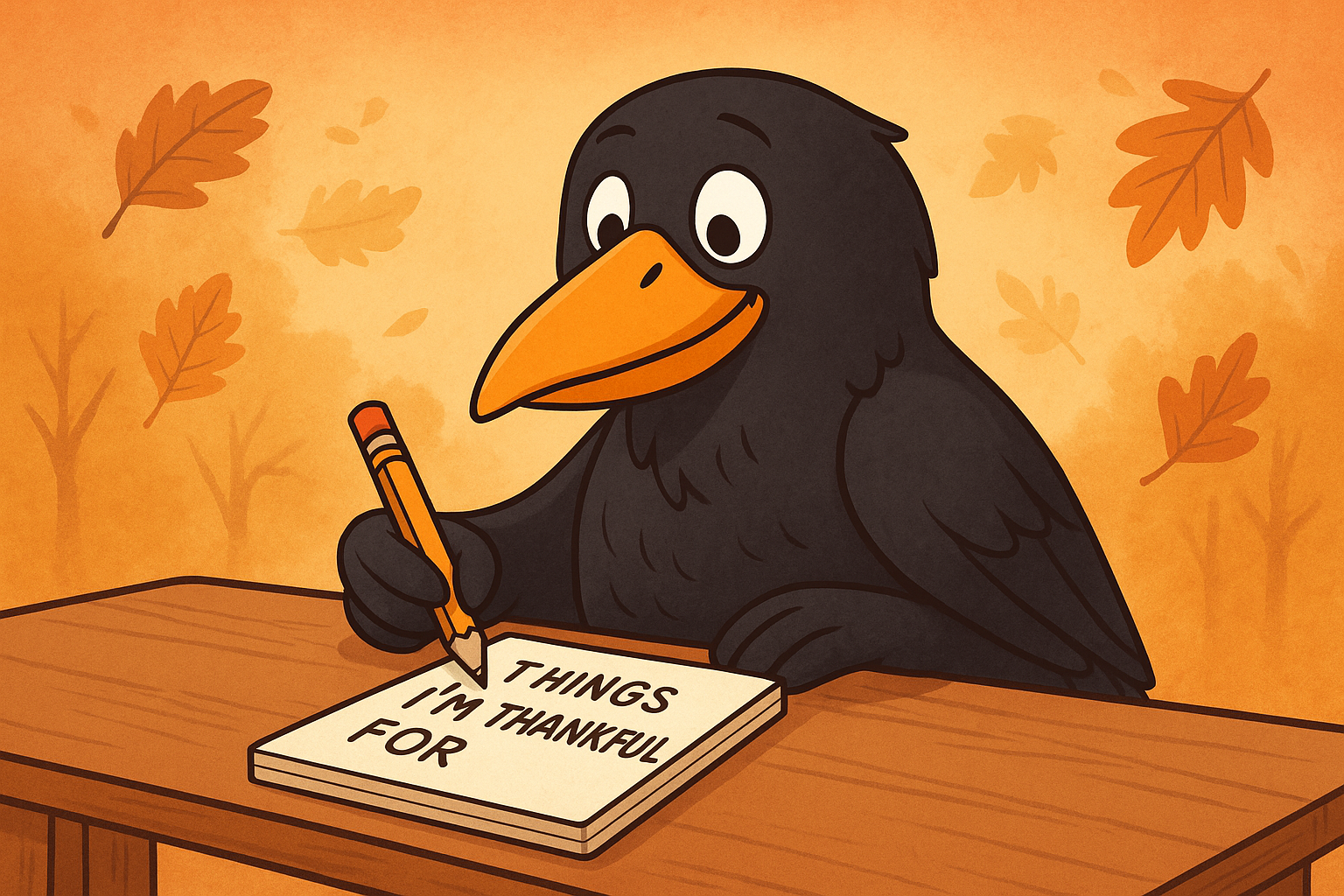
    Come up with three things you’re grateful for. Today.
    Nothing fancy. No forced positivity.
    Just three true things.

    Every day.

    They can be small. In fact, they usually are.

    Dinner tasted good.
    Traffic wasn’t awful.
    You slept well.
    Your kid called.
    Your dog was glad to see you.
    You finished a task you’d been avoiding.
    The weather cooperated.

    Doesn’t matter what it is.

    It just has to be real.

    You don’t have to write them down, but I usually do, because it forces me to actually stop and notice them. When I type it or email it to myself, it lands in a different way. It sticks.

    And that’s the whole point:

    To get your mind used to noticing what’s good instead of letting it run laps around whatever’s irritating you.

    People underestimate how much this matters.

    Your results improve when your attitude improves — and your attitude improves when you deliberately look at what’s not going wrong.

    It doesn’t fix everything. But it keeps you steadier.

    And most of the time, steady wins.

    So this Thanksgiving, sure — be grateful.
    But don’t stop on Friday.
    Keep going.
    Three things a day.
    Simple, honest, small.

    Do it long enough and it will change more than your mood.

    Want posts like this sent to you automatically?

    Get them in your email here — no spam, no pestering, just the daily posts.

  • “Saving” Money Straight Into The Poorhouse

    “Saving” Money Straight Into The Poorhouse

    If you’ve followed real estate news at all, you’ve seen the commission lawsuit noise.

    Quick disclaimer: I’m a broker, not an attorney or CPA. Nothing here is legal or financial advice. If you need that, talk to someone with the right license.

    Okay.

    Here’s the short version.

    For decades, sellers paid their listing broker, and that broker offered part of that to the buyer’s agent.

    You can still do it that way. But now you can choose not to offer anything to the buyer’s agent.

    So people ask me: “Can I skip paying the buyer’s agent?”

    Yes. You can.

    But the smarter question is: “Will skipping it actually help me?”

    Here’s reality:

    People who are in the business — investors, developers, builders — don’t try to nickel-and-dime this.

    They know the old structure works because it produces the best overall result.

    Now let’s get practical.

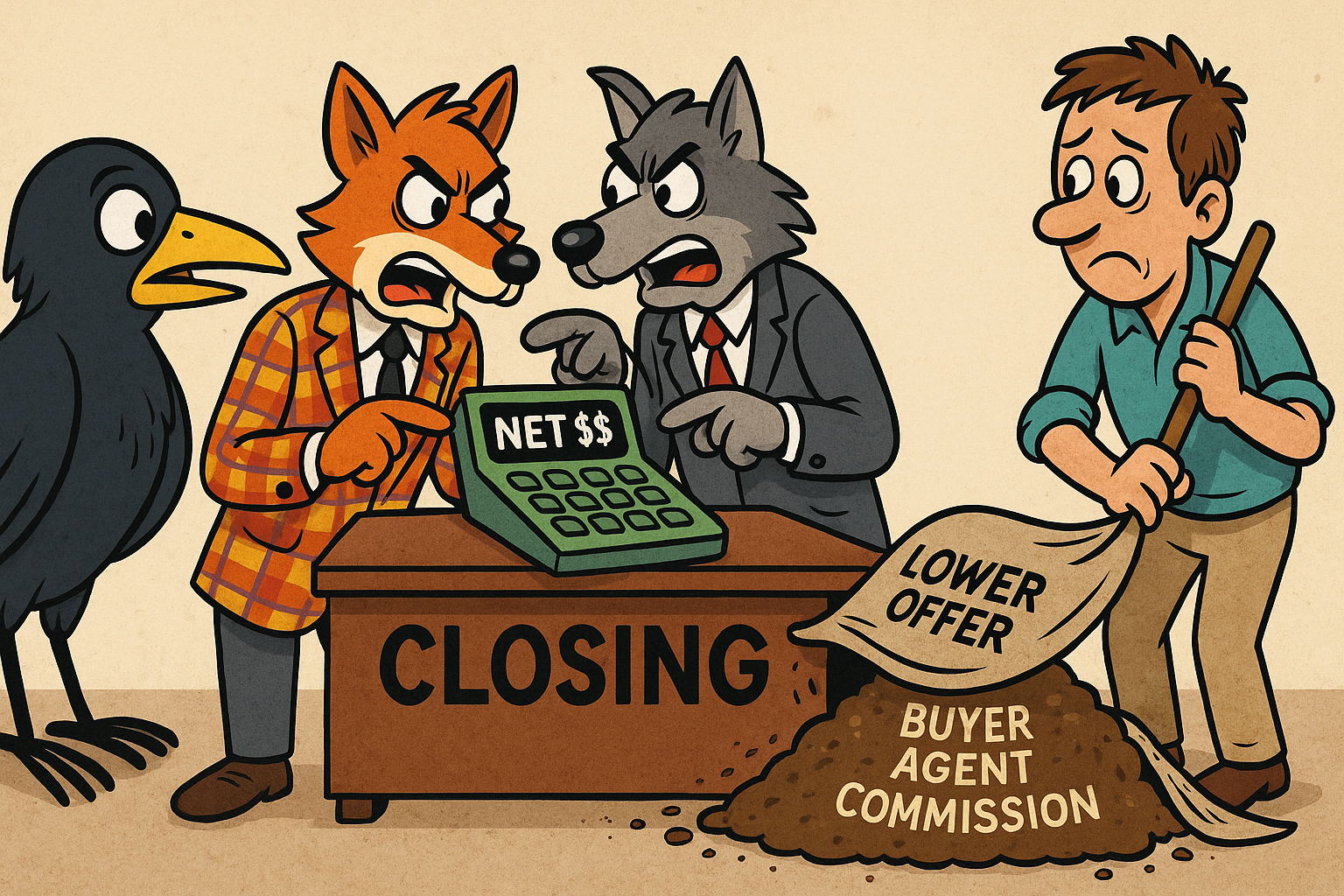
    If you don’t offer buyer-agent compensation, the buyer now has to cover their agent themselves. So what do they do?

    They subtract that cost from the price they’re willing to pay you.

    Your net ends up basically the same — except you’ve added friction for no gain.

    Think of it like gas taxes.

    You don’t itemize them when you fill up — you look at the number on the sign.

    If a station suddenly made you pay taxes separately, would you calmly pay the same pump price?

    Didn’t think so.

    Now let’s talk human nature.

    Every buyer’s agent is essentially part of your sales force.

    They know their clients. Their clients trust them. If your property fits, they’re the ones who can sell it.

    But if they have to say,

    “By the way, you’ll have to pay my fee out of pocket if you want this one,” they often just don’t show it.

    They’re not supposed to behave that way — but they do.

    On the other hand, if you offer a full commission how do you think they respond?

    They show it. They push it.

    They help make the deal instead of quietly letting it die.

    That usually leads to a higher price and a better net — even if the middle of the process looks more expensive.

    Especially when you’ve got someone negotiating who knows what they’re doing (hello).

    But the right move is the one that maximizes your net, not the one that looks neat and tidy on a line item.

    PS: I offer a free, no-obligation analysis on any non-residential property.

    Most people wait too long to start preparing.

    I shoot straight, keep it simple, and treat you the way I’d want to be treated.

    Anything wrong with that?

    Click below to get started.


  • Embrace the Uncertainty

    Embrace the Uncertainty

    I’ve talked before about what happens in car dealerships. Not because cars and land are the same thing, but because human nature doesn’t change from one industry to another.

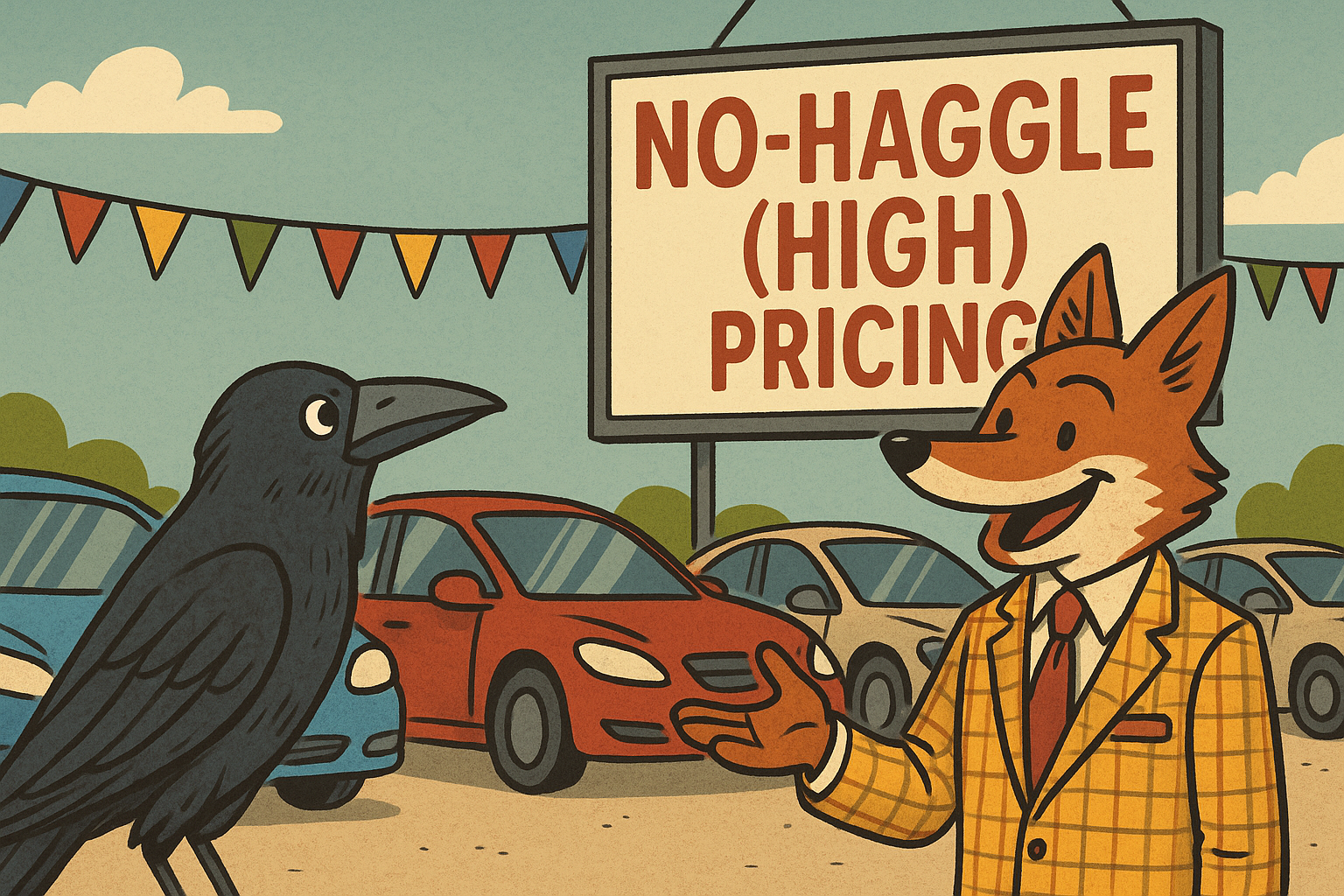
    Most people know about the “no-haggle” lots. CarMax, AutoNation, places like that. They advertise a clean, easy process.

    No back-and-forth. No discomfort.

    And people walk in convinced they’re getting a better deal. Reality?

    Prices at no-haggle lots are higher on average than old-fashioned dealerships.

    People don’t go there to save money. They go there to buy certainty and avoid the emotional friction of negotiation.

    Nothing wrong with that. Just be honest about the tradeoff.

    Real estate has its version: the iBuyers.

    They promise no showings, no repairs, no timing problems.

    What they don’t say as loudly is that you’re going to make less money going that route.

    Still not a bad option for some people.

    I’ve even used an iBuyer myself in the past. (Don’t tell the other agents.)

    The pattern is simple:

    More certainty = less money.
    More uncertainty = more potential upside.

    Doesn’t happen every time. But on average that’s how the real world works.

    Now let’s talk land.

    The iBuyer model doesn’t work here. Not well, not consistently, and usually not at all.

    The groups who even touch land have to pay extremely low prices. And if they offer something reasonable, the timelines are unacceptable. Because they’re not “buying.”

    So if you own land, the nice tidy “certainty option” doesn’t really exist.

    Which means you have one path: You embrace the uncertainty.

    You price it reasonably based on real comps and activity. You put it out there. And then you let the market talk back to you.

    How fast will a buyer show up?
    Don’t know.

    What will they offer?
    Don’t know.

    How long will they need for feasibility?
    Don’t know.

    Will you have to pay for a new survey?
    Maybe. Sometimes it actually helps you get the number you want.

    It can get a little messy.

    But when you have the right people on your side (hello), it usually turns out better than you expected when you started.

    That’s the good news.

    The other good news?

    Anyone who pretends they “know exactly” how a land deal is going to unfold is either blowing smoke to impress you or doesn’t understand land.

    Either way, that’s not the person you want representing you. And they’ll show you that if you’re paying attention.

    PS- I offer a free, no-obligation look at any non-residential property you’re considering selling. You’ll get info including:

    • real comp sales
    • current development activity
    • utility info
    • market conditions
    • what’s likely… and what’s possible

    Ask me what will happen?

    I’ll tell you the truth: I don’t know.

    That honesty annoys a few people at first.

    But by the time we’re done, you’ll know you worked with someone who was trying to get you the right outcome — not just “work you.”

    Click below to get started.


  • The Myth of the Perfect Market

    The Myth of the Perfect Market

    People waste a lot of time waiting for the market to become “perfect.”

    Perfect for buying.
    Perfect for selling.
    Perfect for building.
    Perfect for subdividing.
    Perfect for investing.

    Much of the time, it seems like their main fear is that other people are going to point out how they screwed up after the fact.

    If you wait long enough, the perfect moment eventually shows up… about two years after it would have done you any good.

    I’ve watched this play out for two decades:

    someone waits and waits and waits because they’ve convinced themselves they’re going to catch the absolute top or the absolute bottom. They think there’s going to be a magic bell that rings to tell them, “OK, now.”

    That bell doesn’t exist. The perfect market doesn’t exist.

    Only hindsight pretends it does.

    And hindsight is a world-class liar.

    Real estate — and land especially — never lines up neatly.

    Interest rates rise.
    Then construction costs fall.
    Then inventory drops.
    Then a factory announces expansion.
    Then a buyer disappears.
    Then a new buyer shows up out of nowhere.

    It’s never tidy.
    It’s never predictable.
    And it never waits for you.

    Here’s the truth:

    Most success in land deals doesn’t come from timing.
    It comes from clarity and execution.

    Clarity means knowing what you want out of the transaction before you start.

    Execution means acting when the numbers make sense — not when the voices in your head finally stop arguing.

    The people who do well aren’t the ones who wait for perfect conditions.

    They’re the ones who look at the information in front of them today, make a plan, and move. Or don’t. If it makes sense to wait.

    They adjust when new information arrives.
    They don’t re-litigate the decision every morning.
    They don’t pull back because their neighbor’s cousin said “the market’s about to crash.”
    They don’t freeze because the new highway is “probably” moving three years from now.

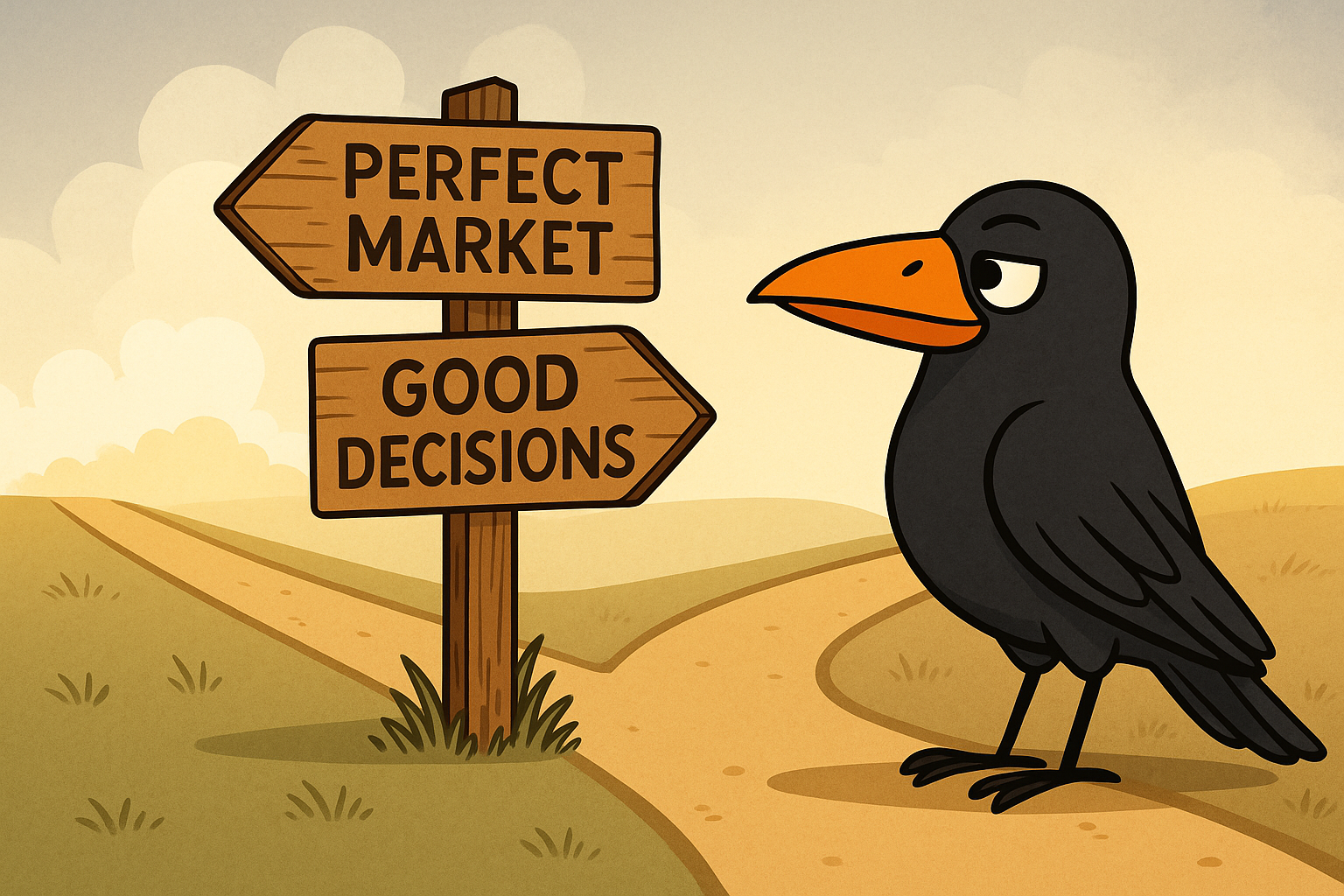
    Perfect markets are a mirage.

    Good decisions are real.

    And good decisions tend to have a few things in common:

    1. The price makes sense today.
    Not “if rates fall.” Not “if a developer shows up.” Today.

    2. The timeline fits your life.
    If you don’t want to hold something for five more years, that matters more than whatever Yahoo Finance says.

    3. The numbers work even without the dream scenario.
    If a deal only makes sense with the perfect buyer, perfect zoning, perfect weather, and perfect timing… it’s not a deal.

    4. You’re not trying to outsmart the universe.
    Markets reward discipline, not clairvoyance.

    There is no perfect moment.

    There’s only the moment when the facts line up well enough that you can move confidently.

    People who act on “good enough” usually beat the people waiting on “perfect” — because they’re actually in the game.

    Pick your direction. Know your numbers. Then act.

    Everything else is noise.

    PS- It may not be the right time for you to buy or sell land today. But is it ever a bad time to have the most current information?

    I offer a free, no obligation value report on any property (non residential). All you have to do is click the relevant link below to get started.

    No pressure, no BS, just straight talk.

    Is it crazy to want to deal with someone like that?

    Click Below:


  • It’s Looking Like You’re Going to Have to Go.

    It’s Looking Like You’re Going to Have to Go.

    Joe Rogan said recently that he’s been going to church. He said something along the lines of: “It’s actually very nice. They’re all just trying to be better people. It’s a good vibe.”

    And that’s good.

    There are a lot of people who could benefit from simply sitting in a place where everyone is at least trying to orient themselves toward something higher than their own impulses.

    And I don’t know what’s in Joe’s heart, but I’m glad he’s going.

    His orientation toward Christianity has changed over the years, and I hope he gets all the way there.

    I also hope he isn’t being used to help people get comfortable with treating the Bible as just a moral framework, while stopping short of confessing that Jesus is Lord. Like many say about Jordan Peterson.

    But regardless of all that, there’s something important to clarify:

    Christianity is not a self-improvement project.

    It’s not “be a better version of yourself.” It’s not a lifestyle upgrade or a moral hobby. It’s not even “learn to be a good person.”

    Because here’s the truth:

    You can’t make yourself good.

    If it were possible to simply try harder and behave your way into righteousness, Jesus wouldn’t have needed to come at all. And the people who followed Him wouldn’t have needed Him either.

    Self-help says: improve yourself.

    The Gospel says: you can’t. That’s why you need Christ.

    Now, it is true that following Jesus will often (not always, but often) lead to better outcomes in life.

    More peace. More patience. Fewer disasters caused by your own stupidity. Better relationships. Less self-inflicted chaos.

    But that isn’t because you’re “getting better.”

    There’s a difference.

    If Christianity were about improving your earthly situation, then Jesus — who never sinned once — should have had an easy life. He didn’t.

    They killed Him.

    The people closest to Him — the ones who became more like Him as they followed — were imprisoned, beaten, mocked, and executed. Not rich. Not adored.

    Not living their “best lives.”

    They didn’t become successful.

    They became sanctified.

    They didn’t get upgrades. They got transformation.

    So when someone goes to church and says, “It’s nice. Everyone’s just trying to be better people,” that’s okay. That’s an entry point. A doorway. A starting step.

    But the deeper truth is:

    The old you doesn’t need to improve.

    The old you needs to die.

    And the new life that comes after — the life in Christ — is something you cannot produce by effort, discipline, or good intentions.

    It’s not self-help.

    It’s surrender.

    If you like reading along with these, you can get them in your inbox each week.