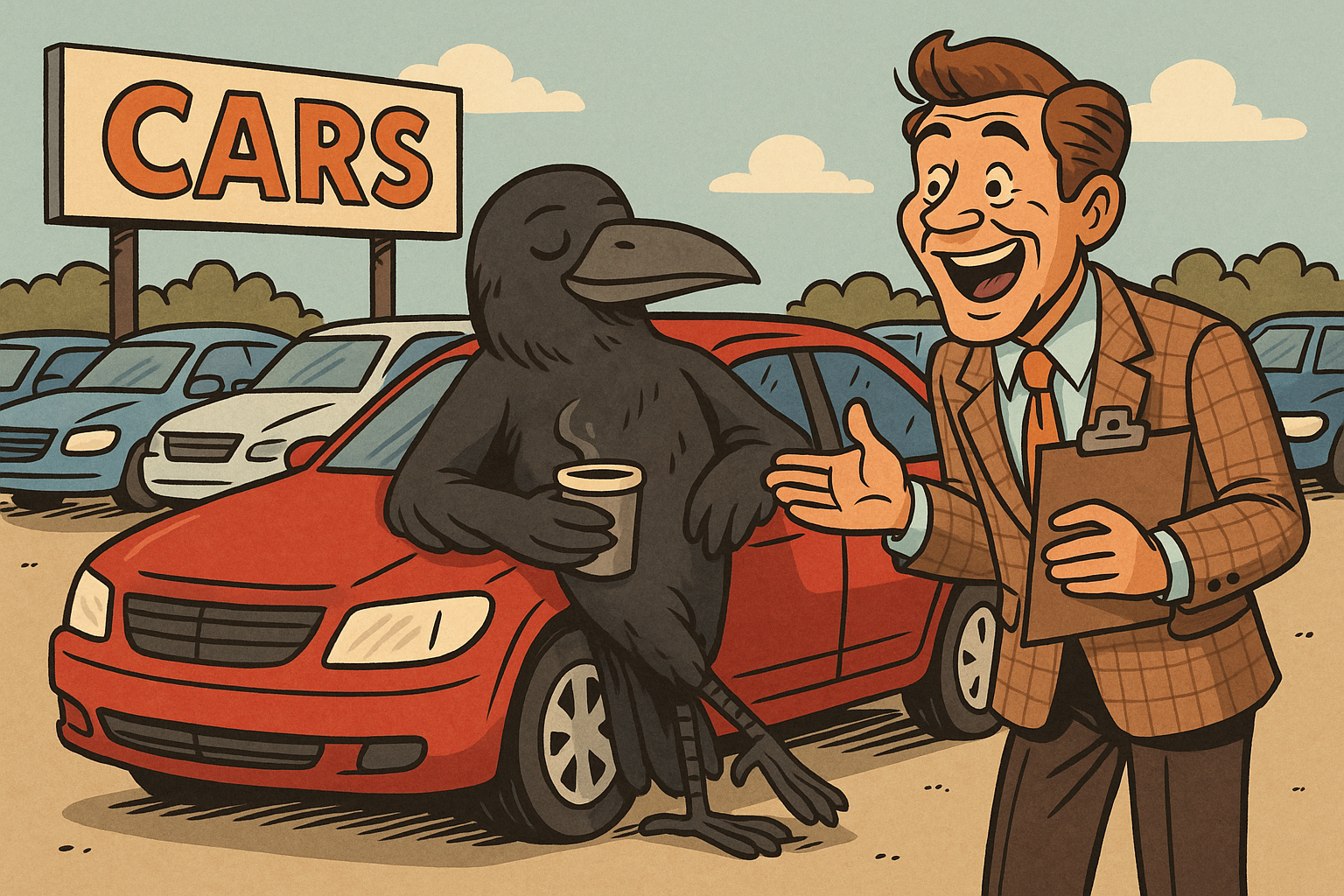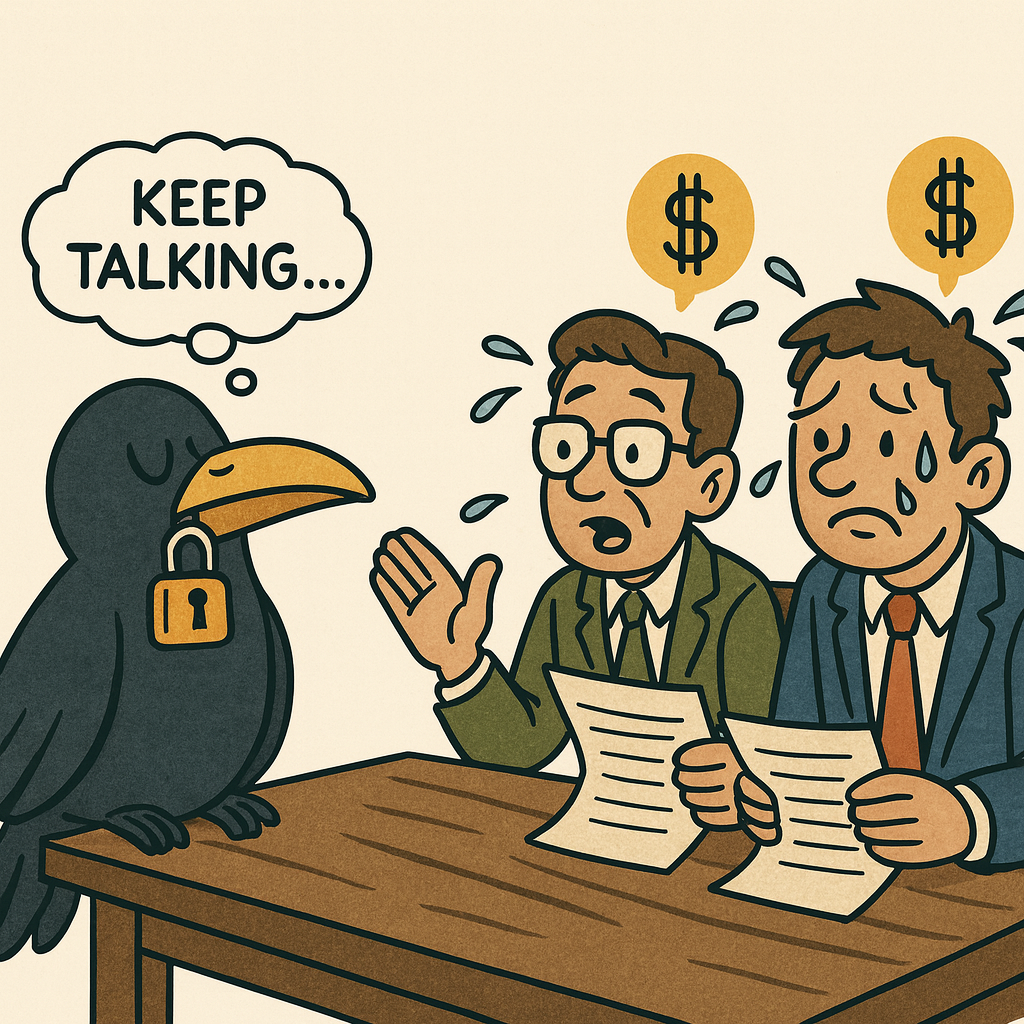
There are very few things that can’t be improved with less talking
People think negotiation is all about talking. Or intimidation. Or acting like it’s a high school debate class.
It’s not. A lot of the time, the less you talk, the better you do.
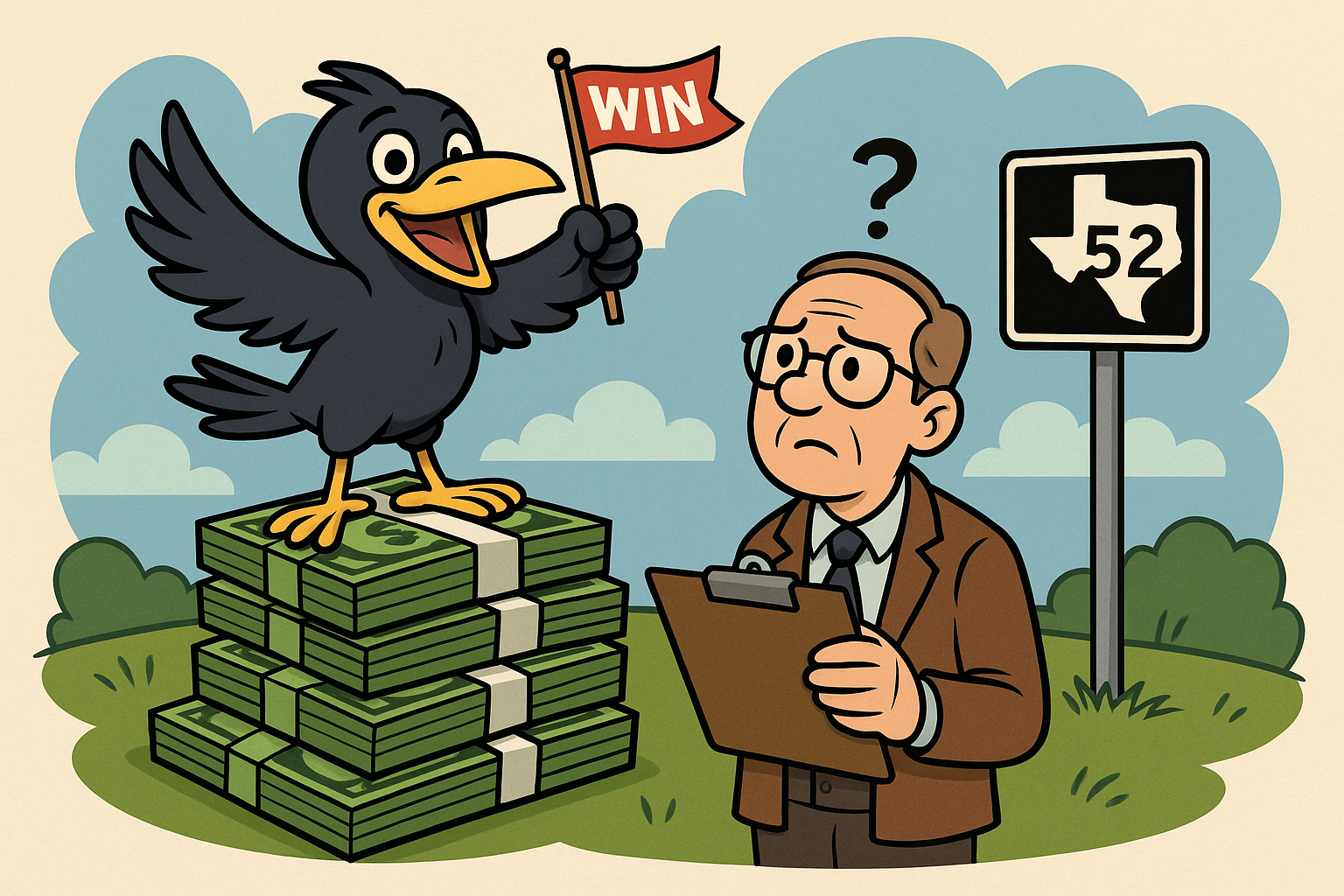
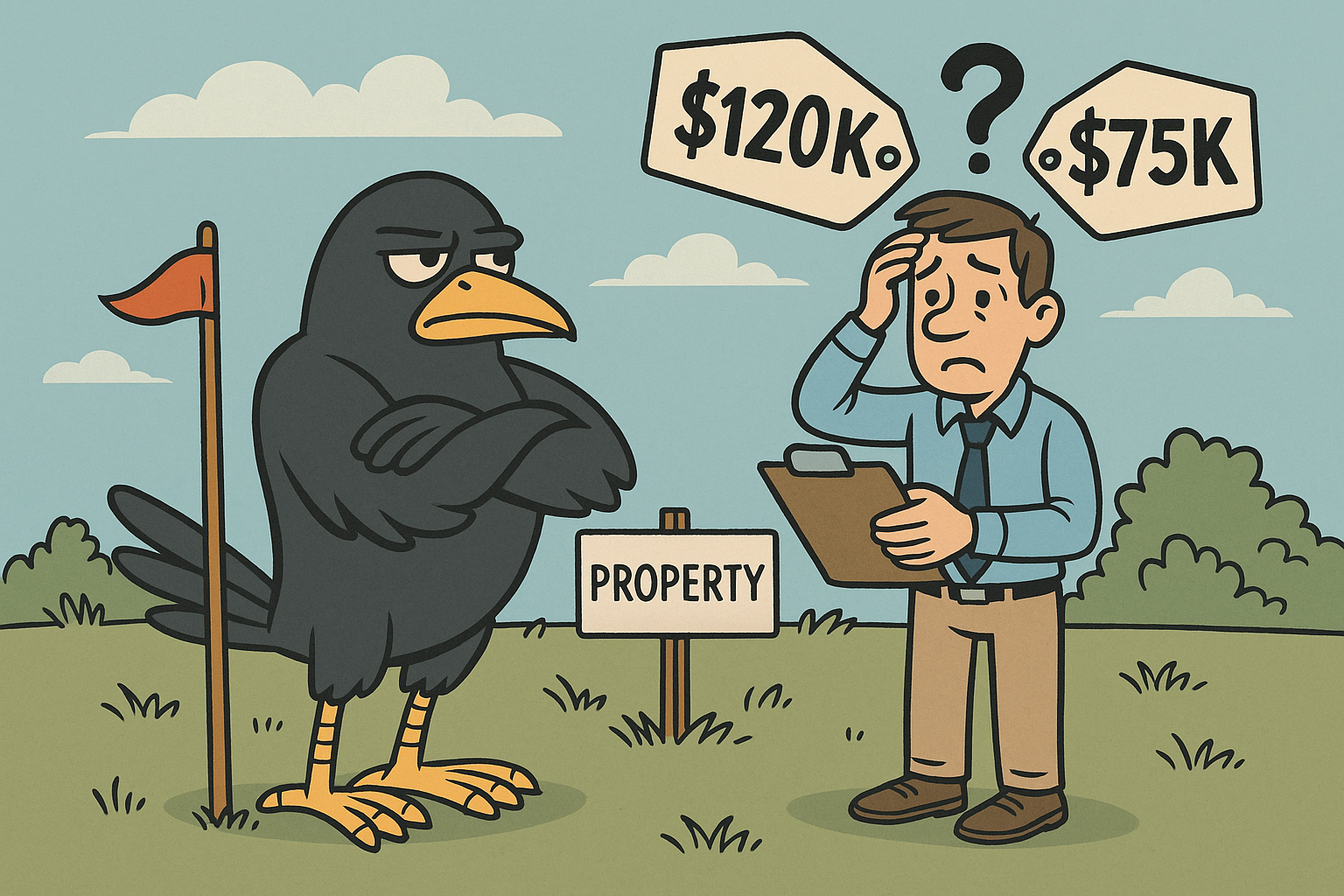
There’s a concept called “anchoring.” It’s when someone sets the first number on the table, and everything after that gets compared to it — whether you like it or not. That number creates a reference point in everyone’s head, even if it makes no sense.
It can even work when the number isn’t connected to the negotiation at all. If, right before we sit down, someone mentions the Powerball jackpot is over $700 million, that sticks.
Now, if we’re negotiating a tract worth $5 million, you’re not suddenly walking away with $140 million just because of the Powerball number. But that huge figure can still shape the conversation in subtle ways.
Even crazier? You don’t need numbers at all.
If you ask me what something costs, and I say, “It’s expensive,” or, “It’s affordable,” I’ve just anchored the entire discussion.
You might argue that “expensive” to one person could be “cheap” to someone else, but it doesn’t matter — the frame is set. People fill in the blanks based on their own reference points. And once that frame is in place, you’re steering the deal before it even starts.
Most people try to anchor with words. They throw out their price first and have a big pitch to back it up, explaining why it’s “fair.” Sometimes, that works. But a lot of the time, silence works better.
Here’s why: once a number hits the table, human nature takes over. People hate awkward silence, so they start filling it. And the more they talk, the more they second-guess themselves. I’ve watched buyers negotiate against themselves without me saying a single word.
Example: I was at the table on a land deal a while back. Buyer comes in low. Really low. I didn’t argue. I didn’t counter. I didn’t defend the price. I just sat there.
Thirty seconds later, he starts explaining why his offer “makes sense.” Another pause. He talks again: “I could probably come up a little if we can work out the terms.” Another pause. Then comes: “Okay, maybe we can do X.”
I hadn’t said a single thing. We didn’t end up making a deal — we were just too far apart — but it’s still a perfect example of anchoring without saying a word.
Of course, most negotiation today doesn’t happen at a table. It’s remote and electronic now. But the principle is the same.
As a broker, I’m required to respond when someone reaches out to me. That doesn’t mean I have to engage.
So if a lowball offer comes in on your property, I reply as soon as I see it — but all I say is:
“Thanks, I’ll review with the seller and let you know what he says (if anything).”
Then I come to you, and I usually recommend silence as the best strategy. You’re always in control, so it’s your call, but if you agree, we sit tight.
Before long, if they’re serious, they come back to us — either explaining themselves or raising the price.
People think power in negotiation comes from talking. The truth is, most of the power comes from not saying what the other side wants you to say. The less you explain, the more they have to. And when they’re talking, they’re usually giving up leverage.
When you’re ready, click below. No pressure, no cost, no obligation.
Got a lot you might want to sell?
Get a FREE, no obligation report on what it could sell for today.
Get Your Lot Valuation
Own land instead?
Get a report for that here:
Get Your Land Value
Just a glutton for punishment?
Sign up now to get more articles like this in your email.
Sign Up Now