Author: MB

  • When They Tell You It’s Not About The Money…

    When They Tell You It’s Not About The Money…

    Funny how some people think their misdirection isn’t obvious.

    There’s a line people repeat a lot about teachers:

    “The best teachers don’t do it for the money.”

    I get the sentiment. A good teacher shows up, cares, helps kids grow. Nobody wants someone in that role who’s just punching a clock.

    But something funny happens when you hear that line:

    The very next sentence is usually that teachers should be paid more.

    If the good ones don’t care about money, and the ones who do are the problem… well, shouldn’t the solution be to pay them less?

    Obviously I’m being facetious. Sort of.

    Teaching is a great profession. Important work. If someone is good at it, hopefully they can be paid enough to stay.

    The problem is the dishonesty of pretending money doesn’t matter — while arguing about money.

    Same thing shows up with lawyers.

    Someone gets harmed, a lawsuit gets filed, and the attorney says he’s “pursuing justice.” Sure — but he’s also pursuing a percentage. Nothing wrong with that, just say it out loud.

    Money is not evil. It’s just uncomfortable for people who don’t want to admit they care about it.

    So let me skip the dance:

    I do what I do to make money. And I try to make as much of it as possible.

    • I know the land market in North Texas
    • I don’t bluff, sugarcoat, or overpromise
    • I negotiate for a living and can put that to work for you
    • And I don’t get paid until after something good happens for you

    I charge at the top of the normal broker range. I don’t discount.

    But when we work together, you won’t wonder whose side I’m on.

    I’ll be honest with you from the start. That’s the whole reason I write things like this — they filter out the clients I don’t want and attract the ones I do.

    If that makes you not want to work with me, that’s fine. Saves us both time.

    But if you appreciate someone who says the quiet part out loud — we’ll get along well.

    You may not be ready to buy or sell now. But is it ever too early to know what your land is worth and what your options are?

    Pick whichever applies:


  • Most People Only Judge Decisions by the Outcome

    Most People Only Judge Decisions by the Outcome

    Say you’re in a casino playing blackjack.

    We’ll skip the obvious point: the smartest play is not being in the casino in the first place. If you sit down at a table where the house mathematically wins over time, you already made a bad decision.

    But let’s say you’re there anyway, with a friend.

    You both get dealt 16. Dealer is showing a King.

    You hit. You bust.

    Your friend stands. Dealer flips a weak card underneath, draws again, goes over, and busts.

    You lose. He wins. He looks at you like he’s the genius.

    Here’s the truth:

    You made the correct play. He made the wrong play. He just got rewarded for it.

    This time.

    Hitting 16 against a 10 or face card is the higher probability move. It doesn’t mean it works every time.

    It means over the long run, you lose less money by doing it. (note I didn’t say “win more”)

    Your friend made the lower probability move and happened to get the good result this time.

    The casino is built on this exact trick. People confuse outcome with decision quality.

    And most people make real estate decisions the same way.

    Someone lists their land way above where the comps say it should be. Because “someone might pay it.” And yes, sometimes someone does. Just like sometimes standing on 16 works out.

    But more likely?

    You sit on the market. You burn the best early attention. Interest cools.

    You get labeled as overpriced before the right buyers even see it.

    Then the only offers that come in are the ones you didn’t want.

    You didn’t just lose time. You lost leverage. Now you’re negotiating from behind.

    The smart pricing strategy in real estate is the probability play, not the fantasy play. What is most likely to happen? What have actual buyers actually paid for similar property in the last 60 to 90 days? What does current inventory look like? How many real buyers exist for this kind of property right now?

    The correct strategy is not hoping for the best outcome or whatever “feels good.” You should be looking at the likelihood of success along with the potential payouts for each option and act accordingly.

    Yes, you only need one buyer. But normally the best way to find that buyer is to price where the largest pool of real buyers actually is. Not where the imaginary long-shot buyer might be someday if everything goes perfectly.

    If you keep making the highest probability decisions, the outcomes take care of themselves over time.

    The other way, the stand on 16 and hope way, looks smart every now and then, right up until it doesn’t.

    If you want your land decisions based on probabilities instead of luck, I’ll show you the actual numbers and what they mean. No hype. Just reality and what to do next.

    If you’re not under pressure and the market doesn’t seem likely to give you what you’d like, then wait. Won’t hurt my feelings any.

    But if it does look like you can get where you want to go, put it out there and see.

    It may not work. Nothing is foolproof.

    But by making smarter decisions up front it usually gets easier later.

    Is it ever a bad time to do the smart thing?

    Click below:


  • You Can’t Borrow Confidence

    You Can’t Borrow Confidence

    A lot of people think confidence is something you display. Chest out, louder voice, strong handshake.

    That’s the movie version.

    The real thing is quieter.

    You don’t have to announce it because you’re not performing for anybody.

    The loudest guy in the room usually wants you to think he’s the strongest.

    If he actually was, he wouldn’t be talking about it. He’d just do what he came to do.

    Most people try to borrow confidence from somebody else. They surround themselves with hype. Friends, coaches, influencers, “mentors,” motivational quotes, group chats.

    Nothing wrong with any of that — but if you pull the crowd away and you’re suddenly unsure…

    It wasn’t confidence. It was noise.

    Confidence is built quietly, by doing things you don’t want to do until they’re not a big deal anymore.

    Showing up when it’s uncomfortable. Having the conversation you’d rather avoid.

    Saying no when yes would make someone else like you more.

    Confidence is a byproduct.

    Not a performance.

    People get this backwards in business, dating, sports, negotiations — everything. They think if they look confident first, the real confidence will eventually show up.

    But confidence doesn’t come from the pose.

    When you know what you’re capable of because you’ve watched yourself do hard things, you don’t need to posture.

    And when you know what you’re not capable of yet, you don’t need to pretend. You just keep working.

    That’s why the calm guy is usually the real threat. He’s not trying to convince you of anything.

    He’s already convinced.

    You’re probably not ready to sell your land today. But the time to start is well before you intend to do anything.

    Get the current market info, real comps. Start talking to someone to see if you can trust them and if they are the right fit for you.

    If things change and time to sell comes quicker? You’re ahead of the game. If not, what have you lost be being prepared.

    I’m not like most of the agents you probably know.

    I don’t “rah-rah” your property. I don’t hype it up, oversell it, or drag buyers around pretending like we’re about to hit the lottery.

    That’s theater.

    I look at the land. The comps. The zoning. The development patterns.

    The buyer pool.

    The real demand — not the imaginary one you hope is out there.

    Then we price it correctly, present it well, and give the right buyer the opportunity to see it.

    I don’t have to be loud about it. I don’t have to “create” something that isn’t there.

    Confidence is knowing the deal will close because the fundamentals make sense.

    No borrowed hype. No pep rally. Just the work.

    Is it crazy to want to work with an honest guy who knows the ropes?

    Click Below:


  • Tell Me No Anytime (I’ll Do the Same)

    Tell Me No Anytime (I’ll Do the Same)

    A funny thing happens when you’re friendly, kind, approachable, or easy to talk to:

    People start to assume you’re available.

    Available to help. Available to listen. Available to change your schedule. Available to bend your day around theirs.

    They don’t ask.

    They just sort of… lean in your direction and expect you’ll catch them.

    Most of the time, it’s not malicious.

    It’s just how people operate when they haven’t built their own structure.

    And a lot of us were raised to be polite. We were taught to:

    • Hold the door
    • Let people finish their sentences
    • Speak respectfully
    • Not act like we’re the center of the universe

    All good things.

    But somewhere along the way, a lot of people picked up a wrong idea:

    That being polite means being accessible.

    It doesn’t.

    You can care about people and still protect your time.

    You can treat people well without making yourself available on demand.

    The problem is, if you’ve been polite your whole life, the first time you say “No, that doesn’t work for me,” somebody is going to act like you just keyed their car.

    That’s fine. Let them. They will live.

    If you have a hard time saying no, try this: the next 3 times someone asks you to do something, resolve now to tell them no. Without even knowing what it is.

    You’ll find out quick that they don’t stay mad long. They’ll stop asking for things they shouldn’t have been asking for in the first place.

    (and if it’s something you wanted to do you can always call back later and say you changed your mind)

    Because here’s the alternative:

    If you make all your decisions based on who might get upset, you’ll end up living a life that isn’t even yours.

    And then you’ll resent everyone around you — quietly, constantly — while still trying to smile through it.

    No thanks.

    Here’s the real rule:

    Polite is how you behave.

    Available is what you choose.

    They are not the same thing.

    Once you separate those two, life gets a whole lot easier.

    You can look someone in the eye, speak kindly, and say:

    “No, that’s not going to work for me.”

    No apology. No justification. No performance.

    If someone needs you to sacrifice yourself to prove you’re good…

    that’s not a relationship — that’s leverage.

    And you don’t owe anyone that.

    Now lets shoehorn real estate into this…

    When you call me with questions about your land or lot, I’m glad to help.

    But I’m not going to pressure you. I’m not going to “stay in your ear.” And I’m not going to chase you around trying to convince you of anything.

    Because your time is your time.

    And mine is mine.

    The way it should be.

    If you want to understand the value of what you own — now or just for the future — I’ll get you the information straight. No sales pitch. No urgency.

    Polite — not available.

    Click Below:


  • You Don’t Know Who’s Swimming Naked Until the Tide Goes Out

    You Don’t Know Who’s Swimming Naked Until the Tide Goes Out

    (This one needs a big fat disclaimer: I’m not a CPA, licensed securities professional, an attorney, or anything like that. I’m a real estate broker. I shoot straight, but none of this is legal or financial advice. You should consult the relevant professionals in those fields should you have questions. All of this is for informational purposes only.)

    Real estate cycles run longer than stock market cycles.

    That’s because real estate isn’t liquid.

    When stocks fall, you can still sell. There’s always new retirement money flowing in, keeping things moving.

    (yes, it’s by design that the least sophisticated investors basically have no other option but to sink their 401k money into the stock market. He who has ears to hear, let him hear.)

    But in real estate, when the market turns, the buyers disappear.

    And that’s when you find out who was actually making money because they were good — and who was just making money because prices were going up.

    We’ve been in an expansion phase for a long time.

    For most people in the business today, the only market they’ve ever known is a rising one.

    That creates a specific kind of confidence: The kind that comes from never being tested.

    The people who look the smartest in an up-market aren’t usually the best operators.

    They’re the ones taking the most risk.

    Leveraged to the hilt. Borrowing against deals to buy more deals. Investors nodding along because so far everything has worked.

    And yes — some promoters are already doing things their investors don’t know about.

    (I don’t know about anything specific so nobody call their lawyers…it just happens all the time)

    When everything goes up, nobody asks questions.

    When everything stops going up, everyone asks questions at once.

    That’s when the tide goes out.

    And then you’ll hear the stories:

    • “We didn’t know.”
    • “Nobody could have seen it coming.”
    • “We trusted the wrong guy.”

    And some of those investors really will lose everything. Because they either didn’t ask enough questions, or didn’t want to hear the answers.

    Warren Buffett said:

    “You don’t know who’s swimming naked until the tide goes out.”

    He’s right.

    But the part people forget is this:

    The down is always faster than the up.

    So pay attention to who you’re trusting — not just what the deal looks like.

    Because a good deal with the wrong manager is a bad deal. And if you aren’t sure they’re trustworthy?

    Assume they aren’t.

    There are plenty of good deals out there.

    Make sure you’re in one of those.

    PS: I offer free value analysis on any land or lot property (not houses).

    You’re probably not looking to sell today —

    but the time to prepare is before you need to.

    There’s no charge, and there’s no downside to having current market info.

    Is it ever a bad idea to start getting to know honest people who deal in what you already own?

    Click below:


  • The Door Is Open — But Will You Walk In?

    The Door Is Open — But Will You Walk In?

    Jesus said:

    “Truly I tell you, unless you change and become like little children,
    you will never enter the kingdom of heaven.” — Matthew 18:3

    That’s not soft language.

    He doesn’t say it would be helpful to be more childlike. He doesn’t say you’ll grow more spiritually if you do. He doesn’t say this is one recommended spiritual posture among many.

    He says unless you change — you will not enter.

    And notice what He doesn’t say.

    He doesn’t say God will refuse you. He doesn’t say you’ll be kept out.

    He says you will not enter.

    Meaning the barrier isn’t at the gate — it’s in the heart.

    It will be your decision.

    Like the older brother in the Prodigal Son account. He was invited into the celebration. The Father wanted him there. The door was open.

    But he would not enter.

    Not couldn’t. Would not.

    Because he wanted the Kingdom on his terms — through merit, performance, and proving himself.

    That’s the tragedy Jesus is pointing to. Not rejection — refusal.

    So the real question becomes:

    What has to change?

    Jesus is not telling us to be childish, naive, or irresponsible.

    Children are not models of wisdom. They are models of dependence.

    A child knows they cannot provide for themselves. They know they are not in control. They know they need the one who loves them. And they are not embarrassed to need Him.

    Adults are.

    Adults spend years constructing a version of themselves that doesn’t need anyone. We build our identities on competence, independence, and control.

    We want to come to God having it all together.

    But the Kingdom is not something we achieve by becoming stronger. It is something we receive by becoming honest.

    A child can receive love because they are not ashamed to need it.

    They don’t apologize for asking. They don’t try to earn it first. They simply trust the Father.

    This is the change Jesus is talking about — the collapse of the part of us that believes we can handle life without God.

    The part that wants to negotiate. The part that wants to understand before obeying. The part that wants to feel in control before moving.

    To become like a child is not to become simple-minded — it is to stop performing.

    To stop pretending we can be righteous on our own.

    To stop approaching God as a business partner, or a distant authority, or a system to manage.

    A child doesn’t ask for the plan. A child reaches for the hand.

    The change Jesus requires is not intellectual.

    It is relational.

    It isn’t about becoming smarter. It’s about becoming truthful.

    Remember when Jesus washed the disciples’ feet.

    They didn’t ask Him to. They didn’t think they needed it.

    Peter even tried to refuse.

    Because letting someone wash you means admitting you need washing.

    It means letting go of dignity, pride, and control.

    But Jesus told him:

    “Unless I wash you, you have no part with Me.”

    Same message. Same Kingdom. Same invitation.

    You don’t wash yourself first.

    You let Him wash you.

    The Kingdom belongs to those who know they need the Father — and are no longer embarrassed to say so.

    You don’t clean yourself up before you come.

    You come — and He does the cleaning.

    You’ve been invited.

    Just go in.

    P.S. If you don’t have a Bible you’ll actually use, get one.

    Not the fancy kind that sits on a shelf.

    One you can keep open, mark up, and read.

    You can find one here:

    (Disclosure: As an Amazon Associate I earn from qualifying purchases. Clicking that link may earn me a small commission, at no extra cost to you.)

  • Assume the Position (in the Poorhouse)

    Assume the Position (in the Poorhouse)

    In the run-up to the 2008 banking crisis, lots of land investors bought future development tracts using bank debt. Which they predictably lost when market appreciation paused and they couldn’t sell their way out of the deals (or refinance them).

    Typically the way it plays out: the bank gets the property back through foreclosure, and then tries to sell it for “what they have in it.”

    The problem is, if it was worth that number, the previous owner would have sold it rather than losing it. Nobody just hands the keys back for fun.

    So the property sits until the bank gets realistic.

    I remember one deal like this in northern Collin County. About 360 acres, if I remember right.

    At the time it was considered “out there.” Not many rooftops, not much heat. And the asking price was still high. It came down a little. And I thought of someone who might be a buyer.

    Then I made the classic mistake.

    I thought, there’s no way he’d be interested at that price.

    So I didn’t call him.

    Didn’t ask.

    Didn’t even give him the chance to tell me no.

    You already know what happened next.

    Next time I checked, ownership had changed. The guy I assumed wouldn’t be interested had bought it.

    By assuming, I cost myself a very healthy commission.

    Now—was I wrong about the price? Maybe, maybe not.

    Doesn’t matter.

    What mattered is I didn’t ask. I didn’t get inside his world. I stayed in mine. I let my assumptions do the thinking for me.

    Jim Camp talks about this in Start With No.

    Don’t assume you know the other side’s situation, pressures, desires, timeline, needs, or reasoning.

    Even if you’re familiar with them.
    Even if you think you’ve seen the pattern before.
    Even if you would feel the same way in their shoes.

    Because you are not in their shoes.

    And you can’t negotiate or sell or advise effectively while standing in your own.

    You have to ask. You have to get curious. You have to go find out what’s real — for them.

    Sometimes that means you hear a quick “no.”

    Sometimes it means you hear something surprising.

    In my case, it would have meant a check.

    I did end up with a good dove hunting spot for a few years, until it got covered up with houses. (It’s not “out there” anymore.) But the lesson was better than the hunting:

    Don’t assume. Ask.

    PS — (here it comes again…)

    I’ve been flogging Start With No and Never Split the Difference all week. I’ll give it a rest after today. (No promises on how long.)

    Maybe you’re tired of hearing it. But if you knew something that would help me and didn’t tell me, would that be right?

    Negotiation touches every part of our lives. Even the boring everyday stuff — where to go for dinner, whether the kids get ready on time, who picks up the dog from the groomer. It’s all negotiation.

    If you get better at it, your life gets easier.

    Sometimes by a little.

    Usually by a lot.

    Get it here:

    (Disclosure: As an Amazon Associate I earn from qualifying purchases. Clicking that link may earn me a small commission, at no extra cost to you.)

  • They Don’t Have Negotiating Class in Sportswriter School

    They Don’t Have Negotiating Class in Sportswriter School

    Earlier this week, the Cowboys made a couple of trades to (hopefully) improve their defense.

    They’re 3-5-1 after Monday, and it’s getting close to the point where you start quietly thinking about next year.

    Which is pretty much what these trades were: all the guys they brought in are under contract for multiple seasons.

    Will it work out? Would it have been better to keep the picks?

    We’ll see.

    But Monday, I heard something on the pregame show that made me shake my head in that special “man, sportswriters…” way.

    (You know the line — people go into sportswriting because they aren’t smart enough to do anything else.)

    Anyway.

    They were talking about how Jerry had already said a trade was agreed to, but the paperwork wouldn’t be submitted until the next day.

    The writer pointed out that if the Cowboys won, the other team could decide they now had more leverage and try to squeeze Dallas for more compensation before sending the paperwork in.

    Technically true.

    In the same way it’s technically true you could decide to jump your car across a creek like you’re in The Dukes of Hazzard.

    Possible. Just not real likely. Not if you want to have a car anymore.

    Because in real business — and in the NFL — a deal is a deal.

    In real estate we call it a re-trade when someone comes back after the agreement and says, “Actually, I want to change the price/terms.”

    But often it’s just someone trying to take advantage of what they think is new leverage.

    And while it might be legal, it’s a great way to find yourself at the bottom of everyone’s call list.

    Commercial and institutional real estate is a very small world. We all work with each other over and over.

    If you get a reputation as someone who can’t be trusted, that follows you.

    Same thing in the NFL. There are 32 teams. That’s it.

    If you go back on your word, everyone knows it, and you don’t get deals done anymore.

    So no, Cincinnati wasn’t going to try to hold the Cowboys hostage after the game.

    Not if they want the phone to ever ring again.

    Now — a lot of people who read this aren’t buying or selling property all the time. They might only do one deal in their entire life.

    So what’s stopping them from playing games?

    Nothing, technically.

    But it’s still not smart.

    Because if you’re willing to bend your ethics “just this once,” it rarely stops there.

    It bleeds into your business. Your marriage. Your friendships. Your reputation.

    Which is all just another way of saying: your life.

    If you can’t be trusted in small things, you can’t be trusted in big ones either.

    And no “good deal” is worth that.

    PS – I’ve been hammering this all week: strengthening your negotiation skills will improve pretty much every area of your life.

    The best negotiation books don’t teach tricks, they teach behavior.

    Principles.

    Empathy (look it up, it doesn’t mean what most people think).

    Understanding the other person’s world.

    If you want to learn how to negotiate without being a jerk, start here:

    You can find them (and a few others I recommend) right here:

    (Disclosure: As an Amazon Associate I earn from qualifying purchases. Clicking may earn me a small commission, at no extra cost to you.)

  • And It’s Back!

    And It’s Back!

    This one was off the market for a bit.

    But it’s back as of this afternoon.

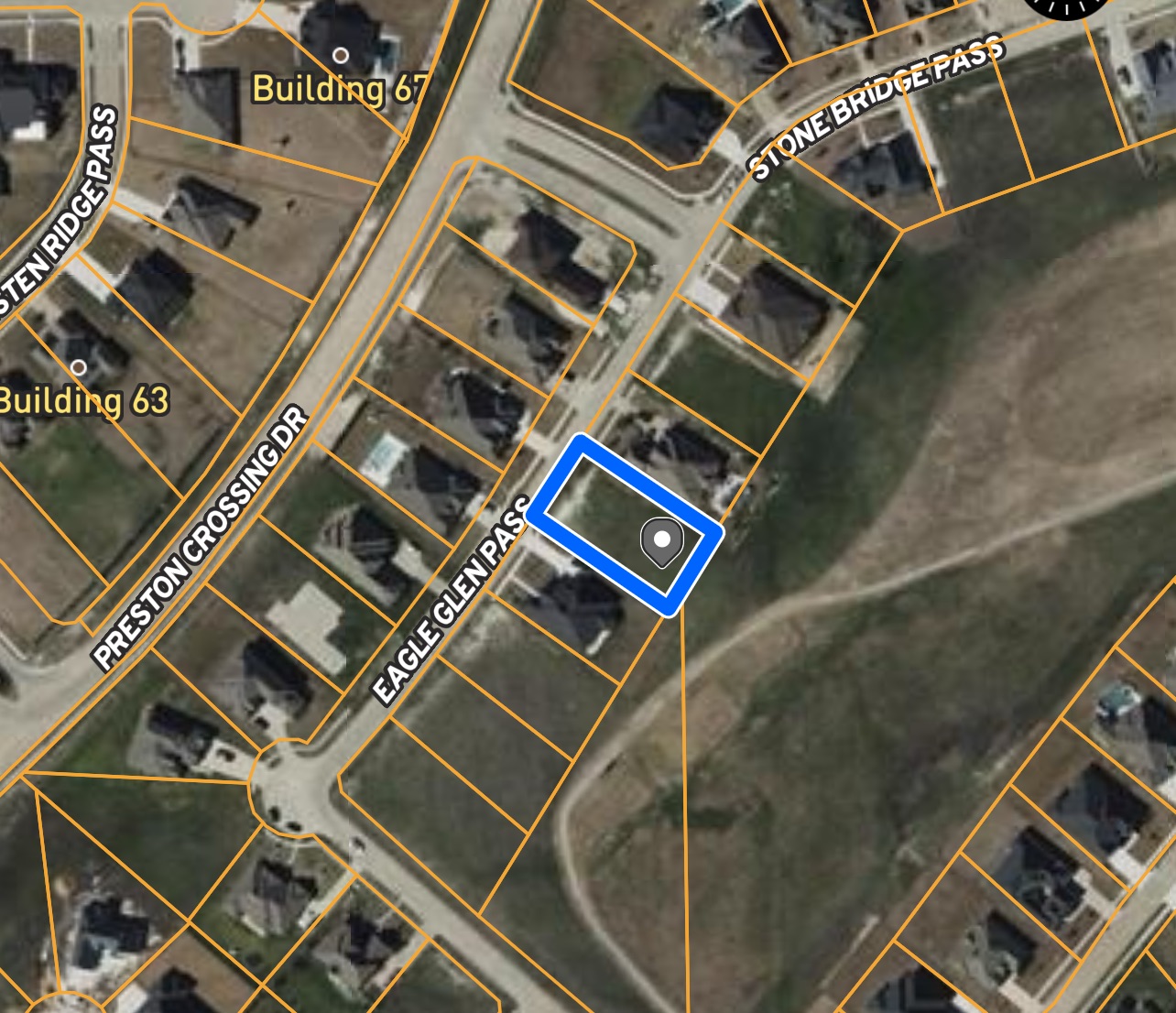
    If you’ve been looking for a custom home lot in The Bridges at Preston Crossing, this is a good one.

    .35 acres backing up to the 7th tee of the Fred Couples–designed course.

    Homes are already built on both sides, so you don’t have to gamble on what gets built next door.

    No timeline to build. Bring your own builder.

    Gunter ISD.

    This is a golf course lot in a fast-growing community where land isn’t getting cheaper.

  • A Good Place With Good People

    A Good Place With Good People

    OK, I’ll take a break from harping on the books today.

    But I’m still going to give you the opportunity to spend money, although this is a little different and wouldn’t involve me receiving anything.

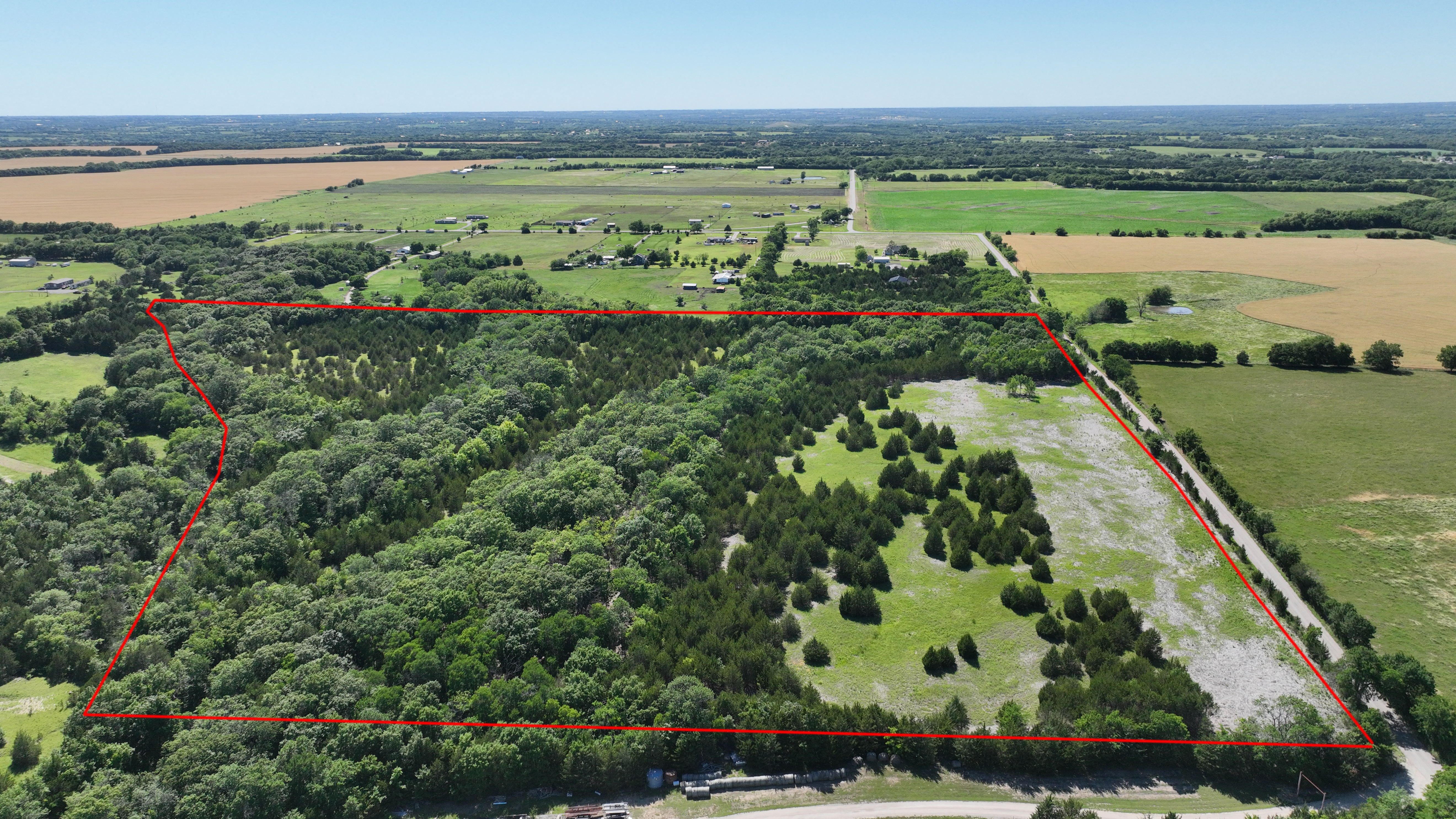
    Last year, I helped a client (and now friend) sell his family property adjacent to the McKinney Airport.

    Afterwards, I helped him find a new place, which turned out to be a ranch near Brownwood in Central Texas.

    Lucky for me, they love it. Named it Whispering Winds Ranch.

    Although I knew they would, it’s the sort of place I could just tell was right immediately upon seeing it.

    Why am I telling you all this?

    Because they are now offering hunting trips to the public.

    Blackbuck Antelope and Whitetail Deer.

    If you’re not familiar, Brownwood is easy to get to. Almost in the exact geographic center of Texas, about a 2 hour drive from west Fort Worth. When I drove from north Collin County, it was about 3.5 hours.

    The place is easy to find, entrance is about 100 feet off of US 377. Not far from town either, where there is good dining and anything you need should be available.

    Your hosts will be John and Annette Powell, who live on site. Your accommodations will be in a separate private residence.

    If you like to hunt, you owe it to yourself to check this out. I haven’t been there in about a year, but I saw both Blackbuck and Whitetail every time I went. Hunting should be great.

    Easy to get to, great accommodations, nearby conveniences, plentiful game, and great hosts.

    And hunts are available for every budget.

    What else can you ask for?

    PS – go buy a book (you didn’t think I’d really let a day go by did you?)

    (Disclosure: As an Amazon Associate I earn from qualifying purchases. Clicking that link may earn me a small commission, at no extra cost to you.)