Author: MB

  • Less Wasted Effort = Better Results

    Less Wasted Effort = Better Results

    If you read anything about rock music these days, you’ll hear a lot of complaining.

    Newer bands say touring is too expensive. Older, established bands say the same thing. Fuel costs. Crews. Trucks. Hotels. Supposedly, nobody can make money anymore.

    Meanwhile, Gene Simmons, the founder and longtime bassist of KISS, is out touring with the Gene Simmons Band and claims he’s making more money now than he did back then.

    I don’t know how accurate that is. But I do know why he appears to be succeeding where others aren’t.

    He’s doing it differently.

    He travels with just his band and their instruments. That’s it. The promoter handles everything else. Sound system. Lighting. Accommodations. Ticketing. Security. Food and beverage.

    It’s simpler. It’s leaner. And it pushes a lot of cost and complexity off his plate.

    I have no idea whether he’s truly making more than he did with KISS. That part sounds questionable. But knowing Gene Simmons, he wouldn’t be doing it if it didn’t make money.

    So what does this have to do with real estate?

    Not a ton. But there’s a parallel.

    Over the years, I’ve built a pretty tight system for marketing land and lots. It didn’t come from theory, courses, or copying what other agents say they do.

    It came from testing things in the real world and paying attention to what actually works.

    I don’t charge sellers for a bunch of stuff that sounds impressive but produces nothing.

    I experiment. If something works, I keep it. If it doesn’t, it’s gone. I don’t throw the kitchen sink at a listing just to look busy or smart. And I don’t pretend complexity equals competence.

    Simple systems. Fewer moving parts. Money spent where it matters.

    Gene Simmons brings what matters, charges accordingly, and doesn’t waste effort where it isn’t necessary.

    That approach works in music. It works in business. And it works in real estate.

    If you want someone who’s already done the experimenting and trimmed the fat, you know how to reach me.

    PS- You’re probably not ready to buy or sell land today. And that’s fine.
    The time to prepare for anything is long before it’s actually time.

    I offer a free, no-obligation analysis on any non-residential property. It includes real comps with real prices near your tract, along with things like planned development, utilities, and current market conditions.

    Even if you’re not ready to sell, or never plan to sell, having current market information doesn’t hurt.

    And in the process, you’ll get to know someone who focuses only on things that actually help. Not a pile of extras designed to look impressive.

    Can anything bad happen by just talking?

    Click Below:


  • Making Themselves Feel Good While Hurting Others

    Making Themselves Feel Good While Hurting Others

    It made me think of another situation where this comes up. One where the do-gooders, in trying to signal virtue and make themselves feel better, actually make things worse.

    Think about hurricanes.

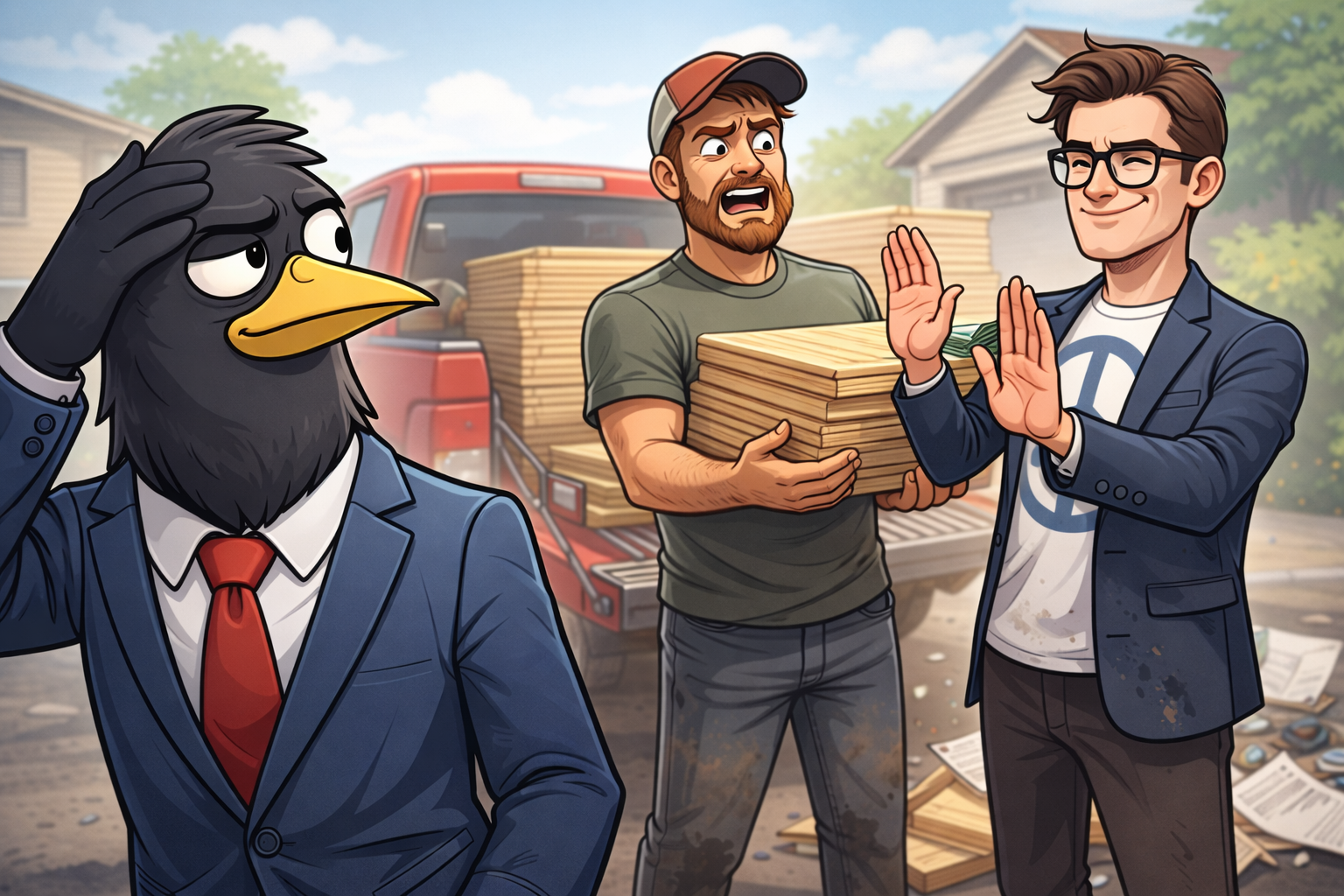
    In the past, when a big storm hit, some people would load up their trucks with plywood and other supplies, drive into the affected area, and resell them at a premium. Sometimes a big premium.

    That upset people. It didn’t feel right. Feelings were hurt.

    So laws were passed saying you can’t sell for more than X percent above the normal price. Everyone felt better. Justice was served. Or so it seemed.

    But what’s the actual result?

    Let’s say a hurricane hits and I know I can spend $1,000 loading my pickup with plywood, drive two or three hours, and sell it for $3,000 or $4,000.

    That’s something I might do.

    It makes the trip worth my time. It offsets missed work. And it gets plywood to people who need it now, not later.

    It also beats waiting on the home improvement stores to restock and ship more in. Those higher prices only exist for a short window anyway. And they disappear even faster when people are incentivized to bring supply into the area.

    More supply sooner means less demand later, which means prices normalize faster once the regular channels catch up.

    That’s the part people ignore.

    Trying to outlaw “price gouging” feels moral, but it’s not economic. And when you ignore incentives, you don’t get fairness. You get shortages, delays, and people worse off than they needed to be.

    Feeling good about a rule doesn’t mean it works.

    The same thing shows up in real estate, especially in short-term leverage situations.

    They’re rare, but when they appear, how you handle them matters.

    A lot of brokers rush to get something under contract just to relieve the pressure. These bidding situations aren’t like residential multiple offers.

    The buyer groups involved know how to apply leverage, and they expect you to blink.

    In one recent case, we didn’t. We let the leverage play out and allowed demand to show its hand.

    The result was a price well above what we would have gladly taken just a few weeks earlier, and it closed all cash in 30 days.

    The buyer who “lost” wasn’t happy at the time. That’s normal. But how you conduct yourself in those moments matters. People remember whether you were professional or reactive.

    We’re friends now.

    That’s the difference between using leverage and abusing it. One damages relationships. The other tends to compound over time.

    PS- You’re probably not ready to buy or sell land today. And that’s fine. But the time to prepare for anything is long before it’s actually time.

    I offer a free, no-obligation analysis on any non-residential property. It includes real comps with real prices near your tract, along with things like planned development, utilities, and current market conditions.

    Even if you’re not ready to sell, or never plan to sell, having current market information can’t hurt.

    And in the process you’ll get to know someone who won’t back down when things get touchy just because he’s uncomfortable.

    Can anything bad happen by just talking?

    Click Below:


  • The Big Announcement Went To the Night Shift

    The Big Announcement Went To the Night Shift

    The first people told about Jesus weren’t scholars.
    They weren’t religious leaders.
    They weren’t connected.

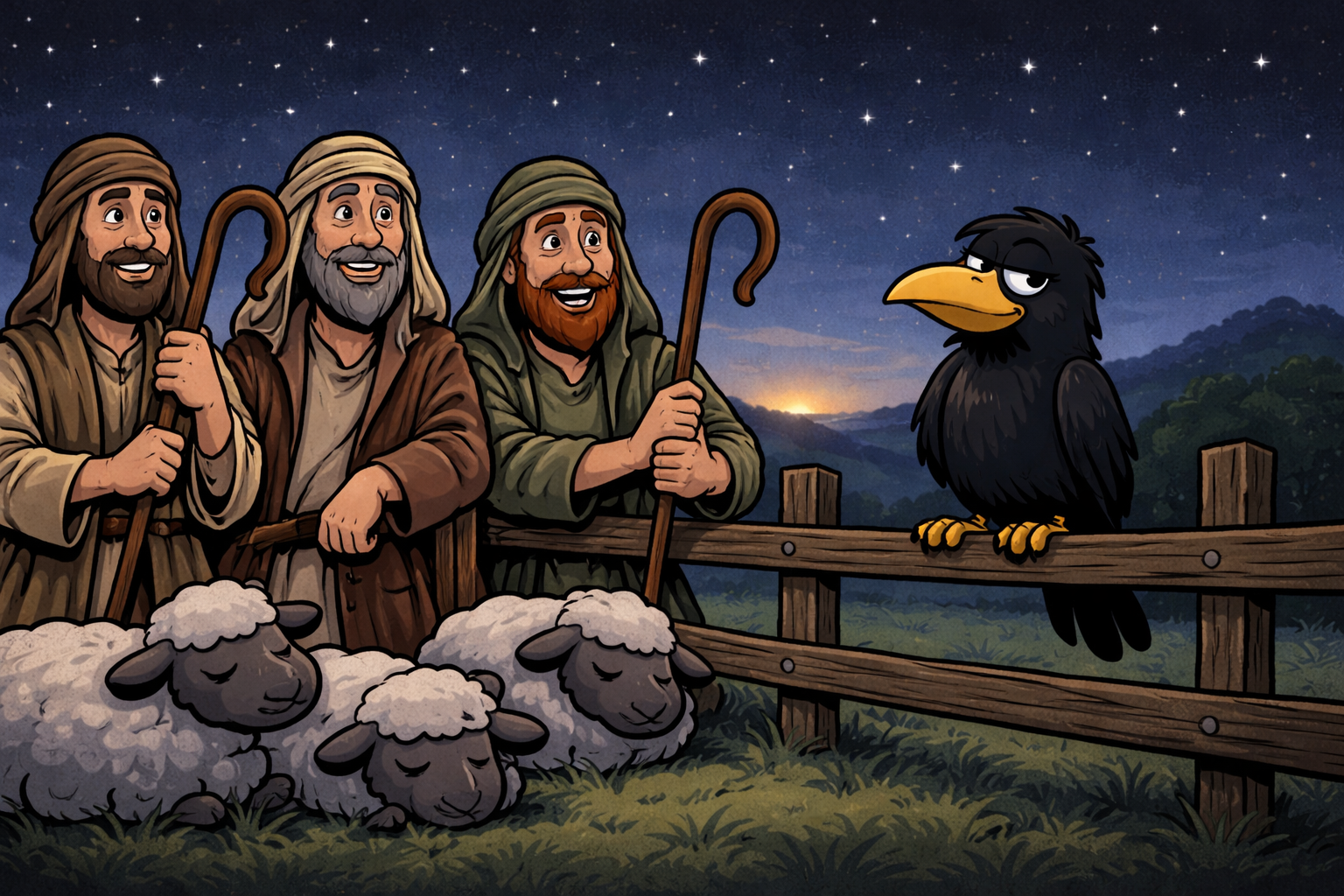
    They were shepherds.

    That detail often gets treated like trivia. It isn’t. It’s the point.

    Shepherds were doing a job nobody admired. They worked odd hours. They were dirty. They were often rough characters when they weren’t working. They were even considered unreliable witnesses in court.

    Not exactly the people you’d choose if you were trying to establish credibility.

    And yet, they were first.

    Not because they were humble in some sentimental way.
    Not because they were especially spiritual.

    But because they weren’t invested in protecting a reputation.

    God didn’t reveal Himself to the people with the most training. He revealed Himself to the people with the least to lose.

    That pattern shows up over and over.

    The ones who recognize what God is doing tend to be people who aren’t trying to manage an image. They aren’t filtering everything through how it will sound or who it might offend. They aren’t waiting for permission from the right crowd.

    The people God doesn’t seem interested in impressing are usually the ones who expect to be impressed.

    Religious experts missed it.
    Political leaders missed it.
    Cultural authorities missed it.

    Not because they were stupid. Because they were invested.

    They had systems to defend.
    Status to maintain.
    Explanations to protect.

    A baby in a feeding trough doesn’t fit cleanly into any of that.

    The shepherds didn’t need it to fit. They just needed it to be true.

    That’s still how it works.

    People who need God to affirm their intelligence, their morality, or their importance usually end up disappointed. God doesn’t play along with that.

    He reveals Himself to people who are paying attention, not people who are credentialed.

    That’s uncomfortable. Especially for those of us who like to know things. Or explain things. Or be right about things.

    It suggests that proximity to truth has less to do with preparation and more to do with posture.

    The shepherds weren’t elevated because they were shepherds.
    They were included because they were available.

    They heard.
    They went.
    They told others what they saw.

    Then they went back to their work.

    No promotion.
    No platform.
    No ongoing role.

    Just obedience in the moment.

    That detail tends to get skipped.

    God didn’t recruit them into a program. He let them witness something and trusted them to respond.

    Which raises an uncomfortable question.

    Are we actually open to God revealing Himself if it doesn’t flatter us?
    If it doesn’t confirm our self-image?
    If it doesn’t come through the channels we respect?
    If it doesn’t arrive with the right tone?

    Christmas says God doesn’t wait for the world to be ready. He shows up, then lets people decide whether they’ll notice.

    Some people were too important to be interrupted.

    Others were just watching sheep.

    Those were the ones who heard the announcement.

    PS — I think it’s a good idea to own a physical copy of the Bible. Reading online or on your phone is convenient, but it only works as long as the power is on and the connection is there.

    Is it likely that goes away? Maybe not.
    Is it possible? Absolutely.

    There are places in the world where the Bible is suppressed. Could that happen here? It seems unlikely, but just in the last few years we’ve watched plenty of “unlikely” things happen.

    Either way, there’s no downside to owning a hard copy of the best-selling—and for many, the most important—book ever written.

    Disclosure: As an Amazon Associate I earn from qualifying purchases. That means if you buy something—anything—after clicking that link, I may receive a small commission. It doesn’t change your price.

  • No Crying To The Fairness Police

    No Crying To The Fairness Police

    The World Cup is around the corner.

    With that, you’re starting to see stories in the news about “price gouging.”

    First it was the cost of tickets. FIFA released a token number of cheap seats as a PR move. Now it’s the price of Airbnb rentals near the venues, reportedly five to seven times their normal rates.

    And people are complaining.

    But whether you think this is a problem depends entirely on which side you’re on.

    If you’re selling something and it suddenly becomes worth more, and someone is willing to pay that price, you only get that opportunity once. There is no do-over. You want to maximize it. That’s rational.

    If you’re buying, though, people suddenly think they have the right to tell someone else what they should accept. Or that a seller should take less than what another buyer is willing to pay, just for the sake of their convenience.

    That’s where the disconnect is.

    On the surface, this seems simple. In practice, it’s not. The correct answer is usually the opposite of what people want when they’re on the losing side of a transaction.

    You need to get over it.

    If you can pay, pay. If you can’t, or don’t want to, figure something else out. That’s it.

    And this same dynamic shows up in real estate all the time.

    If I’m marketing your property and negotiating on your behalf, here’s the reality.

    The job is to sell it for as much as possible, in the shortest amount of time. Those two things can change depending on your situation. The objective does not.

    I’m not going to talk you into taking less because a buyer is upset, inconvenienced, or making arguments that wouldn’t pass a basic economics class.

    That doesn’t mean we’re difficult. It doesn’t mean we strong-arm people or nickel and dime every detail.

    But if there are buyers willing to pay more, that’s who we’re talking to first.

    Feelings don’t change that.

    I work for my clients. Not them.

    PS- You’re probably not ready to buy or sell land today. And that’s fine.
    But the time to prepare for anything is long before it’s actually time.

    I offer a free, no-obligation analysis on any non-residential property. It includes real comps with real prices near your tract, along with things like planned development, utilities, and current market conditions.

    Even if you’re not ready to sell, or never plan to sell, having current market information does not hurt.

    And you’ll be working with a regular guy who talks straight. No flattery. No pressure. Just real information, integrity, and a willingness to listen.

    Most importantly, someone who does not get his feelings hurt by people who don’t have your interests in mind.

    Can anything bad happen by just talking?

    Click Below:


  • They Advertise Their Own Idiocy

    They Advertise Their Own Idiocy

    The people who display it think they’re signaling that they’re forward-thinking and reasonable. What they’re actually signaling, to normal people, is that they’re insufferable and ridiculous.

    More importantly, they’re signaling that they can be safely ignored.

    Where I live in Collin County there are a lot of Teslas. There are plenty of reasons for that.

    If you know, you know.

    But there’s a specific subset of Tesla owners worth noting.

    These are the people who bought the car when Elon Musk was their hero, then lost their minds when he committed the unforgivable sin of being friendly with Trump, even briefly.

    Now their cars are covered in stickers that say things like “Elon sucks” or “F Elon.”

    Originally, they bought the Tesla to signal that they were doing something noble for the environment. Just read the personalized license plates they put on their cars. More signaling.

    Electric cars have some real advantages, but they also have serious drawbacks. They aren’t scalable to the level required for universal adoption, and pretending otherwise doesn’t make it true.

    But that’s beside the point.

    Once again, these people think they’re signaling one thing when they’re actually signaling something else.

    They’re signaling that they care far too much about what other people think, and that they assume everyone else cares just as much about what they think.

    They don’t.

    Nobody cares if you bought a car from Elon Musk.

    The useful part is this: you can treat this as free information.

    Life is too short to deal with bad clients and bad customers. When someone advertises this level of performative nonsense, believe them.

    If one of these people shows up, or rolls into a meeting in one of those cars, take the hint.

    Don’t tell them why. Don’t go bragging about it on social media. There’s a slight chance you might be wrong about them. The risk is worth taking, in my opinion.

    More importantly, you don’t want to engage in the same behavior they’re displaying.

    Just move on.

    Which, incidentally, was another signaling phrase a few years ago.

    PS- You’re probably not ready to buy or sell land today. And that’s fine. But the time to start preparing for anything is long before it’s actually time.

    I offer a free, no obligation analysis on any non-residential property. It includes actual comps (with real prices) near your tract, along with other things like planned development, utility info, market trends etc.

    Even if you’re not ready to sell (or plan to never sell), can it hurt to have current market info?

    And all that is before considering that you’ll be working with a regular guy who talks straight and isn’t trying to flatter you into getting your business. Just real info and integrity and a willingness to listen.

    Can anything bad happen by just talking?

    Click below:


  • Stay (on) The Course

    Stay (on) The Course

    Most people say they want a “nice lot.”

    What they usually mean is vague.
    Good area. Good schools. Maybe golf nearby.
    Nothing too specific, because specifics force tradeoffs.

    Golf course lots don’t work that way.

    They’re either for you or they aren’t.
    And you usually know which camp you’re in pretty fast.

    I’ve watched buyers talk themselves into one because it sounds impressive.
    And I’ve watched others dismiss them because they assume it means rules, noise, or constant traffic.

    Both groups tend to be wrong.

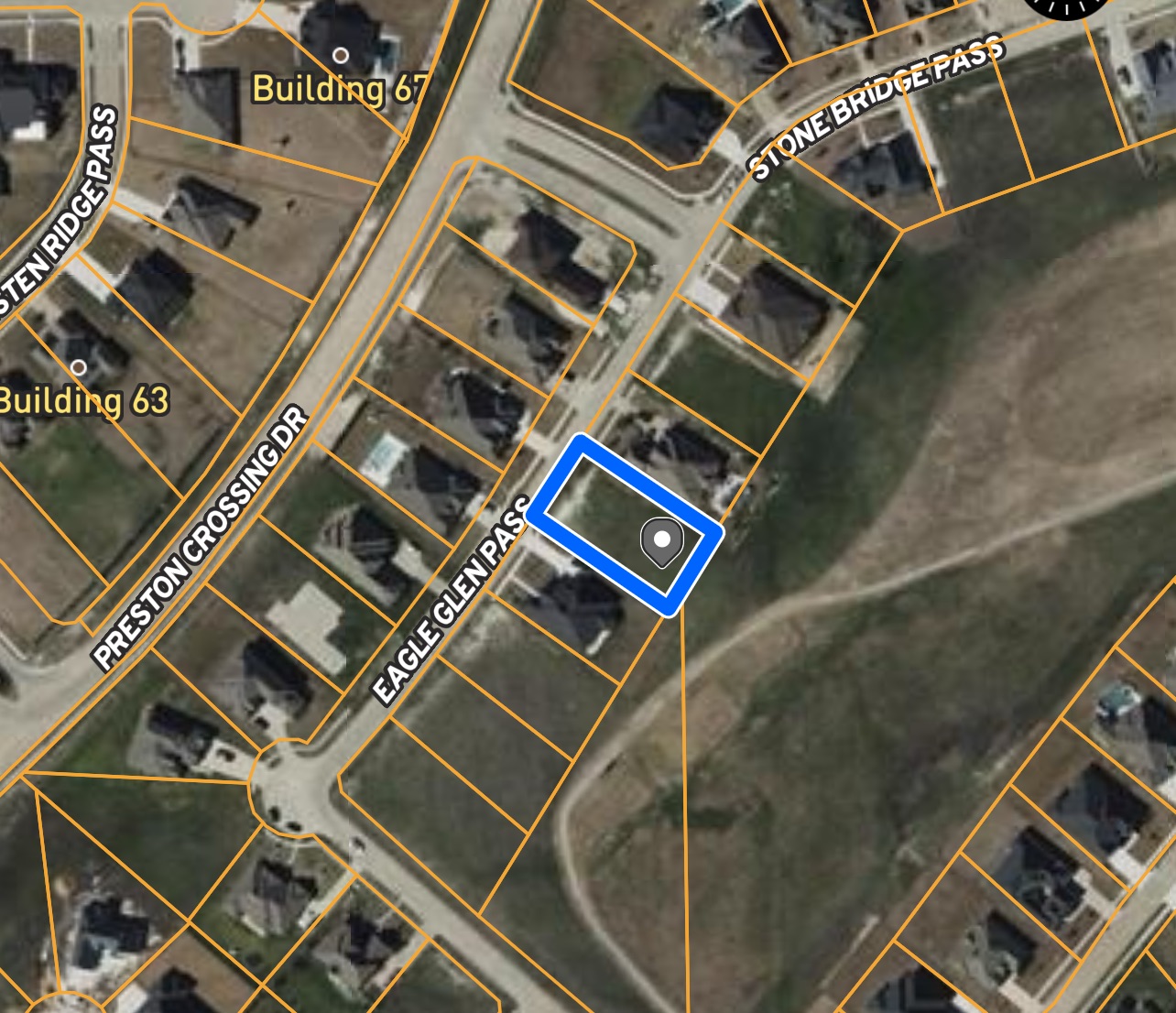
    A lot like this one at Bridges at Preston Crossing is less about status and more about predictability.
    The view is protected.
    The surroundings are finished.
    The neighboring uses are known quantities.

    That matters more than people think.

    You don’t get surprised by a future apartment complex.
    You don’t get a random commercial rezoning next door.
    And you don’t spend years guessing what the area might turn into.

    You’re buying into something that already is what it’s going to be.

    That also means it’s not a “someday” lot.
    You either plan to build, or you don’t.
    Holding it forever while waiting for the perfect moment usually isn’t the move.

    In my experience, the people who do best with golf course lots are very clear about what they want their daily environment to feel like.
    Not aspirational.
    Not hypothetical.
    Practical.

    If you’re curious, the details are laid out plainly here.
    No fluff. No pressure.

    Get more information on the lot here:

    Is there any downside to at least seeing if it fits how you actually live?

  • No Other Tract Like It

    No Other Tract Like It

    I don’t usually write blog posts about properties this way.

    This one doesn’t fit the usual boxes.
    Trying to force it would be dishonest.

    This property is not efficient.

    That’s intentional.

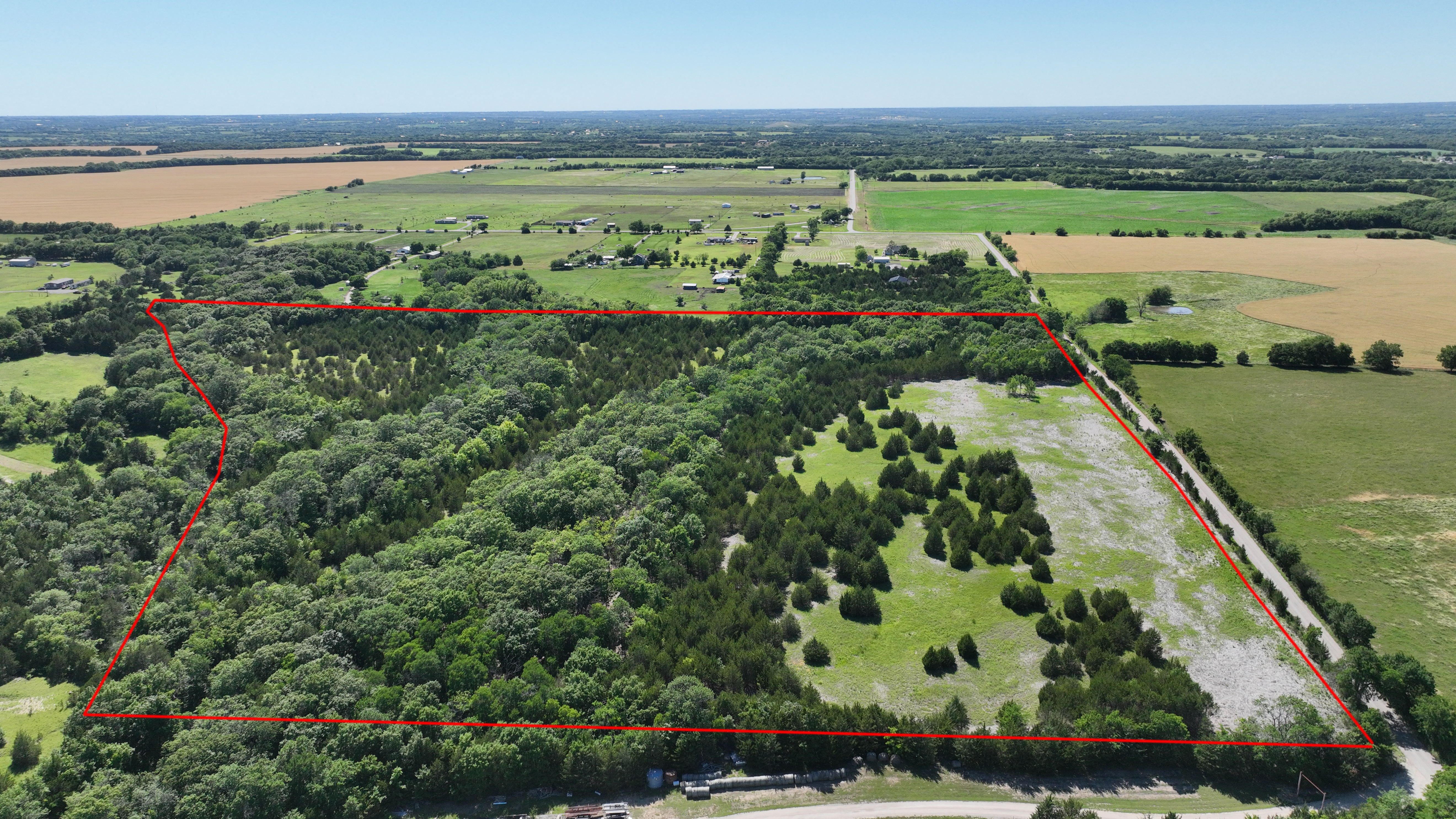
    It has mature oaks.

    Several deep wet-weather creek beds.

    Terrain that forces you to think before you build.

    Some areas will be expensive to work with.

    Some areas you simply won’t touch at all.

    I haven’t even walked all of it.

    If you want flat, simple, and predictable, this isn’t it.

    Most people want a tract that makes building easy.

    This one is designed to make privacy hard to copy.

    If you spend the money and do it right, you end up with something most buyers never get.

    Separation. Quiet.

    A place that doesn’t look or feel like everything else within an hour of Dallas.

    That’s the trade.

    This works best for a certain kind of buyer.

    Someone looking for a weekend place that actually feels like a getaway.

    Or a family compound that’s close enough to DFW when you need it, and far enough away when you don’t.

    Someone who values character over convenience.

    Efficiency loses here. Privacy wins.

    There are up to three water meters available.
    Strong frontage on Rochelle Cannon Road.
    Easy access to US-75 and the Sherman TI plant when needed.

    The location is convenient.

    The land itself is not.

    That combination is rare.

    This property isn’t for everyone. It isn’t supposed to be.

    If you’re looking for something you can’t recreate later, it’s worth a serious look.

    If not, you’ll know pretty quickly.

    If you want the flyer with more details, click here:

    default
  • Waiting Is Always Good. Until It Isn’t.

    Waiting Is Always Good. Until It Isn’t.

    Most landowners don’t feel pain at the beginning of a market shift.

    They notice it much later — after time has already done the damage.

    After the savings and loan crisis, some properties traded for less than the commission paid on the prior sale. Not less than the original purchase price. Less than the fee someone paid to sell it before.

    That didn’t happen because the land suddenly became useless. It happened because demand vanished, capital froze, and landowners who waited ran out of options.

    After 2008, the same thing happened again, just more slowly. Values didn’t bounce back the next year. Or the year after that.

    In many areas it took years just to get back to even, assuming the owner could afford to wait that long.

    Land doesn’t move like houses.

    There is almost always some demand for houses. People get transferred. Families grow or shrink. Some buyers are doing well no matter what the economy is doing.

    Even in soft markets, houses still trade.

    A nice custom home on acreage is different. That buyer isn’t moving because they have to. They’re upgrading. They’re stretching. They’re making a lifestyle decision.

    When things get uncertain, that buyer can disappear almost overnight.

    Developers behave the same way, just at a larger scale. When markets are hot, lots get built quickly. Subdivisions move fast. Capital flows easily.

    When things slow down, that inventory doesn’t vanish. It sits. For a while, there’s simply too much of it.

    So developers change roles. Instead of paying retail on something they can develop immediately, they only buy if the price allows them to wait several years and still hit their return target. Or they step back entirely.

    When that happens, landowners are no longer negotiating with builders — they’re negotiating with patience.

    Investors are always around, but investors don’t buy on hope. They buy on margin. And when they’re the primary buyers left, pricing shifts. Whether landowners like it or not.

    None of this means history is definitely about to repeat itself. It means timing matters more than most landowners want to admit.

    The real risk isn’t the market collapsing tomorrow.

    It’s drifting into a thinner market without realizing the buyer mix has changed.

    When demand narrows, prices can change quickly. The problem is you often don’t know how much. Land is illiquid, and there just aren’t many comps. With houses, year-over-year data tells a story. With land, silence often tells it first.

    When prices fall, time takes over. And once time is in control, landowners don’t get to set the terms anymore.

    That’s usually when regret shows up — not because someone sold too soon, but because they waited too long to be honest about what they owned and who would actually buy it.

    PS- It’s easy to see that housing — and by extension land — has softened over the last couple of years. Interest rates matter. If they fall, houses become more affordable. If they rise further, things tighten.

    You may not be planning to sell today. You may be holding long term. But is it a bad idea to know where things stand right now?

    I offer a free, no-obligation analysis on non-residential property. Real comps. Utility and access info. Market trends. Nearby sales activity that actually matters.

    No pressure.
    No BS.
    Just integrity and diligence.

    Does it ever hurt to have current information?

    Click Below:


  • This Doesn’t Stop ’Til You’re Dead

    This Doesn’t Stop ’Til You’re Dead

    In my younger days, I spent (some might argue wasted) a lot of time playing pool. And I was pretty good. But life changed and I quit spending so much time doing it.

    Now I might pick up a stick once every couple of years. Some days I look like I still have it, and other days I look like a beginner. Either way, I’m nowhere near what I was.

    If you’re into something like weight training, you know the same thing happens. As long as you keep going you’ll keep getting stronger. But the moment you stop, you start getting weaker.

    You’re either moving forward or backward. You can’t sit still.

    The principle works in real estate and business. Or anything else really.

    You’re either growing in knowledge or drifting farther away from the truth of the market. There is no neutral setting. Not for people, and not for property.

    You’re either learning or stagnating.

    You don’t “level off.”

    Not in business, not in life, and definitely not with something as valuable as the dirt you own.

    You might not be ready to sell today. That’s fine. Most people aren’t.

    But if you own land, there will probably come a day when you do want to sell. The question isn’t if. It’s when.

    And here’s the part people forget: that day is getting closer whether you think about it or not.

    Time moves. Markets move. Counties change. Roads get built. Builders shift their focus. Appraisers adjust how they comp acreage. The world doesn’t stop just because you’re not looking.

    So the real question is simple.

    If you know the day is coming — whether it’s six months from now or six years — is it a terrible idea to be learning everything you can now?

    Is it crazy to want to know what the market is doing in your area, what similar tracts are trading for, what’s being planned along your corridors, and what buyers actually want today?

    You don’t have to sell. You don’t even have to think about selling.

    But you should be getting smarter.

    Because the people who learn early make better decisions later.

    And when the moment comes — when life changes, when the right buyer calls, or when the market finally tips in your direction — you’ll know exactly what to do instead of scrambling.

    That’s how you keep moving forward.

    PS — If you want a simple, honest look at what your land might bring in today’s market — plus what’s coming in your area — reach out and I’ll send you my full analysis. No pressure. Just information.

    Just click below to get started:


  • God Forgives People You Don’t Want Him To

    God Forgives People You Don’t Want Him To

    There’s a part of the gospel we don’t say out loud very often.

    Not because it’s unclear — it’s actually very clear — but because it makes us squirm a little.

    Here it is:

    God has (and will) forgive people you don’t want Him to.

    People you think deserve what’s coming to them.

    People you can’t stand.

    People who’ve made choices you would never make.

    People whose sins look worse to you than your own.

    We talk a lot about grace, but if we’re honest, what we really like is selective grace.

    Grace for people who sin in familiar ways. Grace for people who apologize the right way. Grace for people who fit our idea of “fixable.”

    But God doesn’t use our categories.

    He doesn’t sort humanity into “acceptable sinners” and “unacceptable sinners.”

    He doesn’t forgive based on how easy someone is to sympathize with. He doesn’t take polls or run background checks.

    If someone turns to Him, He forgives — cleanly, completely, without hesitation.

    Even tho they don’t immediately clean up 100% (like you).

    And sometimes, if we’re being honest, that irritates us.

    Because deep down, we think grace should be proportional. The bigger the sin, the bigger the penalty.

    The more damage someone caused, the longer they should sit in the penalty box before God lets them up.

    But that’s not how grace works.

    Grace isn’t earned. Grace isn’t calibrated. Grace isn’t a reward for good behavior.

    Grace is a gift — and it’s a gift God hands out more freely than we would.

    If that bothers us, there’s a reason:

    We’ve forgotten what we were forgiven of. Or we’ve minimized it. Or we’ve convinced ourselves that our sins were more understandable, more reasonable, more “human.”

    They weren’t.

    They just feel smaller because they’re ours.

    The truth is simple:

    The same grace that covers you will cover people you don’t like.

    And the same cross that saved you will save people you wouldn’t choose.

    That’s not a flaw in the gospel. That’s the whole point.

    And if God is that generous with them…
    He’s that generous with you, too.

    Lucky for all of us.

    PS-If you’ve ever wanted a steady, no-pressure rhythm for reading the Bible, His Word Together is built for exactly that.

    You can explore it here: https://hiswordtogether.com

    And if you already know you want the weekly readings emailed to you, this is the page to sign up: