Tag: Real Estate Psychology

  • I Will Show You the Way, But Won’t Make You Go

    I Will Show You the Way, But Won’t Make You Go

    You’ve probably noticed I offer the MBR Land Reality Check most days. Pretty much every day except Sunday. Every now and then I skip it, but not often.

    What you don’t see is me pushing people to list. Or even really asking.

    I’ll give you a clear-eyed look at the facts and a straightforward opinion of what I’d do if I were you. A surprising amount of the time, that answer is to wait.

    Most people don’t believe it’s truly no pressure. They’ve heard that before and found out later it wasn’t true.

    But a no-pressure process is what I offer, and what I deliver.

    There are a few reasons for it. Part of it is selfish. It keeps me sane. But it also works better for the people I deal with, even if it doesn’t look like it at first.

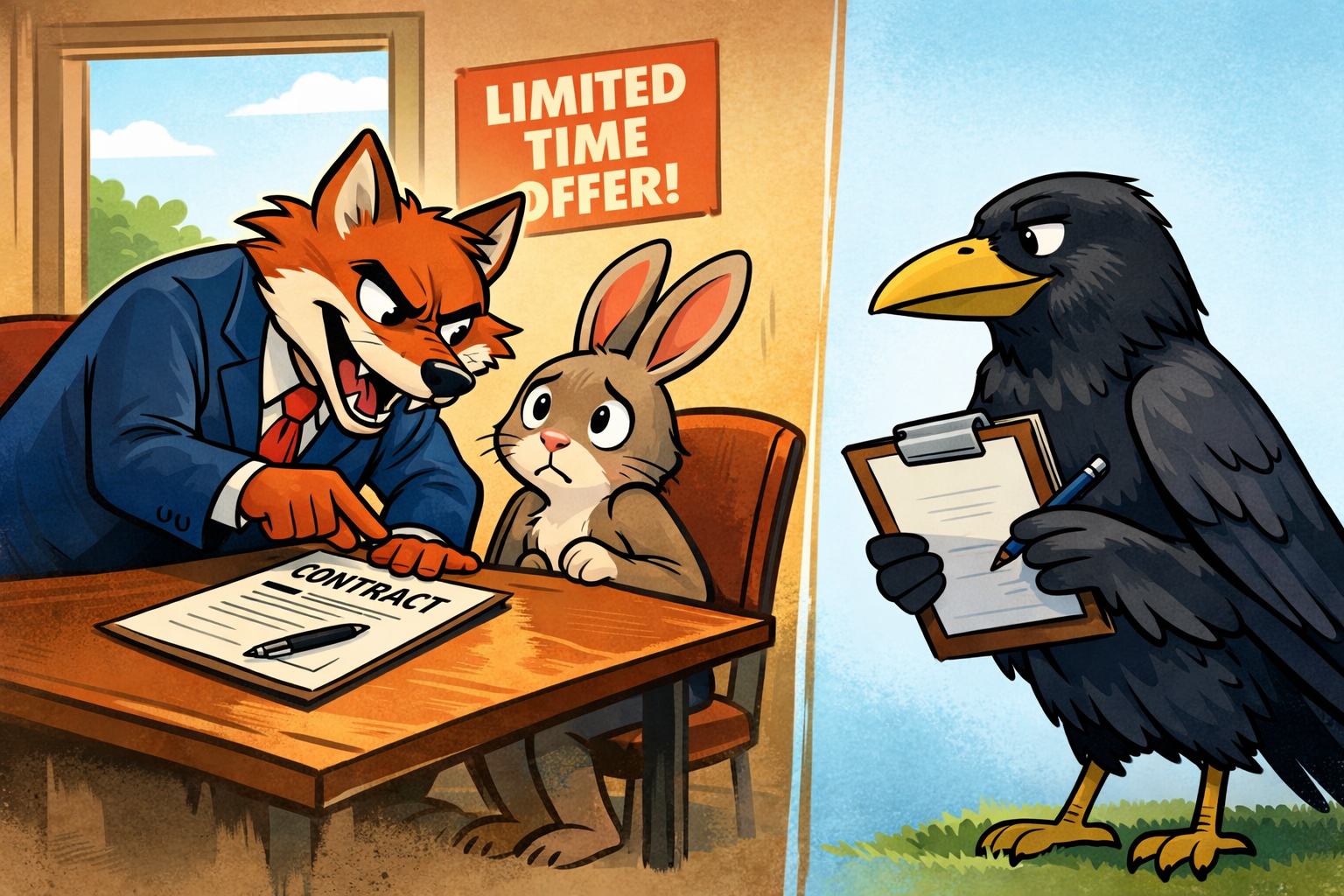
    If you’ve ever been on a car lot or sat through a timeshare presentation, you know the feeling. It doesn’t take long before you realize you’re being pulled along. You can technically leave, but now it’s awkward. People are watching. You’re going against what they’re trying to make happen.

    There’s a reason those places operate that way. They know if you leave, you’re probably not coming back. No second chances. So they try to get everything done right there, whether you’re comfortable with it or not.

    I don’t do that.

    I’m not interested in taking control from you. You’re in charge the whole time. I’ll give you the information, walk through the numbers, answer whatever questions you have, and if I think something makes sense, I’ll tell you.

    Once.

    After that, it’s your call. If you don’t want to do it, then we’re not doing it. I’m not trying to talk people into things they don’t want to do.

    What I’ve found is that when someone decides on their own that something makes sense, the whole process is different. They’re not second guessing every step. They don’t get pulled off course by every outside opinion. When something tough comes up, they can deal with it without feeling like they were pushed into the situation.

    Same deal. Different mindset.

    And it shows up in how things actually close.

    Does that mean I’ll list anything at any number you want, whether it’s realistic or not?

    No.

    I have autonomy too. And I have limited time like everyone else. There’s no charge to you on the front end, but it’s not free for me when I list something. By the time a property hits the market, I’m usually $2,000 or more into it between signage, flyers, photos, and drone work.

    So while I’m aggressive, I only take on properties that can realistically sell. And with owners who understand that.


    PS- Most landowners are not planning to sell today.

    But things can change quickly. When the time comes, the people who already understand the market tend to make better decisions.

    That’s what the MBR Land Reality Check is for. It looks at nearby sales, current listings, development pressure, and the details affecting value that aren’t obvious from the road.

    Is it a bad idea to know where things stand?


    PPS- If you’re not ready for a Reality Check but like thinking through land, markets, and negotiation this way, you can sign up below and get these in your inbox.
    Register to Receive Posts Via Email!

    By submitting, I understand I will receive marketing emails and blog posts from Mike Browning Realty and/or associated companies. Unsubscribe at any time.

  • What People Say They Want (And What They Actually Buy)

    What People Say They Want (And What They Actually Buy)

    I talk on here a lot about the gap between what people say they want and what they actually buy.

    If you’re in business, you better pay attention to the second one.

    Years ago, I had a client start a homebuilding company focused on “active adult” buyers.

    He did everything right.

    Spent two years interviewing prospects. Asking what they liked. What they hated. What was missing in the market.

    The answers were clear.

    Open layouts.
    Smaller footprints.
    Different finish packages.
    More practical storage.

    So he built exactly what they asked for.

    And waited.

    Turns out what people describe in a quiet interview and what they emotionally respond to when it’s time to write a check are not the same thing.

    The company failed.

    I’ve seen the same thing with custom homes.

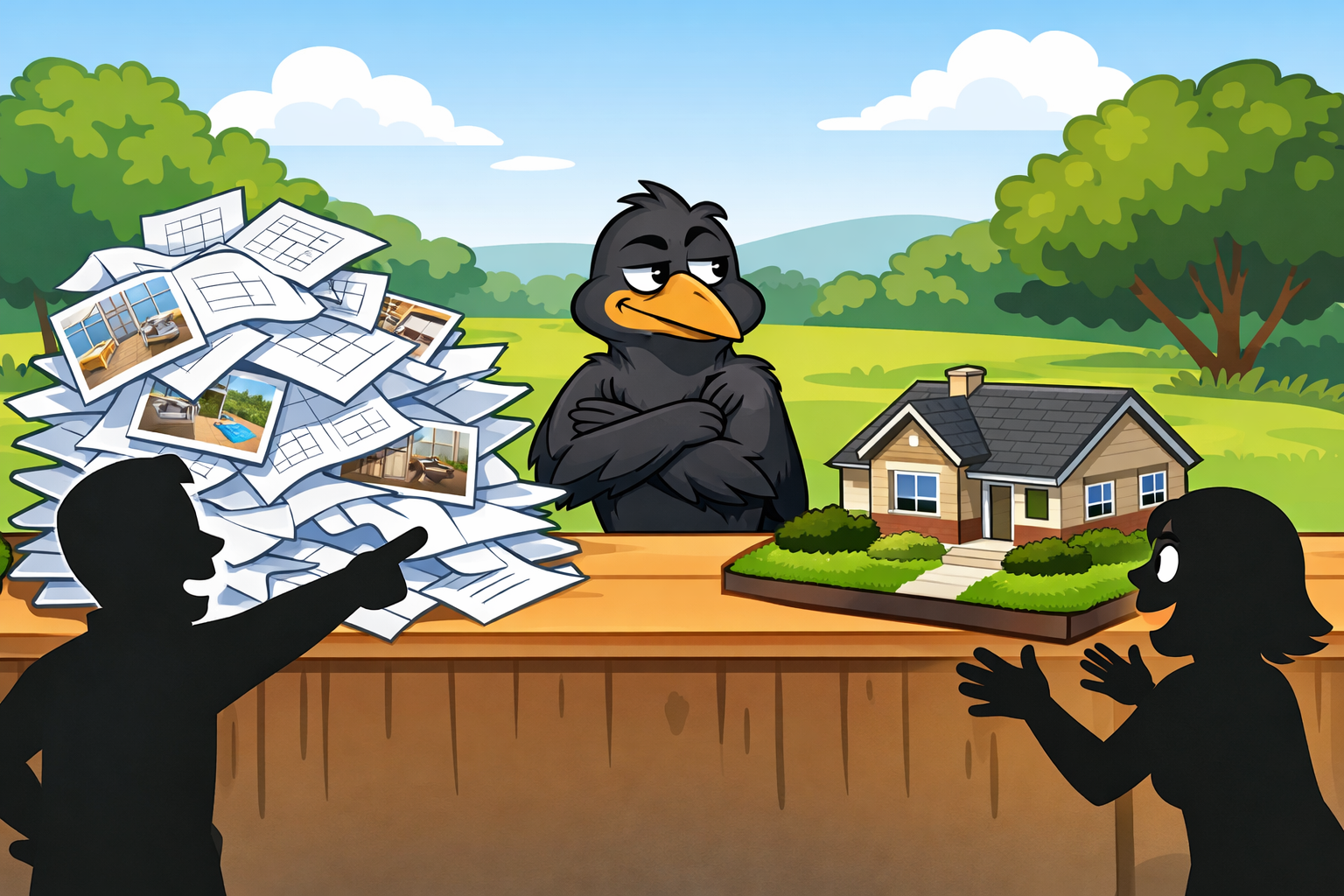
    Buyers walk in with a vision. A look. A stack of inspiration photos.

    The builder already knows half of it won’t function the way they imagine. Or will cost far more than they think. Or will look very different once it’s actually built.

    People think they want something in the abstract.

    But they don’t want it in the concrete.

    One of the more successful builders I know builds 100% spec.

    No presales.
    No option sheets.
    No custom changes.

    Risky? Yes.

    But it removes a massive problem.

    The buyer walks into something real.

    They either love it or they don’t.

    And when they love it, they forget about the list of “must-haves” they swore they needed.

    Now zoom out.

    We say we want authenticity.

    We say we value substance.

    We say we want “real.”

    Then we spend hours consuming curated lives, filtered success, and carefully edited highlight reels.

    The market doesn’t reward what people claim to value.

    It rewards what they actually respond to.

    That’s true in homebuilding.

    It’s true in land.

    And it’s true in negotiations.

    Landowners say they want the highest number.

    Buyers say they want discipline.

    Both say they want fairness.

    Then a real contract hits the table.

    The seller who swore price was everything suddenly values certainty.

    The buyer who claimed to be rigid stretches when the property feels rare.

    Behavior reveals priorities.

    Words are cheap.

    That’s why I don’t build strategy around what sounds good in theory.

    I build it around what actually closes.

    Closed sales matter more than listing prices.

    Executed contracts matter more than opinions.

    And real movement matters more than what someone says over coffee.

    If you want to understand a market, watch what people do.

    Not what they post.


    P.S. You may not be ready to sell today, but does it hurt to know where you stand?

    No cost. No obligation. Just clarity before decisions.

  • Nobody Cares What You Paid for It

    Nobody Cares What You Paid for It

    When I talk to lot owners — especially people who bought 5, 10, or 15 years ago — the first thing I usually hear is some version of this:

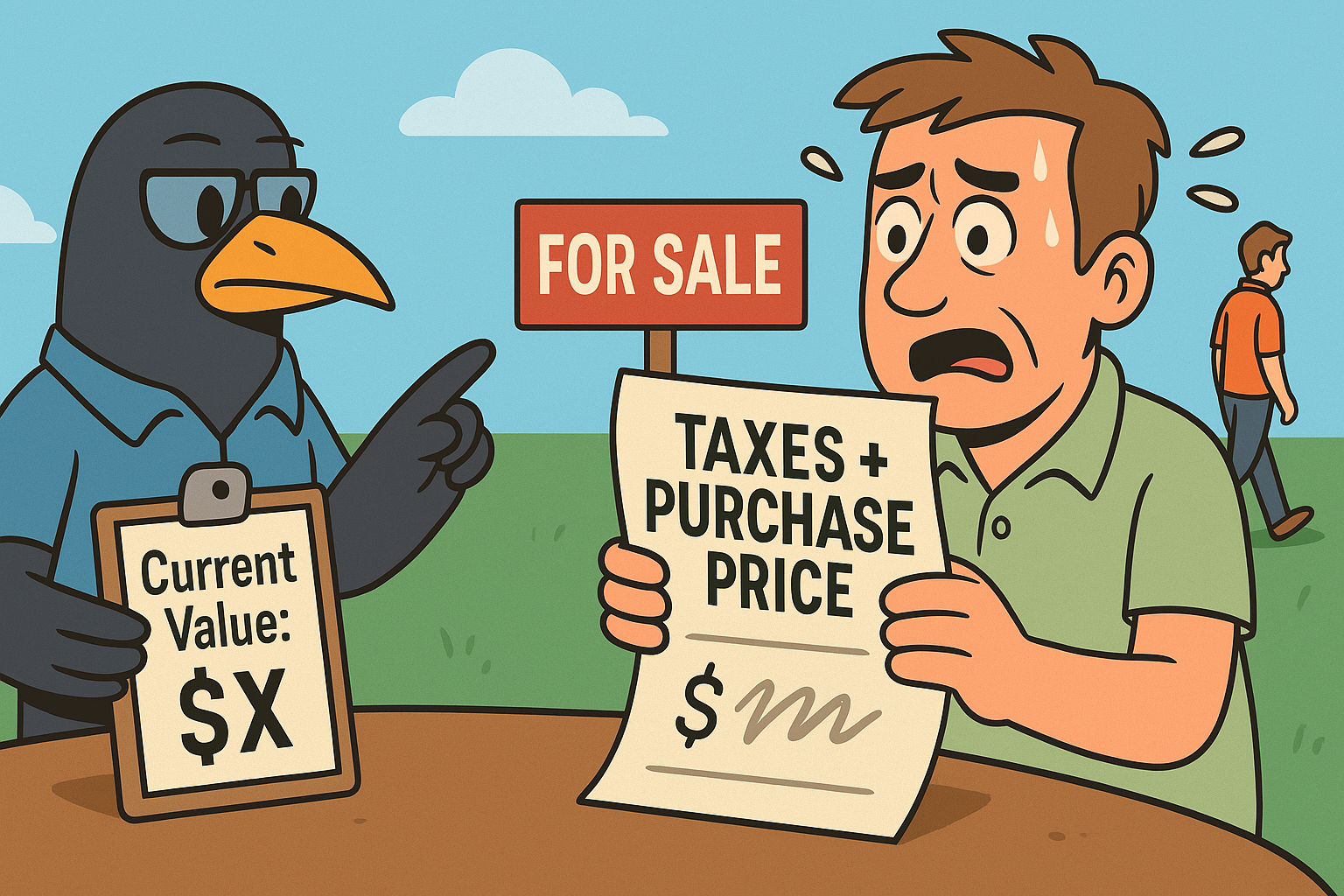
    “We paid X… and we’ve spent Y on taxes and upkeep, so we really need to sell for more than that for it to make sense.”

    I get it. You want to feel like it was a good decision.

    But unfortunately…

    The market doesn’t care what you paid.
    It never has.

    You could have paid $12,000 or $120,000 — doesn’t matter.
    If it’s only worth $9K today, that’s what you can sell it for.
    If it’s worth $90K, that’s what it’ll bring — regardless of whether you picked it up for $8K or $80K.

    Funny how people understand this perfectly when it goes the other direction:

    “I only paid $10K, but now it’s worth a million.”

    Exactly. Because the value isn’t determined by what you spent.

    It’s determined by what the next person is willing to pay.


    Exhibit A: MySpace

    News Corp (the parent company of FOX) bought MySpace for $580 million in 2005.
    Six years later, they sold it for $35 million.

    They didn’t get to say:

    “But we spent so much!”

    The market didn’t care.

    Facebook had already taken over, the platform was dying, and the price reflected reality — not the emotions attached to the invoice.


    Sunk Costs ≠ Smart Strategy

    This isn’t just about land.
    It’s about decision-making in general.

    Let’s say you bought movie tickets for Saturday night, but a friend offers you a last-minute seat at a playoff game or a concert you’d rather attend.

    Many people will say,

    “Well I already paid for the movie, so I don’t want to waste the money.”

    But that money’s gone either way.

    So the only rational decision is to ask:

    What do I want more — right now — given what I know?

    Same goes for your land or your lot.

    The smart question isn’t “How do I get it back?”

    It’s “What’s the best move from here?”


    Even the Pros Get It Wrong

    Teams do this in sports all the time.

    A front office pays big money for a free agent.

    Then he underperforms… but they keep starting him anyway.

    Why?

    Because they “have to get something out of the investment.”

    Except they don’t. The money is gone.

    The only smart move is to play the guy who gives you the best chance to win today — not the one who used to look good on paper.


    Back to Your Lot

    If you’re thinking about selling, start with this:

    • What is it worth today?
    • What are your real options going forward?
    • And what’s the smartest move based on that — not based on what you hoped would happen when you bought it?

    Emotion’s allowed — but it doesn’t set the price.
    Buyers don’t pay extra for sentimental value.

    The best decision isn’t always the one that feels best in the moment.
    It’s the one that gets you where you’re trying to go.


    Want to Know What Yours Is Worth?

    I offer a free, no-pressure value analysis on any non-residential property.

    No fluff, no hype — just real comps, utility and access info, market trends, and any nearby sales activity that matters.

    Would it be a bad idea to get a clear picture so you can start to ask the right questions?

    Click below to get started:


  • Embrace the Uncertainty

    Embrace the Uncertainty

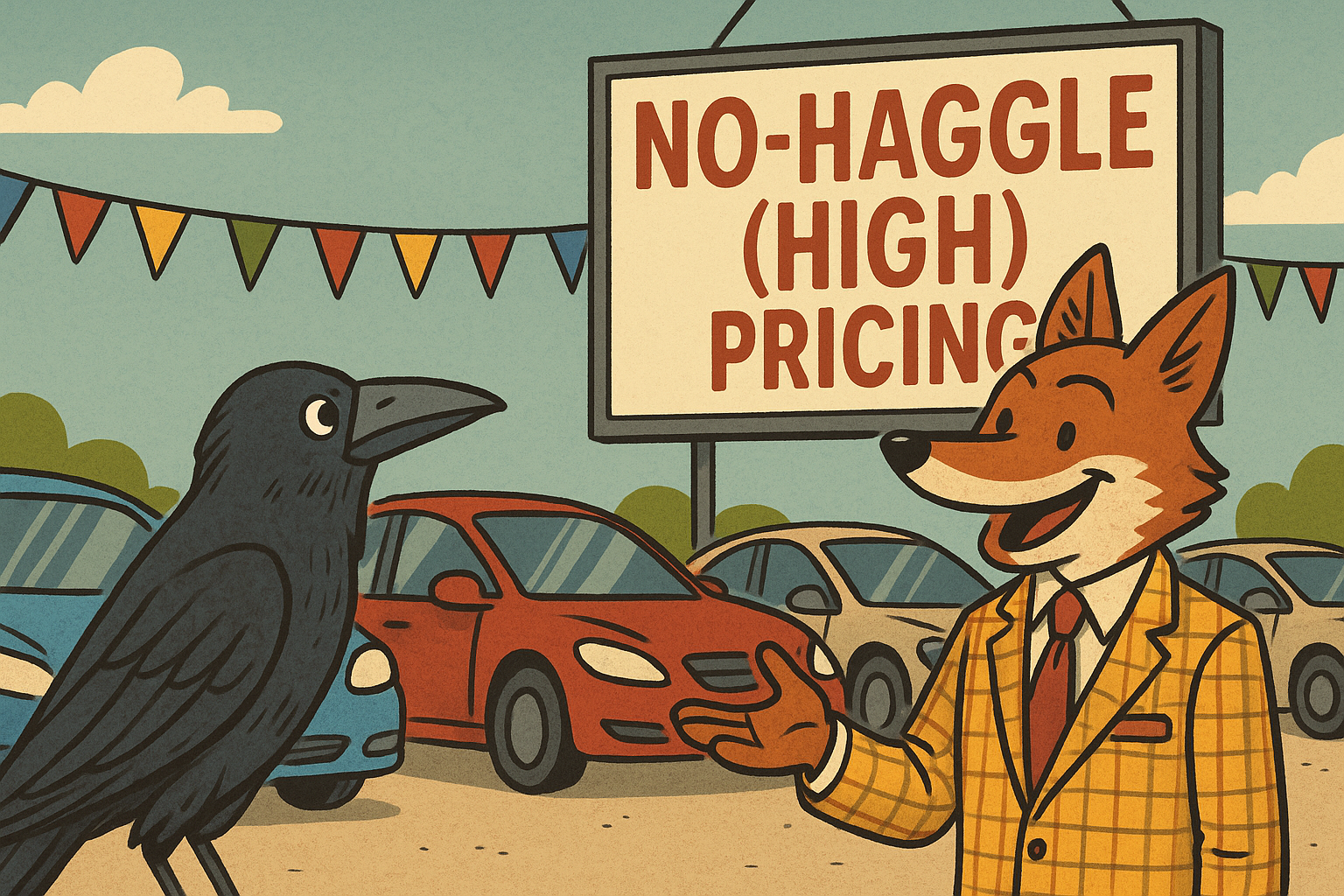
    I’ve talked before about what happens in car dealerships. Not because cars and land are the same thing, but because human nature doesn’t change from one industry to another.

    Most people know about the “no-haggle” lots. CarMax, AutoNation, places like that. They advertise a clean, easy process.

    No back-and-forth. No discomfort.

    And people walk in convinced they’re getting a better deal. Reality?

    Prices at no-haggle lots are higher on average than old-fashioned dealerships.

    People don’t go there to save money. They go there to buy certainty and avoid the emotional friction of negotiation.

    Nothing wrong with that. Just be honest about the tradeoff.

    Real estate has its version: the iBuyers.

    They promise no showings, no repairs, no timing problems.

    What they don’t say as loudly is that you’re going to make less money going that route.

    Still not a bad option for some people.

    I’ve even used an iBuyer myself in the past. (Don’t tell the other agents.)

    The pattern is simple:

    More certainty = less money.
    More uncertainty = more potential upside.

    Doesn’t happen every time. But on average that’s how the real world works.

    Now let’s talk land.

    The iBuyer model doesn’t work here. Not well, not consistently, and usually not at all.

    The groups who even touch land have to pay extremely low prices. And if they offer something reasonable, the timelines are unacceptable. Because they’re not “buying.”

    So if you own land, the nice tidy “certainty option” doesn’t really exist.

    Which means you have one path: You embrace the uncertainty.

    You price it reasonably based on real comps and activity. You put it out there. And then you let the market talk back to you.

    How fast will a buyer show up?
    Don’t know.

    What will they offer?
    Don’t know.

    How long will they need for feasibility?
    Don’t know.

    Will you have to pay for a new survey?
    Maybe. Sometimes it actually helps you get the number you want.

    It can get a little messy.

    But when you have the right people on your side (hello), it usually turns out better than you expected when you started.

    That’s the good news.

    The other good news?

    Anyone who pretends they “know exactly” how a land deal is going to unfold is either blowing smoke to impress you or doesn’t understand land.

    Either way, that’s not the person you want representing you. And they’ll show you that if you’re paying attention.

    PS- I offer a free, no-obligation look at any non-residential property you’re considering selling. You’ll get info including:

    • real comp sales
    • current development activity
    • utility info
    • market conditions
    • what’s likely… and what’s possible

    Ask me what will happen?

    I’ll tell you the truth: I don’t know.

    That honesty annoys a few people at first.

    But by the time we’re done, you’ll know you worked with someone who was trying to get you the right outcome — not just “work you.”

    Click below to get started.


  • Sound Good?  Keep Your Head On a Swivel

    Sound Good? Keep Your Head On a Swivel

    There are certain phrases that just scream “look out” as soon as you hear them.

    Most guys know that if a woman says “we need to talk,” it’s not an invitation to a discussion. You’re about to be told something—most likely about how you’re being a jerk.

    If someone shows up talking about “fairness?” It’s a pretty safe bet they aren’t about to start listing ways they can improve things for you.

    And if someone tells you “it’s not about the money?” Trust me, it’s about the money.

    If you’re perceptive, you’ve noticed that all three of those things usually come right before a negotiation of some sort.

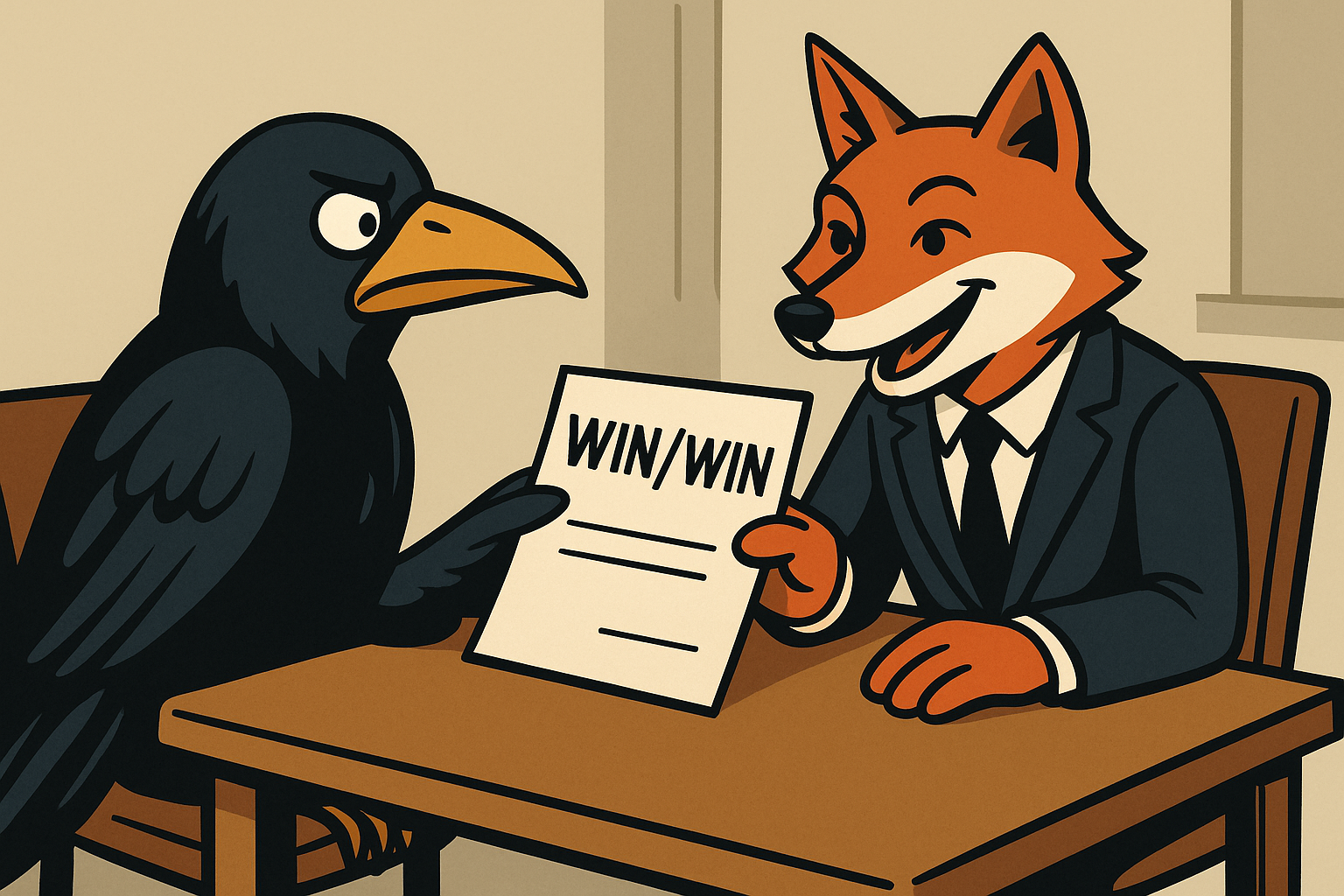
    There’s another phrase that should set off the same alarm bells: Win/Win.

    For most people, that phrase conjures visions of cooperation, collaboration, and conviviality. But win/win usually isn’t the real goal of those who preach it.

    For a trained negotiator, it’s a tactic—a way to use your good nature (and your neediness) to skin you alive.

    They say win/win, but they mean win/lose. And they don’t intend to be on the losing side.

    What win/win really means in practice is: “I’m about to demand concessions from you and give little or nothing in return.”

    And if you complain afterward? They’ll tell you the deal was fair.

    After all, any agreement you voluntarily sign is technically win/win by definition.

    Negotiation is voluntary. Everyone has the right to say “no.” The fact that you didn’t means you saw yourself as better off with the deal.

    So technically, you “won.” Just not as much as they did.

    So what do you do about it?

    First, lose your neediness. In almost every case, you don’t need to make any particular deal. You may want to, but the sun will come up tomorrow either way.

    Don’t let your need for approval push you into doing things you don’t want to. If your counterpart’s a pro, they might act offended—but that’s just theater. People actually respect those who won’t be pushed around. Once you drop the neediness, everything changes overnight.

    Finally, learn to live in your adversary’s world. You don’t have to agree with their position, but you have to understand it and be able to explain it as well as they can. When you can describe their perspective and get back a calm “That’s right,” (not “You’re right”)—you’re ready to win for real.

    PS — I talk a lot here about how negotiation touches every part of life. It’s one of the biggest leverage points you can improve. Two of the best books I know on the subject are Start With No by Jim Camp and Never Split the Difference by Chris Voss.

    I recommend both, but you can start with either. You can buy them at the link below.

    Disclosure: As an Amazon Associate I earn from qualifying purchases. If you buy something—anything—after clicking that link, I may receive a small commission. It doesn’t change your price.

  • If You’re Too Easy, You Might Scare Them Off

    If You’re Too Easy, You Might Scare Them Off

    When yes comes too fast, you start looking for the catch

    When I bought my last truck, I thought I had a pretty solid plan. By using my negotiating system to manage my behavior, I’ve gotten pretty good at making car deals.

    I’d done my research, looked at comps online, and had a number in mind. To try to get there, I needed to start lower, of course. Not so low they’d laugh me out, but low enough to trigger a counter. .

    Some people say if you’re not at least a little embarrassed by your first offer, it isn’t low enough.

    So I threw it out there.

    He went to go “ask his manager.” Everyone has seen that part of the game, so I sat there waiting for them to come back and tell me how bad my offer was.

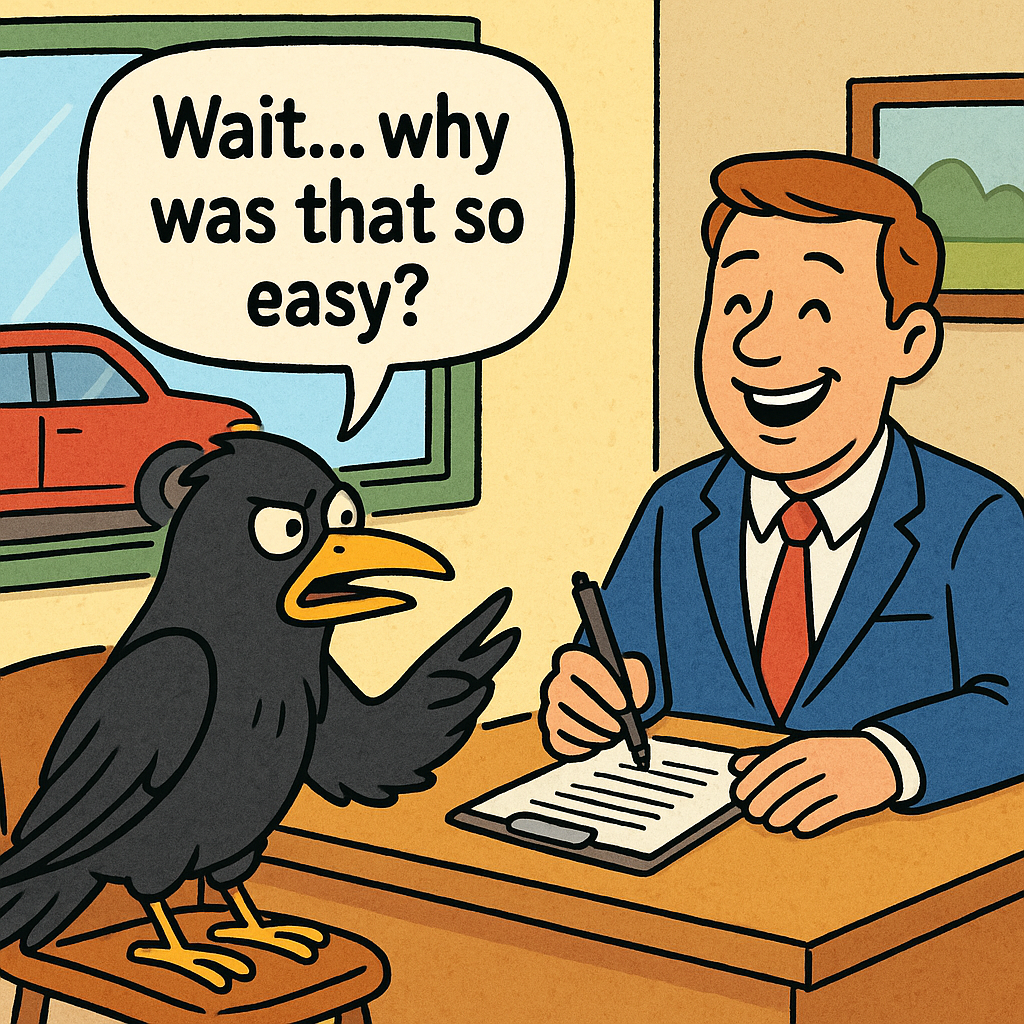
    But what happened?

    They said yes. And asked me to sign.

    No pushback. No “let me check with my manager” round two. Not even a fake sigh.

    Just yes.

    Instead of feeling like I won, I immediately thought: I must’ve gone too high.

    I even said to the guy, “You made that too easy. Now I’m not sure I didn’t mess up.”

    He just laughed.

    Looking back, I probably did okay. This was during the supply crunch, and this was one of the only trucks I could find with the equipment I wanted that wasn’t $80K or more. And I love the truck, might be my favorite yet.

    But it didn’t feel like a win. It felt like I misplayed it.

    That’s the thing about negotiation, it’s not just numbers. It’s psychology.

    The funny part? If they’d pushed back a little, I would’ve come up some.

    And felt better about the deal.

    There’s a lesson in there.

    If you want to learn how I approach deals, whether it’s land, trucks, or anything else, I’ll be sharing the books that helped shape my system soon. You’ll want to read them.


  • But We Can Get More… Right?

    But We Can Get More… Right?

    Selling isn’t just about numbers—it’s about outcomes.

    When I list lots for clients—especially custom home lots—I’m often asked that question. And the answer is: maybe. But that’s not always the point.

    I feel like I usually negotiate stronger deals than most agents. Part of that’s volume, part is experience—but a big part is that I’m not desperate to close something today. I can afford to wait, and more importantly, I can afford to tell my clients to wait, if that’s what’s best for them.

    A lot of agents can’t. They need the deal, now. So they lean on their sellers to take the first offer that shows up—even if it’s 20% below ask.

    I don’t do that.

    I’ve seen patience pay off again and again. My sellers walk away with more, and I walk away with another high comp that helps the neighborhood and everyone else trying to sell.

    But here’s the thing: “more” isn’t always better.

    Right now, I’ve got a client who donated a lot to a nonprofit. We had a target price in mind. When an offer came in 5% below that number, they passed.

    Then they came back, second-guessing: Should we have taken it?

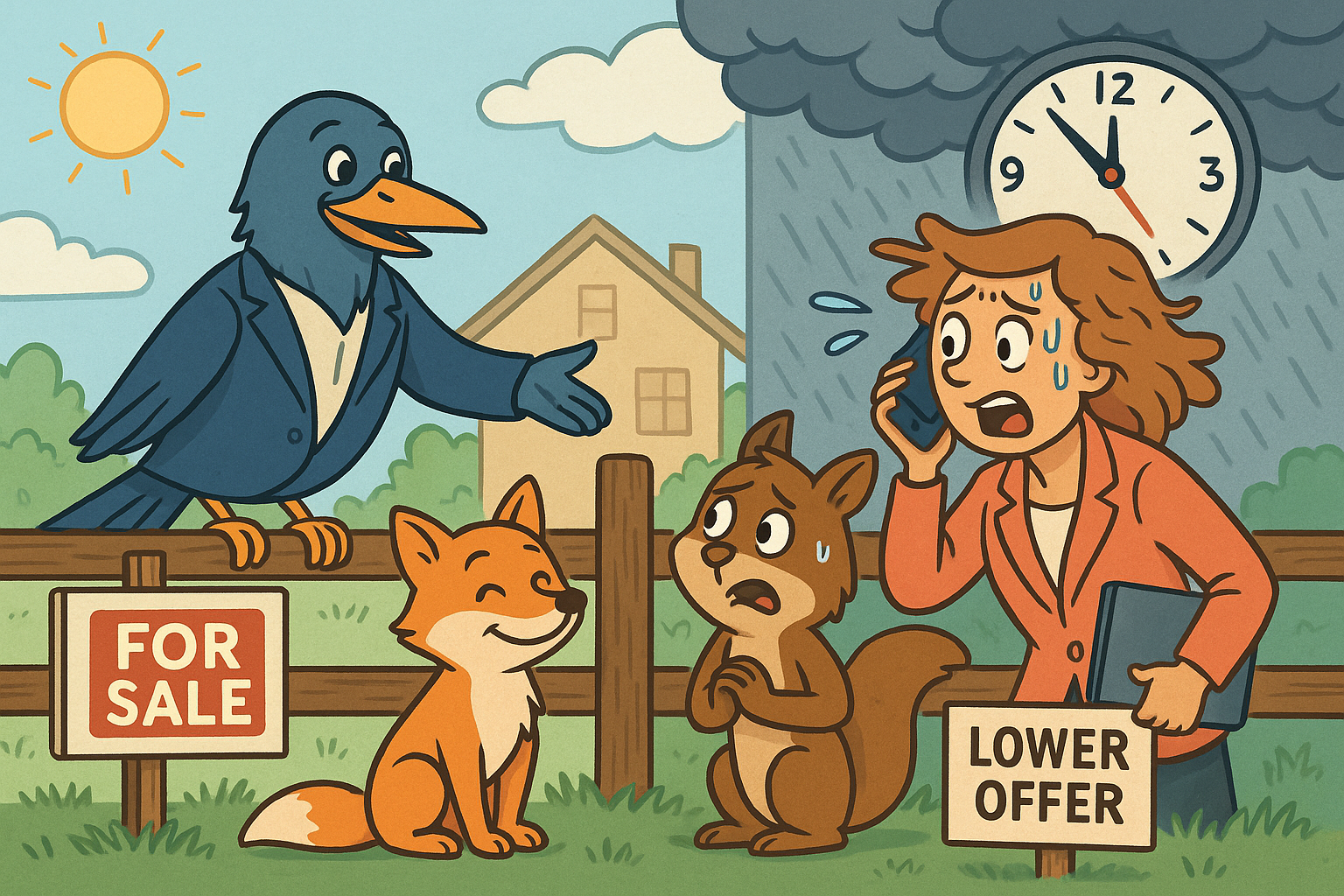
    I wanted the higher price—it helps my numbers, helps the market. But I told them no, this time the better decision might be to take the lower offer and move on.

    Because every extra month the charity holds the lot costs them money: taxes, HOA dues, insurance. If they wait six months hoping for more, they could lose that gain in holding costs.

    And the longer they wait, the longer they’re not using that money to do what they’re meant to do—help people.

    So yes, I want to sell your lot for as much as possible. But even more than that? I want to help you make the best decision for your situation. Sometimes that means walking away from an offer. Sometimes it means taking one before it slips through your fingers.

    Either way, I’m here to give you the kind of advice that’s not based on what I need—but what you need.

    When you’re ready for that kind of agent, I’m ready to help.