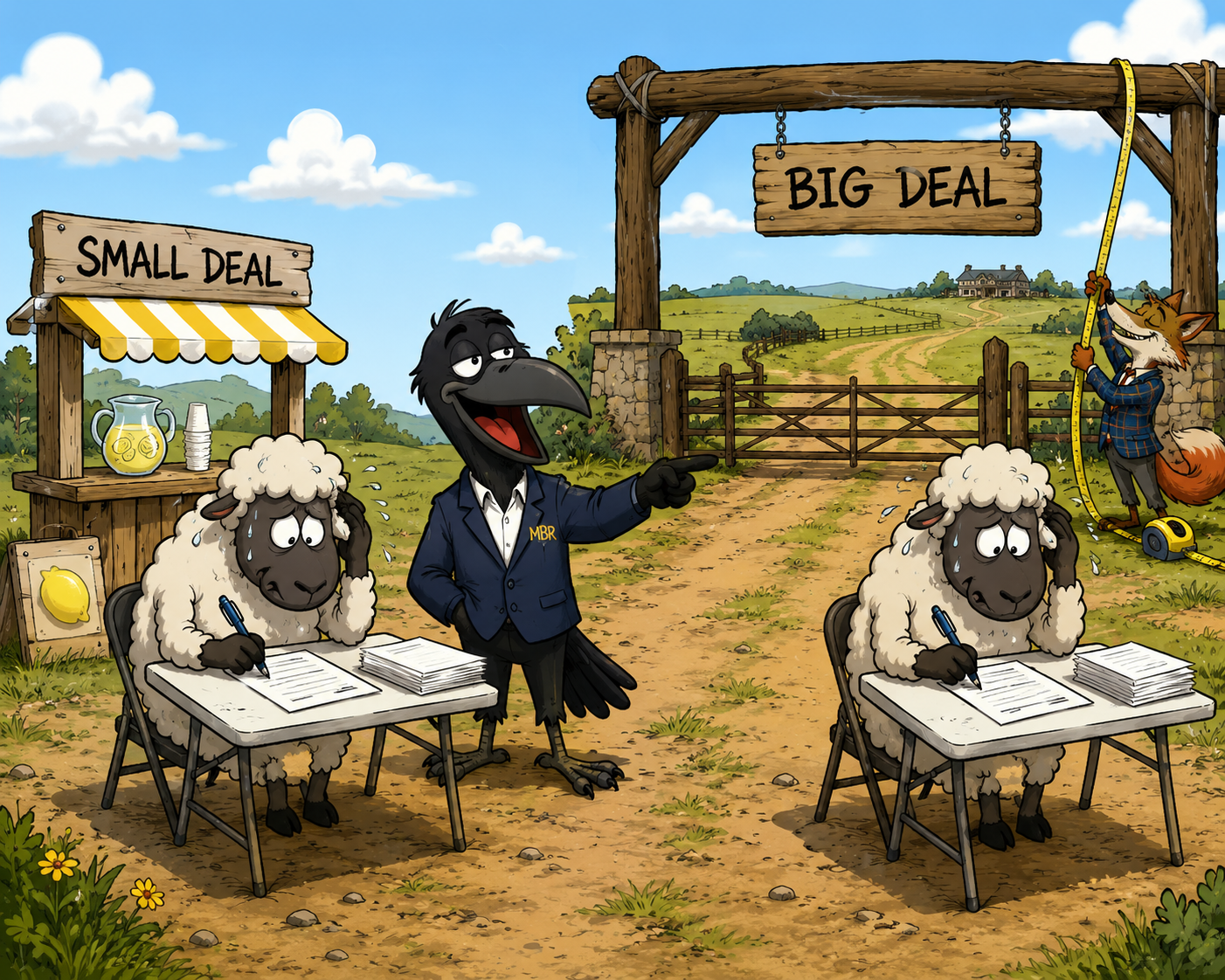
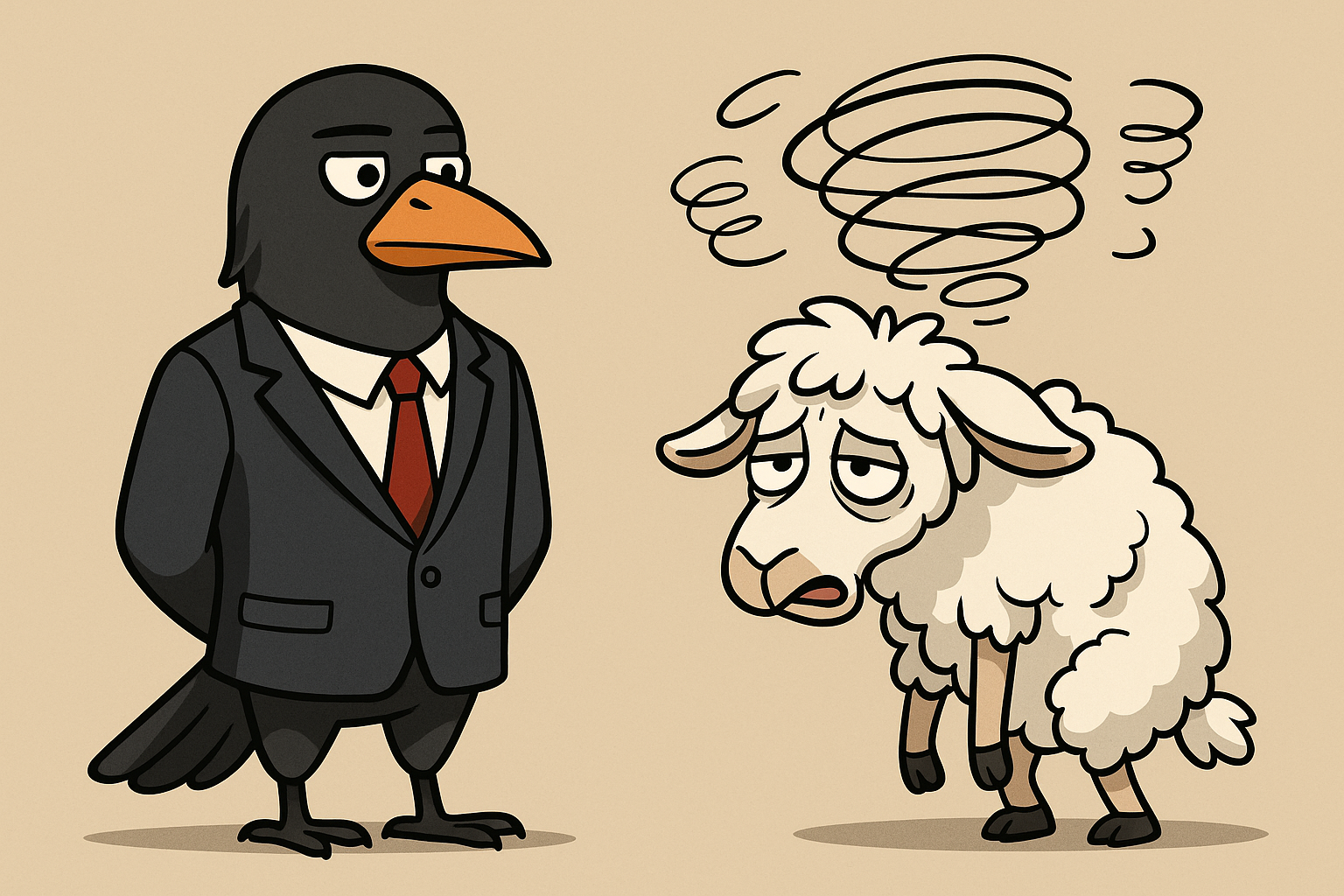
The second you need the deal, you’ve already given up the good version of it.
One of the best books on negotiation is Start With No by Jim Camp. Probably the single most important idea in it: neediness is the first thing you have to get control of. Until you do, you’re at the mercy of whoever you’re sitting across from.
Doesn’t matter if it’s a car, a house, a piece of land, or where you’re going for dinner Friday. Same rule.
Go shopping for a car and it’s about a sure thing that once you show real interest, the salesman mentions someone else. They’re coming to look at it this afternoon. Or they were in yesterday, said they’d probably be back. Whatever the line is, the point is the same. Make you feel like if you don’t move now, you’re going to lose it.
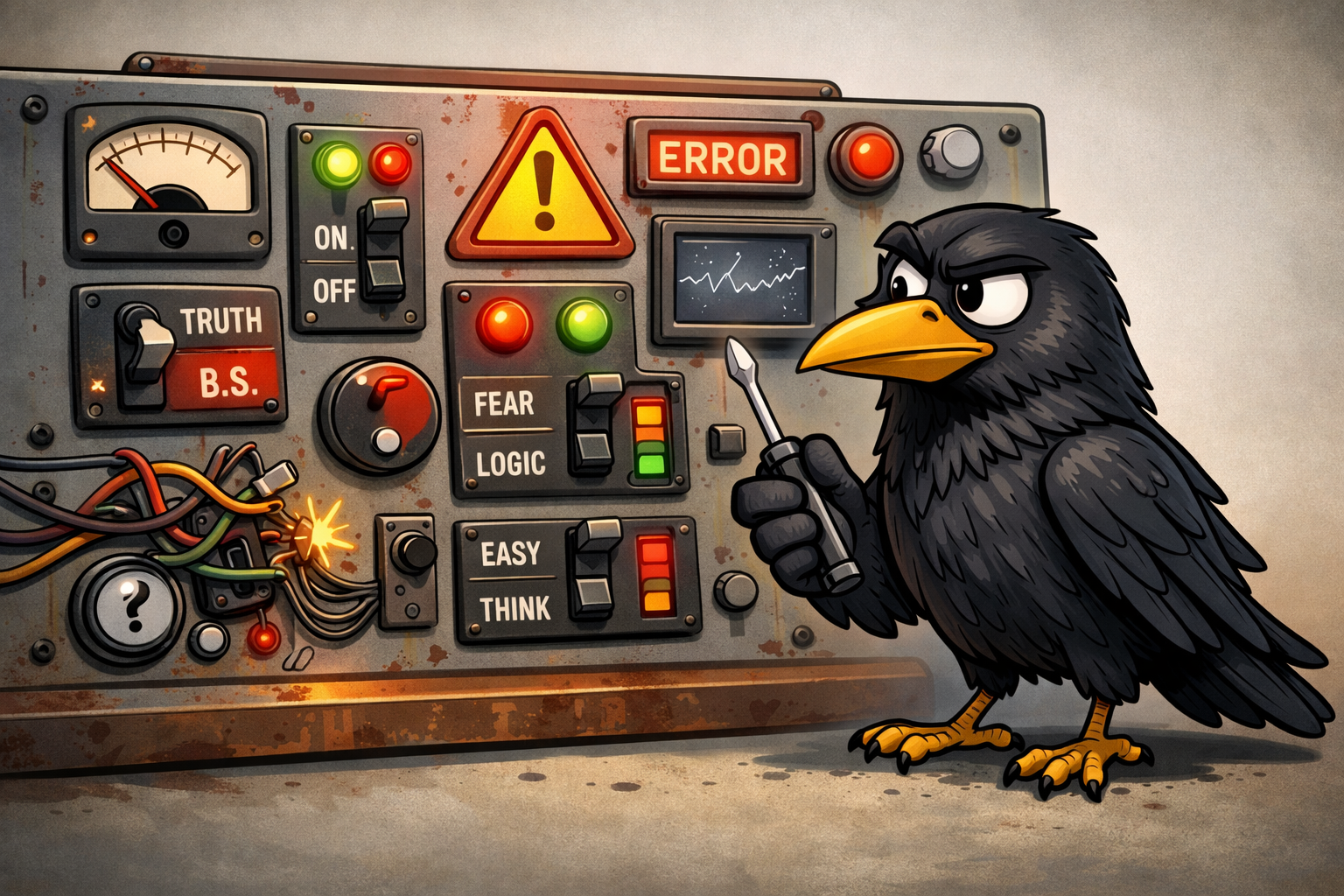
And it works. Not because you’re gullible. Because it’s aimed at something real. The second you stop thinking “I like this” and start thinking “I need this,” you’ve handed over the leverage.
You don’t even notice it happening. You just start agreeing to things you wouldn’t have agreed to an hour earlier.
Here’s what your brain skates right past. On the way to that lot, you passed a few thousand other cars. Other lots. Other listings. These things are mass produced. If this one gets away from you, there’s another one out there, probably better, and you’ll never think about this one again.
You need food. You need shelter. Around here you probably need a vehicle of some kind. But you don’t need this particular car. You don’t need this particular house.
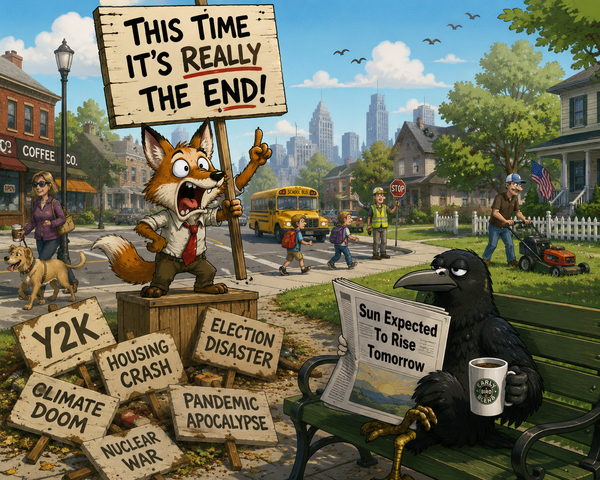
Land’s a little different. No two pieces are exactly alike, so in a technical sense a specific tract really is one of one. But different doesn’t mean irreplaceable. Miss it, and the sun still comes up tomorrow. You still eat dinner. You’ll find something else that checks the boxes, maybe something you like better, and you won’t spend one more minute thinking about the one that got away.
Wanting something is fine. Wanting it enough to stretch a little, work for it, negotiate hard. Also fine, as long as you’re doing it with your eyes open. Needing it is where it goes sideways.
That’s when you stop negotiating and start hoping nobody notices you’re begging.
The people on the other side of the table notice. Even the ones who aren’t trying to work you over will feel the shift, and the good ones absolutely will use it. Not because they’re crooked. Because that’s the game, and you just told them you’re not really playing it anymore.
The fix isn’t complicated, even if it’s not easy. Notice when you’ve crossed the line from “I’d like this” to “I have to have this.” That’s your signal to slow down, not speed up. Ask yourself what you’re actually risking by waiting a day. Usually the honest answer is: not much. The deadline was mostly invented to make you feel exactly what you’re feeling right now.
Camp built an entire system around this, and it’s worth your time if you’ve never read it. Whether you’re negotiating a purchase, a sale, a raise, or just trying to get your teenager to clean their room. Once you see how much of negotiation is really about who wants it less, you can’t unsee it.
It’ll change how you walk into every negotiation. And since everything is a negotiation, it may change your life.
PS- That link goes through Amazon, and I’m an affiliate. Doesn’t cost you a dime more, but if you click through and buy the book, or anything else while you’re there, I get a small commission.