Tag: land negotiation

  • Take The Win

    Take The Win

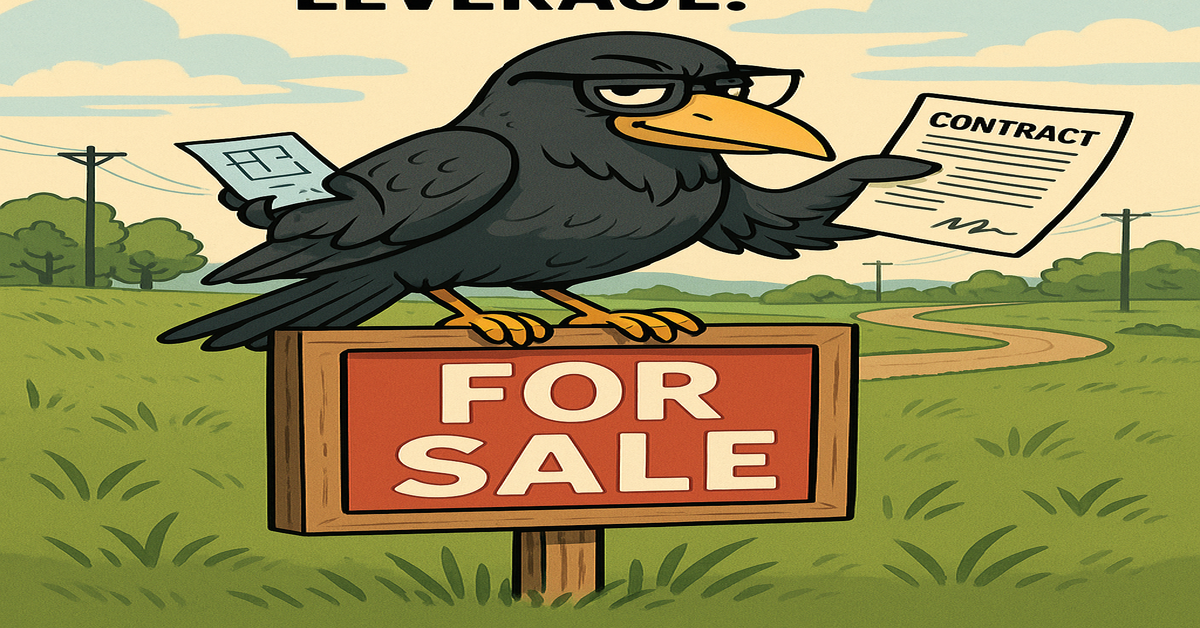
    Celina’s city council recently approved some incentives to land a second Walmart. I won’t break it down here, but it could be pretty substantial. And probably a smart move, I’d say. Sales tax is one of the few revenue levers a city actually controls, and a big box store just inside your line pulls shoppers in from both sides while the tax dollars only land on yours. So far, so good.

    Then the mayor opened his mouth.

    Ryan Tubbs told the room they were going to build the best Walmart they could “so every resident of Pilot Point comes and visits Celina and shops at Walmart… so that we cause sales tax leakage for our lovely neighbors.”

    He’s not wrong, that’s exactly what’s going to happen. Pilot Point residents will drive to the closer store, and Celina banks the tax revenue while Pilot Point’s roads absorb the traffic that got them there.

    But saying it out loud like that is a low status move. It’s also not smart business.

    There’s about a 100% chance Tubbs sits across a table from somebody in Pilot Point again before too long. A road project, a shared utility line, some regional thing nobody can avoid. And now he’s the guy who stood up and gloated about it on the record. Doesn’t matter that he was right. That’s not a great position to negotiate from the next time he needs something from them.

    Win the deal. Then keep your mouth shut about it. Be gracious.

    If you’re a land investor you know this.

    You make your money when you buy, not when you sell. Old idea, still true every time.

    When somebody’s willing to sell below market today, there’s almost always a reason behind it. A health scare, a divorce, a job that’s moving them, an estate nobody in the family wants to deal with, a note coming due next month.

    You didn’t create the situation. You just showed up with a solution when they needed one, and the price reflected the circumstances.

    The deal closes. You’re very happy with the deal. That doesn’t mean you explain to the seller how much you saved, or mention it to their neighbor, or bring it up again down the road when the tract’s worth double.

    You say thank you and you mean it.

    And that you hope your paths cross again, because in this business they usually do, and you want to still be the guy they’d sell to next time.

    Gloating doesn’t get you anything the win didn’t already get you. It just costs you the next deal, or the next referral, or the next seller who was on the fence and heard how you talk about the last one.

    Most of the good deals I’ve gotten over the years came from somebody who trusted me enough to call again.

    People have long memories when you make them feel like the loser.

    Register to Receive Posts Via Email!

    By submitting, I understand I will receive marketing emails and blog posts from Mike Browning Realty and/or associated companies. Unsubscribe at any time.

  • Avoiding Self-Inflicted Wounds Since 1999

    Avoiding Self-Inflicted Wounds Since 1999

    I’ve been learning from mistakes (mine and others) for a long time

    A client of mine recently went under contract on a tract we think is prime for an acreage lot development. It’s outside any city limits—thankfully—so we’re dealing with the county instead of some slow-moving municipal planning department.

    County processes? Still not fast. But we’re talking 1–2 months for plat approval instead of 5–6. That’s a win.

    Even better, the seller had already started working with an engineer, so we’re ahead of schedule compared to most deals like this.

    But before you do anything with a plat, you have to confirm the local water co-op has capacity to serve the project. If they don’t, you need to know what has to happen to get service.

    That starts with paying $1,000 to their engineer—just for them to look at it. Seems like a few hours of work, right? Nah, they’ll quote you “a few weeks.” Feels like a racket because it kind of is. But here we are.

    Knowing this, I negotiated a 60-day option period for my client to complete due diligence. And in case we needed more time, we got two 30-day extensions built in—for a nominal fee that gets credited toward the purchase price. So, effectively free if the deal closes.

    Now here’s where things really went our way:

    The engineer came back quickly (shocker) and confirmed there is capacity—without needing system upgrades. That never happens. But we’ll take it.

    Phase I of the plat has already been approved. It just needs to be filed, and we can start selling those lots—they don’t require new streets. The rest of the plat is moving toward approval too.

    Now the seller wants to know: “Are you going to skip the extensions and close sooner?”

    I haven’t even asked my client, but I can already tell you the answer—hard no.

    Here’s why:

    When you’ve got a property under contract, you control it—without paying for it yet. That means we can start talking to builders and buyers, even write contracts on the lots. We just can’t close those until we officially own the land.

    Meanwhile, the purchase money? Sitting in my client’s bank account, earning interest.

    No brainer.

    When negotiating, I honestly expected the seller to insist that any extension fees be added to the price, not credited toward it. And that it be new money, not just a release of funds already at title. Nothing too crazy—just enough to make it worth our while to forgo an extension we don’t really need. And we’d have agreed to it.

    Why didn’t he? No idea. Maybe he didn’t think it through.

    Why didn’t I point it out? I’d have been breaking my fiduciary duty to my client. Plain and simple. It’s my job to get my client then best deal, not the other way around.

    So here are two takeaways:

    1. If your contract gives a buyer extension options, assume they’ll use every single one and close on the last day possible. That’s just smart business on their part.
    2. If you’re not experienced negotiating land contracts, there’s a good chance you’ll put yourself in a non-ideal but avoidable situation. This can cost you time, money or both.

    Having the right person on your side matters. Not every deal is perfect, but if I’m representing you, you’ll know exactly what you’re getting into—before you sign anything. Not after.

    Thinking about selling? You know where to find me.