Prepare to be disappointed…
One thing I’ve learned — about business, health, and life in general — is that you can’t tactic your way out of a structural problem.
If the big stuff isn’t handled correctly, what you do with the small stuff doesn’t really matter. Maybe it works in the immediate term, but it won’t work long term.
Most people try anyway. It’s easier. It feels productive. It gives you that little hit of “I’m doing something.”
But it never lasts.
Think about weight loss.
People jump on crash diets, detox teas, miracle supplements, or now the latest round of drugs. And look — if a doctor prescribes you something and it helps, great. But none of those things fix the basic structure.
Your life still has to be built around eating like an adult and moving your body a little. If the structure isn’t right, the tactics are temporary.
(And if you look at me, you might say I’m not the one who should be talking about that.)
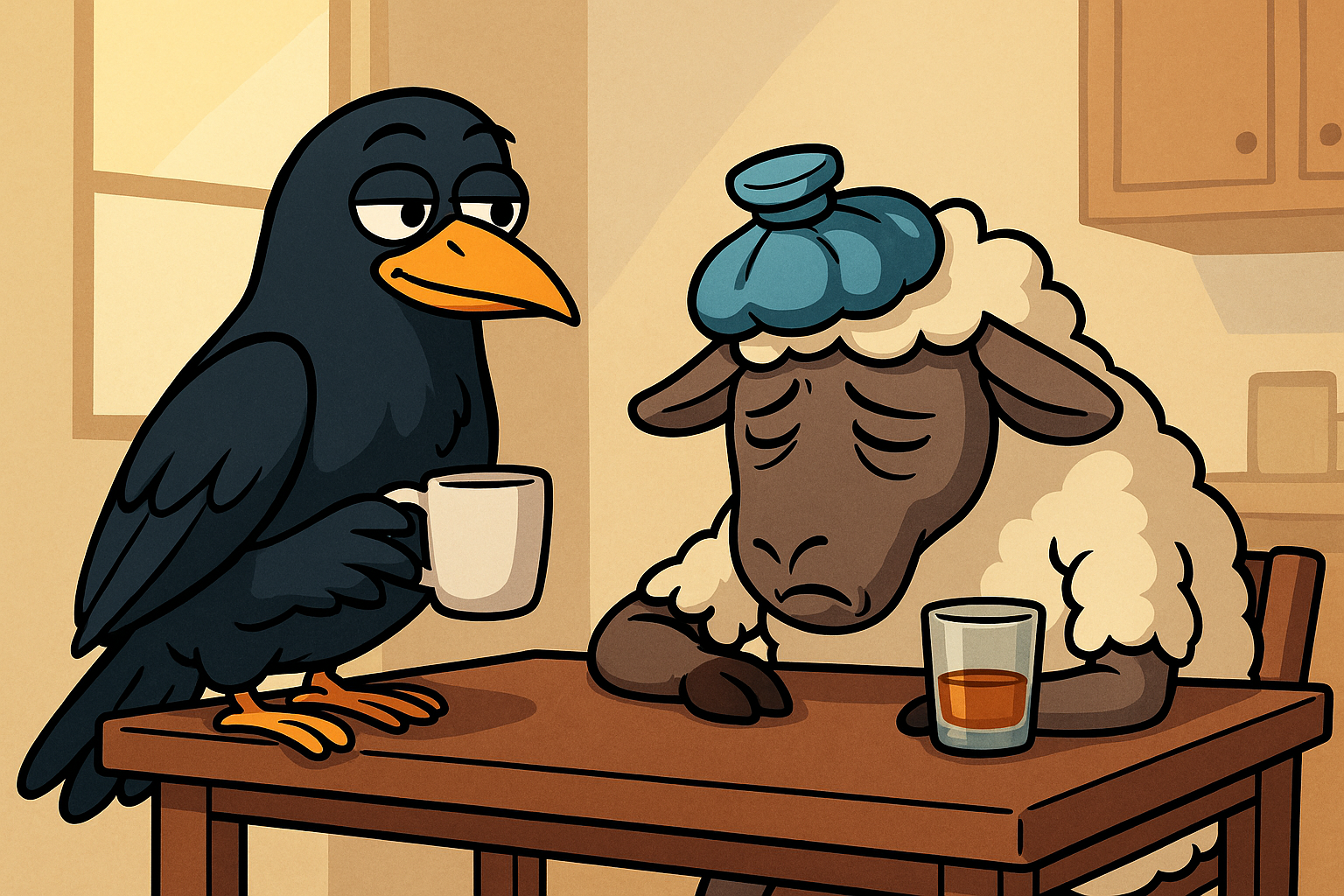
Same with hangovers. You can chug coffee, pound aspirin, and inhale greasy food, but the structural solution is simple: don’t overdrink in the first place. That one change eliminates all the elaborate morning-after tactics people swap like stock tips.
Most agents live entirely in tactics. Post more. Boost the ad. Send a mailer. Hack the algorithm. Pay for leads. Hustle harder. They chase the next trick because their structure is wrong.
The structure — the part underneath everything — is the set of principles you operate from. Things like:
- Be honest about value.
- Tell people what they need to hear.
- Keep clients for years, not transactions.
- Make your marketing useful instead of loud.
- Communicate like an adult.
- Have a real process for valuation, pricing, and negotiation instead of winging it.
If those structural pieces are solid, almost any tactic becomes productive.
A mailer works. A blog post works. A phone call works. Because the foundation is right, the activity sits on something stable.
You’re not trying to manufacture momentum out of thin air — you’re adding fuel to a fire that’s already burning.
But if the structure is wrong?
Then the tactics are just noise. They might get you a listing here or there, but they don’t build anything.
You’ll have a great month followed by three dead ones. You’ll land clients who treat you like a commodity.
You’ll work twice as hard for half the result because you’re patching problems you created by ignoring the fundamentals.
And here’s the uncomfortable part: building the right structure isn’t flashy. You can’t brag about it on Instagram. It’s slow habits, consistent communication, telling the truth when it costs you money, and doing things well when nobody’s watching.
Once the structure is right, tactics finally matter. They multiply. They compound. They stop being desperate moves and start being force multipliers.
Most people will keep reaching for the aspirin instead of fixing the drinking problem. But if you build the right structure first, you won’t need nearly as many tactics — and the ones you do use will actually work.
Get more like this in your inbox here!
PS — You’re probably not an agent, and probably aren’t buying or selling land today. But the point still applies to you: set the stage ahead of time and things go much smoother when it’s showtime.
I offer a free, no-obligation opinion of value on any non-residential property. You’ll get real comps in your area and everything pertinent to your situation.
Development starting nearby? New roads? Utility issues on the horizon? You’ll know about it.
Delivered with integrity.
Based on a system developed over 20+ years, not overnight tactics.
Is it ever a bad idea to be prepared?
Click below to get started:
Got a lot you might want to sell?
Get a FREE, no obligation report on what it could sell for today.
Get Your Lot Valuation
Own land instead?
Get a report for that here:
Get Your Land Value
Just a glutton for punishment?
Sign up now to get more articles like this in your email.
Sign Up Now