Tag: Chris Voss

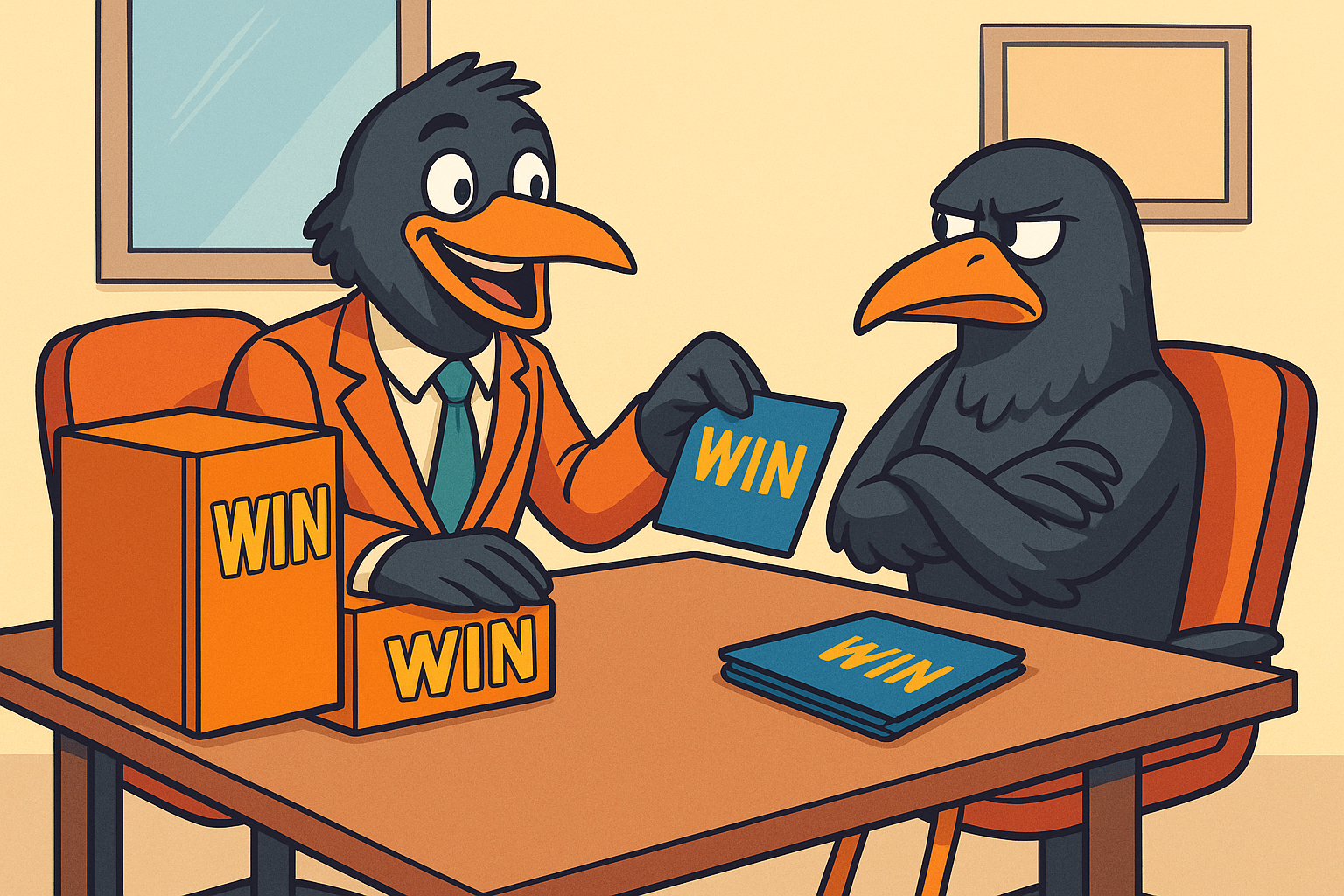
  • When Someone Says Win/Win, Prepare to Lose

    When Someone Says Win/Win, Prepare to Lose

    I got an email today pitching a continuing-education class for real estate agents.

    The hook?

    “Seasoned pro Candy Cooke will offer real-estate-specific tips on how to close deals that are win-win for all parties.”

    Every time I see “win-win,” I know exactly what’s coming next:

    Now, I’m not against working together. Not even close.

    Good negotiators use empathy constantly — not to melt into the other side, but to understand what they actually want.

    Sometimes there is a way to structure a deal where both sides walk away happier than they expected.

    But that’s not usually what “win-win” means when it shows up in real estate training.

    What it usually means is: “Let’s teach agents how to get their own clients to settle faster so the agent can get paid sooner.”

    Because here’s the truth nobody in CE classes ever says out loud:

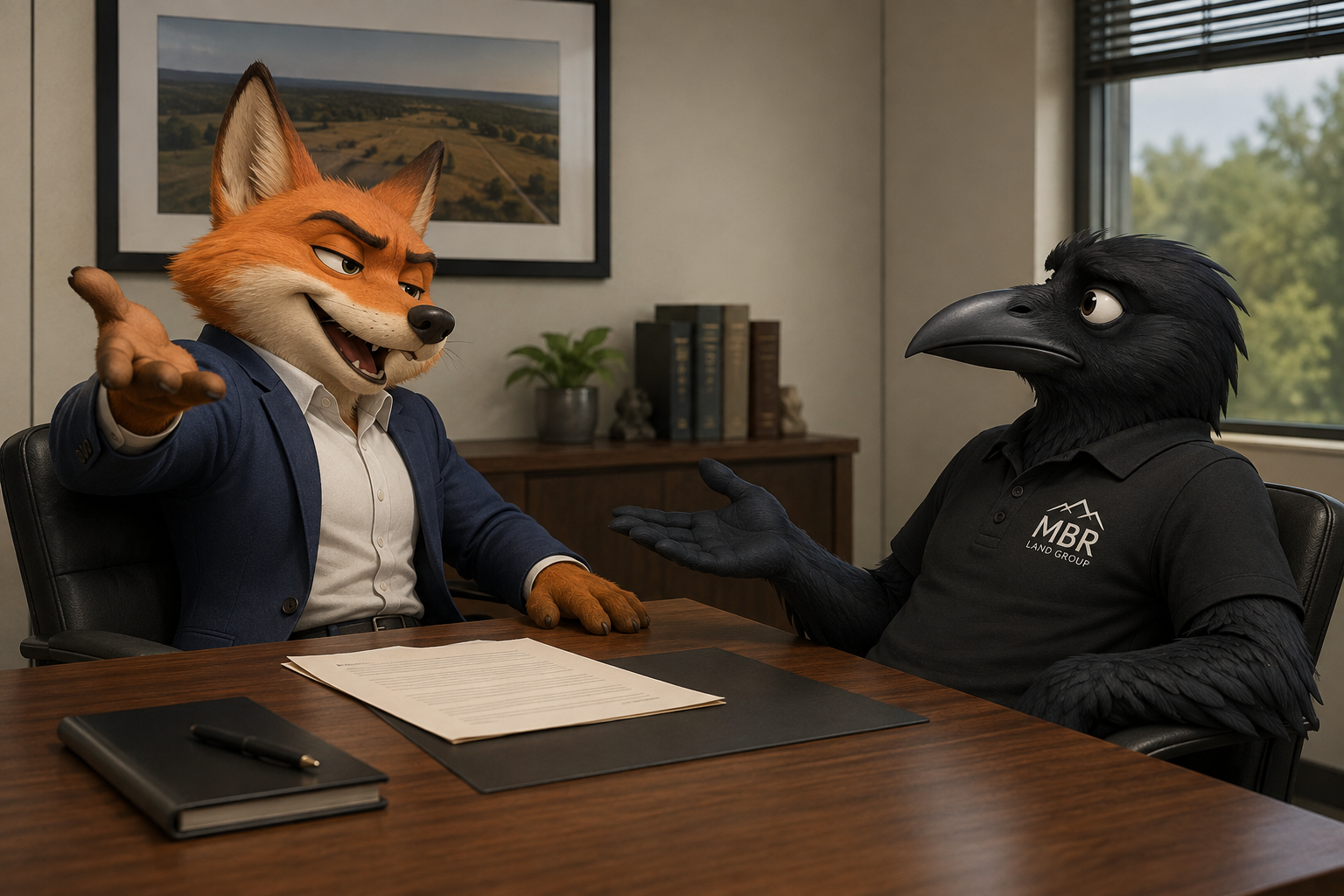
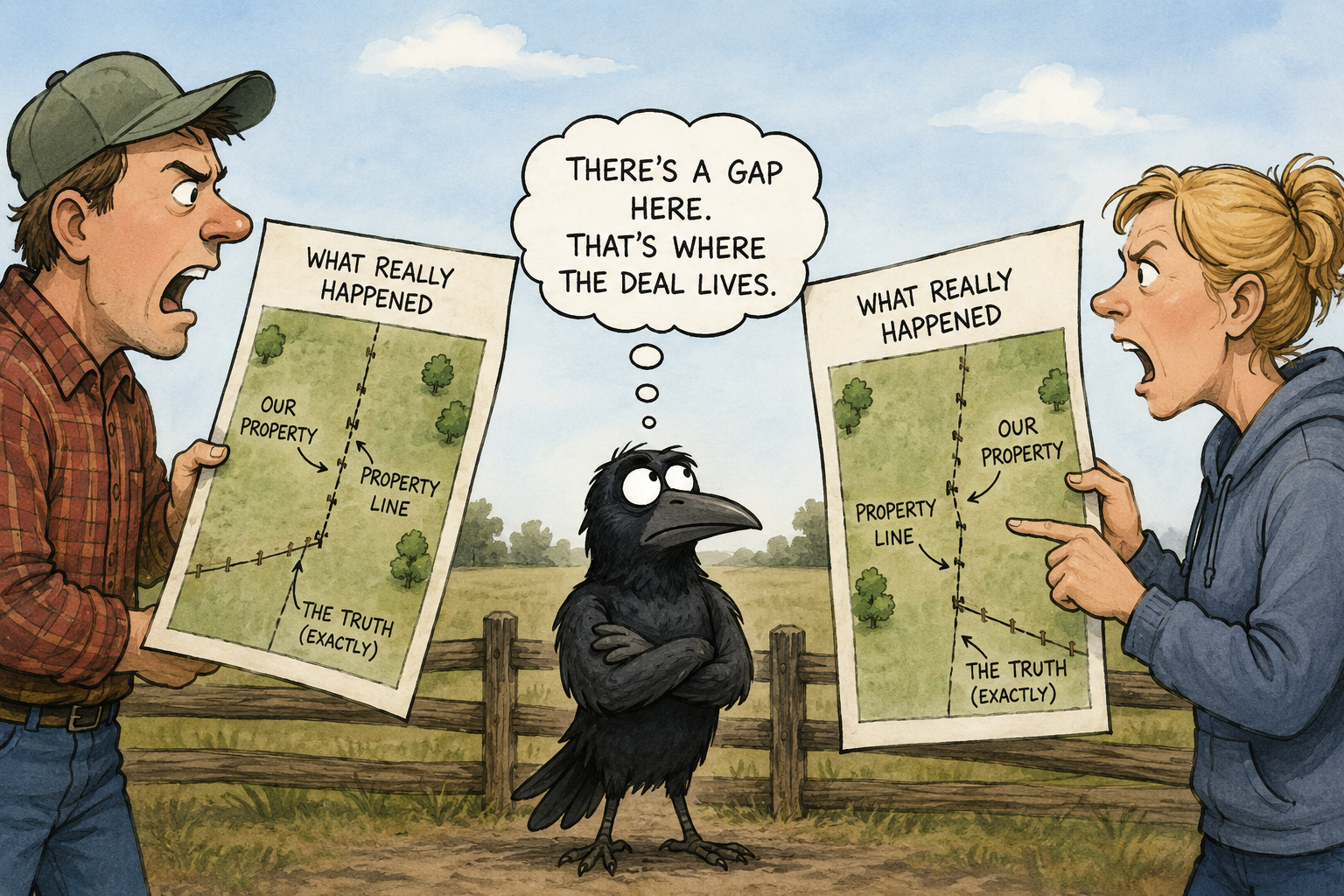
    Most “win-win” apostles aren’t preparing you to negotiate. They’re preparing you to fold. And worse, they’re preparing your clients to fold.

    A true negotiation is cooperative — but it isn’t compliant.

    Those are two very different things.

    The consumer thinks “win-win” means the agent is going to fight for them while still being reasonable.

    What it often means is the agent is going to protect the relationship with the other agent, move the deal along, and get to the closing table with as little friction as possible.

    Even if that means nudging their own client into giving up more than they should.

    That’s not working for someone. That’s working them.

    The sad thing is, most agents don’t even realize they’ve been taught to do this. The scripts and the slogans sound virtuous — “we’re looking for mutual benefit,” “we want everyone to win,” “we don’t want to create tension,” and so on.

    And the public hears those lines and thinks, “Well, that sounds nice.”

    Of course it sounds nice. That’s why it works.

    Meanwhile, in the real world, negotiation experts like Jim Camp and Chris Voss teach systems built on something entirely different: clarity, permission to say no, understanding what matters, and deliberately de-escalating pressure instead of giving in to it.

    Those systems work.

    They get better deals.

    And they do it without games, without manipulation, and without needing your client to be the “reasonable” one every time.

    I use those systems because they’re collaborative in the only way that matters: they produce honest results.

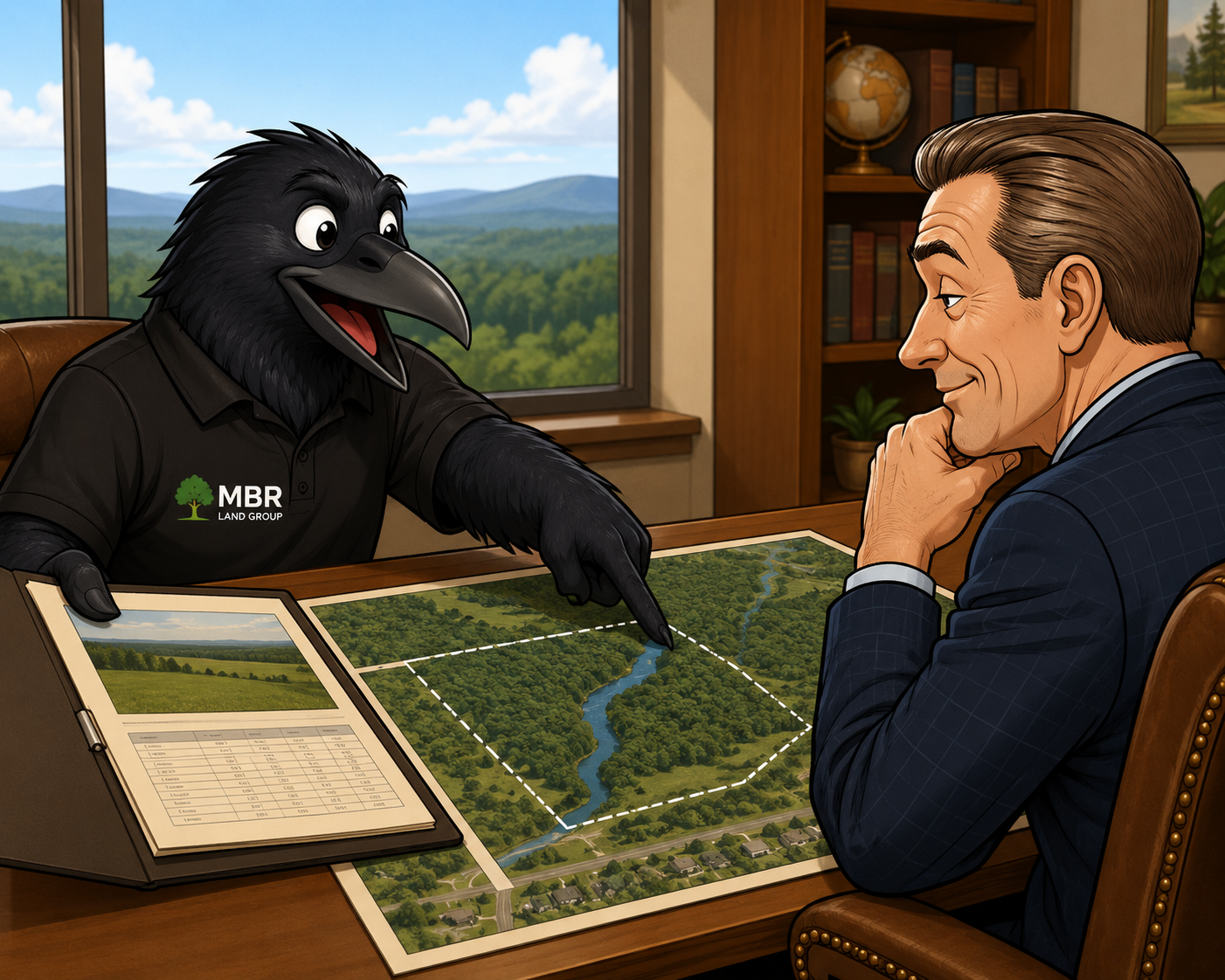
    They help my clients get what they actually want, without tricking the other side and without tricking my own people into thinking they have to settle early.

    And the best part? I don’t hide it.

    I tell everyone to read the books — agents, clients, anyone. Everything in life is a negotiation. The better you get at it, the better everything goes.

    Real collaboration isn’t phony “win-win.”

    It’s two sides telling the truth, knowing their purpose, and working toward an agreement that actually makes sense.

    That’s the game I’m playing. And I’m playing it on behalf of the people who hire me.

    If the other side happens to play it too? It almost always ends up better for everyone.

    You can buy the books off my recommended reading page here:

    Disclosure: As an Amazon Associate I earn from qualifying purchases. If you buy something—anything—after clicking that link, I may receive a small commission. It doesn’t change your price.

  • Hate To Have Missed This

    Hate To Have Missed This

    If you’re in any kind of service business, I’m sure you get a lot of the same kinds of emails I do — free webinars that turn out to be thinly disguised sales pitches for something you probably don’t need.

    But every now and then, one might actually be worth the time. I had the chance to watch one of those today. Unfortunately, I missed the invite and the show was over by the time I got back from lunch.

    The webinar was hosted by Chris Voss, author of Never Split the Difference — one of the best negotiation books out there. If you can master even a few of his concepts, it’s like playing a completely different game than everyone else. In a good way.

    And since basically everything in life involves negotiation, I’d say it’s worth learning.

    In the book, Voss talks a lot about empathy — a word that’s commonly misunderstood. Most people confuse it with sympathy.

    According to Voss, empathy is the understanding of another person’s world — without judging, and without necessarily agreeing.

    You know you’ve hit that point when you can explain their position back to them and they say, “That’s right.”

    (Not “you’re right,” but “that’s right.”)

    That’s when the light turns green for real progress. Until then, a negotiation is just two people talking past each other and trying to convince one another.

    So if I already know all this, why am I so annoyed about missing the webinar?

    Because the guest was Daryl Davis.

    He’s a blues musician, author, and actor — but also one of the greatest negotiators alive, even if not in a business sense.

    There’s a documentary about him called Accidental Courtesy: Daryl Davis, Race & America. You can find it on YouTube (at least you could this morning). I highly recommend it.

    The movie tells how Davis — a black man — has personally convinced hundreds of Ku Klux Klan members to leave the organization. Many of them even gave him their robes when they quit.

    He’s got a closet full of them.

    Davis accomplished all this using empathy. Not agreement, not argument — understanding.

    If empathy can do that, I think it’s fair to say it might help you in whatever it is you’re doing — business, family, or real estate.

    So yeah, I’m sorry I missed it. I’m sure I would’ve learned something new, and it would’ve been an honor to ask him a question. Maybe I’ll get another chance.

    Until then, I’ll reread Voss’s book (again). I get something different out of it every time.

    Would it be a terrible idea to improve your negotiating skills — and your life?

    ***As an Amazon Associate, I earn from qualifying purchases. That means if you click a link and buy something, I may receive a small commission — at no extra cost to you.