Tag: Buyer Psychology

  • No Crying To The Fairness Police

    No Crying To The Fairness Police

    The World Cup is around the corner.

    With that, you’re starting to see stories in the news about “price gouging.”

    First it was the cost of tickets. FIFA released a token number of cheap seats as a PR move. Now it’s the price of Airbnb rentals near the venues, reportedly five to seven times their normal rates.

    And people are complaining.

    But whether you think this is a problem depends entirely on which side you’re on.

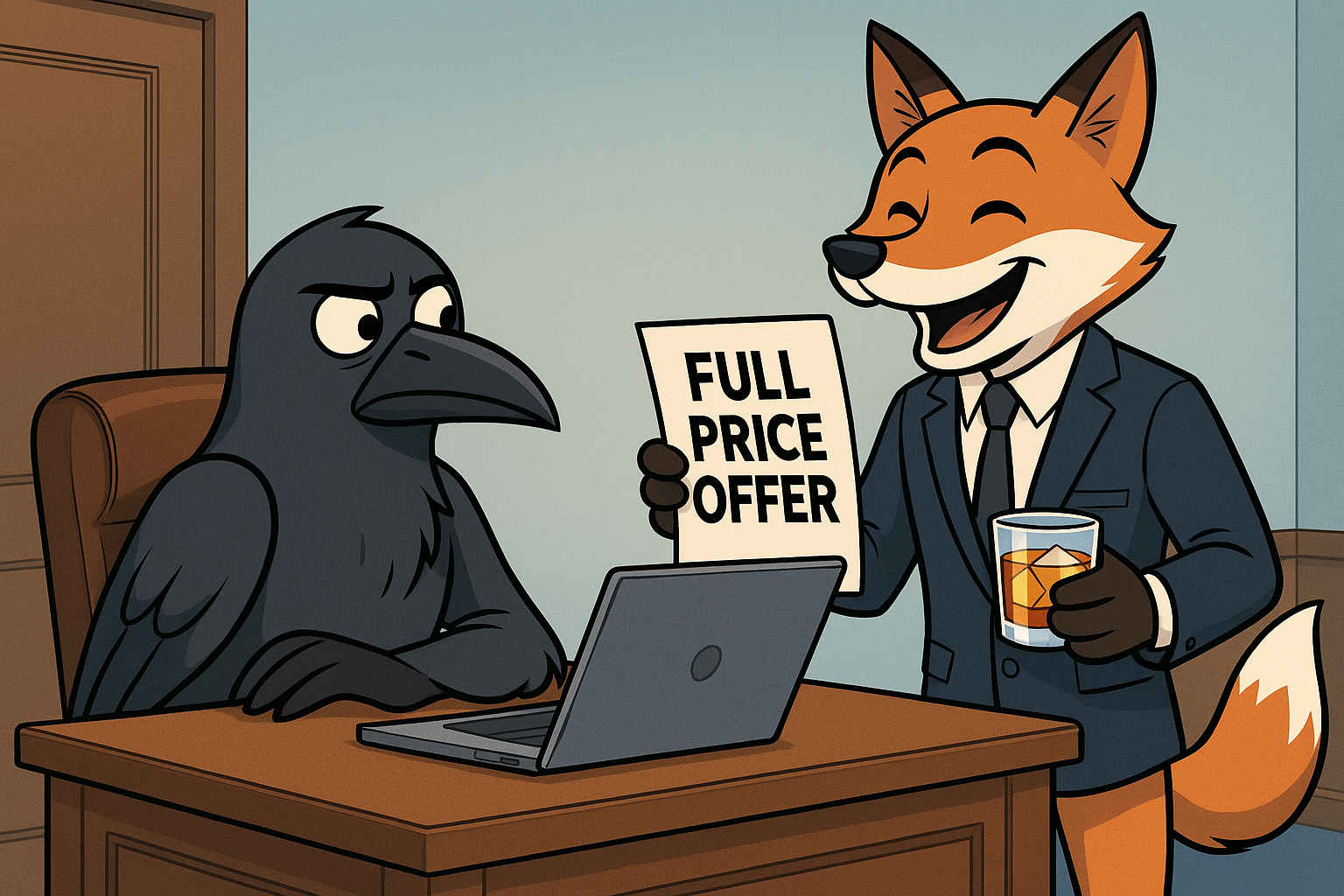
    If you’re selling something and it suddenly becomes worth more, and someone is willing to pay that price, you only get that opportunity once. There is no do-over. You want to maximize it. That’s rational.

    If you’re buying, though, people suddenly think they have the right to tell someone else what they should accept. Or that a seller should take less than what another buyer is willing to pay, just for the sake of their convenience.

    That’s where the disconnect is.

    On the surface, this seems simple. In practice, it’s not. The correct answer is usually the opposite of what people want when they’re on the losing side of a transaction.

    You need to get over it.

    If you can pay, pay. If you can’t, or don’t want to, figure something else out. That’s it.

    And this same dynamic shows up in real estate all the time.

    If I’m marketing your property and negotiating on your behalf, here’s the reality.

    The job is to sell it for as much as possible, in the shortest amount of time. Those two things can change depending on your situation. The objective does not.

    I’m not going to talk you into taking less because a buyer is upset, inconvenienced, or making arguments that wouldn’t pass a basic economics class.

    That doesn’t mean we’re difficult. It doesn’t mean we strong-arm people or nickel and dime every detail.

    But if there are buyers willing to pay more, that’s who we’re talking to first.

    Feelings don’t change that.

    I work for my clients. Not them.

    PS- You’re probably not ready to buy or sell land today. And that’s fine.
    But the time to prepare for anything is long before it’s actually time.

    I offer a free, no-obligation analysis on any non-residential property. It includes real comps with real prices near your tract, along with things like planned development, utilities, and current market conditions.

    Even if you’re not ready to sell, or never plan to sell, having current market information does not hurt.

    And you’ll be working with a regular guy who talks straight. No flattery. No pressure. Just real information, integrity, and a willingness to listen.

    Most importantly, someone who does not get his feelings hurt by people who don’t have your interests in mind.

    Can anything bad happen by just talking?

    Click Below:


  • The Highballer

    The Highballer

    I’m sure most people reading here have had the experience of going to a car lot. I kind of like the process, but I’m weird. And I negotiate for a living, so it’s kind of like practice.

    But for most people, it’s like pulling teeth.

    We all know how it goes. You find a car you like and take it for a test drive. Afterwards, the salesman asks this question:

    “If I can get you the right price, would you buy the car today?”

    Well, sure. Who wouldn’t for the “right price?”

    Next step you go in the office, and they ask you for a number. You try to give them a low number, but my experience is most people don’t go low enough. (a good rule of thumb is if you’re not at least a little embarrassed by your initial offer, it’s too high)

    Salesman takes the number, acts excited, and says he’s going to go get it signed off on by his boss.

    You know what happens next. They can’t do it. You start negotiating, and they use every trick they know to play off your neediness. Including dragging the process out for hours. So you feel like you’ve wasted time if you don’t make a deal.

    If they know what they are doing (and they do), you probably end up agreeing to something you regret.

    It’s not necessarily that you shouldn’t play the game, it’s that you need to know what the game is before playing.

    A similar thing happens in land sales, especially in areas that are ripe for development.

    It’s not every buyer, but certain buyers will be very aggressive in trying to get your property under contract. Even if they are pretty sure it won’t work at the number you’re asking.

    They say, “what will it take?” You give them a number, they write it up and you sign. And you start counting the days til you can spend the money.

    Even more than you expected!

    But don’t forget there are contingencies in those contracts. They can get out of the deal, and it doesn’t usually cost them much.

    So even if you’re asking too much, they go ahead and sign it up. Worry about that later.

    Come back to you a couple months down the line, use every trick they know to get the price down, get more time, whatever. They know you have a bunch of time invested, and it’ll feel wasted if you have to start over.

    So you give in more often than not.

    But you have to know what the game is, and what to expect.

    PS — Not every buyer works that way, and it doesn’t always mean they’re dishonest. To buy something, you’ve got to get it under contract first, and some are just more aggressive about getting there.

    The key is knowing what you’re getting into. If you’re not in the business, it’s hard to know who’s who—but you need to. Or have someone in your corner who does.

    Yes, you’ll pay on the back end—but the peace of mind is worth it.

    Is it ever a bad time to start a conversation with someone who knows the players and has the integrity to treat you right?

    Click below,


  • What People Say Doesn’t Matter. It’s What They Do.

    What People Say Doesn’t Matter. It’s What They Do.

    We’d like to think they are the same thing. Reality tells us otherwise.

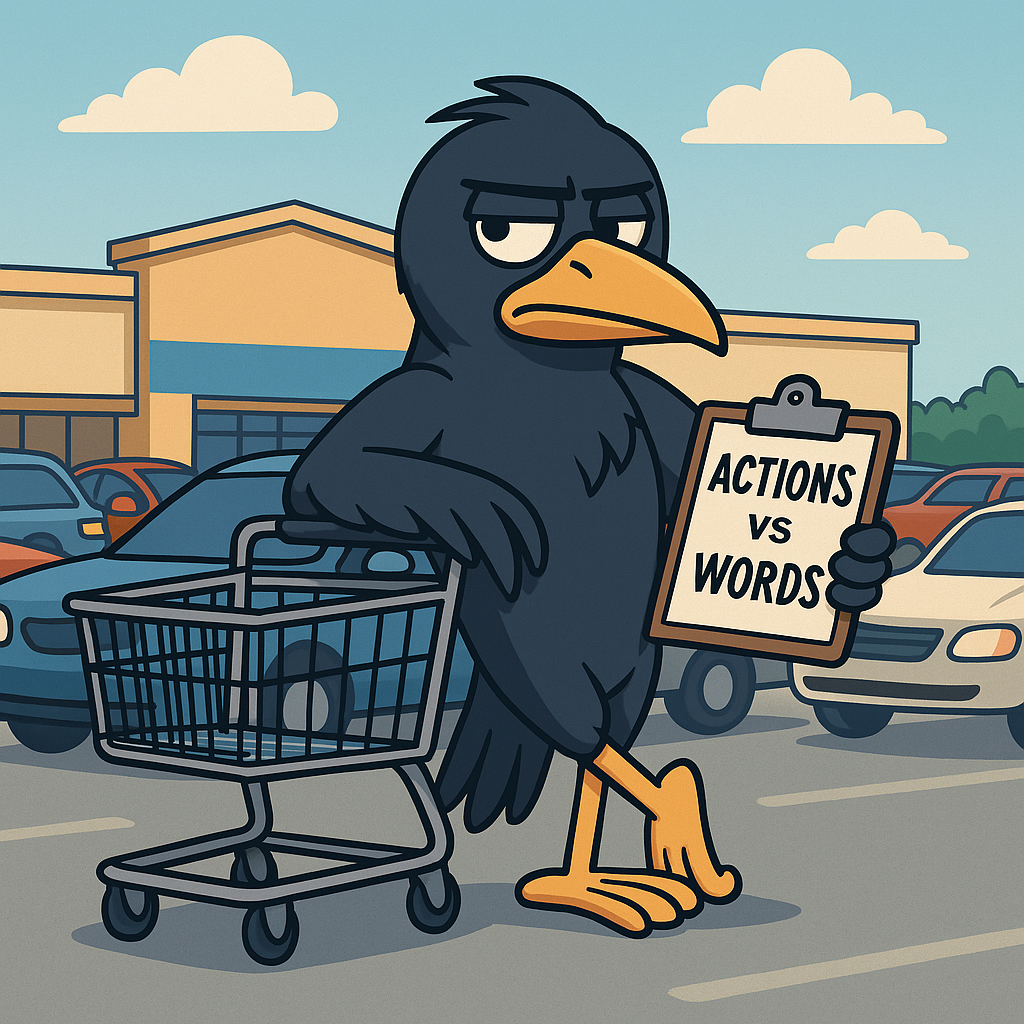
    Whenever a big new retail project gets proposed — Walmart, Costco, whatever — the storyline’s predictable:

    The developer and city work through approvals. Most people are happy for the convenience (or don’t care), but there’s always the loud minority who need to virtue-signal.

    “I hate Walmart!”
    “The city shouldn’t allow it!”
    “I’ll never shop there!”

    Then it gets approved. And the parking lot is full — often with the same people who swore they’d never be there.

    I get it — places like that can be a hassle. But if you’re going anyway, don’t pretend you won’t.

    Same thing with the Cowboys.
    “I’m tired of their BS!”
    “I haven’t watched in years!”

    Funny how ratings go one direction — and how the guys who “aren’t paying attention” somehow know every detail about the latest roster moves.

    I get it, it’s been a frustrating 30 years. But the fake boycotts get old.

    Even sports media plays the game. Before the Netflix Cowboys documentary dropped, hosts were saying they didn’t want to watch — “too above it all.” Now? It’s the greatest series ever, and you can’t turn on the radio without hearing about it.

    I’m glad I don’t make my living talking for hours a day about something I say I can’t stand to even think about — but that’s beside the point.

    Here’s the point:

    What people say doesn’t matter. What they do does.

    You probably know plenty of agents and brokers who say they’ll deliver — big promises, smooth talk, all confidence. But when it comes time to back it up? Different story.

    I don’t say much. It’s the best way I’ve found to avoid saying something dumb. But when I do speak, I make sure my actions line up.

    When it’s time to buy or sell, would it be smart to entrust things to someone who doesn’t do what they say?


  • Do You Need it Right Now? Then Wait ‘til Tomorrow

    Do You Need it Right Now? Then Wait ‘til Tomorrow

    One step to never being taken advantage of at the negotiating table again

    I talked about the danger of neediness yesterday, but it’s so important I’m going to stay with it.

    Negotiation is a fundamental skill in life and business—but most people aren’t great at it. Mainly because they just don’t get a lot of practice.

    In the U.S., we’ve standardized just about everything. Prices are fixed. Products are labeled. You go to the store, you pay what it says. No haggling. No dance. So when it is time to negotiate—whether it’s for a house, land, or a job offer—most people get uncomfortable fast.

    And it’s immediately obvious to the salesperson. They negotiate every day. Even if they’re not a pro, the repetition alone makes them better than most. And they’re more comfortable by default—they’ve got nowhere else to be. This is their job.

    Here’s the part most folks miss: negotiation is not about intimidation. It’s not about being slick. It’s about posture.

    Neediness is what kills your position.

    If you have to buy it today, you probably shouldn’t.

    Make yourself wait until tomorrow.

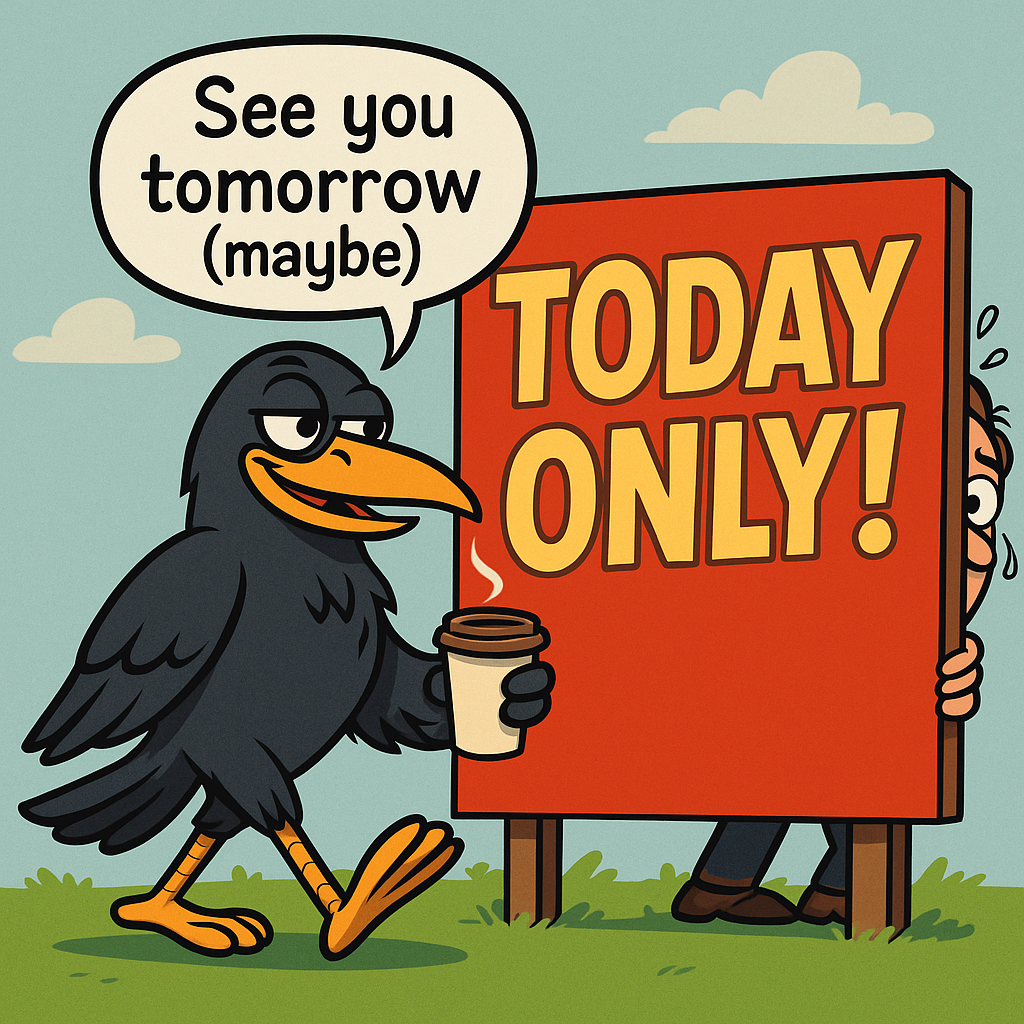
    If the salesperson says you have to buy today or the deal is off, call the bluff a few times and see what happens.

    If they can sell you a car (or anything else) for a certain number today, is there really any reason they couldn’t do it tomorrow?

    Maybe there is, but I doubt it. And if they won’t do it—so what?

    Start over somewhere else.

    Simple things like this will shake the desperation right out of your system. The clearer your mind, the better your decisions.

    Get rid of neediness, and you’ll almost never experience buyer’s remorse. Because you weren’t chasing—you were choosing.

    Salespeople—real ones, trained negotiators—can smell neediness a mile away. They don’t always use it against you, but make no mistake: they see it.

    Don’t set deadlines.

    They’re usually fake, and all they do is stir up neediness.

    On the rare occasion there is a real deadline, don’t let the other side know what it is.

    Just these basic ideas can improve your negotiation results almost immediately. All it takes is a little practice.

    Use it a few times and it’ll work so well, you’ll never go back to the old way.

    Even if the results don’t change right away, you’ll feel a lot better about how you handled it.

    If someone says you have to act now or lose the deal—call their bluff. You’ll either learn that you didn’t lose the deal, or that you didn’t need it so bad to begin with.

    If you’re a people pleaser and feel pushed into things, tell the next three people “no,” no matter what they ask.

    Even if you’re afraid they’ll get mad.

    Most won’t. But even if they do—they’ll live.

    And you’ll learn that you’ll live without their approval. That makes life easier to steer from then on.

    Am I worried that by sharing these secrets you won’t need my services as an agent?

    Not at all.

    I think once you see the value of being a clear-headed negotiator, you’ll want a pro in your corner when it really counts.

    And if not, that’s great too.

    I ain’t needy—I’ll just help someone else.


  • The Root of All Losing

    The Root of All Losing

    If it’s obvious you’ve got to have it, it’s harder to get.

    If there’s one thing that’ll cost you in a negotiation—whether you’re buying, selling, or settling on where to go for dinner—it’s neediness.

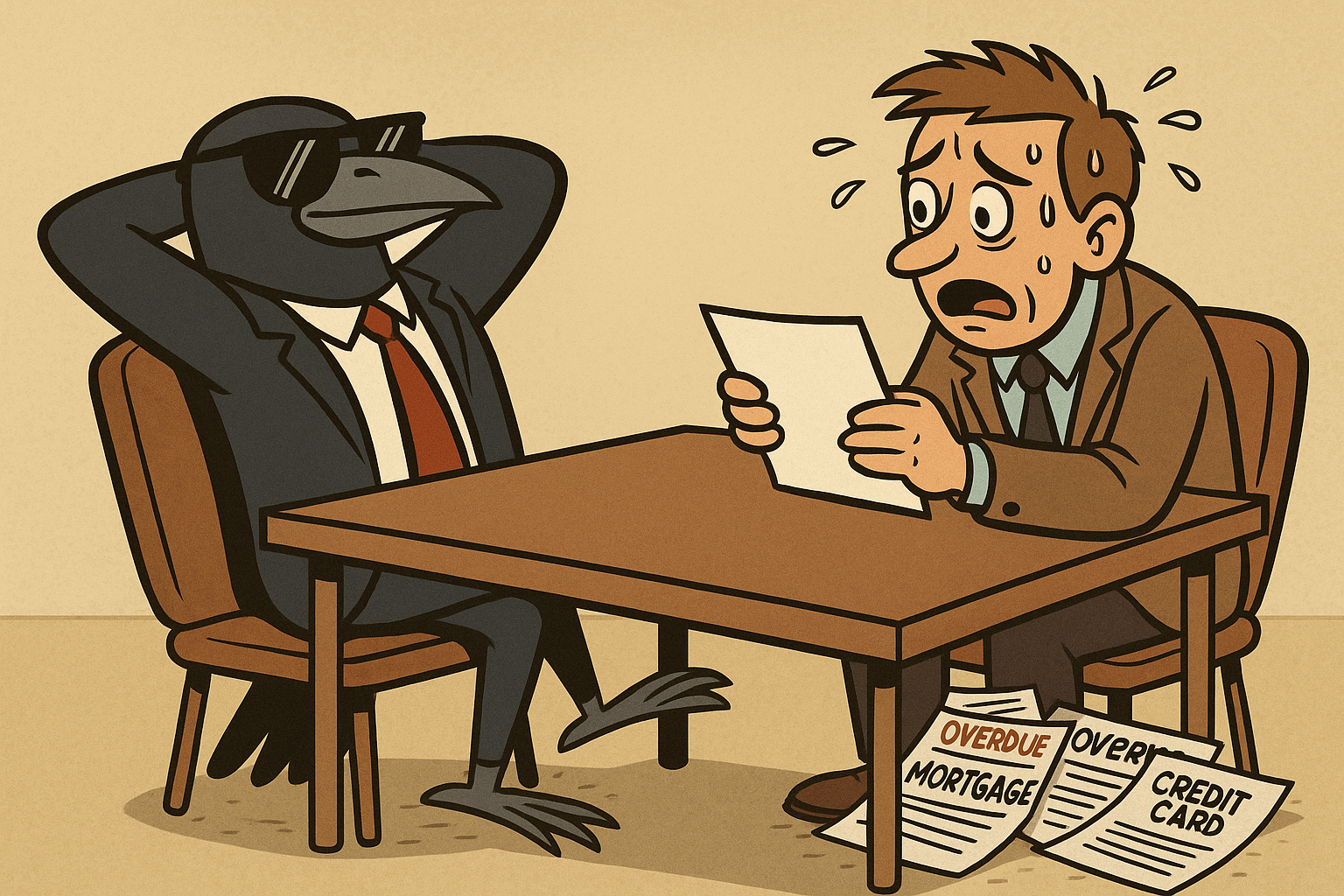
    The moment you need the deal to happen, you’ve already lost. The other side can smell it. They might not know exactly what it is, but they’ll feel it. And if they’re any good at what they do, they’ll use it against you.

    Take car shopping, for example. You roll onto a lot, poke around a few rows, and come across what you’ve been looking for. It’s clean, it fits your budget, and you can already see yourself pulling into your driveway in it.

    Then the salesperson swoops in.

    They’ve done this dance a hundred times. They can tell you’re into it. And they lean into that: “These don’t last long… I’ve already had someone else looking at it earlier today… If you want it, you better act now.”

    And you’re tempted. Because it feels like this is your one shot at getting what you want.

    But take a step back.

    You passed ten car lots on your way in. Every one of them had dozens of vehicles. Hundreds. You saw thousands of cars on the road just getting to the dealership. They’re mass-produced. There’s another one out there that’ll work just fine. Maybe even better.

    The key isn’t to stop wanting things. It’s fine to want a deal to come together. It’s fine to like something. What’s not fine is crossing that line into thinking you have to have it. That it’s this or nothing.

    That’s when you stop negotiating and start begging—whether you realize it or not.

    Now land and lots are a little different. No two properties are the same. So technically, yes—this particular piece of dirt might be one-of-a-kind. But that doesn’t mean it’s the only one that’ll work for you.

    If you miss out, the sun will still come up tomorrow. You’ll still have a roof over your head. You’ll still eat dinner.

    You’ll find something else that checks the right boxes.

    Wanting is fine. Needing is a trap.

    This applies far beyond real estate and car lots. It shows up in business, relationships, sales, and parenting. The second someone sees that you’ve made your happiness dependent on a specific outcome, they’ve got leverage. Even if they’re not trying to be manipulative, the dynamic shifts.

    Letting go of neediness is freeing. It puts you back in control. You might decide to stretch a little to get it done, but you’re doing it consciously.

    You can still chase the deal—but with clear eyes and a level head.

    Because once you stop needing it, that’s when you’re most likely to get it.