
Tag: Business Mindset

  • The Big Deal Isn’t Harder

    The Big Deal Isn’t Harder

    Early in my career I spent months working a deal. Drove the area, ran the comps, found the right buyer, got it closed. Made about a thousand dollars on it.

    I was working with my dad at the time, so he saw all of it. The driving around, the dead ends, the slow grind toward a buyer. He told me I’d done everything right, worked it the way it should be worked. Then he told me something I didn’t fully get at the time.

    He said it isn’t any harder to work a big deal than a small one.

    I argued with that a little in my head. Surely the bigger deal has more moving parts, more zeros, more ways to mess it up. More people who’d notice if you got it wrong.

    He was right and I was wrong. (Don’t tell him I said that.) The work is close to identical. Find someone who wants to buy, someone who wants to sell, put them together and get something done that leaves everyone better off. What changes is the number at the end, and that number doesn’t ask you to do anything different to get there.

    Most of what makes the big version feel harder isn’t the deal. It’s you. You start adding weight to it that isn’t actually there. Bigger feels like it should require more, so you tense up, slow down, second-guess yourself in ways you never would on something smaller. The deal didn’t get harder. You did.

    It applies to most things, and most people never test it. Making two hundred thousand a year isn’t meaningfully harder than making forty. It’s a different set of habits, different deals, different conversations, but it isn’t five times the effort or five times the stress. People assume the bigger number requires being a different kind of person. Mostly it just requires not getting in your own way at the size you’re currently working.

    People spend years circling the smaller version of something because it felt safer, only to find out later the bigger version asked the same of them. If not less. They just hadn’t been willing to find out.

    PPS- If you’re not ready for a Reality Check but enjoy reading about land, markets, and negotiation, you can sign up below and get these posts in your inbox.
    Register to Receive Posts Via Email!

    By submitting, I understand I will receive marketing emails and blog posts from Mike Browning Realty and/or associated companies. Unsubscribe at any time.

  • Only the Wrong People Say No

    Only the Wrong People Say No

    Most people hate rejection. It feels personal. Like somebody slammed a door in your face.

    That’s because most people approach rejection with neediness. They think they have to win over this client, or get that deal, or land that one opportunity. When you need a specific outcome, rejection feels like failure.

    But that’s the wrong lens.

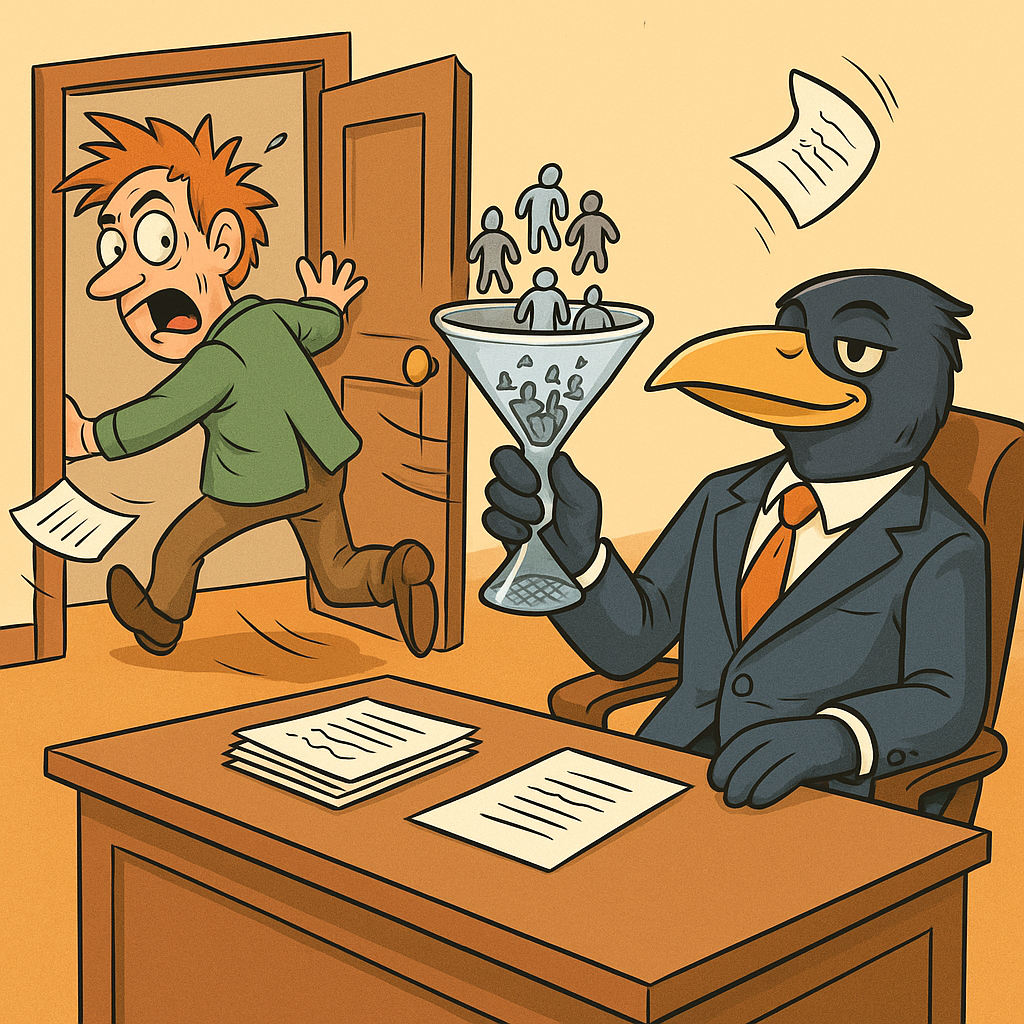
    Rejection is a filter. It’s not an insult or a loss — it’s information. It tells you who’s not a fit so you don’t waste more time.

    An example from just last week. Through my direct mail program, I’d been working with a lady who owned a lot she wanted to sell. We had been in contact for quite awhile — years, actually. The first time she thought she might be ready, she ended up needing to wait. She circled back a few months ago, got tied up again, and was finally ready to move forward.

    I sent her all the documents to review, which is when it went sideways. The documents were too long (same ones everyone uses), costs were too high, price needed to be higher, and so on. Then she texted and said she wasn’t going forward. Maybe it was an attempt to get me to reduce my fee — I don’t know. But my response was simple: “OK! Good luck!”

    She may think she rejected me, but she really just filtered herself out. Truth is, I had basically decided to get away from it anyway before she pulled the plug. My time is valuable, and I only want to work with the best clients — not flakes. So I didn’t lose anything.

    Jim Camp, in Start With No, calls neediness the killer. And he’s right. If you walk into a negotiation thinking “I have to get this person to say yes,” you’ve already surrendered your leverage. Because the other side can smell neediness. They know you’ll bend to keep the deal alive.

    The truth is I need clients and transactions, sure. That’s the business.

    If you say no, you haven’t rejected me — you’ve just put yourself on the “not a fit” side of the filter.

    And that’s a good thing. Every time the wrong person filters out, I have more space for the right person.

    Think about it in everyday terms. When you shop for a truck, you don’t test drive one, decide it doesn’t suit you, and call it a personal failure. You just learned that wasn’t the one. Same with hiring an employee. Or a real estate broker. The whole point is to sort out what doesn’t work so you can find what does.

    And when you do find the right truck (or whatever else), you don’t get needy then either. It’s fine to want it, but you don’t need it. There are other trucks. Odds are you’ll find one you like just as much — if not better — pretty quick.

    That’s what rejection does. It’s not failure. It’s the process working.

    So when someone says no to me, I don’t take it personally.

    I don’t need them. I need the right people.

    And if I’m willing to let the wrong ones pass by, I’ll find the right ones a whole lot faster.

    That’s the filter. And once you see rejection that way, it stops having power over you.

    Maybe you understand why I don’t deal in pressure now. If I’ve done it right and it’s a fit, you’ll come find me when it’s time.

    But how do you know it’s time if you don’t reach out and let me give you current market info?

    Is there ever a bad time to know where things stand regarding your property’s value?

    When you’re ready, click below.