Category: Uncategorized

  • You Have to Have Trust—But You Need More Than That

    You Have to Have Trust—But You Need More Than That

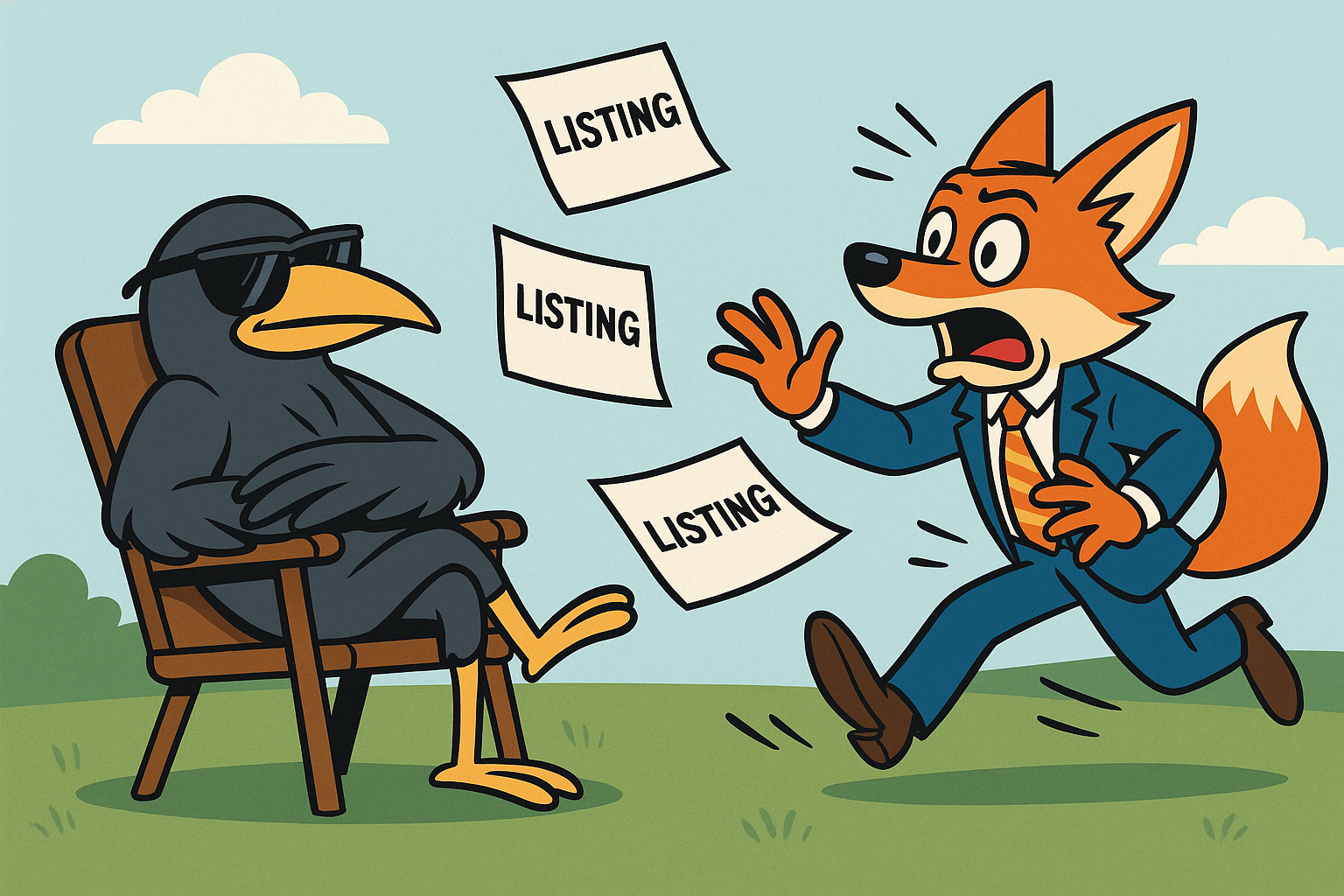
    Cousin Karen means well. That doesn’t make her a land expert.

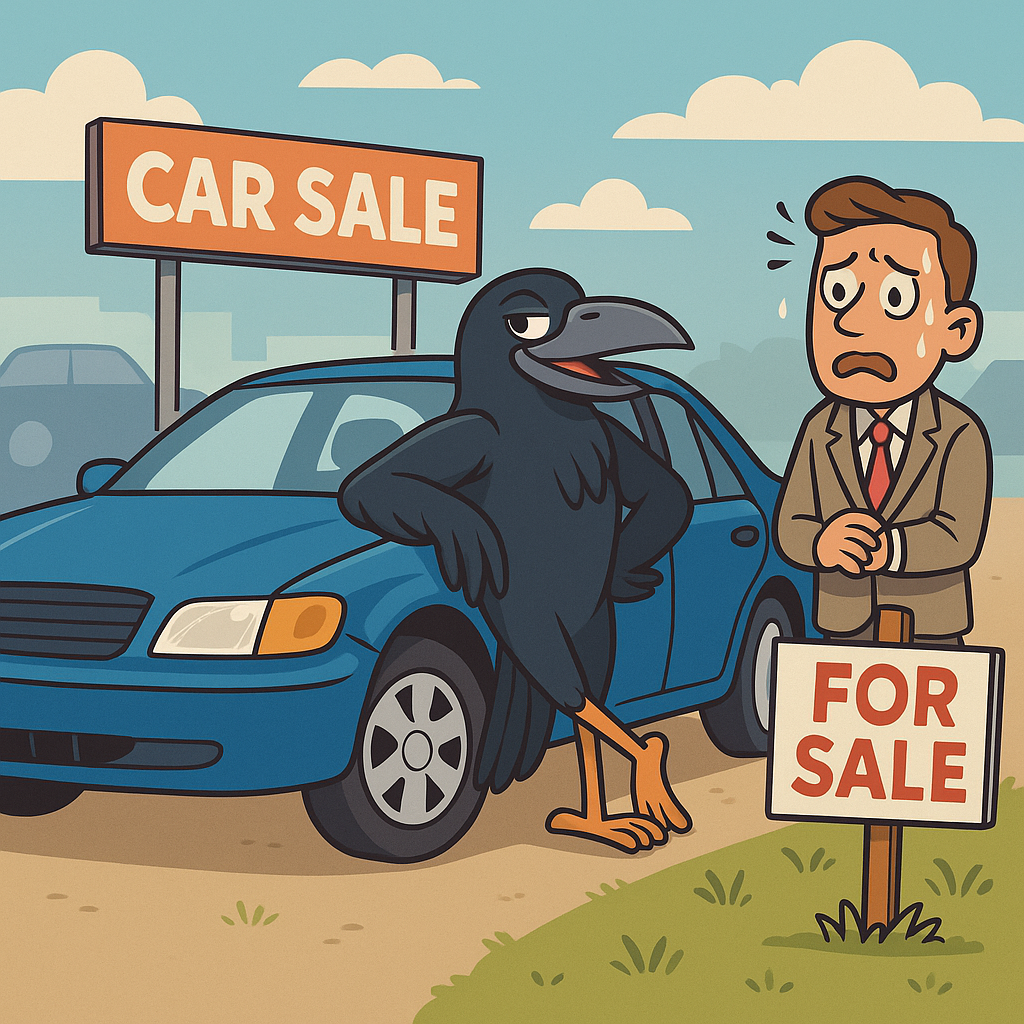
    People love getting a new car—or at least one that’s new to them. But just about everyone hates the process of buying one. It’s a beating. Even if you drive off in something you love, there’s a good chance you feel like you got worked over somewhere along the way. Dealers don’t make it easy.

    You might find something that fits your price range, but that’s just the beginning. We all know how your trade gets low-balled. Then most dealerships tack on a bunch of overpriced add-ons you didn’t ask for, ballooning the price by thousands. After that, you sit down with the finance manager—who might as well be called the high-pressure warranty sales guy.

    Even if you make it through the maze, it’s rarely fun. That’s why some dealerships now offer “no-haggle” pricing. The irony? Those lots usually end up making more per sale. People are so burned out on the process, they’ll gladly pay more just to avoid the back-and-forth. But buyers still go through the same options and warranty game—which is the most aggravating part, in my opinion. The stress doesn’t go away; you just think it has.

    Until it hasn’t.

    Part of the problem is that most people only buy a car every few years, so they’re not experienced. That makes it easy to fall victim to pressure and double talk.

    Real estate can be the same way—maybe even worse. I’ve owned 12 cars in the last 30 years. I’ve owned 3 houses. Most people are like me. And if we’re talking about land, there’s even less experience for the vast majority of people.

    The good news is, in real estate, you can hire someone to represent your interests. Even better, lots of the time you don’t have to pay anything up front.

    The bad news? Everyone has a real estate agent horror story. And not paying up front creates a built-in conflict of interest.

    I was licensed when I resold our first house, but since I’m not a “house guy,” I used an agent. I thought I’d be better than most at finding the right one. It was a nightmare. She gave me a price range to expect, then pushed me to take the first offer—which came in at 80% of that. Did she suggest we counter? Nope. Just started listing reasons to accept. She gave other advice I knew was wrong—but only because of my business background. So who knows what happens to people without that experience?

    If you’re buying, of course I recommend using an agent. But again, same issue: they don’t get paid until you buy. So it’s easy for them to push you faster than they should.

    In an old Simpsons episode, Marge becomes a real estate agent. The brokerage slogan was “The Right House for the Right Person.” But when she wasn’t closing deals, her boss explained: “The right house is the one that’s for sale. The right person is anyone.”

    And when it comes to land? 90% of agents simply aren’t qualified to handle it—though they’ll swear they are. A lot of people feel pressure to use a cousin or neighbor who’s an agent. That might ease the conflict of interest, but it creates an even bigger problem: they don’t understand land. That opens up a whole new can of worms.

    Buying or selling lots and land can be tough—like buying a car. You need someone who knows what they’re doing, and someone you can trust.

    I know someone like that. And so do you, if you’ve been around here a while. Just let me know when you need help. I’m here.


  • Can’t decide? Just Start Deciding!

    Can’t decide? Just Start Deciding!

    Once you’re in motion things are usually more clear.

    Quick disclaimer: I’m not a therapist—I’m a land guy. If your issues feel clinical, talk to someone who’s trained for that. If you’re just stuck in your own head like most of us? Keep reading.

    We all experience worry or anxiety from time to time. Technically, they’re not the same thing—but for today, we’re going to treat them like they are. Either way, it’s uncomfortable. But the good news is there are a couple of basic things that can actually help.

    One trick is to stop spinning on the “worst case scenario” and just pretend it already has happened. Ask yourself: “Okay, if this is where I’ve landed, now what?” Most of the time, you’ll start to feel better almost immediately. Why? Because you’ve shifted out of fear mode and into forward motion.

    And here’s the double bonus: first, the worst case usually doesn’t happen. And second, the actions you take to prepare for it? They almost always help you even if things turn out better than expected.

    Because you should have been doing them anyway.

    So now you’re moving, you’re feeling more confident, and you’re almost always ahead of where you would’ve been if you stayed frozen.

    Wind in your sails.

    Another major help? Just start deciding.

    A lot of problems come from mental clutter—too many choices, too many what-ifs, too many loose ends. When you’re trying to figure out ten things at once, your brain can’t get traction.

    So pick a couple, make a call, and cross them off. Even small decisions will clear space and calm your mind. It gets easier from there.

    And remember: decisions aren’t usually final. If you decide to list your property at a certain price and it turns out to be too low, you’ll find out fast. If five offers hit your inbox in a day, well, reality has spoken—and you can course-correct before you sign anything.

    No harm, no foul.

    Now, sure—sometimes you make a call that doesn’t work out, and it’s not reversible.

    That’s life. It happens to everyone.

    But you learn, you adjust, and you move forward smarter. The key is to keep deciding. Movement beats paralysis most every time.

    So what does this have to do with your favorite land broker?

    Plenty.

    If you’re thinking of selling, you’re staring down a dozen different issues. Some you know about but don’t have time to deal with. Others are hidden—until they show up and bite.

    If you or your cousin agent don’t understand the market, the comps, the buyers, the land use questions, or the price trends, you’re stuck guessing.

    And that’s where anxiety can creep in.

    So what do you do when all those unknowns start piling up and stressing you out?

    Unwind it. Hire someone you trust—someone who’s been down this road before.

    Better yet? Hire me from the beginning.

    I’ll help you move forward from day one—with fewer unknowns, smarter decisions, and a whole lot less worry.


  • Let the Elephants Out

    Let the Elephants Out

    Why bluff when the other side gets to see your hand?

    We’ve all had interactions where there are big issues not being talked about. Sometimes only one party sees it—or knows about it. Other times, both sides do, but no one wants to bring it up.

    And if you’re honest with yourself, you know that putting off the conversation or trying to avoid it is a losing proposition. When the other side finds out (and they will), there will probably be hurt feelings. But more importantly, there’s a loss of trust. And in real estate, no trust usually means no deal—no matter how good your attorney is.

    If there’s an issue with your property—like potential flooding, a deed restriction that kills the buyer’s plan, or an environmental problem—it’s not going to help to keep quiet. It’ll come out during their due diligence. Best case, they believe you didn’t know. But let’s be real—that’s not how most people react. They’ll probably drop the deal, and you’re out all that time, when you could’ve just been upfront and saved everyone the trouble. And probably slept better at night, too.

    It’s not just across the table—seller and broker need to be on the same page, too.

    Take pricing. Sellers are often a little (let’s say) optimistic. And there’s no shortage of agents who’ll go along with any number just to get the listing, knowing full well they’ll push you to drop it later. But how does that make you feel when it happens? Lied to. And once that trust is cracked, the relationship suffers. Less trust = less chance of success.

    Now, I’m not above putting something out there a little high at first, just in case. Especially with land—sometimes the right buyer shows up and pays more than anyone expected. But I’m going to tell you up front that it’s likely too high, and we may need to adjust after a few weeks.

    And if you’ve read these for any length of time, you’ve heard me say it: I’m not a discount broker. You may be tired of hearing it. But because I’m upfront about that, we don’t have awkward conversations about commissions later.

    Above all, you should hire the broker you trust most. If you go with a discount and then spend the whole time wondering how that person is screwing you over, are you really ahead?

    Best way to build trust? Don’t hide anything. Let the elephants out. Whenever you’re ready, I’m here.


  • The Answer’s Right There — You’re Just Overthinking It

    The Answer’s Right There — You’re Just Overthinking It

    Just be glad your kid’s guidance counselor isn’t your land broker.

    I’ve got one kid who just graduated, and another one staring down the barrel. Which means my house is full of college brochures, scholarship emails, and “What do you want to do with your life?” conversations.

    And let me tell you — I’ve learned something:

    The hardest part isn’t choosing the right path.

    It’s being so overwhelmed with options, opinions, and noise that they’re scared to pick any path.

    School counselors (bless ‘em) don’t always help. They act like this one decision will make or break your entire future, instead of reminding kids that college is just a stepping stone. The main goal? Show you can stick with something reasonably difficult and finish it.

    Most companies don’t care if your degree is a perfect fit — unless you majored in something like medieval puppet studies. What matters is that you showed up and followed through.

    You don’t graduate college and walk into a CEO job. Or even a VP slot. You start at the bottom, and most grads are shocked to learn they still need training. They were told the degree would make them masters of the universe.

    So yeah, it’s a big decision, but it gets turned into something life-or-death. Then it gets overcomplicated. And before you know it, what you needed to do all along is buried under layers of unnecessary stress.

    Happens with everything.

    Where to eat. Medical decisions. Business stuff. Even selling real estate.

    You knew I’d get around to that.

    People call me about selling a property. They want to sell. But then they start spinning out:

    Should they subdivide? Wait for prices to go up? Clear the brush? Move the fence line? Sell “as-is”? Talk to a developer? Hold it for the grandkids?

    So they do… nothing.

    Paralyzed by options. Dazed by hypotheticals. Meanwhile, the land just sits there quietly not selling.

    But here’s the thing: in most cases, the right answer is already on the table.

    They just can’t see it, not because it’s hidden, but because it’s buried under irrelevant details.

    At least this time, the person advising you (me) isn’t part of the problem.

    It’s like picking a college: your kid doesn’t need a 40-year roadmap. They just need to pick something that mostly makes sense and start moving. They can adjust later.

    Same goes for your land.

    Maybe it’s time to sell. Maybe not. Maybe it makes sense to split it. Maybe it doesn’t.

    But you won’t know until you talk to someone who lives and breathes this stuff — and then (here’s the kicker) actually make a move.

    That’s where I come in.

    I’m not here to push you into a decision. I’ll help you cut through the fog.

    And if now’s not the right time to sell? I’ll tell you that.

    But if it is, I’ll help you focus on what matters now — and ignore the stuff that doesn’t.

    Because once you clear out the “what-ifs,” the path forward is usually obvious.

    You don’t need a spreadsheet with 19 scenarios. You need a plan that works today, with room to adapt tomorrow.

    So if you’ve been stuck — staring at a pasture full of potential but making no progress — take a breath.

    Pick a lane.

    We’ll figure out the rest as we go.


  • Talk So Smooth It Seems Scripted (Hint: It Is)

    Talk So Smooth It Seems Scripted (Hint: It Is)

    You’d be that smooth too, if you said the same thing repeatedly

    You may or may not be aware of this, but whenever you’re talking to an agent or broker who does a lot of business, a big chunk of what they say (especially at first) is scripted.

    That is, if it’s not a flat-out AI bot.

    Yep—scripted.

    I wouldn’t say they’re reading, because they’ve done it so much it’s memorized. But if you were sitting in a room with them while they reach out to new clients, you’d hear the exact same things over and over.

    Same with questions and objections. They’ve got canned responses for just about everything. It can actually be kind of funny if you throw out something they haven’t rehearsed.

    They instantly go from polished pro to blithering idiot.

    And just like that, you realize they might not be as sharp as they seemed.

    The thing is, with houses, that kind of scripting can actually work okay. Sure, every house is different—but not that different. People’s reasons for moving usually fall into a few buckets, as do the features they want and the hot buttons they react to.

    Put a few well-timed words in the wife’s ear, and before you know it the husband’s being swept along like a leaf in a flash flood. He may not like it, but it’s too late.

    He’ll act like he likes it, if he knows what’s good for him.

    But with land, it just doesn’t work the same. There’s way too much variation—different tracts, different goals, different sellers. And the urgency?

    Totally different. If you’re moving, you needed your house sold yesterday. But land you don’t live on?

    Timing often doesn’t matter nearly as much.

    You can’t use canned scripts and responses.

    Doesn’t stop them from trying, though.

    That’s part of what’s aggravating about dealing with agents. They’ll smile real big and tell you what they think you want to hear—which just so happens to be what they think will make them money.

    You need someone a little more specialized.

    I’ve been at it over 25 years. Pressure’s not part of my game—probably not part of yours either. I’m not interested in sounding good. I’m interested in being effective.

    If you’re buying or selling houses, I’ll tell you up front: use an expert in that.

    They don’t return the favor—and that’s fine. I’m not here to whine, just to win.

    But if you’re selling land, you need a different kind of expert.

    I know a guy.


  • Decide Slow. Act Fast.

    Decide Slow. Act Fast.

    Take your time deciding. But once you do, don’t mess around.

    Here’s an old riddle:

    Five frogs are sitting on a lily pad. One decides to jump off. How many are left?

    Most people say four. That’s good math, but the wrong answer.

    The answer is five.

    The one frog decided to jump off, but didn’t actually do it. He’s still sitting there, wondering why nothing’s changed. Why the thing he wants hasn’t happened yet.

    Presumably, he thought it through. He must’ve concluded that jumping off was the right move. But still, he just sat there.

    Why? Who knows. But he’s acting just like people do.

    They “decide” to do something, but not really. So they keep doing what they were already doing. And a year later, they look up and wonder why they’re still in the same place.

    Here’s what I’ve learned:

    There’s nothing wrong with being deliberate. I take all the time I need to think through decisions and look at the info.

    But once I decide, I stop thinking about it and just go.

    It’s not foolproof. But more often than not, it works out. And mentally, it’s cleaner.

    Now, I’m not saying you never change course. That would be stupid. But once you’ve decided to move, stop looking for reasons not to. Just start.

    If it’s wrong, reality will usually let you know fast. It’s good like that.

    So what does this have to do with real estate?

    Exactly what I said.

    If you’ve decided to sell or buy, get going right then. Move fast.

    Unless something obvious shows up that says otherwise, keep going.

    Do your homework. Ask questions. Take your time deciding.

    But once the decision’s made, move forward.

    You don’t have to decide today. But it never hurts to have the most current info on your side. That part’s easy.

    You know who to ask. If I’ve given you a valuation before and you want it updated, just ask.

    If you’ve never gotten one, hit the link below and get up to speed.

    Either way, don’t be the frog.


  • If You’re Too Easy, You Might Scare Them Off

    If You’re Too Easy, You Might Scare Them Off

    When yes comes too fast, you start looking for the catch

    When I bought my last truck, I thought I had a pretty solid plan. By using my negotiating system to manage my behavior, I’ve gotten pretty good at making car deals.

    I’d done my research, looked at comps online, and had a number in mind. To try to get there, I needed to start lower, of course. Not so low they’d laugh me out, but low enough to trigger a counter. .

    Some people say if you’re not at least a little embarrassed by your first offer, it isn’t low enough.

    So I threw it out there.

    He went to go “ask his manager.” Everyone has seen that part of the game, so I sat there waiting for them to come back and tell me how bad my offer was.

    But what happened?

    They said yes. And asked me to sign.

    No pushback. No “let me check with my manager” round two. Not even a fake sigh.

    Just yes.

    Instead of feeling like I won, I immediately thought: I must’ve gone too high.

    I even said to the guy, “You made that too easy. Now I’m not sure I didn’t mess up.”

    He just laughed.

    Looking back, I probably did okay. This was during the supply crunch, and this was one of the only trucks I could find with the equipment I wanted that wasn’t $80K or more. And I love the truck, might be my favorite yet.

    But it didn’t feel like a win. It felt like I misplayed it.

    That’s the thing about negotiation, it’s not just numbers. It’s psychology.

    The funny part? If they’d pushed back a little, I would’ve come up some.

    And felt better about the deal.

    There’s a lesson in there.

    If you want to learn how I approach deals, whether it’s land, trucks, or anything else, I’ll be sharing the books that helped shape my system soon. You’ll want to read them.


  • Prime Corner Across from BJ’s (Coming Soon) and IKEA

    Prime Corner Across from BJ’s (Coming Soon) and IKEA

    Next to 2 million shoppers a year — and they’re hungry.

    If you’re looking for a retail or QSR site with real traffic and real growth, this one checks the boxes.

    I’m marketing up to 2.58 acres at the hard corner of Mayfield & Robinson in Grand Prairie. It’s a signalized intersection with a full median break, zoned PD-152a (General Retail), and utilities are in place. Will divide.

    This site sits directly across from the new BJ’s Wholesale (under construction) and just down the road from IKEA. With BJ’s, Academy, Topgolf, and over 200 new homes coming in on the opposite corner, this area is projected to draw over 2 million visitors per year — and a good share of them will be looking to eat or shop.

    Demographics are strong and getting stronger:

    • 108,000+ residents within 3 miles
    • Average household income over $89K
    • Daytime population near 94,000

    If you’re working with a QSR, coffee, fast casual, or national retail user, this location gives you visibility, traffic, and momentum. A true hard corner across from household names — with new rooftops on the way — is the kind of setup you don’t see often.

    Good fit for:

    • QSR and fast casual concepts
    • Coffee or drive-thru
    • Multi-tenant retail pads
    • NNN investors looking for prime dirt

    I can send the flyer, plat, zoning details, pricing, and a quick take on comp activity in the area. If you’re active in the DFW metro, this is one to move on now — before the rooftops finish and the national guys fill in the gaps.

  • The salesman’s doom loop: chase, convince, close.

    The salesman’s doom loop: chase, convince, close.

    If I’m “explaining”, I’m already losing

    You’ve seen it before, especially with car dealers. You so much as glance at a car online or ask for a quote to sell yours, and suddenly you’ve got your own personal stalker. Usually a guy. He’ll message, call, email, daily, like his only job is bugging you.

    And the more you say “not interested,” the more he hears “maybe later.”

    I swear, ignoring them works better than saying no.

    That’s the “chase” part.

    If you show even a flicker of interest, they move to the “convince” phase. You’ll hear every reason you should do what they want — buy the thing, sign the deal, whatever — completely ignoring the fact that it helps them way more than it helps you.

    They’re just trying to wear you down at that point. It’s exhausting.

    As a customer, it sucks. And if you’ve ever been in sales and your boss made you do it, you know it feels pretty gross.

    Even if you end up saying yes, are you really happy about it? Usually not.

    Then comes the “close.” You walk through the door or agree to a meeting, and now it’s game time.

    They say whatever they need to say to lock it down. Pressure ramps up.

    Nobody’s enjoying themselves at that point.

    I get this same nonsense all the time. People trying to sell me real estate marketing subscriptions. It’s awkward for both sides. I’ve even said yes a few times. Never happy I did.

    Turns out the stuff that’s actually useful doesn’t require a hard sell. Go figure.

    I’m sure you’ve had real estate agents do similar things. Show a little curiosity and suddenly you’ve got someone “following up” forever. You get hit with every sales tactic in the book, some you didn’t know existed. Then if you finally agree to meet, the first listing or offer that comes up is always “perfect.”

    Yeah, sure it is. Cue the close.

    It’s not fun.

    So I don’t do it that way.

    Yes, I send these emails. But I’m not chasing anyone. And I’m not going to browbeat you or wear you down into working with me.

    If anything, you’ll have to chase me, because I only work with people who actually want to work with me. Not folks I had to “convince.”

    I try to make these messages useful, maybe even a little entertaining. There’s good info in here, especially if you read between the lines. Some of it about land and real estate, some just about how the world works. You can unsubscribe anytime.

    But if I’ve got something that will help you and I don’t speak up, what good am I?

    I’m around if you ever need me. No chasing. No convincing. No closing. When you’re ready, we move forward.

    If it makes sense for both of us.

    Simple as that.


  • This Isn’t for Everyone, But Is It for You?

    This Isn’t for Everyone, But Is It for You?

    Rural acreage where you can create something your friends don’t have

    Some land listings are clean slates. Others have some history, some natural texture, something that makes you stop and think. This one falls squarely in that second camp.

    We’ve got 39.66 acres for sale southeast of Sherman, just outside of Whitewright. It’s got over 1,300 feet of frontage on Rochelle Cannon Rd, and it sits outside any city limits or ETJ. That means no zoning hoops to jump through.

    And no surprises from a busybody city councilwoman down the road.

    It’s listed at $30,000 per acre. I’m part owner—could be some flexibility on price depending on what a buyer wants to do.

    The tract can be divided, we already have up to three water meters available for purchase from Kentuckytown WSC. That’s not a small detail: the water line extension is fully paid for, and construction is expected to start this summer. For someone looking to build now or soon, that’s a big plus.

    But here’s what makes this place stand out: it’s not a blank canvas. This tract has deep wet-weather creek beds crossing it. These aren’t little low spots—they’re real features that cut through the land and shape how you’ll use it. Yes, they limit where you can build or cross. And it may not be cheap. But they also give the place a ton of natural character.

    There are also mature oak trees, a varied topography, and a sense of privacy you don’t get on wide-open pastures. You could carve out a custom home site, keep some land wild, run a few cows, or create a really striking entry if you’ve got a good eye.

    If you’re thinking about splitting it up, keeping tracts above 11 acres avoids platting, and still leaves room for a home and potential ag exemption on the rest. That flexibility opens it up to buyers who want more than a postage-stamp lot, but don’t want to go full ranch.

    You’re also in Whitewright ISD, with quick access to US 75 and the TI chip plant development in Sherman. Location-wise, it’s in the path of growth but still feels tucked away.

    This one’s not for everyone. But if you’re looking for land with a little soul—and the room to make it your own—this might be the one.

    If you have MLS, check #20880254.

    Or take a look here:

    Flyer available. Drone aerials too—just reach out if you want to see more.