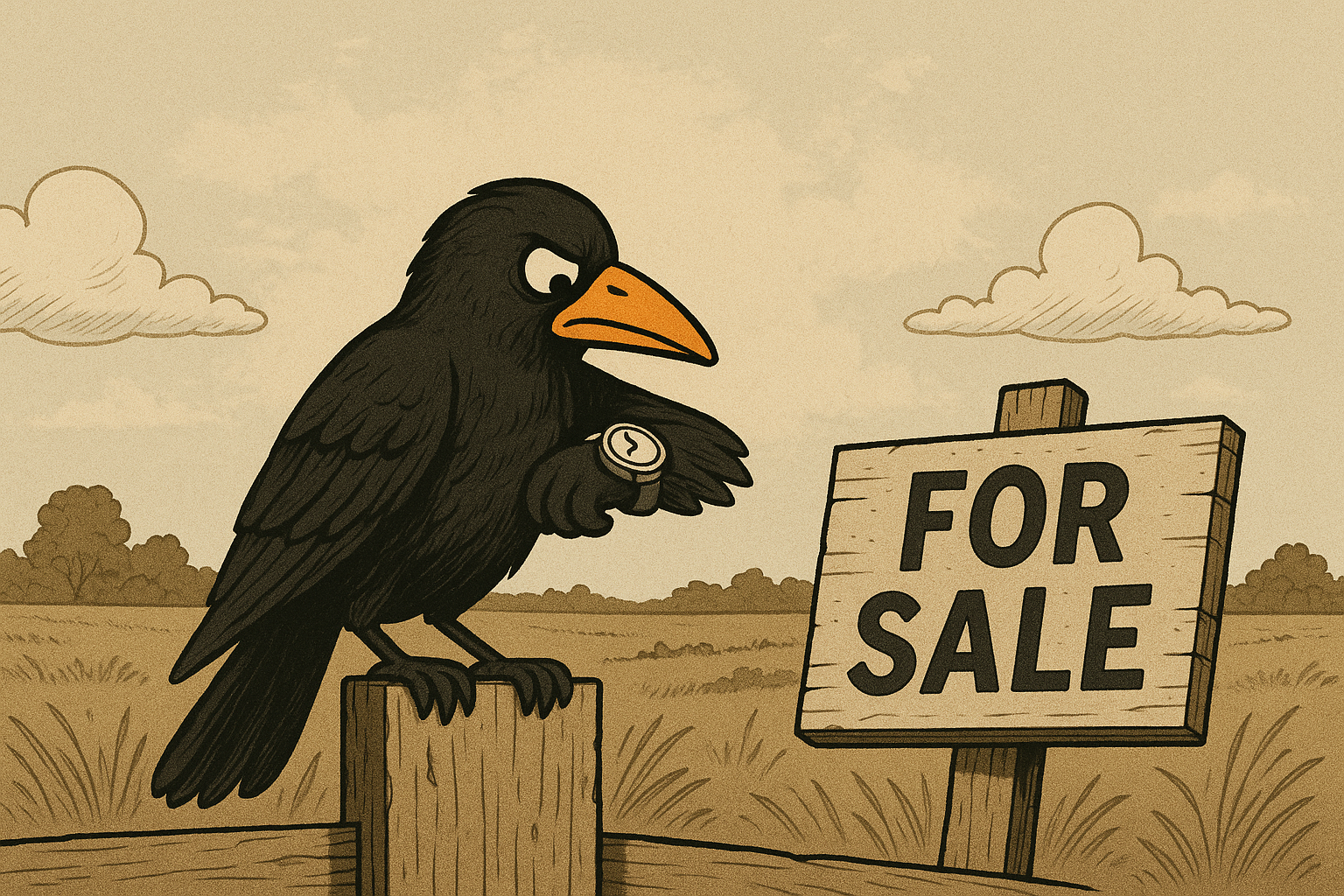
Mistime things, and you could end up waiting a lot longer than you wanted.
Most landowners don’t feel pain at the beginning of a market shift.
They notice it much later — after time has already done the damage.
After the savings and loan crisis, some properties traded for less than the commission paid on the prior sale. Not less than the original purchase price. Less than the fee someone paid to sell it before.
That didn’t happen because the land suddenly became useless. It happened because demand vanished, capital froze, and landowners who waited ran out of options.
After 2008, the same thing happened again, just more slowly. Values didn’t bounce back the next year. Or the year after that.
In many areas it took years just to get back to even, assuming the owner could afford to wait that long.
Land doesn’t move like houses.
There is almost always some demand for houses. People get transferred. Families grow or shrink. Some buyers are doing well no matter what the economy is doing.
Even in soft markets, houses still trade.
A nice custom home on acreage is different. That buyer isn’t moving because they have to. They’re upgrading. They’re stretching. They’re making a lifestyle decision.
When things get uncertain, that buyer can disappear almost overnight.
Developers behave the same way, just at a larger scale. When markets are hot, lots get built quickly. Subdivisions move fast. Capital flows easily.
When things slow down, that inventory doesn’t vanish. It sits. For a while, there’s simply too much of it.
So developers change roles. Instead of paying retail on something they can develop immediately, they only buy if the price allows them to wait several years and still hit their return target. Or they step back entirely.
When that happens, landowners are no longer negotiating with builders — they’re negotiating with patience.
Investors are always around, but investors don’t buy on hope. They buy on margin. And when they’re the primary buyers left, pricing shifts. Whether landowners like it or not.
None of this means history is definitely about to repeat itself. It means timing matters more than most landowners want to admit.
The real risk isn’t the market collapsing tomorrow.
It’s drifting into a thinner market without realizing the buyer mix has changed.
When demand narrows, prices can change quickly. The problem is you often don’t know how much. Land is illiquid, and there just aren’t many comps. With houses, year-over-year data tells a story. With land, silence often tells it first.
When prices fall, time takes over. And once time is in control, landowners don’t get to set the terms anymore.
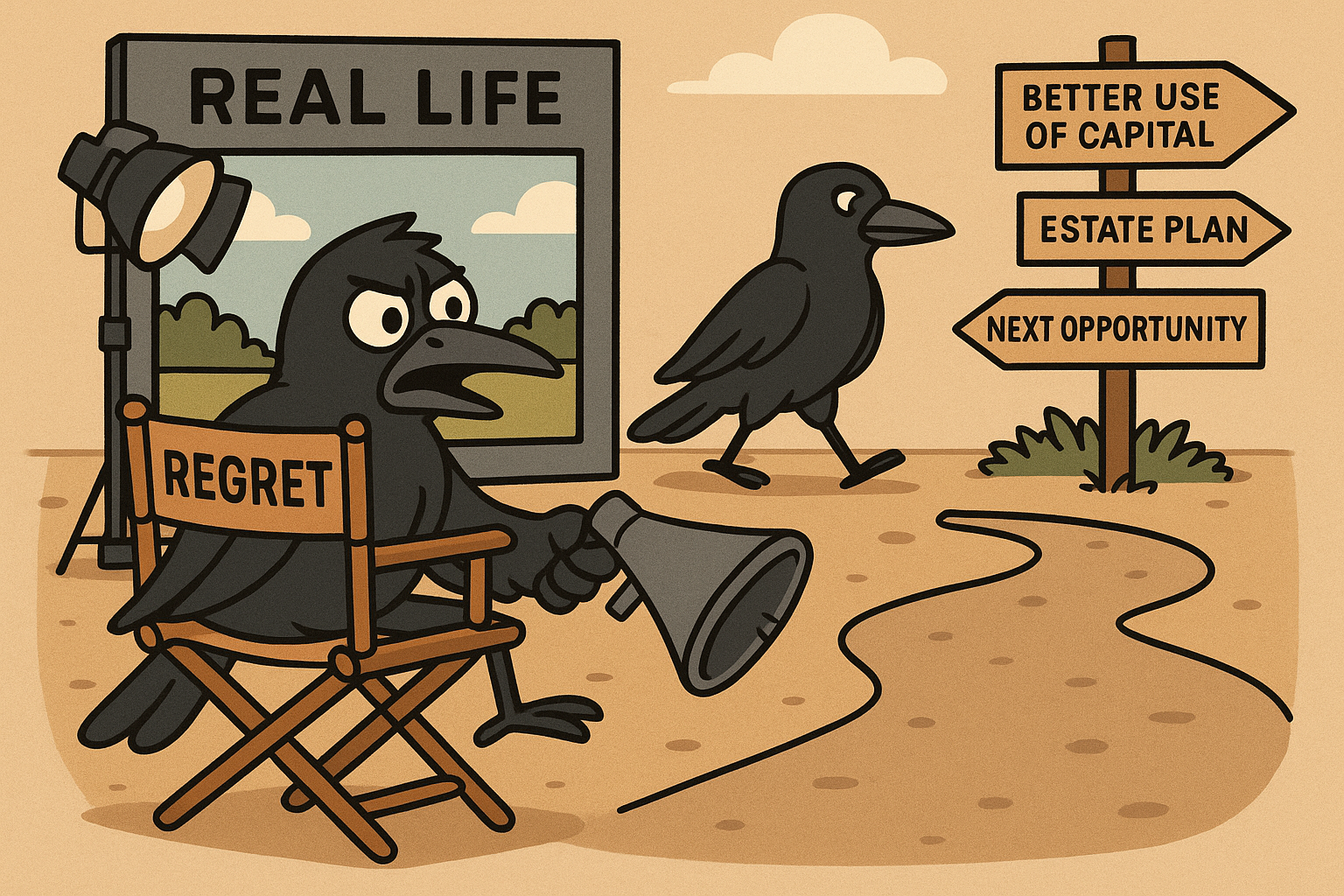
That’s usually when regret shows up — not because someone sold too soon, but because they waited too long to be honest about what they owned and who would actually buy it.
More like this in your inbox here.
PS- It’s easy to see that housing — and by extension land — has softened over the last couple of years. Interest rates matter. If they fall, houses become more affordable. If they rise further, things tighten.
You may not be planning to sell today. You may be holding long term. But is it a bad idea to know where things stand right now?
I offer a free, no-obligation analysis on non-residential property. Real comps. Utility and access info. Market trends. Nearby sales activity that actually matters.
No pressure.
No BS.
Just integrity and diligence.
Does it ever hurt to have current information?
Click Below:
Got a lot you might want to sell?
Get a FREE, no obligation report on what it could sell for today.
Get Your Lot Valuation
Own land instead?
Get a report for that here:
Get Your Land Value
Just a glutton for punishment?
Sign up now to get more articles like this in your email.
Sign Up Now