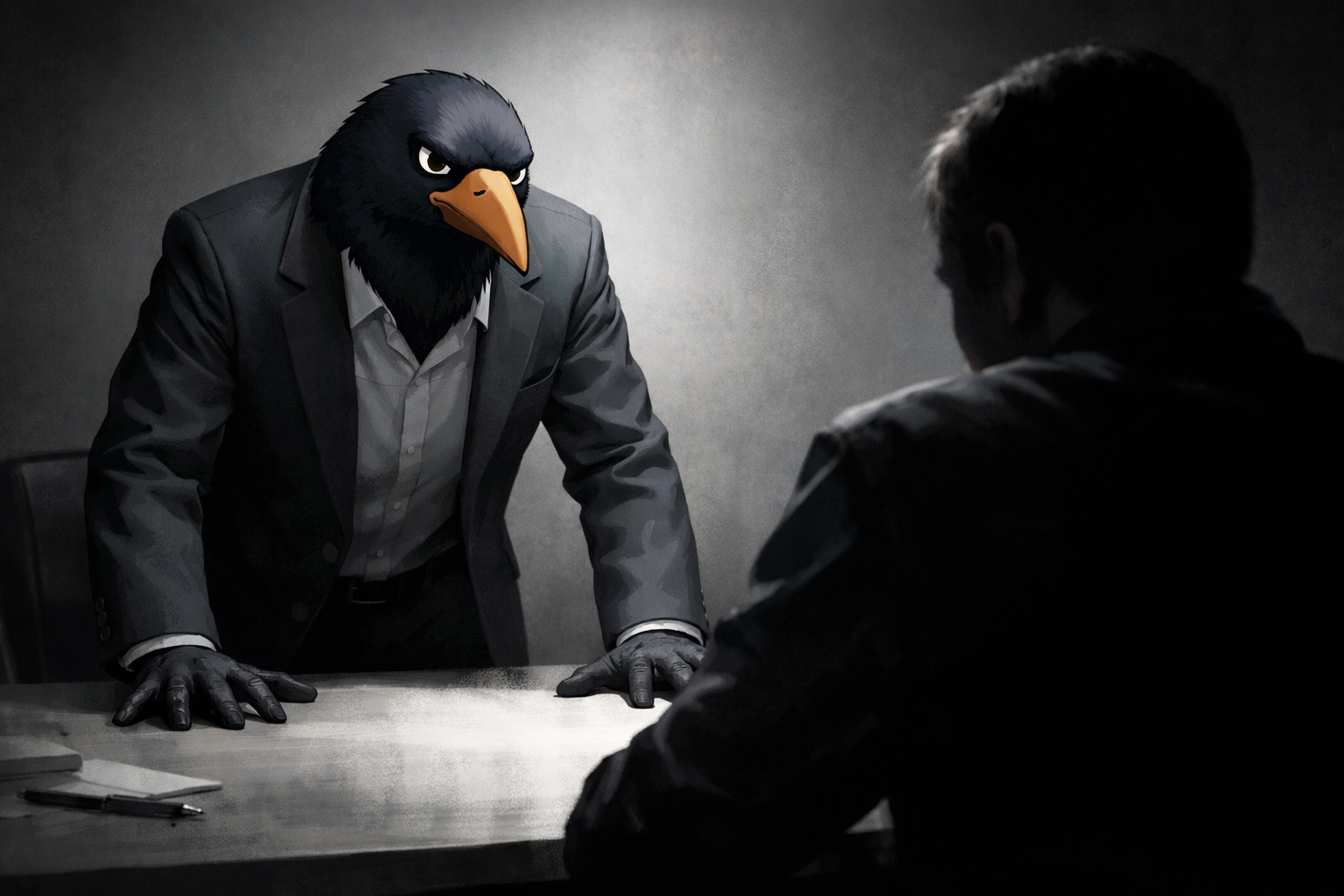
Tag: Tactical Empathy

  • That’s Right!

    That’s Right!

    Yesterday I talked about Jim Camp’s book Start With No and made the point that negotiation is one of the most important skills you can have.

    It affects everything you do. Business, yes. But also how much vacation you get, how much you get paid, whether you can get extra time off for your kids, getting your kids to do what you need them to do, and even figuring out where to eat.

    Just about anything you can think of involves some form of negotiation.

    That’s why it’s a mistake to think of this as something that only applies to land deals or car deals. If you get better at negotiation, you’re not just improving one narrow skill. You’re improving your life across the board.

    Another book I strongly recommend, and one I’ve talked about before, is Never Split the Difference by Chris Voss.

    It’s not totally different from Jim’s book, even if that isn’t obvious at first. They actually track along the same lines in a lot of ways. What is obvious is that neither one follows the typical “win-win” or “get to yes” approach you see in most negotiation books.

    Jim’s framework is built around the idea that the only safe place to operate is in your adversary’s world. Your questions and actions have to be about them, almost all the way to the very end.

    In Chris’s book, he talks about something he calls Tactical Empathy. And empathy is not sympathy. It’s not about agreeing or giving in. It’s about understanding what the other person is thinking, being able to articulate that back to them, and doing it so well that they say, “That’s right.”

    When people feel understood, a lot of resistance goes away. And when you understand someone’s motivations well, you have a better chance of finding a solution that works for everyone. You get there by asking good questions and by being honest.

    No tricks. No pretending.

    I’m not going to explain the whole system here, but I will say this. It’s another book I reread every year.

    If you’re serious about getting better at negotiation, and by extension making a lot of everyday things easier,

    I highly recommend it.

    You can find it on my recommended reading page, check it out now.

    Disclosure: Some links on this page may be affiliate links. If you choose to purchase through them, I may earn a small commission at no additional cost to you. I only recommend books I’ve read and genuinely believe are worth your time.
  • Don’t Confuse Empathy with Sympathy

    Don’t Confuse Empathy with Sympathy

    Most people use the words “empathy” and “sympathy” as if they mean the same thing. They don’t. And getting them mixed up can cost you in a negotiation.

    In Never Split the Difference, Chris Voss, a former FBI hostage negotiator, talks about a concept called tactical empathy.

    It’s not about being nice. It’s about showing the other side you truly understand what’s going on in their head.

    Jim Camp taught the same principle in a different way: before you have any right to your own opinion, you have to earn it by proving you understand the other person’s world.

    Empathy is recognizing and acknowledging someone else’s feelings or point of view. You don’t have to agree with them, and you don’t have to feel the same emotion yourself.

    When you say, “It sounds like you’re frustrated with how long this process has taken,” you’re showing empathy. You’ve named what they’re feeling. That lowers their guard.

    The great part is even if you don’t get it right initially it doesn’t hurt anything. They will continue to explain and give you more insight.

    Sympathy is feeling sorry for someone’s situation. It’s your own emotional reaction to what they’re going through. Saying, “I’m really sorry this is happening to you,” is sympathy. It can be kind in personal life, but in a business discussion it often shifts the focus from their issue to your feelings about it.

    Empathy makes things about the other person. Sympathy makes it about you (while acting like it’s about them).

    In negotiation—whether you’re selling a piece of land, buying a home, or haggling over repairs—empathy opens doors, sympathy closes them.

    Empathy tells the other side, “I get you. I hear you.”

    That makes them feel safe enough to keep talking, which often leads them to reveal their real concerns. That’s when you can find a solution that works.

    Voss says a good sign you’re really in your counterpart’s world is when they respond to your summary of their position with, “That’s right.” It means they feel heard and understood.

    Contrast that with when someone says, “You’re right.” That often means they’re trying to brush you off, end the conversation, or placate you without actually being convinced.

    “That’s right” is a green light. “You’re right” is usually a red light.

    Your job early in a negotiation is not to push your proposal but to draw out their thinking, then summarize it so accurately that they say, “That’s right.” Until you get there, they’re still guarding their position. When they finally say it, they lower their guard and you can start exploring solutions together.

    For example, when a landowner says, “I don’t want to sell for less than my neighbor got,” you might respond, “It sounds like you’re worried you’ll leave money on the table.” If they reply, “That’s right,” you’ve nailed their core concern. From there, you can talk about the real differences between the properties. If they just say, “You’re right,” they probably still feel misunderstood and you’re not ready to move on.

    Empathy isn’t about giving in or feeling sorry for someone. It’s about understanding them well enough that they’ll work with you.

    That’s more valuable than any clever sales pitch. And it’s a skill anyone can practice: listen more, talk less, and aim for the moment when they nod and say, “That’s right.”

    ***Want to dig deeper into the skills that help you earn the “That’s right” moment?

    I highly recommend reading Never Split the Difference by Chris Voss.


    (Yes, if you use this link I earn a small commission, but it doesn’t change your price.)