(They just get tired of having it.)
A few years ago I decided to quit discussing politics and current events with other people. For the most part. I still fall into it from time to time, but usually just end up realizing I wasted my time.
Not because I ran out of things to say. I just noticed something.
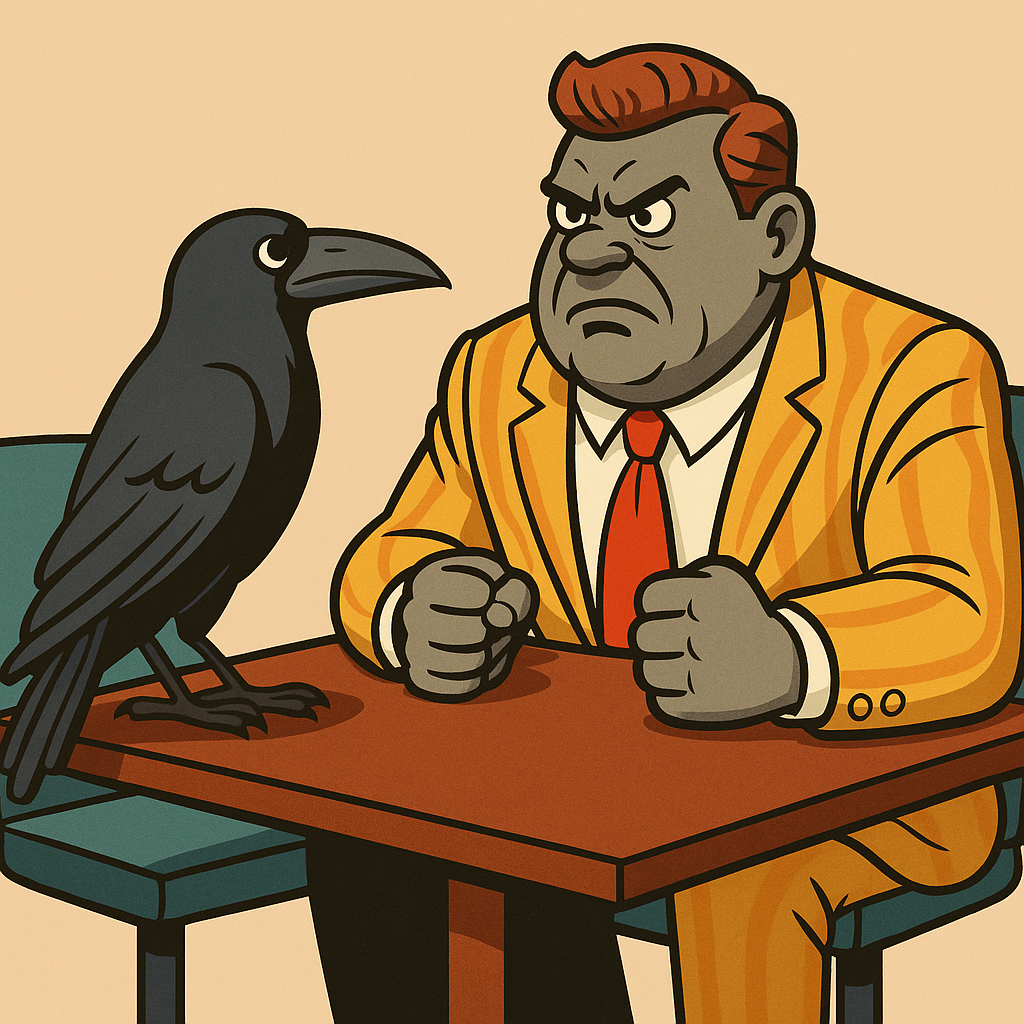
It doesn’t matter how good my facts are, how airtight the logic, or how many times I’ve clearly won the exchange in my own head on the drive home. The other person never once said, “Huh, good point. I’ve changed my mind.”
They found a different fact. Or decided mine didn’t count. Or got quiet and waited for their turn to talk again.
It happens with sports too, although the stakes are usually lower. Somebody’s convinced the game is rigged against their team, their quarterback is elite (or he sucks), or the coach should’ve been fired two years ago.
You can show them the stats. Use logic. Doesn’t matter. They’ve already got their own stats, and if they don’t, they’ll find some. Or make them up.
I used to think this meant people were just bad at arguing, or too stubborn to admit when they were wrong.
Then I read Never Split the Difference by Chris Voss.
Voss spent years as an FBI hostage negotiator, and one of the things he learned was that moving a conversation forward often had less to do with presenting the better argument than making the other person feel understood.
He’d say things like, “It sounds like you’re feeling backed into a corner,” and then wait. He wasn’t agreeing with them. He wasn’t trying to solve anything yet. He was naming what he thought the other person was feeling and giving them a chance to correct him if he had it wrong.
And being wrong wasn’t necessarily a problem. When someone corrected him, they were explaining themselves. Now they weren’t defending themselves against his argument. They were helping him understand their position.
There’s a difference between winning a conversation and actually moving one forward.
Most every argument I’ve ever “won” ended with the other person more locked in, not less. But when I name what I think someone is thinking or feeling, without immediately trying to fix or correct it, the conversation usually goes somewhere.
That’s a strange thing to learn from a guy who negotiated with people holding hostages. Stranger still is how often it applies to conversations that have nothing to do with a crisis at all.
After Jim Camp’s Start With No, Never Split the Difference has probably helped me more with negotiation than any other book. They aren’t the same system, but they’re similar enough that a lot of Voss’s ideas fit naturally with Camp’s.
Like I’ve said several times, basically everything involves negotiation. So if you get better at it, you improve your life across the board.
If you’ve read Start With No, I’d recommend Never Split the Difference next.
Is it crazy to think it’s worth improving a skill that touches almost every area of your life?
As an Amazon Associate, I earn from qualifying purchases. If you click the link above and buy anything on Amazon, not just this book, I may earn a small commission at no extra cost to you.
PS- Get these in your email here: