Tag: Seller Expectations

  • It’s Not Free To Try

    It’s Not Free To Try

    One thing that makes land different from houses is that having it sit on the market a little while usually doesn’t damage it the same way.

    A house sitting unsold starts raising questions pretty quickly.

    Land is slower by nature.

    So after a Land Reality Check, sometimes the conversation becomes:

    “Okay, if you think this is worth around $8,500 an acre, why don’t we just throw it out there at $14,000 and see what happens?”

    And within reason, that’s not necessarily crazy.

    If somebody is willing to sell around market value, but wants to push a little first just to make sure we’re not leaving money on the table, fine. I understand that completely.

    You’ve probably noticed if you’ve read any of my Land Reality Checks that I tend to lean conservative anyway.

    I’d rather be slightly conservative than explain later why fairy tales didn’t happen.

    But there’s another side to this too.

    If you’re selling a small residential lot, it usually doesn’t take much more than a yard sign and an MLS listing. Which isn’t free, but usually doesn’t involve substantial upfront expense either.

    If somebody wants to throw one of those out there at an unrealistic number “just to see,” I might play along.

    Maybe.

    Larger signs.
    Drone photography.
    Aerials.
    Professional brochures.
    Landing pages.
    Targeted marketing.
    Industry websites.
    Paid Google ads sometimes.
    Mailers sometimes.

    It adds up faster than people think.

    A decent custom sign can easily run $500 to $1,000 depending on what’s needed. Drone photography might be another few hundred. Professionally printed brochures are expensive if you want them done correctly.

    And that’s before getting into the less visible costs, the platforms, memberships, advertising accounts, and all the little things that make the marketing possible in the first place.

    Depending on the tract, it’s not unusual for me to spend $1,500 to $2,000 or more getting a property positioned before anything even happens.

    That doesn’t mean every listing sells.

    Markets change.

    Sometimes sellers change their minds. Sometimes buyers disappear. Sometimes a property just sits there longer than expected.

    That’s business.

    But there still has to be some reasonable overlap between where a seller is realistically willing to sell and where the market is realistically willing to buy.

    Otherwise everybody is mostly participating in a very expensive form of wishful thinking.


    PPS – If you’re not ready for a Reality Check but enjoy thinking about land, markets, negotiation, and how this business actually works, you can sign up below and get these posts in your inbox.

    Register to Receive Posts Via Email!

    By submitting, I understand I will receive marketing emails and blog posts from Mike Browning Realty and/or associated companies. Unsubscribe at any time.

  • The Market Doesn’t Care What You “Need” It to Be

    The Market Doesn’t Care What You “Need” It to Be

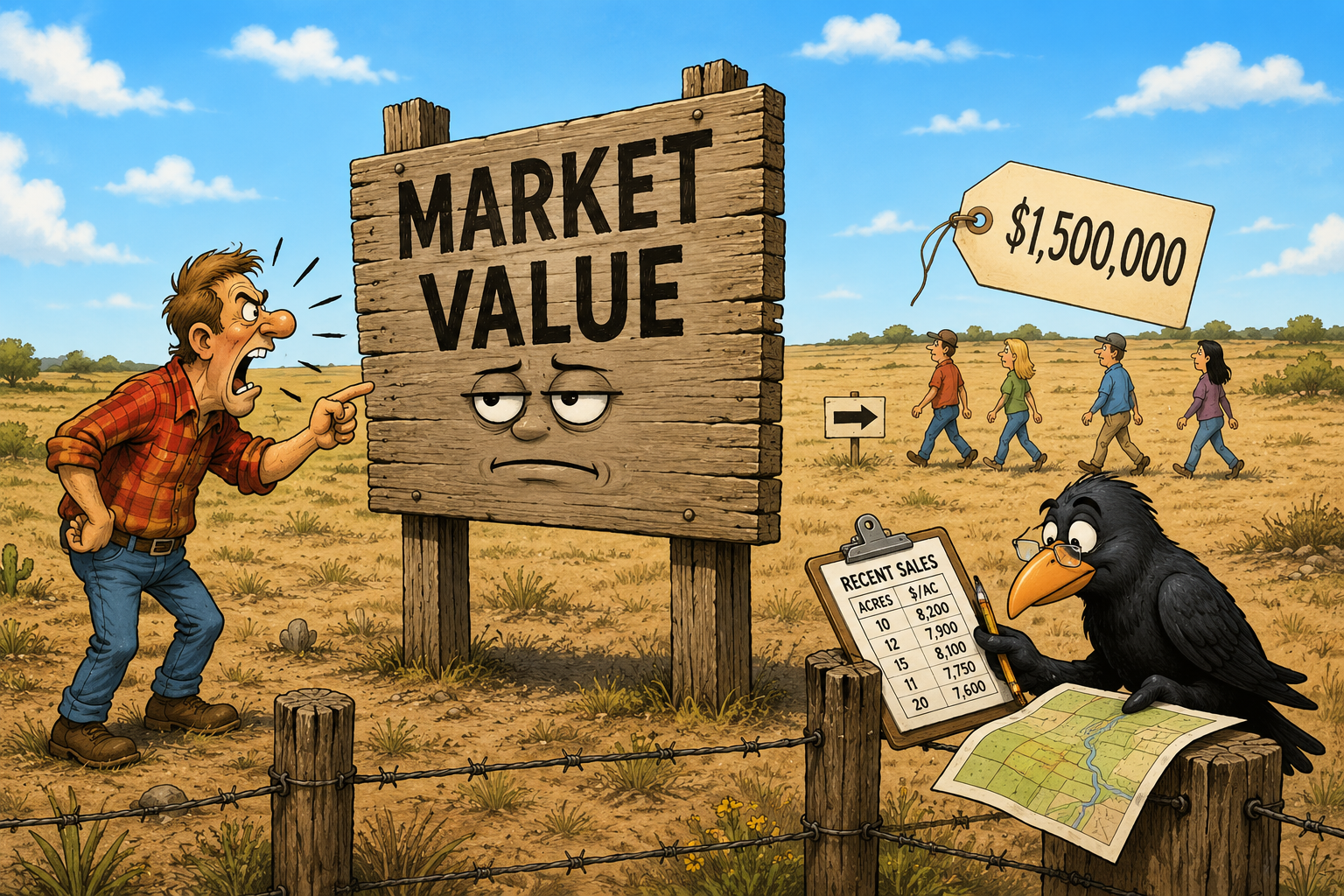
    It’s the single biggest reason sellers feel disappointed: they confuse personal math with market math.

    You might want a certain number for completely reasonable reasons:

    • To pay off debt
    • To match what your neighbor got
    • To “at least break even”
    • To fund something else
    • Or because that’s what you planned on getting

    But the market doesn’t ask for your spreadsheet.
    It doesn’t account for sunk cost, family history, or fairness.

    It prices based on what a willing buyer will pay today.
    And ignoring that doesn’t punish the market. It punishes the seller.

    I see it all the time:
    A seller insists on a number because they “need” it.
    Buyers pass.
    Time drags on.
    Other listings get seen.
    Leverage slips.
    Then after months of silence, a real offer finally comes in…
    but it’s lower than it could have been if they’d priced right from the start.

    This isn’t about being cold. It’s about being smart.

    You can absolutely hope for a stronger offer.
    You can wait if the current market doesn’t align with your goals, especially if you’re not living on the land.

    But if selling now would help you accomplish something — lighten your load, free up capital, simplify your estate, close a chapter —
    then the real number is the one worth understanding.

    Realism doesn’t eliminate regret. But it usually reduces it.
    Because unlike optimism, realism leaves you with clarity, clean decisions, and forward movement.

    The market doesn’t argue with you.
    It just waits.

    If you’ve got lots or acreage and want a clear, no-fluff look at where things stand, that’s what I do.

    Not a sales pitch. Just a decision tool.

  • You Gotta Make Your Own Decisions

    You Gotta Make Your Own Decisions

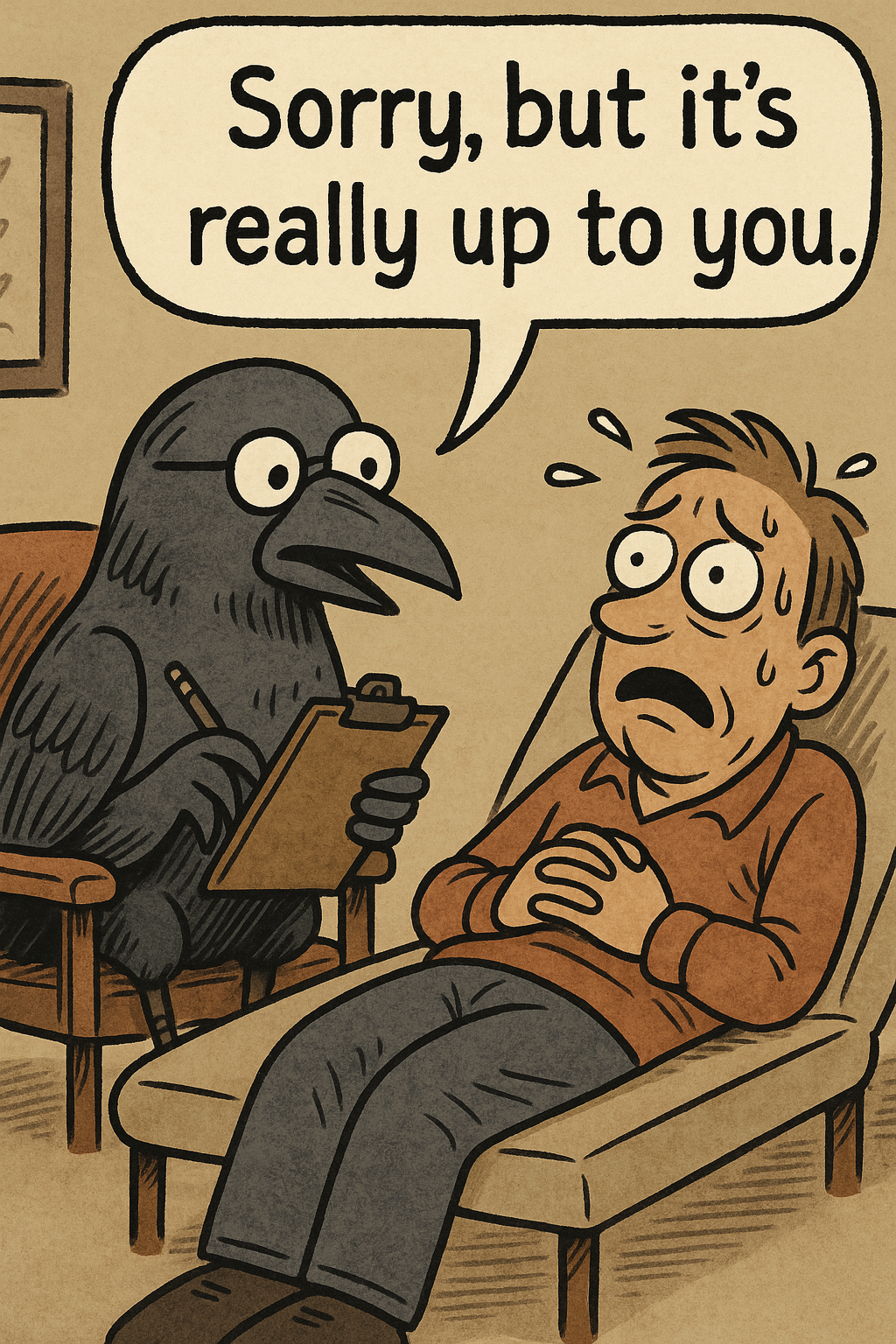
    I’ll advise (and even hold your hand), but it’s really up to you

    I had a client once who’d been steamrolled by his city for years. His land sat near a growing airport, and when they built a new runway, it pointed right at his house. You could practically read the name tag on the pilot’s chest as planes buzzed overhead.

    Wasn’t great, but it was manageable—at first.

    Then the city exploded in population. From 40,000 to over 200,000.

    That runway got busier and louder. And worse? They decided to extend it. The initial plan would’ve made his land undevelopable. Worthless, basically.

    The city would technically need to buy it—but since no one else was going to, they had zero urgency.

    They dragged their feet. Lowballed him. Treated him like dirt.

    Eventually, the plan changed, and his land regained value. But by then, he was fed up. Wanted every last penny out of it when he sold. Couldn’t blame him. He was gonna get his.

    Except—more delays. Roads, utilities, more city slowdowns. The land had potential, but was still a little green. Meanwhile, the guy was 84, not in great health, using a walker, not very mobile. From where I sat, it made more sense to take really good money now—$7+ million with no contingencies—than hold out 2–3 years hoping for maybe $8.5 million that he might not live to see or enjoy. And that would involve the stress and anxiety of waiting for a developer to get their approvals.

    That was a tough conversation. But it was his decision. I laid out the facts. I showed him the options. I gave my honest take. And then I backed off.

    Eventually, he came around. And he was glad he did.

    Here’s the point: I don’t make decisions for my clients. I can’t. And I shouldn’t. That’s your job.

    I work for you, not the other way around.

    I’m here to give you the real picture, not promises. I don’t control the market, or the city, or the weather. I can’t force anyone’s hand—not yours, not a buyer’s. But I can give you solid advice, grounded in experience and facts, and help you make the best decision for your situation.

    Not only that, but let you make the decision, and support you.

    I’ve learned this the hard way. Early on, I tried to solve everything, carry the burden, push people toward the “right” move.

    Disaster.

    Even if the outcome was good, they resented me for pushing. And if it went sideways? That’s on me now.

    No thanks.

    I’m not responsible for the outcome. I’m accountable for doing what I said I would—professionally, diligently, and honestly. If you want someone to make decisions for you, hire a guardian. If you want someone to shoot straight and help you weigh your options like an adult, that’s me.

    So when we work together, know this: I’m not selling you certainty. I’m offering clarity.

    And the decision? That’s yours.