The answer may surprise you.
I’ve been writing the last few weeks about Jim Camp’s negotiation masterpiece, Start With No. Along with occasionally trying to talk you into buying a copy and reading it yourself.
Thanks to those who bought through my link. I don’t think you’ll be disappointed. If anything, you’ll probably be surprised how quickly you start seeing opportunities to apply the basics.
One question comes up pretty often when people hear about systems like this.
If it’s really that effective, why would you tell anyone about it?
Wouldn’t you be better off keeping it to yourself?
It’s a fair question.
Camp actually addresses it in the book. He said he wished more of his counterparts used the same system he did. Negotiations would be smoother, less emotional, and far more productive.
Instead of spending days playing games, the cards would get on the table faster. You’d either make the right deal sooner or discover there was never a deal to be made in the first place.
Both outcomes are wins.
Obviously getting an agreement is great. But finding out in a day that there’s no deal instead of spending a week chasing one isn’t exactly a loss. It frees both sides to move on to something more productive.
The difference comes down to principles versus tactics.
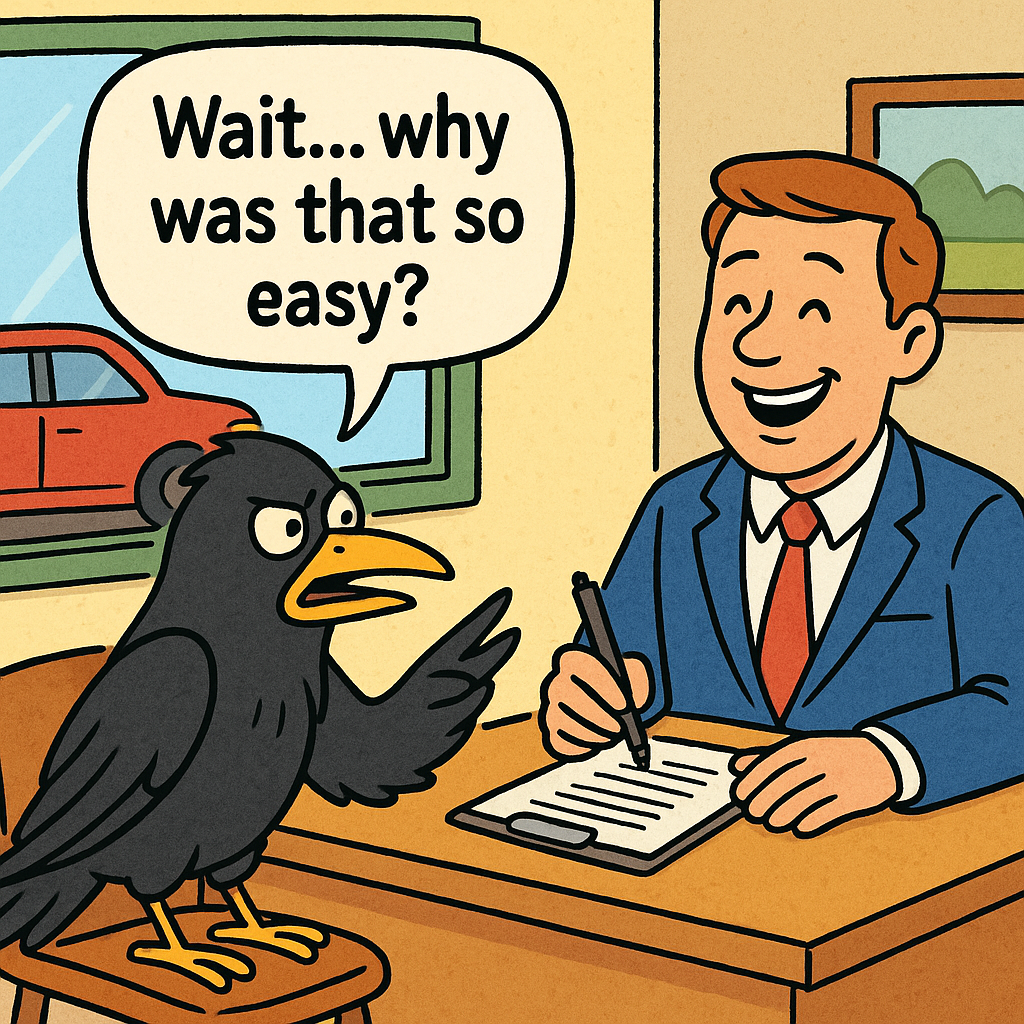
If a finance manager at a car dealership has figured out a handful of tricks that pressure people into buying an overpriced warranty, he doesn’t want those tricks publicized. Once the person across the table understands the game, the game stops working.
Tactics depend on the other side not knowing what’s happening.
Principles don’t.
If you’re asking honest questions, trying to understand what’s really going on, and looking for a deal that makes sense for everyone involved, it doesn’t hurt when the other side understands what you’re doing. In some cases it actually helps.
Beyond that, I don’t spend much time worrying about other people learning what I know.
Most people won’t put it into practice anyway.
And the few who do often become easier to work with, not harder.
One of the things I like most about Camp’s approach is that it removes much of the tension people normally associate with negotiation. Less pressure. Less posturing. Less pretending.
Just figuring out whether there’s a deal to be had and, if so, what it looks like.
Once you learn it, it really does feel like you’re playing a different game than before.
In a good way.
And since almost every situation you encounter involves negotiation, getting better at it is one of the highest-leverage investments you can make in yourself.
It won’t happen overnight.
But you’ll probably see results faster than you expect.
P.S. That link goes through Amazon and I’m an affiliate. It doesn’t cost you anything extra, but if you buy the book—or anything else while you’re there—I get a small commission.