Tag: Risk Management in Real Estate

  • Price Matters But It’s Not the Only Concern

    Price Matters But It’s Not the Only Concern

    Most landowners start in the same place when they think about selling:

    Price.

    And yes, price matters.

    But price always comes attached to terms, timelines, contingencies, and execution.

    That’s the part that doesn’t get much attention until something shifts.

    I grew up in the land business. My father was a broker and syndicator. I learned early how deals are structured, how risk gets priced, and how fortunes are made when someone misjudges leverage.

    I also learned this.

    The number on the first page of a contract doesn’t mean much if the deal never makes it to closing.

    Over the years, I’ve been on every side of the table. Syndicating deals. Working with investor groups. Brokering between experienced developers. Negotiating options. Watching retrades surface late in the process.

    You see patterns after a while.

    Buyers price risk differently than sellers do.

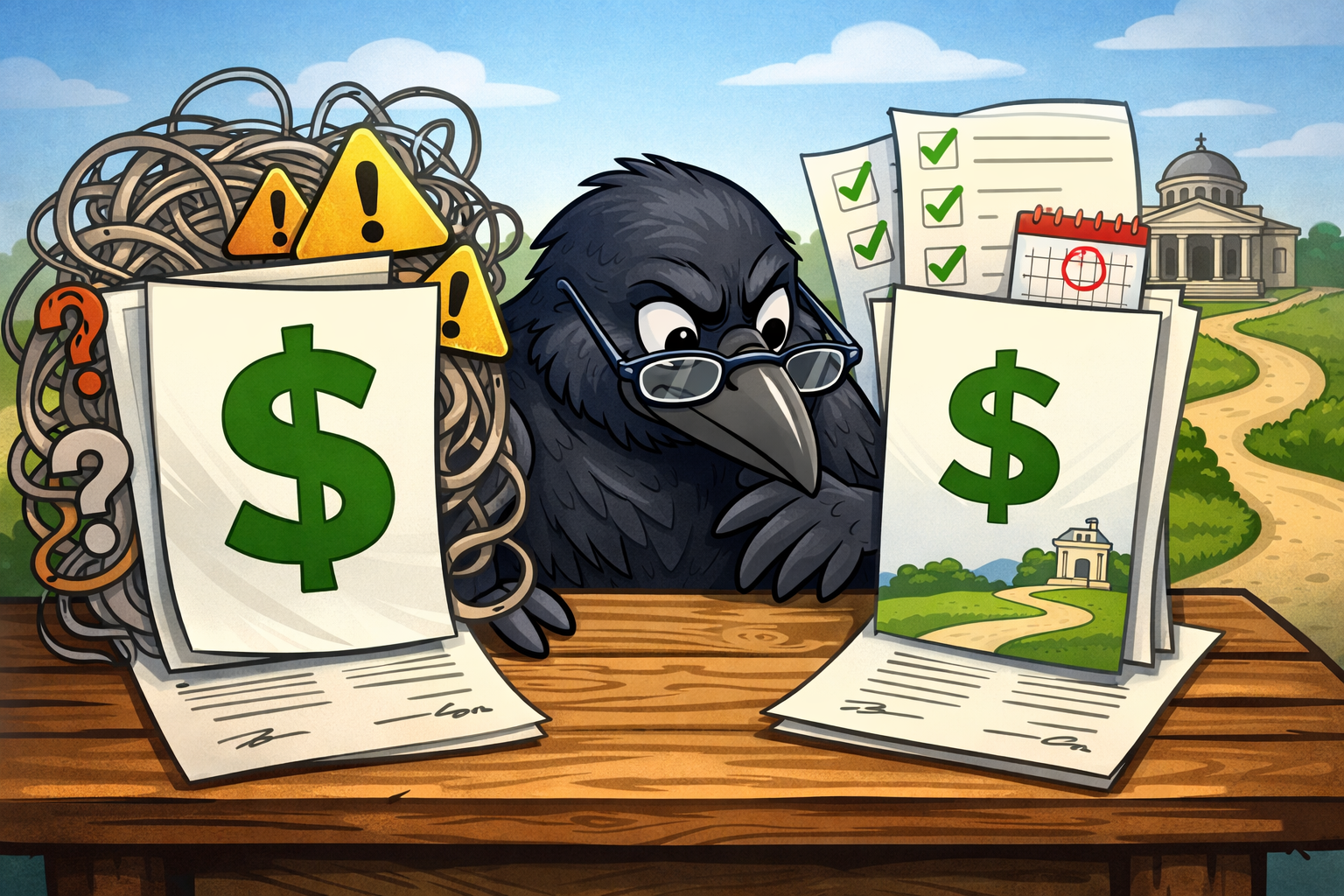
    An aggressive offer with a long diligence period and broad contingencies is not the same thing as a slightly lower offer from a buyer who has a clear path to close.

    I’ve seen the strongest number on paper turn out to be the weakest deal in reality.

    Some sellers have the time and patience to hold out and squeeze every dollar. Others care more about certainty and getting their capital deployed elsewhere.

    Neither approach is wrong.

    But the tradeoffs need to be understood.

    Landowners rarely regret choosing the wrong number.

    They regret not fully understanding what came with it.

    Price is obvious.

    Risk usually isn’t.

    And once a contract is signed, those tradeoffs are no longer theoretical.

    My job isn’t to promise outcomes I can’t control.

    It’s to make the structure visible before the decision becomes permanent.

    If you’re evaluating offers, slow down long enough to understand what each one is really attached to.

    Then decide.


    PS — If you own land or acreage and want a clear, no-obligation property analysis based on real comps and actual market behavior, I offer one at no cost.

    No algorithms.
    No guesswork.
    No pressure.

    You’ll know where you stand and what realistic options actually look like, without being rushed into anything.


  • If You Don’t Control It, Don’t Worry About It

    If You Don’t Control It, Don’t Worry About It

    That Doesn’t Mean Don’t Think Ahead

    If you’re my age (or close, or even older), you probably remember Tommy Lasorda. And remember him fondly—unless maybe you’re a Yankees fan.

    For those who don’t know, Lasorda was a long-time manager for the Los Angeles Dodgers. A larger-than-life character.

    He had a way of boiling big ideas down into one-liners.

    One of my favorites:

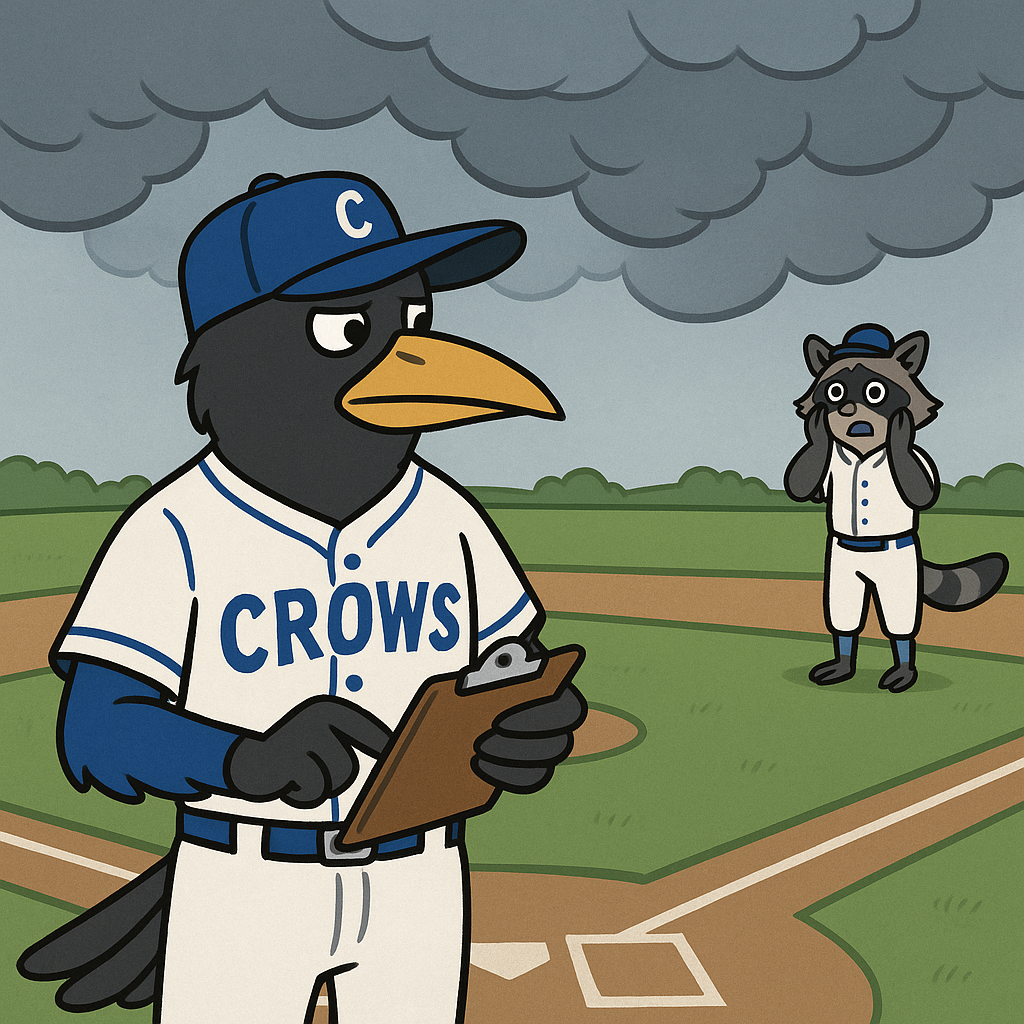
    “The only way I’d worry about the weather is if it snows on our side of the field and not theirs.”

    Perfect. The conditions are the same for both teams. If it’s raining, it’s raining for everybody. If the wind’s blowing in from left, it’s blowing in for everybody.

    His point? Don’t waste energy worrying about things that affect everyone equally—and that you can’t change anyway.

    If a game is scheduled for tomorrow, it doesn’t do any good to stress about whether it’s going to rain. All the players and coaches still need to plan to show up, prepare, and play. The manager still needs to prepare under the assumption the game is happening.

    That doesn’t mean you ignore the possibility. You might think through contingencies—like what to do if it gets rained out, or how to handle a double-header the next day. But you don’t lose sleep over a “maybe” that hasn’t happened yet.

    Same in business. Once you’ve committed to something, you move forward and don’t burn energy on what you can’t control. Sure, you account for what you’d do if something changes, but you don’t let “what-ifs” run your life.

    Once a property is listed, it doesn’t help either of us to worry about a sudden market shift. If it happens, we adjust. Until then, we focus on what we can do today.

    Property goes under contract? No sense fretting about whether the buyer will find something in due diligence that spooks them. We stick to the plan. If something comes up, we deal with it then.

    I recently listed a property for a family with four decision-makers. That’s usually a recipe for headaches, but this one went surprisingly smoothly—except for one of them who was a constant worrier.

    We got it under contract, and I’d get weekly calls: “What if this happens?” Always about things none of us could control. And sure enough, the first buyer dropped out. We ended up selling to a better buyer. So in the end, it worked out… but it wasn’t a fun ride.

    Pro tip: don’t be that kind of client.

    When something is outside my control—and it’s the same for everyone in the deal—I don’t waste time worrying about it. I focus on the moves I can make: pricing strategy, negotiations, presentation, due diligence. Those are the parts where I can make a difference.

    Lasorda couldn’t make the sun shine in Dodger Stadium. But he could decide who was starting on the mound, how to set the lineup, and when to stomp out of the dugout for one of his “friendly chats” with the umpire.

    If you’ve never seen one of those chats, search Lasorda meltdown on YouTube. Just maybe don’t watch it with kids around or at full volume if you’re offended by gratuitous profanity.

    Bottom line: If the weather’s the same on both sides of the field, stop worrying about the clouds. Focus on the game you can play.