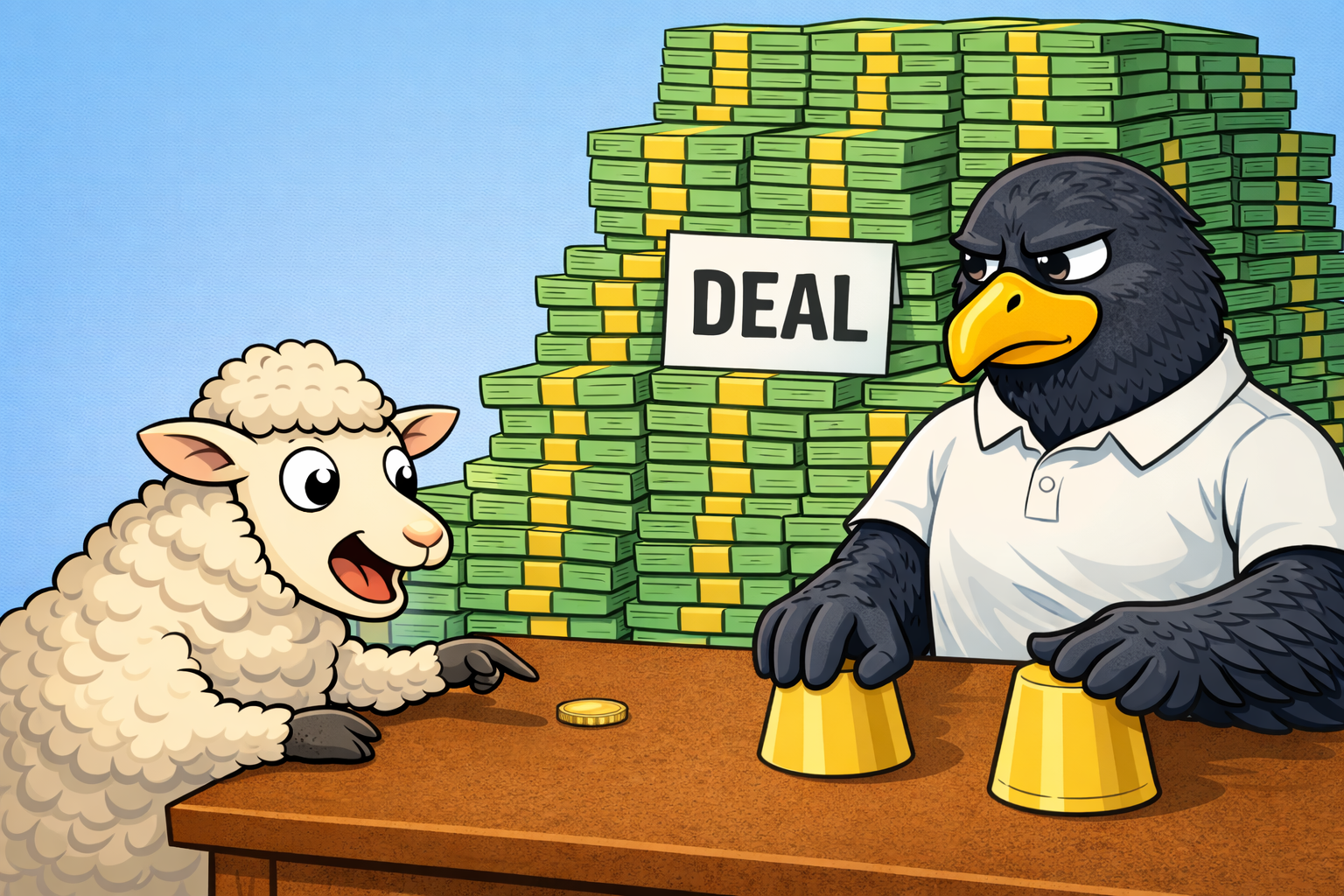
Tag: Prospect Theory

  • The Negotiation Nobody Notices

    The Negotiation Nobody Notices

    Buyers sometimes lose deals for a strange reason.

    They win too many small arguments.

    Most people think negotiation means squeezing every last concession out of the other side.

    But small concessions often trigger the same psychology we talked about earlier. People feel losses about twice as strongly as equivalent gains.

    So every small “win” for the buyer can feel like a loss to the seller.

    And losses tend to demand compensation.

    Imagine you’re buying a tract of land.

    The price is close to working.

    But during negotiations you start asking for a list of smaller items:

    Pay for the survey.
    Pay for title.
    Fix the fence.
    Cover some closing costs.

    None of these things are huge by themselves.

    But to the seller, every one of them feels like giving something up.

    Soon the deal starts to feel worse than the original offer.

    And the seller reacts the same way most people do when they feel losses stacking up.

    They push back harder on the price.

    Or they simply decide the deal isn’t worth the trouble.

    Ironically, buyers sometimes end up paying more by trying to win those smaller battles.

    The deals that close smoothly usually look different.

    Both sides focus on the big economics first.

    Once that works, they stop trying to win every small point.

    Because in negotiation, momentum matters.

    If the deal feels good, people want to finish it.

    If it starts to feel like a series of losses, they start looking for a way out.

    And most deals that fall apart don’t fail because of the big numbers.

    They fail because of the little ones.


    P.S. Before negotiating anything, it helps to know where you stand in the market. Even if you’re not looking to do anything today, the time to start paying attention is before you actually need to.

    That’s what the MBR Land Reality Check is for. Real market intelligence from someone with decades in the land business. You’ll know what’s selling, for how much, and what’s happening in terms of development.

    It’s free today. Never any obligation, and never any pressure to list.


    P.P.S. If you’re not ready for a Reality Check but liked reading this, you can get posts like this in your inbox below. Usually daily.

    Register to Receive Posts Via Email!

    By submitting, I understand I will receive marketing emails and blog posts from Mike Browning Realty and/or associated companies. Unsubscribe at any time.

  • The Quiet Compromise

    The Quiet Compromise

    One of the most important things to understand about negotiation has nothing to do with price.

    It has to do with how people experience gains and losses.

    Research by psychologist Daniel Kahneman showed that people feel losses much more strongly than gains. In simple terms, a loss hurts about twice as much as an equivalent gain feels good.

    Lose $100 and it bothers you.

    Gain $100 and it feels nice, but not nearly as strongly.

    To emotionally wipe out the loss of $100, you often need a gain closer to $200.

    This tendency is wired into us. It probably helped our ancestors avoid taking too many risks.

    But it also shows up constantly in negotiations.

    Imagine someone makes an offer on your land. The net number is close to acceptable to you, but not quite.

    Part of the deal is that they want you to pay for a survey that costs about $3,000.

    A lot of sellers immediately push back on that.

    They argue that the buyer should pay for the survey.

    But there’s usually an easier way to handle it.

    If you already plan to counter the price higher anyway, just leave the survey alone and increase your counter by a little more than you otherwise might.

    Maybe $5,000 higher.

    From your perspective, the math still works. In fact, it’s a little better for you than it would have been.

    But from the buyer’s perspective, the deal feels different.

    If you push them to pay for the survey, they experience that as a loss. And losses tend to loom larger than gains.

    They feel like they are giving something up.

    But if the survey stays the same and the price changes slightly, they don’t have the same reference point. They don’t know what your counteroffer would have been otherwise.

    So it doesn’t feel like they lost anything.

    The numbers may be almost identical either way.

    But one structure feels like friction.

    The other often sails right through.

    That’s what I think of as a quiet compromise.

    Same economics, different psychology.

    And in negotiation, psychology often decides which deals actually happen.


    P.S. Before negotiating anything, it helps to know where you stand in the market. Even if you’re not looking to do anything today, the time to start paying attention is before you actually need to.

    That’s what the MBR Land Reality Check is for. Real market intelligence from someone with decades in the land business. You’ll know what’s selling, for how much, and what’s happening in terms of development.

    It’s free today. Never any obligation, and never any pressure to list.


    P.P.S. If you’re not ready for a Reality Check but liked reading this, you can get posts like this in your inbox below. Usually daily.

    Register to Receive Posts Via Email!

    By submitting, I understand I will receive marketing emails and blog posts from Mike Browning Realty and/or associated companies. Unsubscribe at any time.