Tag: Pricing Strategy

  • I Don’t Recommend It (For Them….But Maybe For You)

    I Don’t Recommend It (For Them….But Maybe For You)

    There’s a certain group of agents who’ll list a property at almost any price just to get their foot in the door.

    The thinking is: get the listing, and once the seller sees the price is unrealistic, they’ll come down.

    From the seller’s side, even if they know it’s high, it’s tempting. They stand to gain if it works — and they can always adjust later, right?

    That premise isn’t completely wrong.

    But you have to be careful.

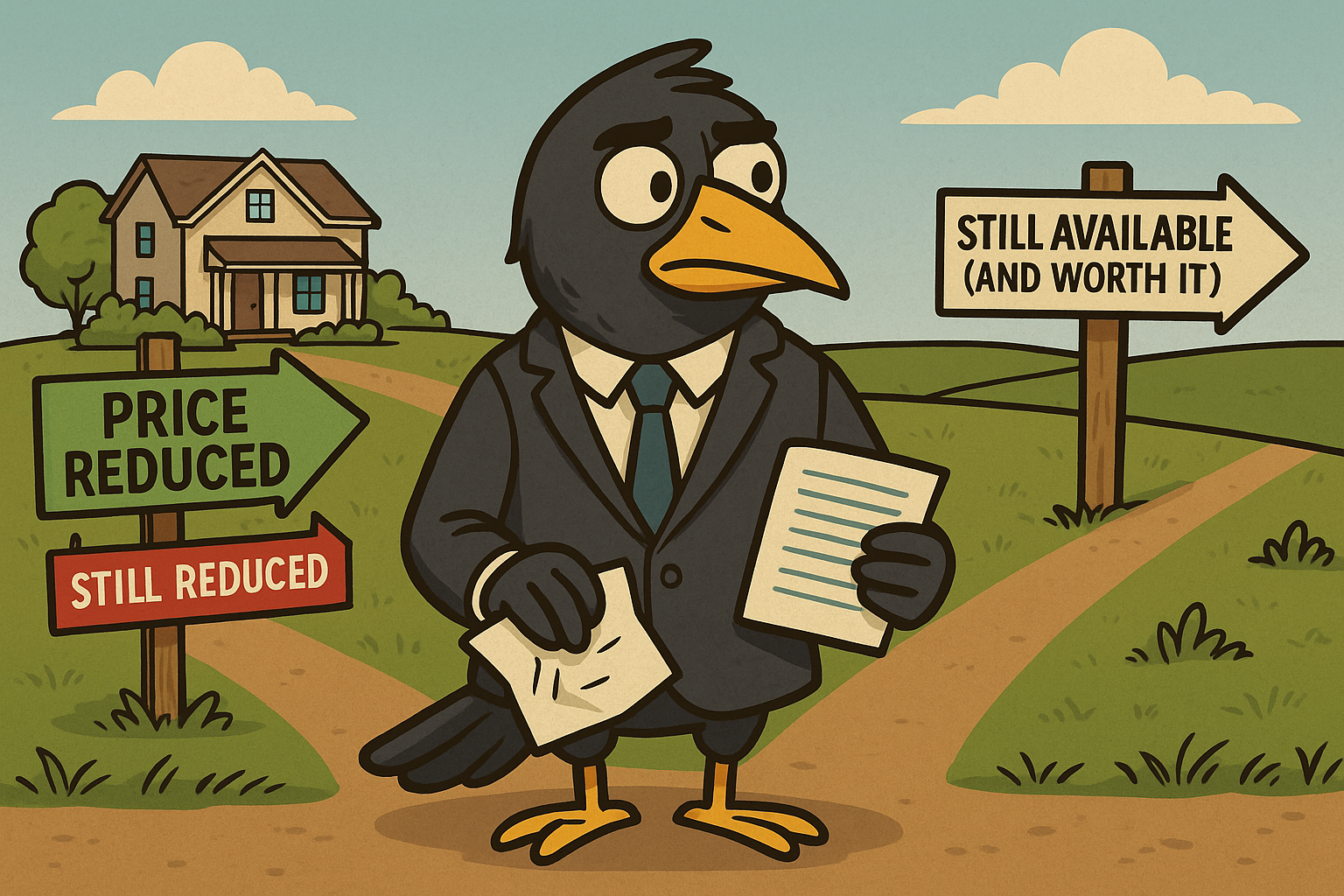
    From a marketing standpoint, your property gets the most attention right after it hits the market. Most buyers today are plugged in and will spot an overpriced listing immediately. Once they cross it off, it’s tough to get them back.

    Then it sits. And the longer it sits, the more people assume “something must be wrong.”

    Meanwhile, the clock is ticking on carrying costs — mortgage, taxes, insurance — eating away any imagined gain.

    So yes, be optimistic. But overplaying it can backfire fast.

    Especially with houses.

    Land can be different. Different buyers see different value, and if you own it outright with an ag exemption, your costs to hold can be next to nothing. So waiting doesn’t hurt as much.

    Plus, land buyers are often investors or developers. If the market rises, they may be willing to meet your price later.

    Many buyers are actually in the business instead of looking for somewhere to live. If something doesn’t work for them today, that doesn’t mean it won’t later.

    That doesn’t make overpricing good — but with land, it’s often less harmful. And sometimes, it’s even strategic.

    If I were listing a house worth $1 million and the owner wanted to ask $1.3M? Not worth anyone’s time. It would hurt the seller more than help.

    I wouldn’t take that listing.

    But land? Can be a different story.

    If I think it’s worth $1M, listing it for $1.2M or $1.3M can make sense — especially if selling isn’t urgent. You might not be trying to sell, but if someone overpays… maybe it’s worth a look.

    If it doesn’t take huge effort on your part, is it a crazy idea to put your property out there a little high just in case?

    PS — You’re probably not looking to sell today. But it never hurts to have up-to-date info. I offer free reports on any property showing recent nearby sales and current opinion of value.

    Is it ever not worth knowing what your property is worth today? Even if you aren’t ready to sell?

    If someone were to offer you “too much,” would it really be a terrible idea to listen?

    Click below to get your report:


  • Let the Elephants Out

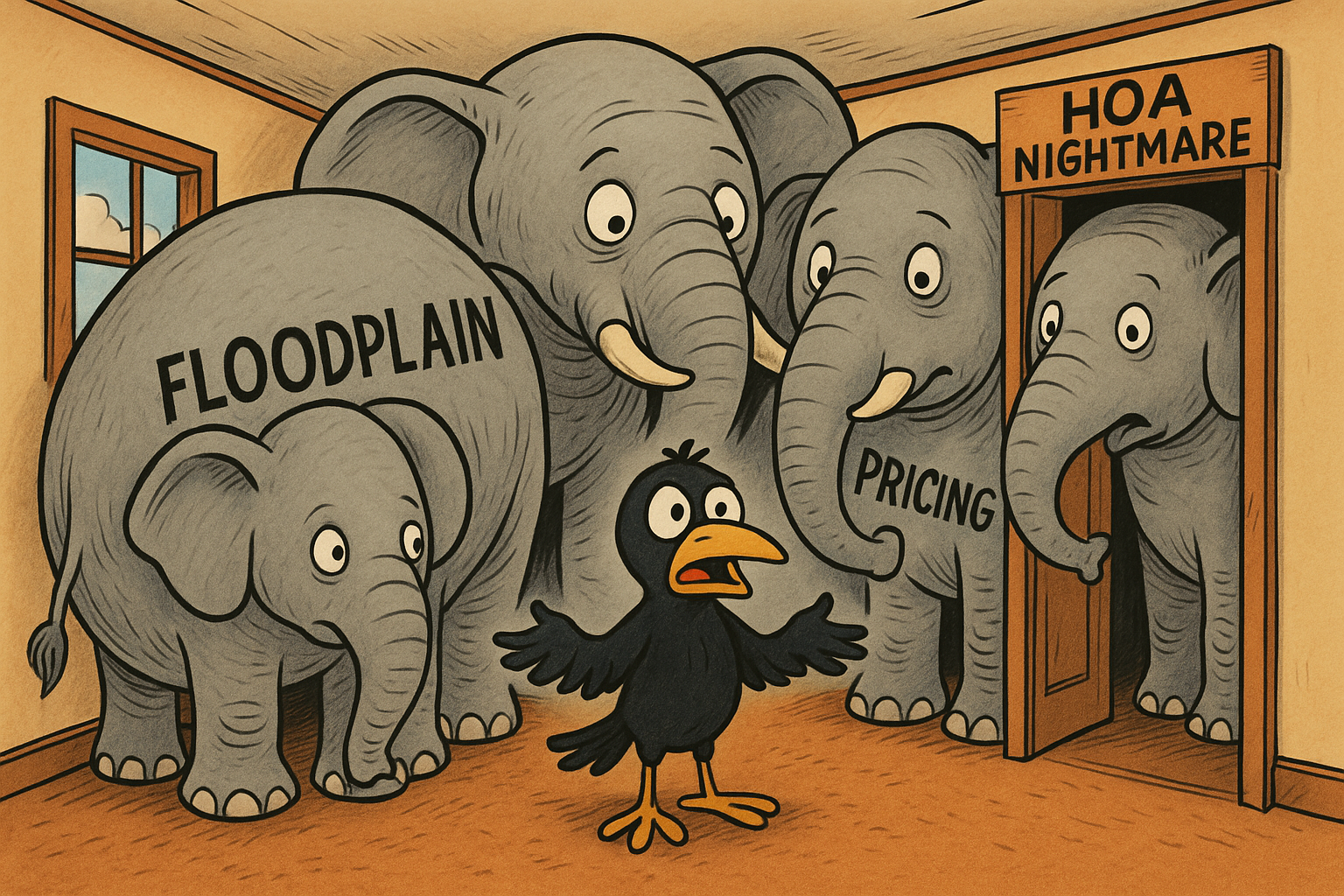
    Let the Elephants Out

    Why bluff when the other side gets to see your hand?

    We’ve all had interactions where there are big issues not being talked about. Sometimes only one party sees it—or knows about it. Other times, both sides do, but no one wants to bring it up.

    And if you’re honest with yourself, you know that putting off the conversation or trying to avoid it is a losing proposition. When the other side finds out (and they will), there will probably be hurt feelings. But more importantly, there’s a loss of trust. And in real estate, no trust usually means no deal—no matter how good your attorney is.

    If there’s an issue with your property—like potential flooding, a deed restriction that kills the buyer’s plan, or an environmental problem—it’s not going to help to keep quiet. It’ll come out during their due diligence. Best case, they believe you didn’t know. But let’s be real—that’s not how most people react. They’ll probably drop the deal, and you’re out all that time, when you could’ve just been upfront and saved everyone the trouble. And probably slept better at night, too.

    It’s not just across the table—seller and broker need to be on the same page, too.

    Take pricing. Sellers are often a little (let’s say) optimistic. And there’s no shortage of agents who’ll go along with any number just to get the listing, knowing full well they’ll push you to drop it later. But how does that make you feel when it happens? Lied to. And once that trust is cracked, the relationship suffers. Less trust = less chance of success.

    Now, I’m not above putting something out there a little high at first, just in case. Especially with land—sometimes the right buyer shows up and pays more than anyone expected. But I’m going to tell you up front that it’s likely too high, and we may need to adjust after a few weeks.

    And if you’ve read these for any length of time, you’ve heard me say it: I’m not a discount broker. You may be tired of hearing it. But because I’m upfront about that, we don’t have awkward conversations about commissions later.

    Above all, you should hire the broker you trust most. If you go with a discount and then spend the whole time wondering how that person is screwing you over, are you really ahead?

    Best way to build trust? Don’t hide anything. Let the elephants out. Whenever you’re ready, I’m here.


  • (Much) Harder Than I Make it Look

    (Much) Harder Than I Make it Look

    It just looks easy because of everything I did before we met

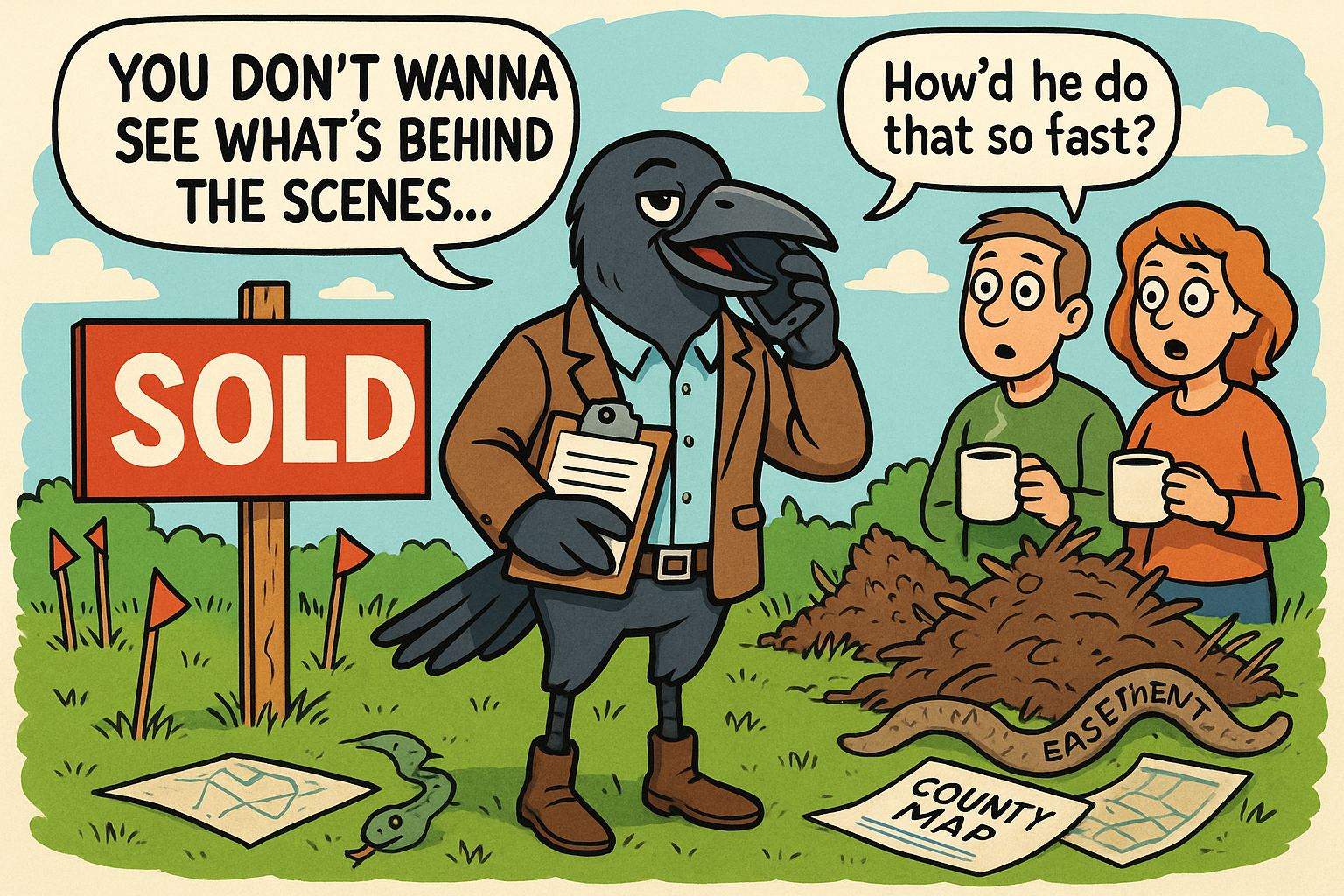
    It doesn’t happen every time, but it’s not unheard of for properties I list to move really fast. It can look like we sign a few documents, I put some info into MLS, and take a few pictures. Then boom, it’s under contract before your coffee gets cold.

    It’s not luck, and it’s not magic.

    OK, sometimes there is a little luck involved. Although some people say you make your own luck.

    But it is a lot harder than I make it look.

    Selling land isn’t like selling a house. You can’t just guess based on what the neighbor’s asking and hope it sticks. Every property has its own quirks—some of them obvious, some hiding in the fine print or buried under a brush pile.

    You’ve got to know how to price it, how to position it, and what questions to ask before someone else finds the problem during their inspection period. That’s the kind of stuff that kills deals, or keeps a property sitting on the market for months longer than it should.

    Most of the work I do happens before it ever hits MLS. That’s where the value is—figuring out the real story of the land, not the made-up one. That means calling the county, checking surveys, reviewing restrictions, walking the property, and putting the right comps together. It’s not glamorous, but it works.

    The goal is to make it look simple when it hits the market. Good info, clean photos, a fair price based on real data—and a plan to back it all up.

    So no, it’s not easy. But I don’t mind doing the hard part.

    If you want to know what your lot or land is really worth—or why it hasn’t sold—just email me here.

    I’ll shoot you straight. No pressure, no pitch. Just the truth, even if it’s not what you were hoping to hear.