Tag: Negotiation Tactics

  • My Wife Thought It Was Magic

    My Wife Thought It Was Magic

    Most people think negotiation is something that happens in land deals. Maybe car deals too.

    It’s not.

    Trying to get your kid to clean their room is negotiation. Deciding where to eat is negotiation. Getting time off work for an appointment is negotiation. Most of life is negotiation whether we realize it or not.

    Improving your negotiation skills is probably the most high leverage way to improve your life overall. It touches everything.

    Most people picture a great negotiator as the guy at the dealership. Pushy. A little slick. Leaning on pressure and urgency because that’s the only lever he knows how to pull.

    Sometimes that works.

    But ask yourself how you feel after most car-buying experiences. Even if you like the car, you’re often thinking, I’m never buying from that guy again.

    That’s the problem with pressure tactics. Even when they work, they burn bridges. You win the deal in front of you and lose the next ten.

    Jim Camp’s system from Start With No is different, though I wouldn’t call it the opposite of that. It’s not weak, and it’s not caving in to get to yes faster. Weak gets eaten alive by anyone with real leverage. What it does is take a lot of the tension out of the room without giving up your position. Deals close easier. People stay friendly afterward.

    Sometimes it works so well it’s almost unsettling.

    A while back my wife bought something online from a company that was very clear about its policy. No refunds. No exceptions.

    Naturally, the item broke almost immediately.

    She emailed them and got exactly the response you’d expect. They pointed to the policy and politely told her no.

    She was frustrated.

    I looked at the exchange, wrote a short response, and told her to send it. Maybe four sentences.

    She read it and said there was no way it would work, but she sent it anyway, and the refund was approved almost immediately.

    What amused me wasn’t the refund. It was what happened afterward.

    She looked at me suspiciously and asked:

    “Have you been using this on me?”

    I assured her I only use my powers for good.

    One of the reasons I like Jim Camp’s work is that his system doesn’t rely on pressure, clever arguments, or trying to talk circles around people. In fact, a lot of the time it involves talking less, not more.

    That’s harder than it sounds.

    If you’ve never read Start With No, it’s worth your time.

    P.S. The link goes through Amazon and I’m an affiliate. It doesn’t cost you anything extra, but if you buy the book (or anything else while you’re there), I get a small commission.

  • The Danger of Needing It

    The Danger of Needing It

    One of the best books on negotiation is Start With No by Jim Camp. Probably the single most important idea in it: neediness is the first thing you have to get control of. Until you do, you’re at the mercy of whoever you’re sitting across from.

    Doesn’t matter if it’s a car, a house, a piece of land, or where you’re going for dinner Friday. Same rule.

    Go shopping for a car and it’s about a sure thing that once you show real interest, the salesman mentions someone else. They’re coming to look at it this afternoon. Or they were in yesterday, said they’d probably be back. Whatever the line is, the point is the same. Make you feel like if you don’t move now, you’re going to lose it.

    And it works. Not because you’re gullible. Because it’s aimed at something real. The second you stop thinking “I like this” and start thinking “I need this,” you’ve handed over the leverage.

    You don’t even notice it happening. You just start agreeing to things you wouldn’t have agreed to an hour earlier.

    Here’s what your brain skates right past. On the way to that lot, you passed a few thousand other cars. Other lots. Other listings. These things are mass produced. If this one gets away from you, there’s another one out there, probably better, and you’ll never think about this one again.

    You need food. You need shelter. Around here you probably need a vehicle of some kind. But you don’t need this particular car. You don’t need this particular house.

    Land’s a little different. No two pieces are exactly alike, so in a technical sense a specific tract really is one of one. But different doesn’t mean irreplaceable. Miss it, and the sun still comes up tomorrow. You still eat dinner. You’ll find something else that checks the boxes, maybe something you like better, and you won’t spend one more minute thinking about the one that got away.

    Wanting something is fine. Wanting it enough to stretch a little, work for it, negotiate hard. Also fine, as long as you’re doing it with your eyes open. Needing it is where it goes sideways.

    That’s when you stop negotiating and start hoping nobody notices you’re begging.

    The people on the other side of the table notice. Even the ones who aren’t trying to work you over will feel the shift, and the good ones absolutely will use it. Not because they’re crooked. Because that’s the game, and you just told them you’re not really playing it anymore.

    The fix isn’t complicated, even if it’s not easy. Notice when you’ve crossed the line from “I’d like this” to “I have to have this.” That’s your signal to slow down, not speed up. Ask yourself what you’re actually risking by waiting a day. Usually the honest answer is: not much. The deadline was mostly invented to make you feel exactly what you’re feeling right now.

    Camp built an entire system around this, and it’s worth your time if you’ve never read it. Whether you’re negotiating a purchase, a sale, a raise, or just trying to get your teenager to clean their room. Once you see how much of negotiation is really about who wants it less, you can’t unsee it.

    It’ll change how you walk into every negotiation. And since everything is a negotiation, it may change your life.

  • Decide First, Justify Later

    Decide First, Justify Later

    It’s Not Just Others Who Are Irrational

    In my post yesterday, I talked about how people aren’t rational (but think they are) and how we need to account for that when negotiating.

    But it’s not just other people — it’s all of us.

    Every decision you make is driven by emotion first, then reason. We decide, then justify. It happens so fast we don’t even notice.

    We come up with reasons to do whatever we want to do anyway. Knowing all the “why nots” doesn’t stop us if we want it badly enough.

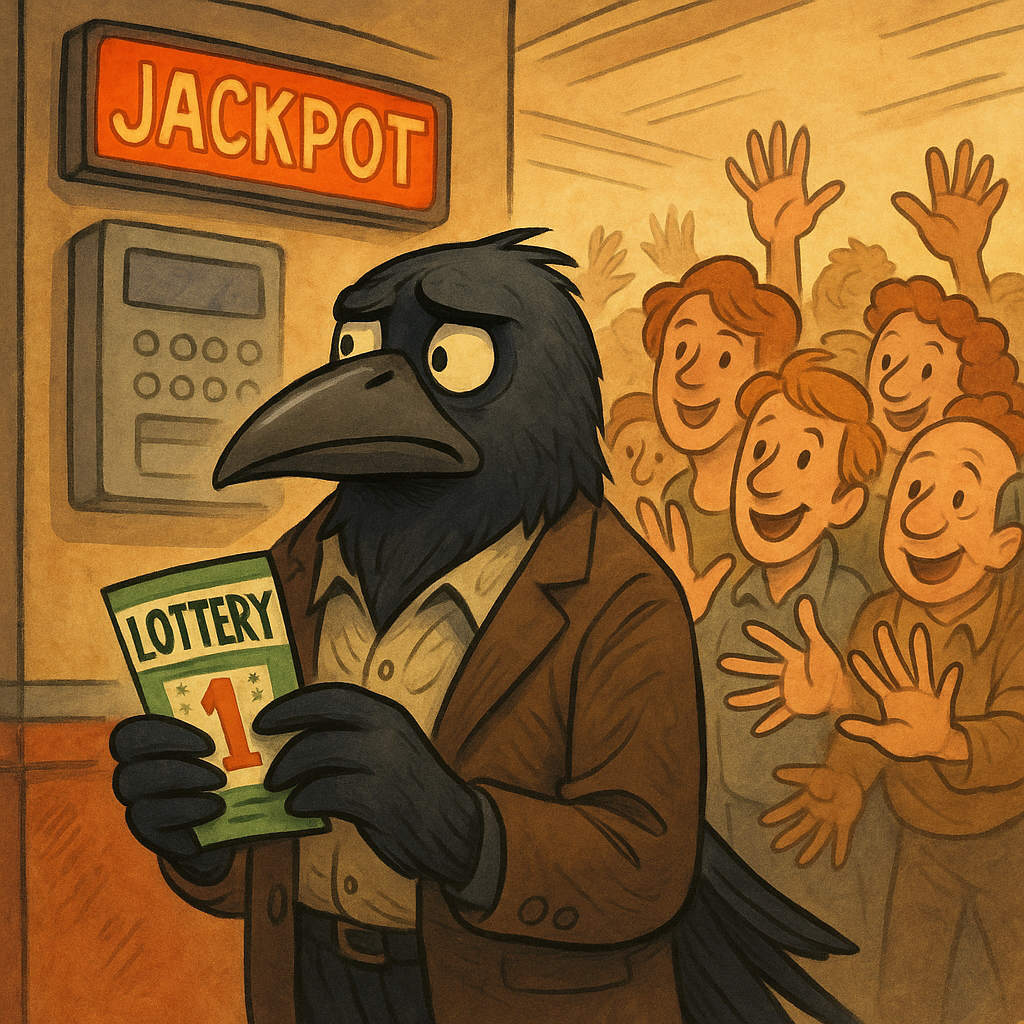
    Don’t believe me? Let’s talk about the big lotto jackpot tonight.

    You’ve seen the stories: lottery winners going broke, wrecking their relationships, spiraling into messes they couldn’t imagine before.

    Sudden wealth is not something most people are equipped to handle.Many (if not most) wealthy people made and lost fortunes before they figured out how to keep money instead of just make it.

    But the money isn’t even the biggest problem.

    The real wrecking ball hits your relationships. You suddenly have hundreds of millions, and people come out of the woodwork — friends, cousins, coworkers, that one guy you barely know. They’ll remind you how “fortunate” you are and how you “owe” it to share.

    It’s hard to say no without resentment growing on both sides. And if you think you’ll avoid that by finding a whole new circle, good luck — the new crowd is usually worse.

    At least your old group knew and liked you before you had money. With new people, you’ll always be suspicious of their motives.

    Friendships lost. Families fractured. Addiction rates jump.

    And you already know all this.

    But when the jackpot gets big, what’s the first thing you think?

    “I’d never have to worry about money again!”

    You’ll rationalize all the warnings away. “It’ll be different for me.”

    Disagree? Tell me after you buy your ticket.

    Or tell me when you see me buying mine.

    This doesn’t have much to do with real estate, I know.

    If you win, you probably won’t be selling much — you’ll be too busy hiding from cousins you didn’t know you had.

    If you’re on the other side and want to buy something, though, I know a guy.