Tag: Lot Sales

  • Obedience Before Understanding

    Obedience Before Understanding

    Awhile back I got a little irritated with one of my kids.

    Which one? Doesn’t matter.

    The same basic situation has happened with all four of them. (And if you have kids I promise you’ve had the same experience.)

    Anyway here’s the story:

    We were planning to go somewhere. About a half hour away. Which she knew.

    But I needed to make a stop along the way, so I told her to be ready an hour earlier than we’d normally leave.

    She said “okay” and I went on about my business.

    Did I explain why? No. Should I have? Maybe.

    But you know how it goes — if I explained every single why behind everything I do, I’d never get anything done.

    Anyone want to guess what happened next?

    Time to leave rolls around…

    She’s not ready.

    Which put me in a bind. So I was frustrated, and I explained then why we had to leave early.

    To which she replied:

    “Well I didn’t know that.”

    So I walked off thinking:

    I wouldn’t have told you to be ready early for no reason. Why couldn’t you just do what I asked even if you didn’t understand why?

    And then it hit me.

    God probably feels the same way about me.

    We’ve all had times where we feel like God wants us to do something — or not do something — and it doesn’t make sense to us.

    We think it would be better if we did it our way.

    Our timing. Our understanding.

    Pretty presumptuous when you think about it.

    Whenever something doesn’t line up with how we think it should go, we assume the instructions are wrong — instead of assuming we might be the ones who don’t see the full picture.

    But God doesn’t think like we do.

    I remember realizing in that moment that I was the one who needed to learn obedience just as much as she did. Maybe more.

    Have I gotten any better?

    I like to think so.

    But if I’m being honest — probably not nearly where I should be. Stubbornness is my superpower, and it doesn’t always serve me well.

    But I’ll keep trying.

    And I won’t give up.

    PS: I’ve mentioned this before, but having a physical Bible matters.

    Most people who own one don’t read it much. And most who do read Scripture only do it when it’s put in front of them on Sunday.

    But there have been studies showing that people who read their Bible at least 4 times a week have lower rates of depression, anxiety, addiction, and other issues.

    It’s a spiritual discipline with physical benefits.

    Reading or listening online is fine — until it isn’t.

    If access to digital content went away for any reason… what would you have?

    A physical Bible isn’t expensive.

    And it doesn’t require Wi-Fi.

    (Disclosure: As an Amazon Associate I earn from qualifying purchases. Clicking that link may earn me a small commission, at no extra cost to you.)

  • Whoever Says It’s a “Game of Inches” Probably Just Lost

    Whoever Says It’s a “Game of Inches” Probably Just Lost

    With the World Series happening, I’ve been thinking about some of the clichés you hear when people talk about baseball.

    A lot of them sound good.

    They feel like the kind of thing a manager or announcer is supposed to say.

    But if you watch what they do, it doesn’t always line up with the words.


    Managers always preach catching the ball.
    But in the real world: hitting is the hardest thing in sports.
    If a guy can hit, they will find a way to get his bat in the lineup.
    Hopefully he’s a DH. But just as often he’s a butcher in left field. But he’s out there.
    Meanwhile, the glove-first guy who can’t hit? He’s on the bench.
    He comes in late when you’re already winning.


    Supposed to mean bunting, stealing, hit-and-run, etc.
    The things that show discipline and “team baseball.”
    Except the analytics guys figured out those moves usually reduce run scoring.
    And fewer runs = fewer wins.
    So now most teams sit back and wait for the three-run homer.


    This one is basically circular.
    If a pitcher throws great and wins, we credit the pitching.
    If he throws just as well next time and gets lit up, now we say the hitters “made adjustments.”

    This is what just happens when experts are required to explain themselves to non-experts.

    You can’t say, “Well, hitting and pitching outcomes are highly variable and luck plays a larger role than most fans want to believe.”

    So instead: clichés. Buzzwords. Phrases that smooth everything over.

    And that’s fine for baseball. The stakes are entertainment.

    But in real life — especially when you’re talking to realtors, salespeople, consultants, or anyone positioned as an “expert” — buzzwords can be a way to hide ignorance or mislead you.

    If someone sounds confident, but can’t explain what they’re saying when you ask them to slow down?
    That’s not expertise. That’s just talking.

    So here’s the move:

    Ask one or two simple, pointed questions.

    If they take it in stride and explain clearly?

    You’re probably dealing with someone who knows what they’re doing.

    If they get defensive, vague, or irritated that you questioned them?

    You’ve already got your answer.

    I get it — not everyone is cut out for uncomfortable conversations. But there’s a way to avoid that problem entirely:

    Start early. Long before you actually plan to sell.

    Begin talking to brokers, and be up front about not being ready.

    The good ones will be happy to talk — and you’ll start building real trust.

    The shady ones?

    If they can’t make money immediately, they won’t spend much time on you.

    Which tells you everything you need to know without you having to push.

    Selling is a significant financial event — no way around that.

    So is it ever too soon to make sure you get it right?

    Click below.


  • How Do You Think I Got That Way?

    How Do You Think I Got That Way?

    There’s a management concept that says, “If you want something done, give it to a busy person.”

    People usually take that as a joke, but there’s a lot of truth to it.

    The busiest people are often the most reliable — not because they have more hours in the day, but because they know how to use them. They’ve built systems, habits, and standards that keep things moving.

    It’s not uncommon for a landowner to wonder how someone who lists and sells as many properties as I do could still have time to represent their property properly.

    Probably lucky for me they don’t also see the institutional client work I handle — the kind that doesn’t show up on MLS or get publicized. Then they’d really be worried.

    It’s a fair question. But in real estate, the truth is usually the opposite.

    The agents who are truly “too busy” aren’t the ones with a full plate — they’re the ones barely managing the plate they already have.

    The productive ones have rhythm. They’re working off systems, checklists, and experience that let them keep multiple deals in motion without losing sight of the details that matter.

    Highly productive agents also have the revenue to invest in tools and automation that make them more efficient.

    It wouldn’t make sense for a one-off landowner to pay for those things — and low-volume agents can’t afford them.

    So when you see a broker juggling multiple listings and still communicating clearly, showing up on time, and staying ahead of issues — that’s a good sign.

    It means they’ve figured out how to run their business, not just survive it.

    It means I’ve built a network of buyers who trust what I bring to market.

    It means I’ve learned how to keep deals organized, inspections scheduled, title issues handled, and marketing rolling without letting anything slip.

    It means when you list with me, you’re plugging into something that’s already working — not waiting for someone to “get around to it.”

    Busy isn’t the same as distracted. It’s the byproduct of momentum.

    If I were sitting around waiting for the phone to ring, that would be a problem.

    But I’m in constant contact with the people most likely to buy your property — because I’m already helping others like you.

    Deals create opportunities for other deals.

    Activity creates visibility.

    Momentum attracts attention.

    So no, I’m not too busy to take on another listing.

    I’m busy because I know how to get things done — and because the people who’ve worked with me know it too.

    If you’re ready to sell, or just curious what your property’s worth in today’s market, I’m happy to give you an honest, expert opinion.

    Because the busiest guy usually is the right one for the job.


    PS — You’re probably not ready today, but is there really a bad time to know what your property might be worth?

    That’s one of the ways highly productive people get that way — they start the non-urgent steps early, so they’re ready to move when the time is right.


    Click below:


  • Professionalism Is a Competitive Advantage

    Professionalism Is a Competitive Advantage

    I closed a transaction yesterday where I represented the buyer.

    But I also know the sellers well. And I’ve worked with the brokers on the other side of the table. So it was a friendly transaction.

    Friendly doesn’t mean easy.

    There’s always something that comes up on a deal — even when both sides are conscientious, experienced, and pay close attention to the details. And that was the case here. Both sides were “detail guys.” Nobody was asleep at the wheel. Everybody knew what they were doing.

    And still, something unexpected popped up.

    The good news is it was handled it in a way that won’t be an issue for my clients when it’s their turn to sell. And the seller even told me he appreciated how my clients approached it — and that he’ll know to look out for this kind of thing in the future.

    The only bad news is that it added some time. But the main thing is we got across the finish line.

    Unforeseen issues always surprise people who don’t deal with real estate transactions regularly. They assume that if everyone is smart and honest and knows what they’re doing, the deal should unfold like a clean set of instructions.

    In reality, land and real estate deals are more like surgery. Everyone can be careful and competent, and it can still get complicated. There are simply too many moving parts — title history, surveys, legal descriptions, lenders, insurance, funding timelines, utilities, escrow instructions, contract language, etc.

    You don’t avoid problems. You handle them.

    And that’s where this deal was a blessing.

    Not just because my client is sharp. Not just because the sellers are good people. And not just because the brokers involved are the kind who actually return calls and don’t invent drama.

    It’s a blessing because when the issue came up, everyone stayed professional.

    No accusations.
    No panic.
    No ego contests.

    Just: “Okay. Here’s the obstacle. How do we solve it so everyone gets what they agreed to?”

    That sounds simple, but it’s not common.

    So two points:

    First: It’s a gift when the people you’re working with are solid. When both sides want a fair outcome, respect each other, and don’t feel the need to posture, you can work through a lot — even if it takes longer than expected.

    Second: If this is what happens when experienced professionals are on both sides… what does that say about the importance of competent representation when that’s not the case?

    Deals rarely blow up because of the big, obvious things. They blow up because of the small things — deadlines, survey quirks, contract timing, miscommunication.

    Most of the time, the difference between a deal that closes and one that falls apart is whether the people involved can stay level-headed through the surprises.

    Professionalism is a competitive advantage.

    And not just in negotiation — in everything that comes after.

    PS — You’re probably not looking to sell today. But the more you prepare ahead of time (when it’s not urgent), the less chance you have a big issue later (when it is urgent).

    I offer a free, no obligation value report on any land/lot properties, including recent sold comps, market trends, and notes on any issues that might need to be addressed.

    All it takes is one click below and I’ll do the rest.

    Is it ever a bad time to start working toward a smooth finish?


  • I Don’t Recommend It (For Them….But Maybe For You)

    I Don’t Recommend It (For Them….But Maybe For You)

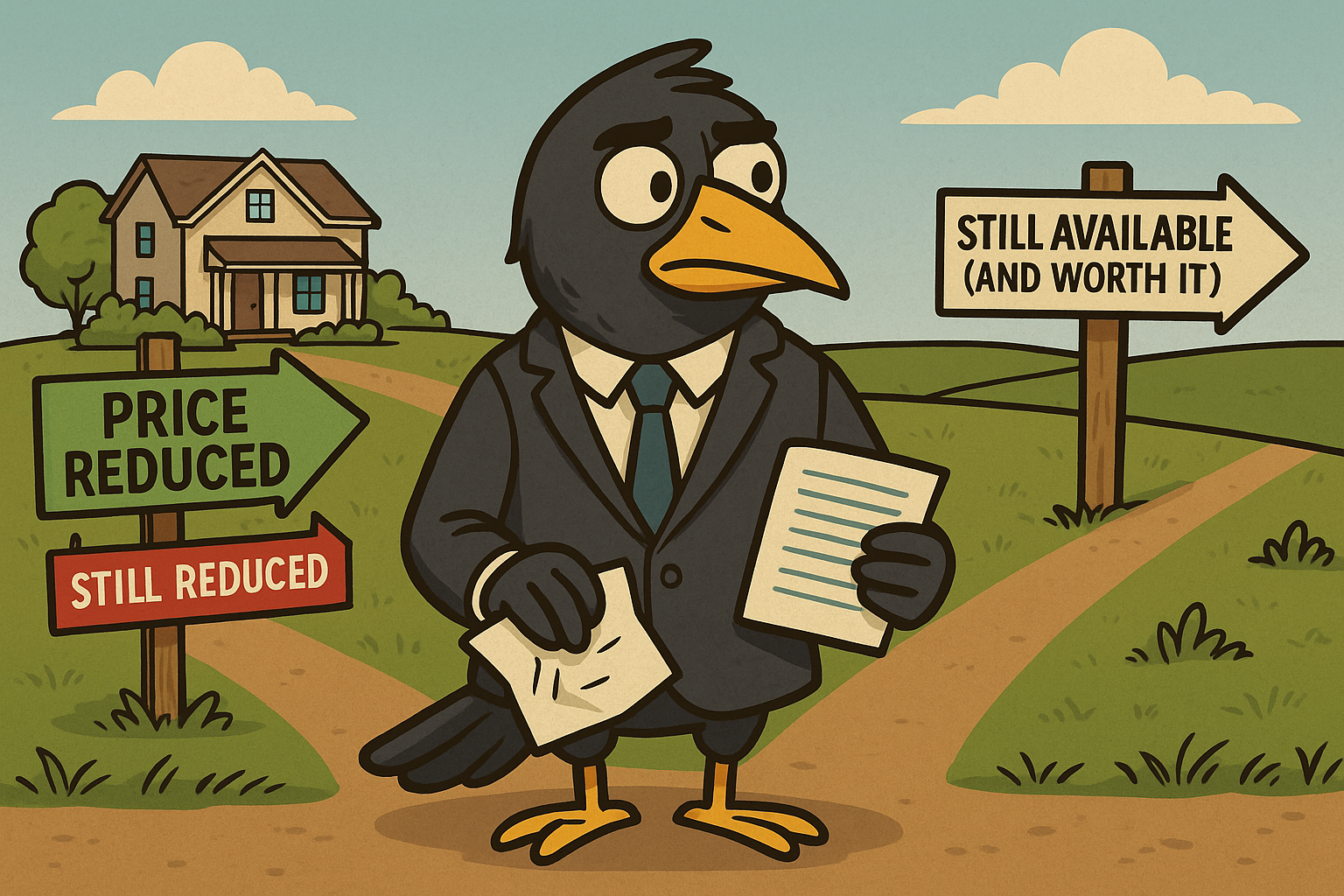
    There’s a certain group of agents who’ll list a property at almost any price just to get their foot in the door.

    The thinking is: get the listing, and once the seller sees the price is unrealistic, they’ll come down.

    From the seller’s side, even if they know it’s high, it’s tempting. They stand to gain if it works — and they can always adjust later, right?

    That premise isn’t completely wrong.

    But you have to be careful.

    From a marketing standpoint, your property gets the most attention right after it hits the market. Most buyers today are plugged in and will spot an overpriced listing immediately. Once they cross it off, it’s tough to get them back.

    Then it sits. And the longer it sits, the more people assume “something must be wrong.”

    Meanwhile, the clock is ticking on carrying costs — mortgage, taxes, insurance — eating away any imagined gain.

    So yes, be optimistic. But overplaying it can backfire fast.

    Especially with houses.

    Land can be different. Different buyers see different value, and if you own it outright with an ag exemption, your costs to hold can be next to nothing. So waiting doesn’t hurt as much.

    Plus, land buyers are often investors or developers. If the market rises, they may be willing to meet your price later.

    Many buyers are actually in the business instead of looking for somewhere to live. If something doesn’t work for them today, that doesn’t mean it won’t later.

    That doesn’t make overpricing good — but with land, it’s often less harmful. And sometimes, it’s even strategic.

    If I were listing a house worth $1 million and the owner wanted to ask $1.3M? Not worth anyone’s time. It would hurt the seller more than help.

    I wouldn’t take that listing.

    But land? Can be a different story.

    If I think it’s worth $1M, listing it for $1.2M or $1.3M can make sense — especially if selling isn’t urgent. You might not be trying to sell, but if someone overpays… maybe it’s worth a look.

    If it doesn’t take huge effort on your part, is it a crazy idea to put your property out there a little high just in case?

    PS — You’re probably not looking to sell today. But it never hurts to have up-to-date info. I offer free reports on any property showing recent nearby sales and current opinion of value.

    Is it ever not worth knowing what your property is worth today? Even if you aren’t ready to sell?

    If someone were to offer you “too much,” would it really be a terrible idea to listen?

    Click below to get your report:


  • Sometimes They Even Fool Me

    Sometimes They Even Fool Me

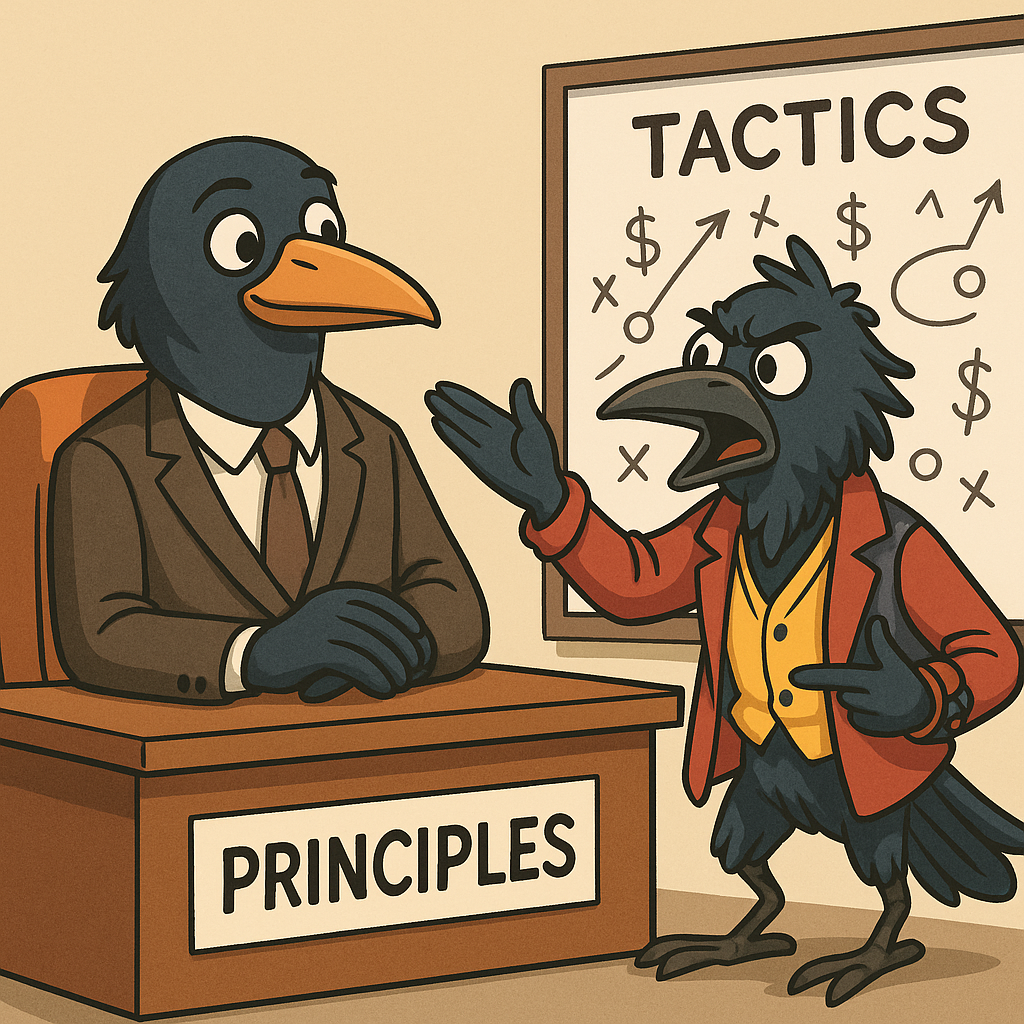
    As I’ve said before, I’m not much of a “tactics” guy. I prefer to focus on principles.

    If you have your principles right, the tactics tend to matter less — because you’re already in the right spot most of the time. When that’s true, a number of short-term moves will usually work.

    I saw an article recently about tactics agents can use when they get a low-ball offer on a listing.

    It was geared toward residential, which makes sense. That market has slowed down. And with less experienced agents, their entire career has been: list the house, then referee the bidding war.

    They may need help navigating lower offers.

    Land’s different. The low-end buyers have always been there. I know how to handle them — but since having more tools never hurts, I clicked on the article anyway.

    Let’s just say it wasn’t what I expected.

    Although maybe I should have expected it.

    Instead of strategies for getting buyers to raise their offers, it was full of ways to get your own client to accept something way below what was discussed.

    In other words, the opposite of how I promise to treat my clients.

    If I tell you I believe your property is worth a certain amount, I’m not going to turn around and sell you on taking 60% of it just because an offer came in.

    Sure — markets change.

    And homeowners often have more urgency (two mortgages, relocation, etc.), while landowners usually don’t.

    And yes, sometimes a seller does need guidance on what’s realistic.

    That’s all fine. There’s nothing wrong with explaining the market.

    I don’t do that.

    My principle is simple: treat people the way I want to be treated.

    That’s not a tactic. That’s the job.

    PS — You’re probably not ready to buy or sell land today. That’s fine.

    But it never hurts to know what your property’s really worth. Get a free, no-obligation report below — or just sign up to get future posts by email.

    Is it ever a bad idea to start talking to someone who will treat you the right way?

    Click Below:


  • Be Smart Like Donald Trump

    Be Smart Like Donald Trump

    If you’re like me, you figured out a long time ago that political debates are mostly useless for deciding who to vote for.

    But that doesn’t mean they’re not entertaining — especially if a certain someone’s involved.

    (You know who I’m talking about.)

    And sometimes, something gets said that’s worth remembering.

    In one of the 2016 debates, Hillary Clinton tried to shame Donald Trump for paying zero in income taxes some years.

    Trump cut her off and said, “That makes me smart.”

    Second-best line of the night, right behind “Because you’d be in jail.”

    But I digress.

    The point is: whatever you think of it, the tax laws are what they are.

    You might not like that a guy like Trump can structure things where he doesn’t pay much (or anything) in taxes. But that doesn’t make it illegal.

    You can try to change the laws (good luck), or you can use them to your advantage — within the rules.

    If you’re selling real estate, hopefully you’re looking at a nice gain.

    But with that comes Uncle Sam waiting for his share.

    Knowing a few basic rules can help you structure your sale in a way that keeps a lot more of what you’ve earned.

    That’s why I put together a short guide called “Minimize Your Capital Gains Taxes.”

    It walks through several of the best strategies used by experienced sellers — written in plain English, not accountant-speak.

    Here’s what it covers:

    • The IRS Exclusion Rule: How to qualify for the $250,000 / $500,000 gain exemption
    • Improving Your Basis: Why it pays to keep track of upgrades and improvements
    • 1031 Exchanges: How reinvesting the right way can defer taxes entirely
    • Timing & Strategy: Why a little planning before you sell can save a lot later

    It’s not a long read — five minutes tops — but it could save you thousands.

    If you’re even thinking about selling property in the next year or two, it’s worth understanding how the numbers really work.

    And if you’d like me to show you what your land, lot, or home is worth in today’s market, I’ll include that too — no charge, no pressure, no tax lectures.

    Disclaimer:

    I’m not a CPA or tax attorney, and this guide isn’t tax or legal advice. Everyone’s situation is different, so you should always consult qualified professionals before making financial decisions. This information is just meant to help you ask better questions and make better plans.

  • It Ain’t Giving Up And Going Home Time

    It Ain’t Giving Up And Going Home Time

    For we have come to share in Christ, if indeed we hold our original confidence firm to the end.
    — Hebrews 3:14

    Sometimes it feels like no matter how hard we pray or try to do what God asks, nothing moves the way we want.

    Family members get sick. Friendships don’t work out. Bad people seem to get all the good results — and enjoy them right in your face.

    Other times we get what we were hoping for… just not for long.

    The new job or promotion doesn’t fix everything. One problem gets solved, and a bigger one shows up in its place. The political fix that was supposed to change things turns out to be more of the same.

    It’s frustrating. And it’s understandable that people would want to throw their hands up and quit.

    But we mustn’t. No matter how pointless it feels, we’re called to keep doing what God asks.

    Even when the results aren’t visible yet.

    That’s faith — believing in things not yet seen.

    Trusting that the result is coming, even when it looks impossible.

    I have an old friend who lives out of state. We send each other videos of the sermons we hear at our churches.

    His pastor’s style is different — he’ll punctuate sentences by calling out someone’s name in the congregation, like he’s speaking straight to them.

    The first time I watched one, I was still getting used to it. And then it happened:

    “It ain’t giving up and going home time, [friend’s name]!”

    It made me laugh, and I’ve texted that line to my friend ever since. But the more I think about it, the more I realize — that’s pretty good advice.

    Because just when things don’t seem to be working out, that’s when faith matters most. We can’t quit.

    Not because we think tomorrow everything will finally go our way.

    But because one day, things will be so much better than we could ever imagine.

    PS – I’ve been saying recently it’s wise to keep a physical copy of the Bible.

    Reading the Bible won’t save you, only faith in Jesus does that. But it will help you understand God (and yourself), and can only lead you in the right direction.

    Reading or listening electronically is great—until the power or the connection goes out.

    Will that happen? Maybe not. Could it? Sure.

    It’s a risk you can remove easily and cheaply.

    Disclosure: As an Amazon Associate I earn from qualifying purchases. If you buy something—anything—after clicking that link, I may receive a small commission. It doesn’t change your price.

  • Don’t Let Taxes Eat Your Profit

    Don’t Let Taxes Eat Your Profit

    When people sell property — whether it’s a home, a lot, or raw land — they usually focus on the price.
    And that makes sense.

    But what often gets overlooked is how much of that price you actually keep.

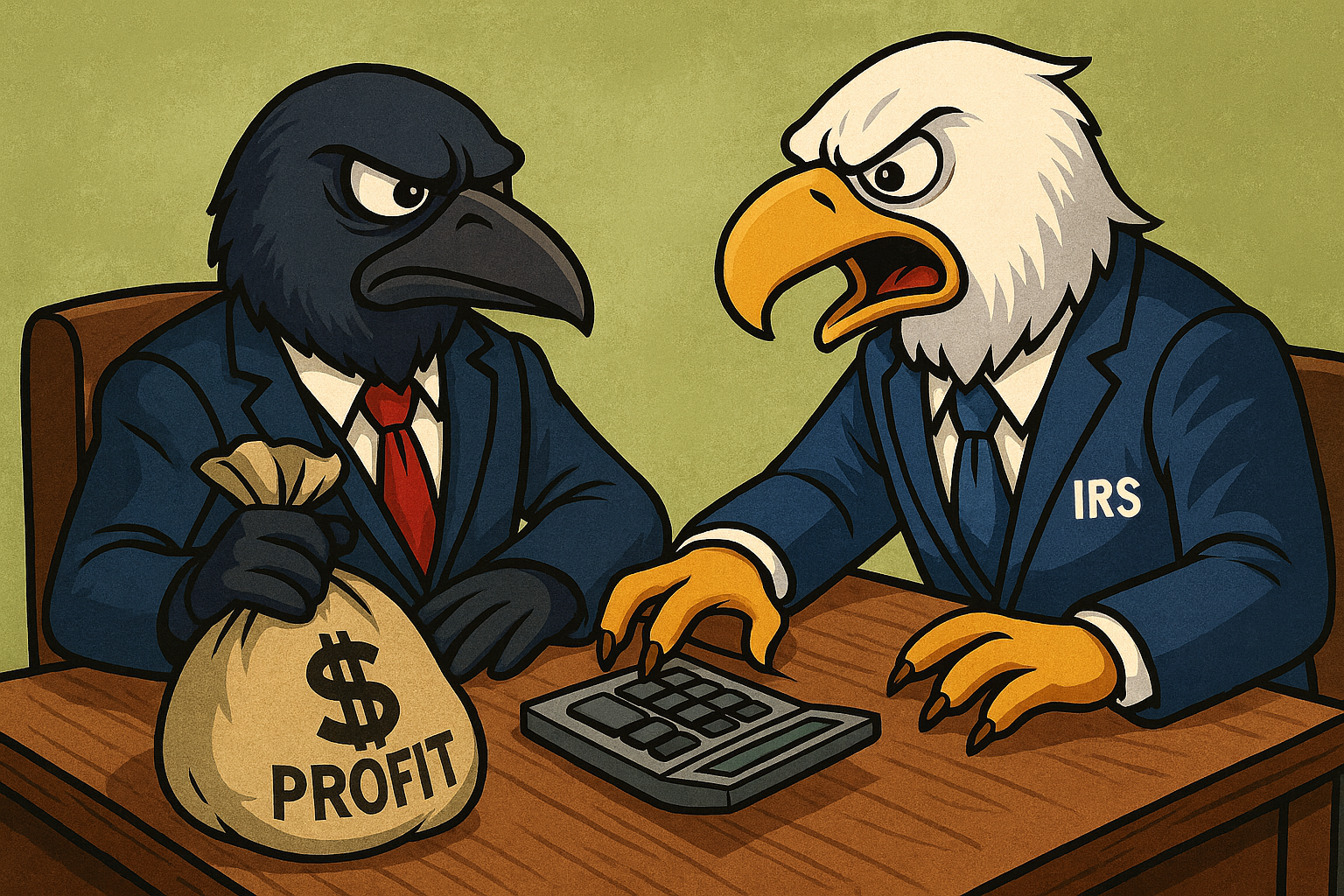
    Because depending on your situation, the IRS might be waiting to take a pretty big bite out of your profit.

    I’m not saying this to scare you. But I’ve seen more than a few sellers surprised by how much smaller their “take-home” ended up being.

    Here’s the thing: you don’t necessarily have to be one of them.

    If you know a few basic rules, you can structure your sale in a way that keeps a lot more of what you’ve earned.

    To make it easy, I’ve put together a short guide called “Minimize Your Capital Gains Taxes.”

    It walks through several of the best strategies used by experienced sellers — written in plain English, not accountant-speak.

    Here’s what it covers:

    • The IRS Exclusion Rule: How to qualify for the $250,000 / $500,000 gain exemption.
    • Improving Your Basis: Why it pays to keep track of upgrades, remodels, and improvements.
    • 1031 Exchanges: How reinvesting the right way can defer taxes altogether.
    • Timing & Strategy: Why a little planning before you sell can save a lot later.

    It’s not a long read — five minutes tops — but it could save you thousands.

    If you’re even thinking about selling property in the next year or two, it’s worth understanding how the numbers really work.

    And if you’d like me to show you what your land, lot, or home is worth in today’s market, I’ll include that too — no charge, no pressure, no tax lectures.

    Disclaimer:

    I’m not a CPA or tax attorney, and this guide isn’t tax or legal advice. Everyone’s situation is different, so you should always consult qualified professionals before making financial decisions. This information is just meant to help you ask better questions and make better plans.

  • Nobody Knows the Future (But That Doesn’t Stop Them from Pretending)

    Nobody Knows the Future (But That Doesn’t Stop Them from Pretending)

    As humans, we crave certainty. It makes us feel better to look at the world, make some assumptions, and act like we know what’s coming next.

    The problem? We almost never do.

    I ran across a 1999 Texas Water Development Board report recently. It had population projections for 2030 that are… slightly off.

    Here’s a few local gems, compared with actual 2025 estimates:

    CityProjected 2030 Pop.Actual 2025 Est.% Error
    McKinney65,912226,000+243%
    Frisco45,450235,000+417%
    Prosper2,72646,000+1,587%
    Melissa1,26926,000+1,949%
    Celina4,06061,000+1,402%

    **I didn’t include Princeton on the list, but the projections showed it to lose population between 1999-2030.

    (Today it’s only the fastest growing city in the US)

    Good thing nobody was betting real money on those guesses.

    If cities had actually planned their water capacity around those projections, we’d be in trouble.

    Thankfully, most local leaders had the sense to look around and see what was actually happening on the ground.

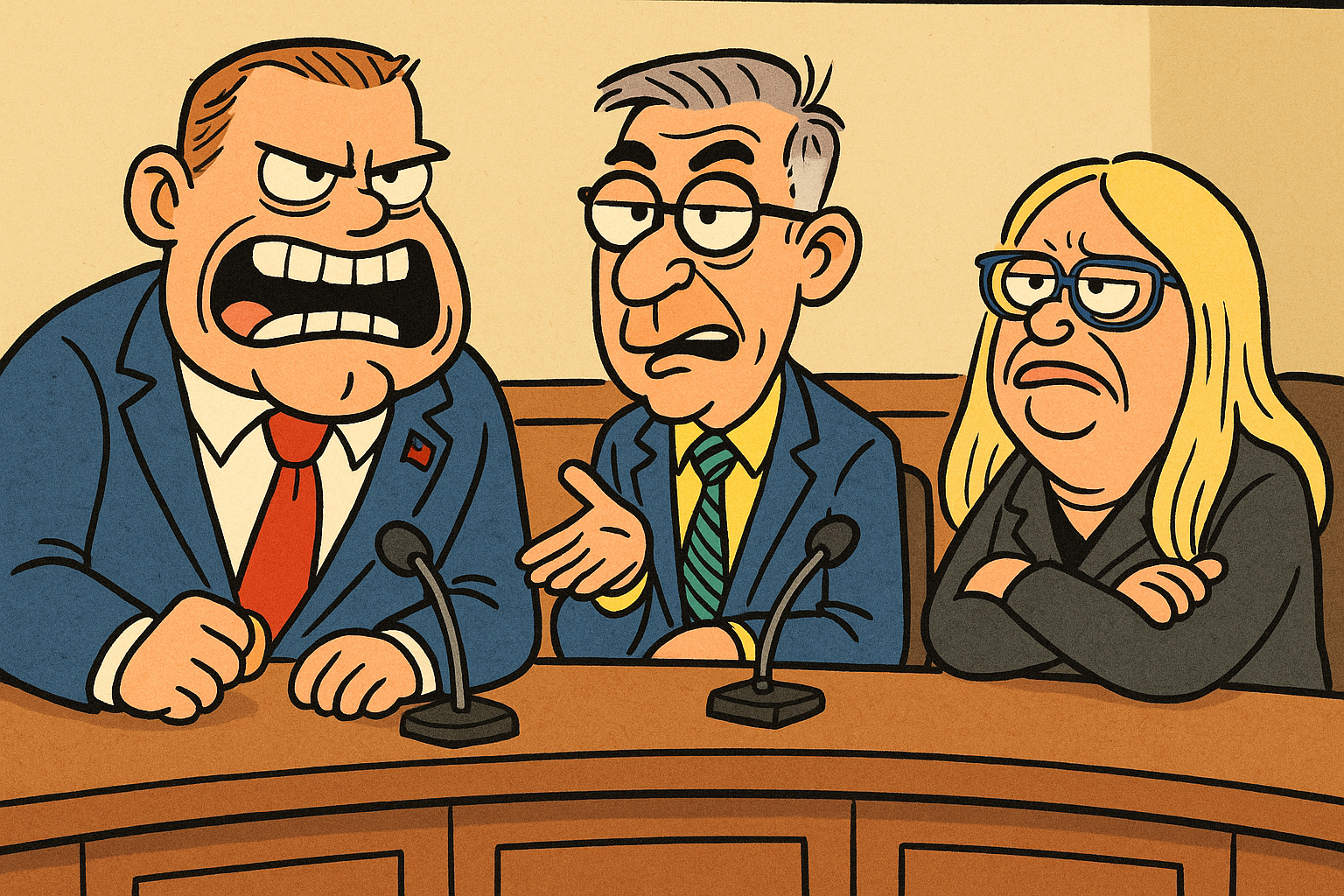
    Not everyone, of course. Some folks still play politics with growth—voting one way to serve water and another way on annexation just to score a few points online.

    It doesn’t stop the growth, but it does make them feel clever. And look good to their supporters.

    Anyway. The bigger point is this:

    You can plan all you want, but nobody really knows the future.

    If you ask me what your land or lot will be worth in five years, I’ll tell you the truth—I don’t know.

    What I can tell you is what’s happening right now, and what similar properties have actually sold for.

    That’s what matters when you’re making decisions today.

    So if someone promises to tell you exactly what something will be worth later—run. They’re either lying or don’t understand reality.

    PS- Want to know what your property’s worth today? I’ll tell you what I know. No charge, no pressure, no fortune telling.

    And no virtue signaling.

    Is it ever a bad time to begin a conversation with an expert who also knows what he doesn’t know?

    Click below: