Tag: Grace and Forgiveness

  • You Can’t Sell Something That Is Free

    You Can’t Sell Something That Is Free

    Continuing with the pattern of God giving first, it just keeps showing up.

    God gives, and we keep screwing it up.

    A man named Naaman comes to Elisha because he has leprosy. Naaman is important, wealthy, and powerful, but none of that can fix what’s wrong with him.

    Aside from that, he’s the commander of an enemy army. An enemy of Israel.

    That doesn’t prevent God from healing him. He doesn’t even require him to switch sides first.

    That part is probably worth remembering whenever we start thinking we need to clean ourselves up before going to God. If He’s willing to heal Naaman, He’s willing to heal us.

    Anyway.

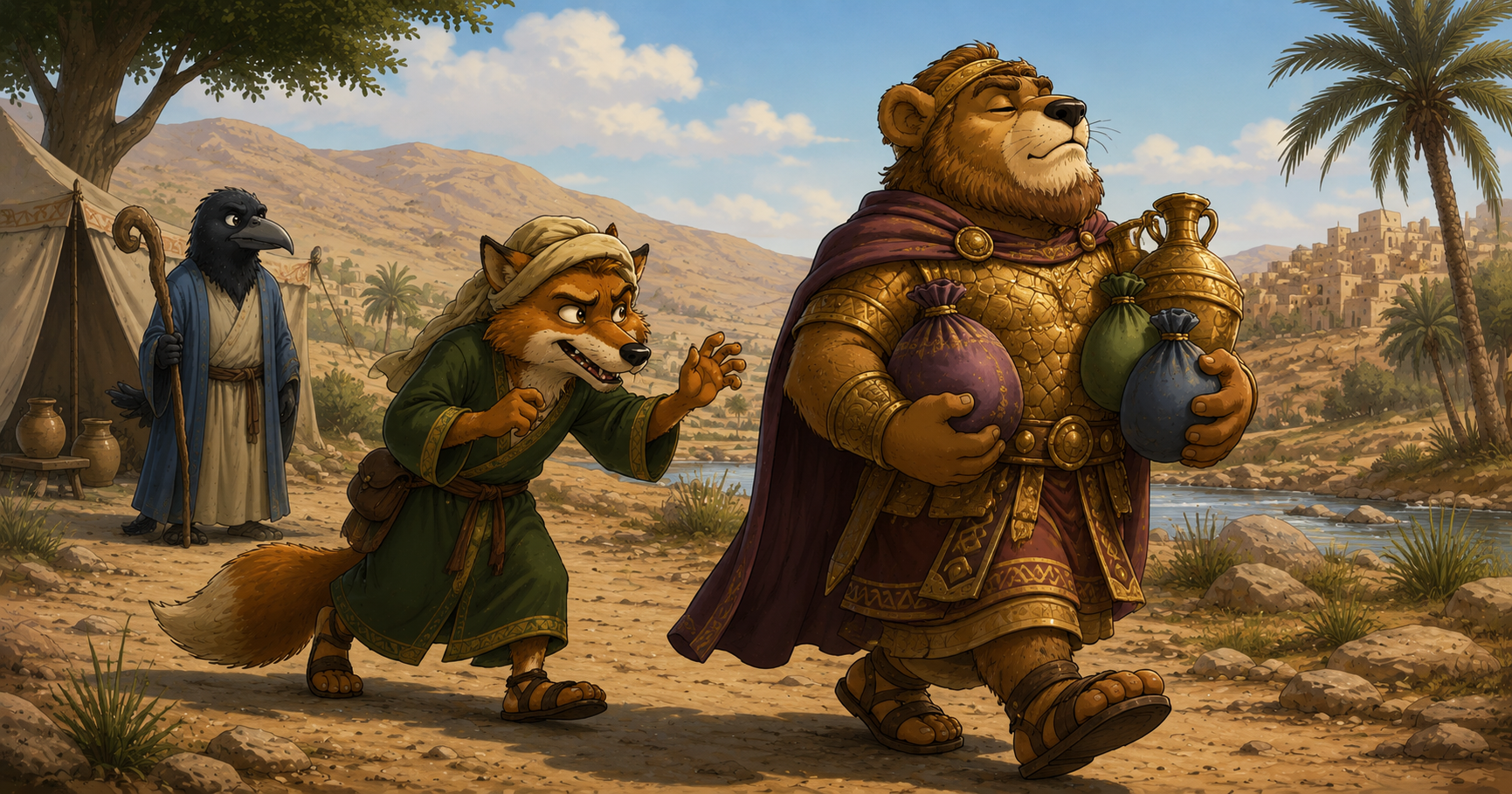
    Elisha tells him what to do, Naaman is healed, and naturally he tries to give Elisha gifts afterward.

    Elisha refuses them because the healing wasn’t for sale. It was a gift from God, given long before Naaman could think about earning it.

    Then enters Gehazi.

    Gehazi is Elisha’s servant, and apparently the whole thing bothers him. Naaman leaves healed, wealthy, and still in possession of all his money and gifts.

    Gehazi can’t leave it alone.

    So he runs after him and lies. Says Elisha changed his mind and now wants payment after all.

    It almost feels modern. God gives freely, and somebody immediately starts trying to figure out how to monetize it.

    You can see it on TV every Sunday.

    “Plant your seed!” “Give first and God will multiply it back!” “Send your offering here!”

    Curiously, the address is usually their own.

    But it’s not just televangelists. It’s all of us.

    We do it ourselves with churches. With ministry. With generosity. With reputation. With morality itself. We constantly try to turn grace into transaction.

    We want a formula. A leverage point. A way to put God in debt to us.

    He gives first, and keeps giving despite how persistently we misuse what we’re given.

    As for Gehazi, he ends up struck with Naaman’s leprosy and is told it will cling to him and his descendants forever. There’s not much mention of him after that, so we don’t really know how his story ended.

    But considering everything else we’ve looked at, it wouldn’t surprise me if even that wasn’t the end of it.

    Which is fortunate for all of us.

  • God Still Gives First (And Last)

    God Still Gives First (And Last)

    The last couple of Sundays I’ve been writing about how God gives first.

    With Solomon, the wisdom and wealth came before the instructions on what to do with them. With Israel as a whole, God repeatedly delivered, restored, protected, and provided before they promptly drifted again.

    Once you see it, the same thing shows up lots of places you hadn’t considered.

    Like with Moses.

    Moses didn’t earn his position. God chose him, sent him, empowered him, and used him to bring Israel out of Egypt. The miracles, authority, provision, all of it was given first.

    Then came the responsibility.

    But God also promised to be with Moses in a way most of us can barely imagine. God met with him face to face, spoke to him directly, and answered his questions.

    Most of us think that if we had an advantage like that, obeying would be easy.

    By now you’re probably seeing the problem with that assumption.

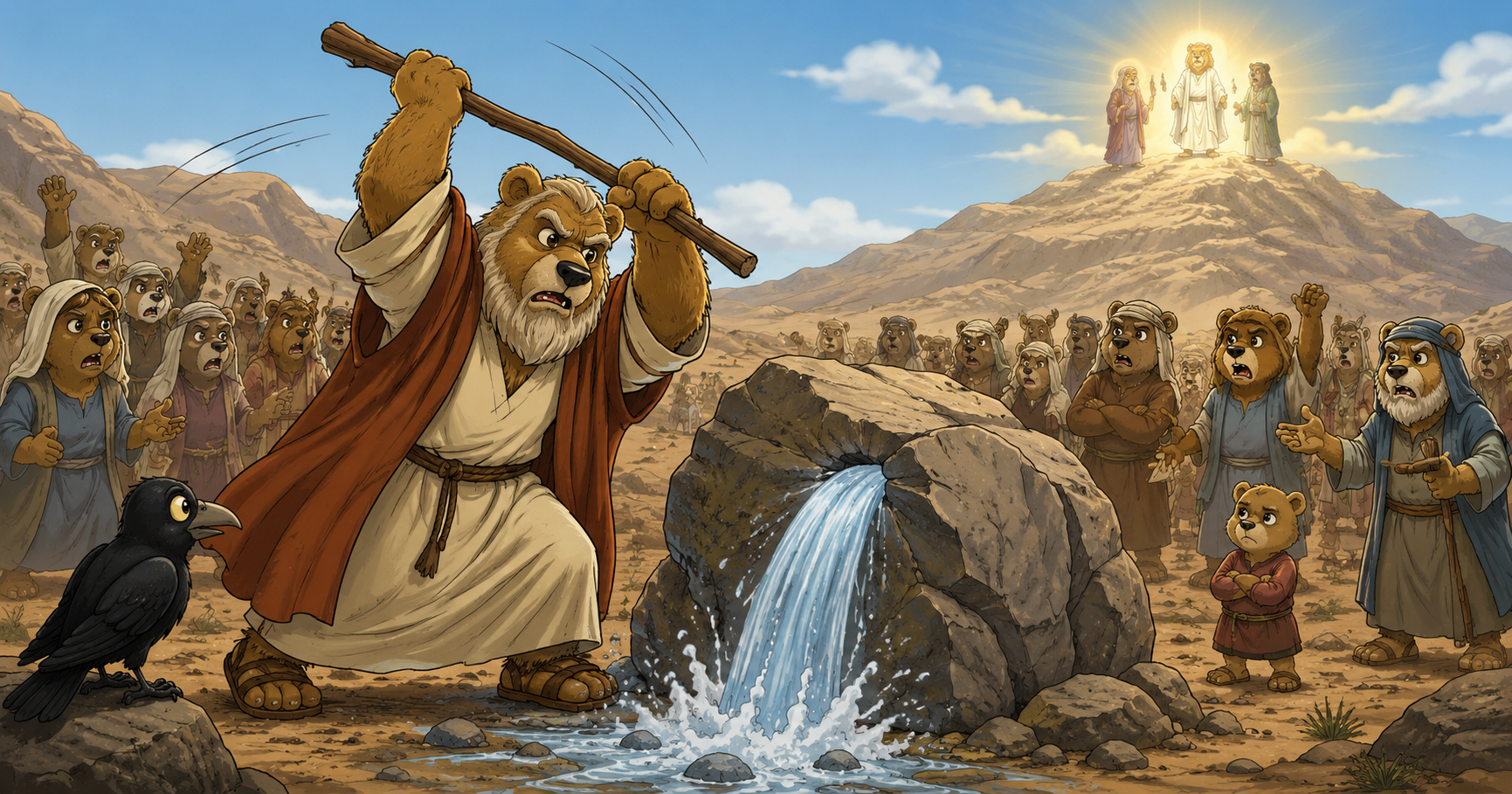
    By the time you get to the incident with the rock, Moses is worn down. The people are complaining about water again, which by that point had become a recurring theme.

    God tells Moses to speak to the rock.

    Instead, he strikes it. Angrily, while telling the Israelites what ingrates they are.

    Water still comes out. The people get what they needed. If you judged strictly by outcome, it wouldn’t even look like much of a problem.

    But God had been clear.

    And Moses did something else.

    That was enough.

    He was told he would not enter the Promised Land. After everything else, after leading Israel for decades, that was the line.

    We struggle with that because it feels disproportionate. We immediately start grading the sin ourselves. It wasn’t murder. It wasn’t idolatry. He didn’t steal anything. He got frustrated, lashed out, and did something he wasn’t supposed to do.

    Sound familiar?

    But the Bible doesn’t treat sin the way we do. Moses knew what God had said, and he did something different. That was enough.

    And there wasn’t a way for Moses to fix it himself.

    No second attempt. No chance to go back and do it correctly the next time. He led Israel to the edge of the land, and stopped there.

    But don’t overlook something that happens later.

    At the transfiguration, Jesus Christ is seen speaking with Moses and Elijah.

    I used to glide right over that part. If you’re talking about the most important figures in the Bible, Moses is obviously one of them. Of course he’s there.

    But then it hits you.

    By God.

    The consequence still happened. Moses did not walk into the land with Israel. But it wasn’t the end of the story.

    Same pattern over and over. God gives. We fail. God restores.

    Which is fortunate, because if the arrangement depended on us fixing ourselves first, none of us are getting very far.

    It’s never too late.

    Until it is.

  • Like Getting Paid In Advance

    Like Getting Paid In Advance

    Last week was about Solomon and how that ended. He was given everything and had every advantage. God appeared to him directly and told him what to do, which we all assume would settle it for us. It probably wouldn’t. It didn’t for him.

    But it’s worth considering how it started.

    God didn’t tell Solomon to go prove himself first. He didn’t say, follow these rules for a while and then I’ll give you wisdom, riches, and long life. He gave it to him, then told him what to do with it. That order matters.

    And it isn’t unique to Solomon.

    Look at David. Made king, established, given victory and position, and then later failed in a way that wasn’t subtle. Look at Israel as a whole. Delivered, restored, protected, and then the same pattern shows up again. Drift, idols, collapse, and eventually crying out to be restored again.

    It keeps happening, which makes it harder to treat as isolated mistakes.

    God gives first. Then people fail to hold onto what they were given. The issue isn’t that the instructions were unclear or that they didn’t have enough. They had more than enough. They just didn’t keep it.

    That includes you.

    There’s another place where the order matters.

    Through Jesus Christ, forgiveness is already there.

    It doesn’t work like clean yourself up and then come. It’s come, and then get cleaned up.

    Same pattern. God gives, God restores, and we don’t hold it together on our own, which is fortunate because we can’t.

    All that’s left is to turn, ask, and believe.

    It’s never too late.

    Until it is.


    Register to Receive Posts Via Email!

    By submitting, I understand I will receive marketing emails and blog posts from Mike Browning Realty and/or associated companies. Unsubscribe at any time.