Tag: due diligence

  • Don’t Take Their Word For It

    Don’t Take Their Word For It

    Years ago, one of the first large deals I worked on was a 375-acre tract in Collin County.

    I brokered it into a partnership controlled by my father for about $2,800 an acre. About a year later, we sold it for roughly $8,000 an acre.

    That was a good deal. Probably the highest annualized return we’ve had on a single transaction.

    Now, if we’d waited until today, that same land might be worth $50,000 an acre. Or more.

    But you can’t think that way. Not seriously.

    What matters is what happened next.

    After the sale, the developer built one-acre lots and things went well. Naturally, they wanted another deal. There was a large tract right next to the one we’d just sold, and one of the first rules of land is that your most likely next seller is the neighbor.

    So I called the owner.

    She was polite enough. I sent over an offer, a little higher than what the previous land had traded for. I think it was around $8,500 an acre.

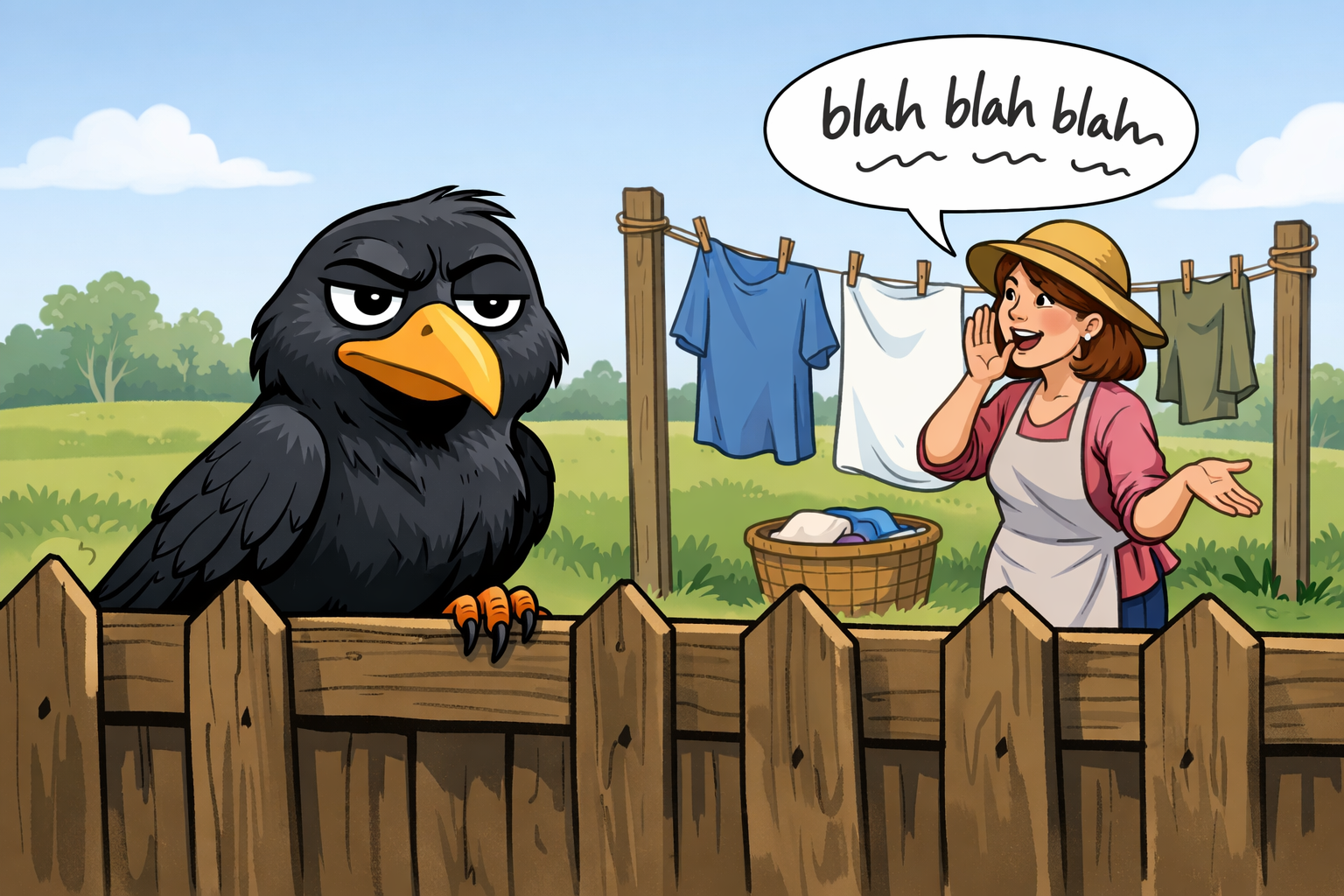
    She called me back, said no, and laughed a bit. Then she told me she knew for a fact that the land next to her had sold for over $10,000 an acre.

    It hadn’t.

    I knew that because I was involved in the deal.

    Normally, when someone says something like that, I let it go. Real estate is full of hearsay. So is life. People hear things, repeat them, and treat them as facts without ever checking.

    Most of the time, it’s not malicious. It’s just wrong.

    But I was trying to make a deal, so I offered to send her part of the closing statement. Not the whole thing. Just enough to show the actual number.

    I told her, “I don’t know where you heard that, but I was the seller and the broker. That price isn’t right.”

    Her response was simple. She still wanted more. She’d rather wait.

    That was fine.

    She did wait. And she did very well. That land is now a small-lot subdivision. I don’t know what she ultimately got for it, but it was probably closer to that $50,000-an-acre number.

    Good for her.

    The point isn’t that she was wrong to wait. The point is the information she was relying on wasn’t accurate.

    That’s the warning here.

    In real estate, and in life generally, if you didn’t see something firsthand or in writing, there’s a good chance it’s wrong. Not because someone is lying, but because everyone along the chain thinks the last person knew what they were talking about.

    You see this all day long. So-and-so did this. So-and-so got that. No context. No details. And usually, no way to know if it’s even close to true.

    That’s why anything you hear from me is either firsthand knowledge or something written and documented that I’ve actually seen.

    If what I tell you sounds different from what you’re hearing elsewhere, that’s probably why.

    PS- I offer a free, no obligation analysis of any non-residential property. It shows recent sales in the immediate area, potential/planned development, utility info, and anything else that may be of value for you to know.

    With the sales, it will be real, documented info not hearsay.

    You might not be ready to sell today. But is it ever a bad idea to get the latest info?

    Click Below:


  • You Don’t Know Who’s Swimming Naked Until the Tide Goes Out

    You Don’t Know Who’s Swimming Naked Until the Tide Goes Out

    (This one needs a big fat disclaimer: I’m not a CPA, licensed securities professional, an attorney, or anything like that. I’m a real estate broker. I shoot straight, but none of this is legal or financial advice. You should consult the relevant professionals in those fields should you have questions. All of this is for informational purposes only.)

    Real estate cycles run longer than stock market cycles.

    That’s because real estate isn’t liquid.

    When stocks fall, you can still sell. There’s always new retirement money flowing in, keeping things moving.

    (yes, it’s by design that the least sophisticated investors basically have no other option but to sink their 401k money into the stock market. He who has ears to hear, let him hear.)

    But in real estate, when the market turns, the buyers disappear.

    And that’s when you find out who was actually making money because they were good — and who was just making money because prices were going up.

    We’ve been in an expansion phase for a long time.

    For most people in the business today, the only market they’ve ever known is a rising one.

    That creates a specific kind of confidence: The kind that comes from never being tested.

    The people who look the smartest in an up-market aren’t usually the best operators.

    They’re the ones taking the most risk.

    Leveraged to the hilt. Borrowing against deals to buy more deals. Investors nodding along because so far everything has worked.

    And yes — some promoters are already doing things their investors don’t know about.

    (I don’t know about anything specific so nobody call their lawyers…it just happens all the time)

    When everything goes up, nobody asks questions.

    When everything stops going up, everyone asks questions at once.

    That’s when the tide goes out.

    And then you’ll hear the stories:

    • “We didn’t know.”
    • “Nobody could have seen it coming.”
    • “We trusted the wrong guy.”

    And some of those investors really will lose everything. Because they either didn’t ask enough questions, or didn’t want to hear the answers.

    Warren Buffett said:

    “You don’t know who’s swimming naked until the tide goes out.”

    He’s right.

    But the part people forget is this:

    The down is always faster than the up.

    So pay attention to who you’re trusting — not just what the deal looks like.

    Because a good deal with the wrong manager is a bad deal. And if you aren’t sure they’re trustworthy?

    Assume they aren’t.

    There are plenty of good deals out there.

    Make sure you’re in one of those.

    PS: I offer free value analysis on any land or lot property (not houses).

    You’re probably not looking to sell today —

    but the time to prepare is before you need to.

    There’s no charge, and there’s no downside to having current market info.

    Is it ever a bad idea to start getting to know honest people who deal in what you already own?

    Click below:


  • Guaranteed Returns?  Guaranteed Trouble.

    Guaranteed Returns? Guaranteed Trouble.

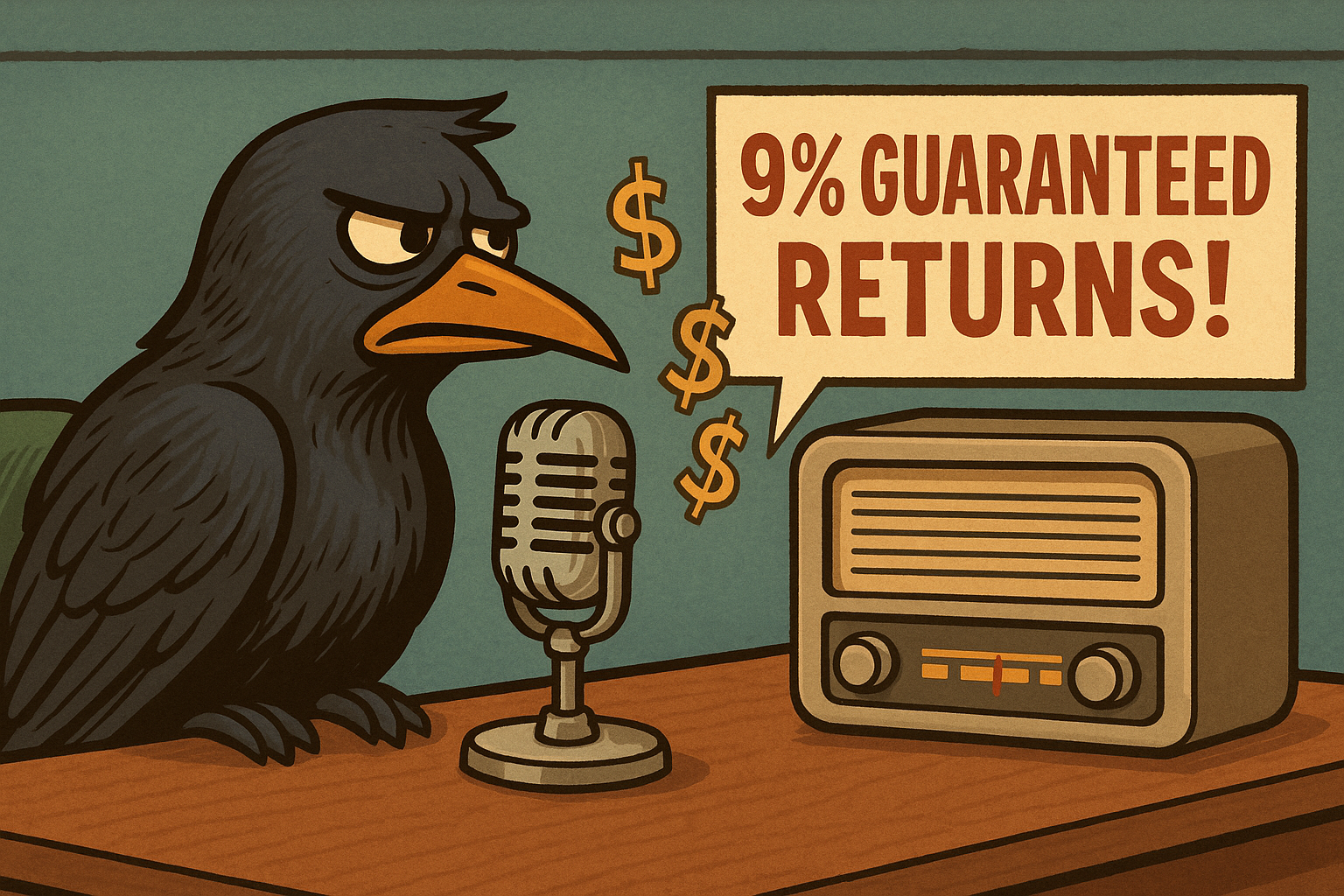
    A few years ago, there were radio ads from an investment firm promising a guaranteed 9% return.

    That always struck me as suspicious. There’s no such thing as guaranteed investment returns. Anyone promising that is either dishonest or incompetent.

    And if you really could generate a 9% return with no risk, there wouldn’t be any need to advertise. Money managers would be running each other over to get clients into it.

    Turns out, I was right. A few years later, the guys behind the scheme were sentenced to decades in prison.

    And in the small-world department — the lead investigator who arrested them was also my daughter’s soccer coach.

    But here’s the thing: if you listen to the radio today, you’ll still hear similar promises. I won’t name names (no need to get a call from anyone’s lawyer), but the fact remains:

    There’s no free lunch. Investments carry risk.

    That’s true whether it’s financial instruments, real estate, stocks, or bonds.

    Those “opportunities” were sold through mass media — where they reach the most people, and often the ones least prepared to know what they’re getting.

    The sad part is, if the victims had talked to an honest professional, they probably would’ve been steered clear of the whole thing.

    We’ve all heard the saying: If something sounds too good to be true, it probably is.

    But here’s something else to remember:

    You always have to do your due diligence, but if the deal comes looking for you instead of the other way around, you have to be especially careful.

    So what does that have to do with real estate?

    You know I’m biased, but if it’s done properly, I think there’s much more opportunity in real estate investing than in retail stocks or mutual funds.

    If it’s done properly.

    If you’re not experienced, it’s easy to get in over your head.

    Like I said, I’m biased — but if you’re not using the services of an experienced and honest broker (hello), you’re setting yourself up for trouble.

    Is it free? No.

    But it is a bargain.

    If you’re looking to invest/buy or sell, is it crazy to want to have skilled people on your side?

    Didn’t think so.

    Click below.


  • Avoiding Self-Inflicted Wounds Since 1999

    Avoiding Self-Inflicted Wounds Since 1999

    I’ve been learning from mistakes (mine and others) for a long time

    A client of mine recently went under contract on a tract we think is prime for an acreage lot development. It’s outside any city limits—thankfully—so we’re dealing with the county instead of some slow-moving municipal planning department.

    County processes? Still not fast. But we’re talking 1–2 months for plat approval instead of 5–6. That’s a win.

    Even better, the seller had already started working with an engineer, so we’re ahead of schedule compared to most deals like this.

    But before you do anything with a plat, you have to confirm the local water co-op has capacity to serve the project. If they don’t, you need to know what has to happen to get service.

    That starts with paying $1,000 to their engineer—just for them to look at it. Seems like a few hours of work, right? Nah, they’ll quote you “a few weeks.” Feels like a racket because it kind of is. But here we are.

    Knowing this, I negotiated a 60-day option period for my client to complete due diligence. And in case we needed more time, we got two 30-day extensions built in—for a nominal fee that gets credited toward the purchase price. So, effectively free if the deal closes.

    Now here’s where things really went our way:

    The engineer came back quickly (shocker) and confirmed there is capacity—without needing system upgrades. That never happens. But we’ll take it.

    Phase I of the plat has already been approved. It just needs to be filed, and we can start selling those lots—they don’t require new streets. The rest of the plat is moving toward approval too.

    Now the seller wants to know: “Are you going to skip the extensions and close sooner?”

    I haven’t even asked my client, but I can already tell you the answer—hard no.

    Here’s why:

    When you’ve got a property under contract, you control it—without paying for it yet. That means we can start talking to builders and buyers, even write contracts on the lots. We just can’t close those until we officially own the land.

    Meanwhile, the purchase money? Sitting in my client’s bank account, earning interest.

    No brainer.

    When negotiating, I honestly expected the seller to insist that any extension fees be added to the price, not credited toward it. And that it be new money, not just a release of funds already at title. Nothing too crazy—just enough to make it worth our while to forgo an extension we don’t really need. And we’d have agreed to it.

    Why didn’t he? No idea. Maybe he didn’t think it through.

    Why didn’t I point it out? I’d have been breaking my fiduciary duty to my client. Plain and simple. It’s my job to get my client then best deal, not the other way around.

    So here are two takeaways:

    1. If your contract gives a buyer extension options, assume they’ll use every single one and close on the last day possible. That’s just smart business on their part.
    2. If you’re not experienced negotiating land contracts, there’s a good chance you’ll put yourself in a non-ideal but avoidable situation. This can cost you time, money or both.

    Having the right person on your side matters. Not every deal is perfect, but if I’m representing you, you’ll know exactly what you’re getting into—before you sign anything. Not after.

    Thinking about selling? You know where to find me.