But it might make talented people even more dangerous.
When talking about AI, people tend to act like it affects everyone equally.
I don’t think that’s true.
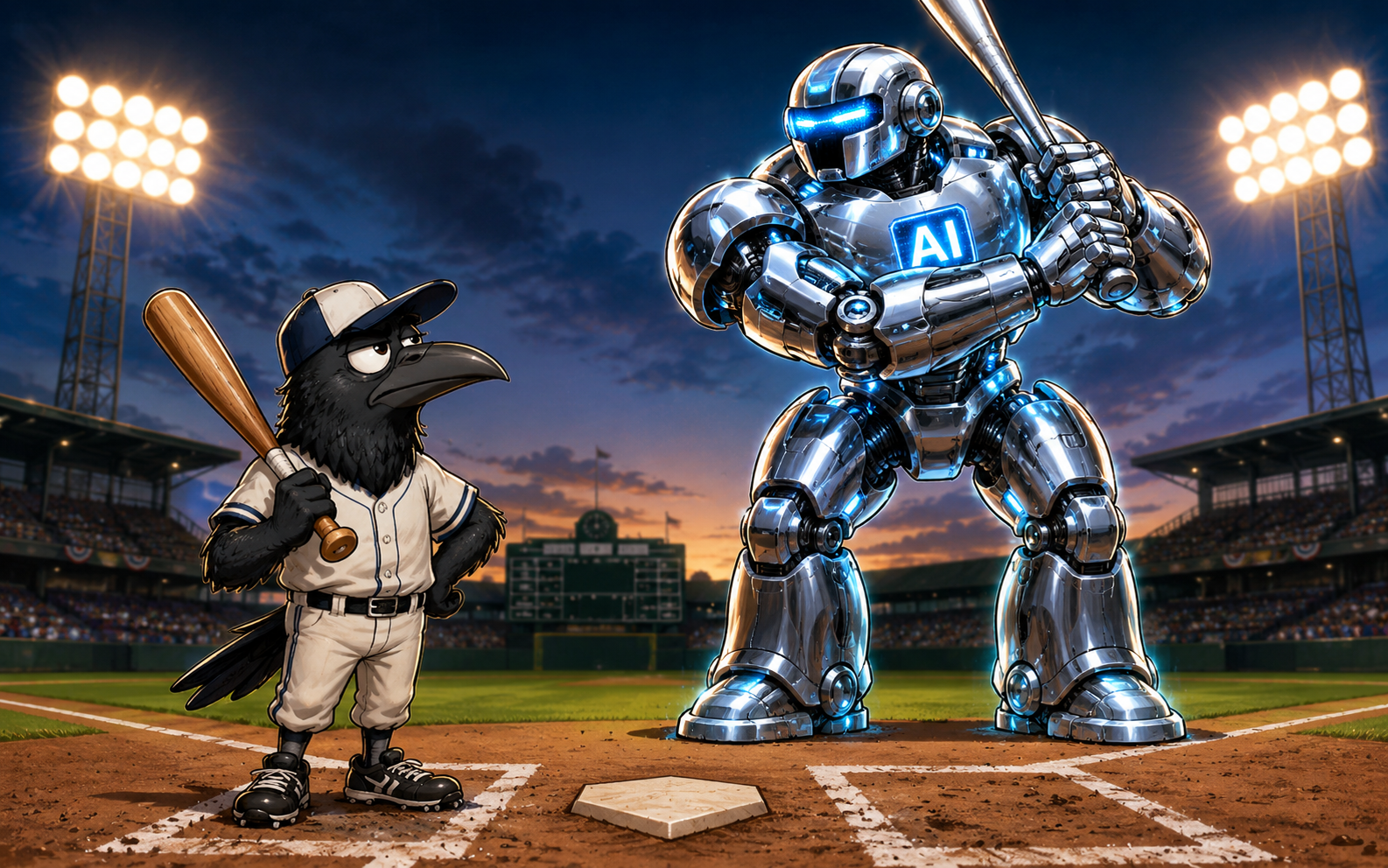
Look back to the steroid era in baseball. A lot of people talked as though steroids turned ordinary players into superstars. As if anyone could take a few injections and suddenly start hitting fifty home runs.
That wasn’t really what happened.
You still had to be able to hit a baseball. And that’s a skill most people never come close to mastering.
The player who couldn’t hit before steroids? He couldn’t hit afterward either. The player with mediocre talent and a mediocre work ethic didn’t magically become great.
What steroids did was amplify what was already there.
Most people focus on the added strength. The home runs. The highlights. But the bigger advantage was recovery. A player could train harder and more often. He could deal with nagging injuries better. He could stay closer to his peak performance over a long season.
The biggest gains went to the people who already had talent and were already willing to work. Those so keen on getting an edge they’d keep at it even after it became illegal.
A decent player might become a good player. A good player might become a star. A star might become an all-time great. Later disgraced to hear some tell it, but at the time it was amazing to watch.
AI is a lot like this.
The person who doesn’t understand land values today isn’t suddenly going to understand land values because AI exists. The person who has poor judgment isn’t going to develop good judgment because a machine gives them answers.
In some cases, the opposite may happen.
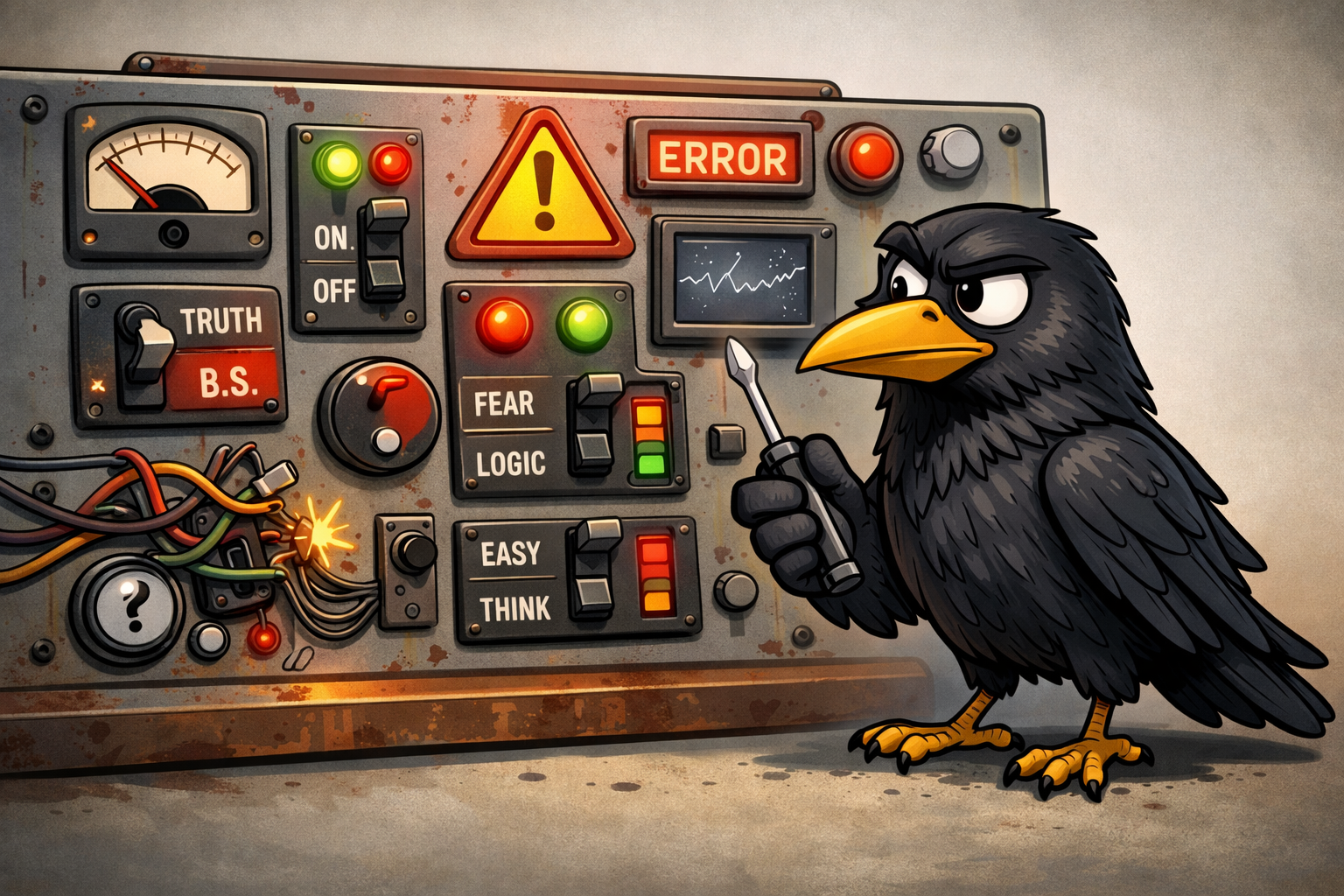
As I said last week, there are really two groups using AI right now.
One group is using it as an escape hatch. They don’t want to do the work, learn the subject, or develop the expertise. They want the answer without the process.
That works right up until the machine gives them a bad answer.
Then they’re stuck, because they never learned enough to recognize the mistake.
The other group is still doing the work. They’re still learning, still analyzing, and still making the decisions. AI simply helps them move faster. It helps organize information, challenge assumptions, and automate things that used to consume more time than they were worth.
That’s how I use it.
When I’m working on a Land Reality Check, AI isn’t determining value. It isn’t selecting comparable sales. It isn’t deciding what matters and what doesn’t.
I’m doing those things. Because I’m responsible for the answer. But because I can do things faster, I improve more quickly.
People predicting AI will make everyone equally capable are missing something.
The people using it to avoid thinking are going to get worse, and those using it to enhance their thinking are going to get better.
And the gap is likely to grow a lot faster than most people expect.
PS – Most landowners are not planning to sell today.
But markets change. Development pressure changes. Buyer demand changes too.
The people who make the best decisions usually aren’t the ones scrambling to learn everything at the last minute. They’re the ones who already have a pretty good idea of what’s happening around them.
That’s what the MBR Land Reality Check is for.
It looks at nearby sales, competing properties, market activity, and the factors affecting value that are easy to miss if you don’t spend much time in the land business.
You don’t have to do anything with the information.
But is it a bad idea to know where things stand?
PPS – If you’re not ready for a Land Reality Check but enjoy reading about land, negotiation, markets, and how business actually works in the real world, you can sign up below and get future posts in your inbox.
No hype.
No sales funnel.
Just new posts when I write them.