Tag: Biblical Perspective

  • Not Even Close

    Not Even Close

    Job was a good man. Loved God, kept his ways, and he was rich on top of it. Everyone around him looked at his life and saw a man who was clearly blessed.

    Then he lost it all in about four verses. Kids, livestock, servants, health. Gone, fast.

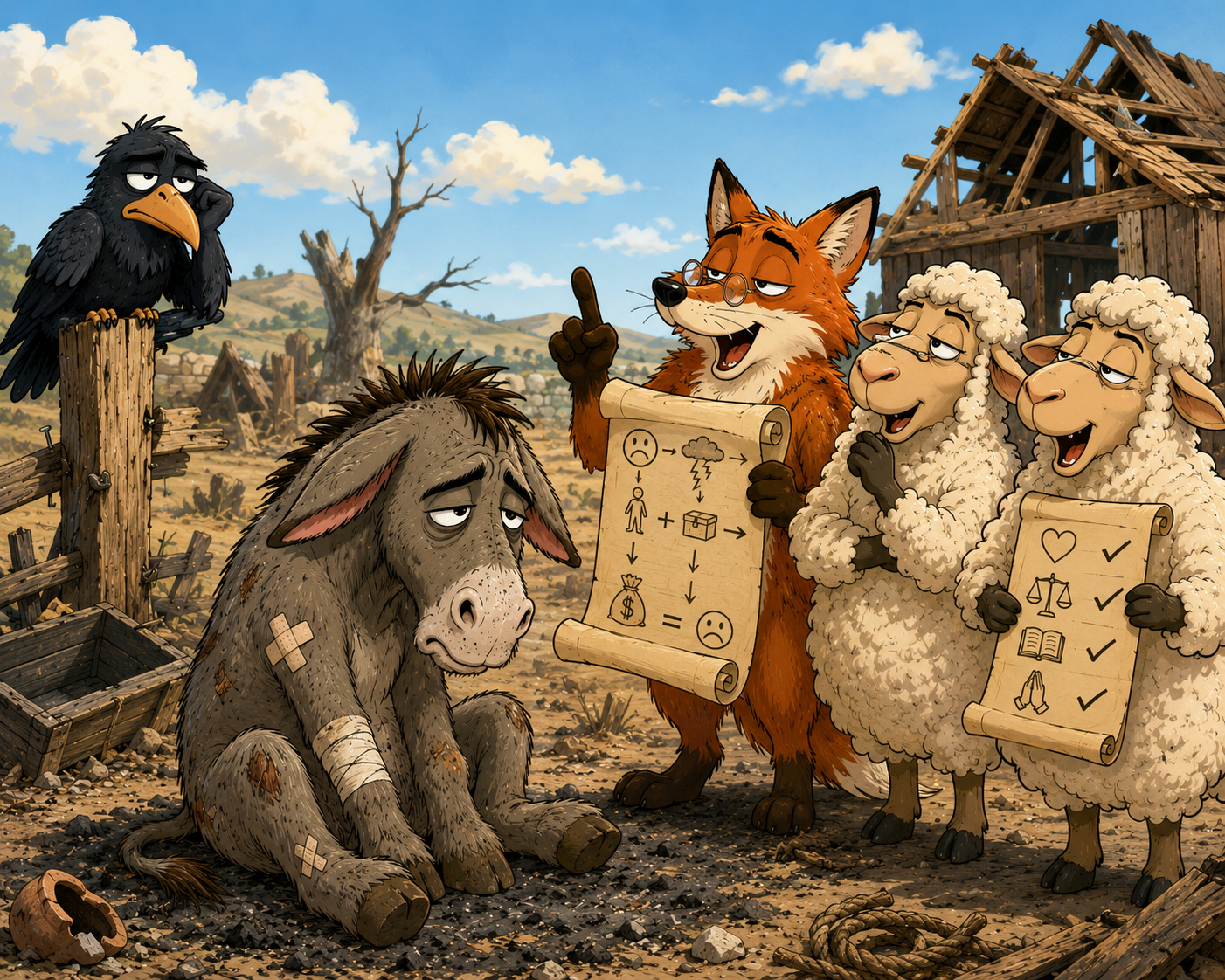
    His friends show up and spend most of the book explaining why. Different speeches, same theory underneath all of it. God is just, suffering is punishment, so the suffering must mean Job sinned somewhere and isn’t admitting it.

    Job won’t agree. He hasn’t done what they’re accusing him of, and he says so. They don’t believe him, because they need him guilty. Look at why for a second and it makes sense. If suffering is always earned, then being righteous keeps you safe, and they get to keep believing they’re in control of what happens to them. Easier to accuse Job than to give that up.

    We like that idea too. Be good enough, do it right enough, and God will help you. Except look at it for ten seconds and you’ll notice you don’t actually want a universe that runs on that rule. It means everyone who’s ever suffered did something to deserve it. And we’ve all done something to deserve it.

    If you’re honest, you know that even when you do something that’s technically right a large part of the time you’re not doing it for the right reasons.

    Job’s friends go through chapter after chapter of explaining why things happened like they did. Kind of like how we act like we can discern God’s plan for us. Here’s what actually happened: God let Satan destroy a man’s life over a bet Job had no say in. A righteous man, no less. Read that straight and it’s offensive. But once you sit with it, the friends’ explanations are the part that’s almost funny, how far off they were chasing a reason that didn’t exist.

    When God finally answers Job, He doesn’t explain the wager. He asks where Job was when the earth was made, whether he can command the morning. Shows him the size of what he isn’t equipped to know, not the reason behind it.

    We’d do well to spend less time hunting down the reason for things. Job’s friends never could have worked out what was actually happening, no matter how hard they tried. Job probably never found out either, this side of being back with God.

    We like to make it sound like it’s easy to trust. But it’s not. At least not all the time. Not when it’s impossible for us to know the why. That’s why we fail repeatedly. And why God made provision for us.


    Register to Receive Posts Via Email!

    By submitting, I understand I will receive marketing emails and blog posts from Mike Browning Realty and/or associated companies. Unsubscribe at any time.

  • The Big Announcement Went To the Night Shift

    The Big Announcement Went To the Night Shift

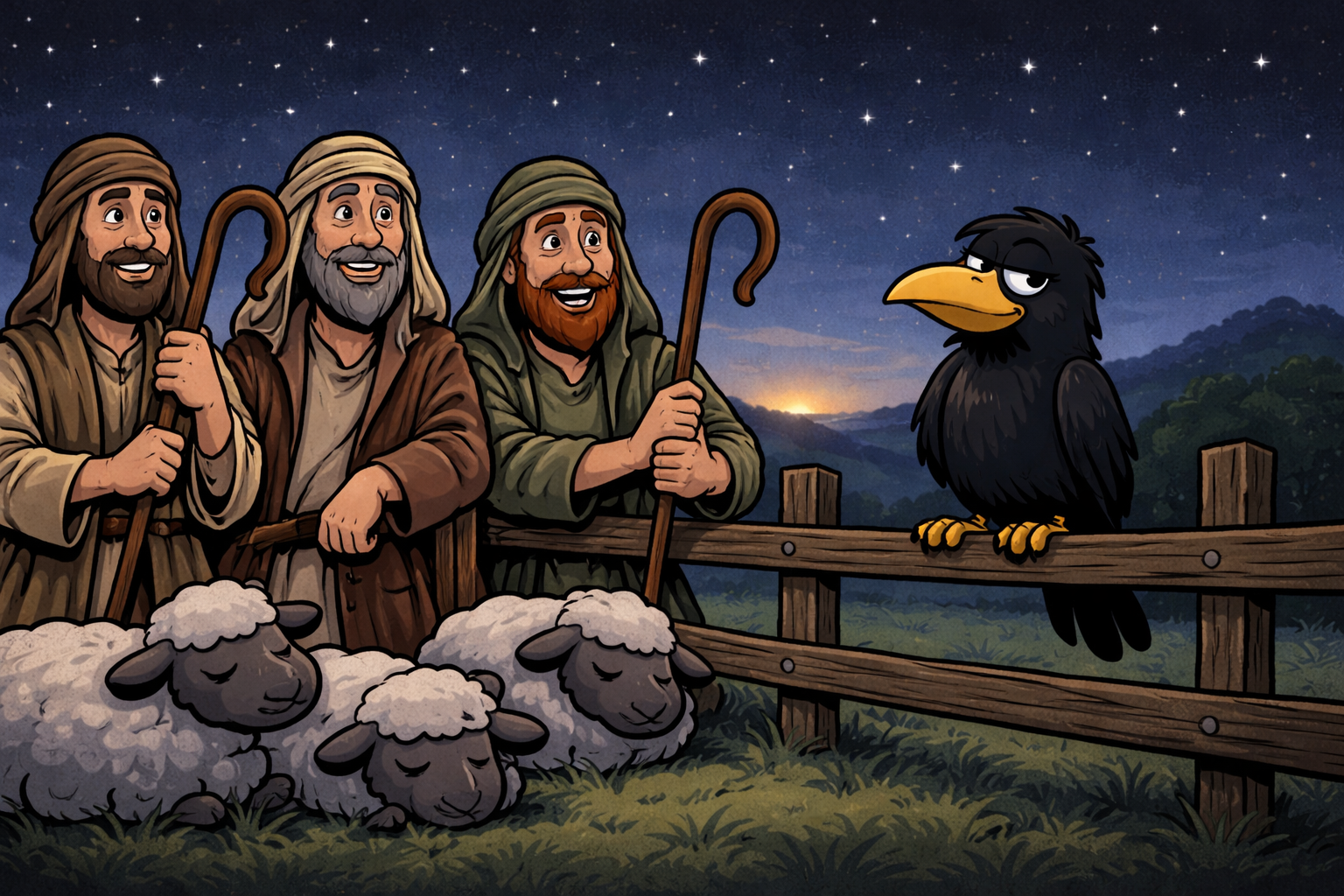
    The first people told about Jesus weren’t scholars.
    They weren’t religious leaders.
    They weren’t connected.

    They were shepherds.

    That detail often gets treated like trivia. It isn’t. It’s the point.

    Shepherds were doing a job nobody admired. They worked odd hours. They were dirty. They were often rough characters when they weren’t working. They were even considered unreliable witnesses in court.

    Not exactly the people you’d choose if you were trying to establish credibility.

    And yet, they were first.

    Not because they were humble in some sentimental way.
    Not because they were especially spiritual.

    But because they weren’t invested in protecting a reputation.

    God didn’t reveal Himself to the people with the most training. He revealed Himself to the people with the least to lose.

    That pattern shows up over and over.

    The ones who recognize what God is doing tend to be people who aren’t trying to manage an image. They aren’t filtering everything through how it will sound or who it might offend. They aren’t waiting for permission from the right crowd.

    The people God doesn’t seem interested in impressing are usually the ones who expect to be impressed.

    Religious experts missed it.
    Political leaders missed it.
    Cultural authorities missed it.

    Not because they were stupid. Because they were invested.

    They had systems to defend.
    Status to maintain.
    Explanations to protect.

    A baby in a feeding trough doesn’t fit cleanly into any of that.

    The shepherds didn’t need it to fit. They just needed it to be true.

    That’s still how it works.

    People who need God to affirm their intelligence, their morality, or their importance usually end up disappointed. God doesn’t play along with that.

    He reveals Himself to people who are paying attention, not people who are credentialed.

    That’s uncomfortable. Especially for those of us who like to know things. Or explain things. Or be right about things.

    It suggests that proximity to truth has less to do with preparation and more to do with posture.

    The shepherds weren’t elevated because they were shepherds.
    They were included because they were available.

    They heard.
    They went.
    They told others what they saw.

    Then they went back to their work.

    No promotion.
    No platform.
    No ongoing role.

    Just obedience in the moment.

    That detail tends to get skipped.

    God didn’t recruit them into a program. He let them witness something and trusted them to respond.

    Which raises an uncomfortable question.

    Are we actually open to God revealing Himself if it doesn’t flatter us?
    If it doesn’t confirm our self-image?
    If it doesn’t come through the channels we respect?
    If it doesn’t arrive with the right tone?

    Christmas says God doesn’t wait for the world to be ready. He shows up, then lets people decide whether they’ll notice.

    Some people were too important to be interrupted.

    Others were just watching sheep.

    Those were the ones who heard the announcement.

    PS — I think it’s a good idea to own a physical copy of the Bible. Reading online or on your phone is convenient, but it only works as long as the power is on and the connection is there.

    Is it likely that goes away? Maybe not.
    Is it possible? Absolutely.

    There are places in the world where the Bible is suppressed. Could that happen here? It seems unlikely, but just in the last few years we’ve watched plenty of “unlikely” things happen.

    Either way, there’s no downside to owning a hard copy of the best-selling—and for many, the most important—book ever written.

    Disclosure: As an Amazon Associate I earn from qualifying purchases. That means if you buy something—anything—after clicking that link, I may receive a small commission. It doesn’t change your price.